Where Do Bonsai Trees Grow: Best Places And Tips
Bonsai trees can grow almost anywhere if you match species, climate, and care correctly.
I’ve worked with bonsai for years and helped beginners and collectors answer the core question: where do bonsai trees grow. This guide explains the climates, locations, and practical choices that determine where bonsai trees grow successfully. Read on to learn which species thrive in your region, how to set up containers, and the common mistakes that stop bonsai from growing well.

Understanding bonsai and where they grow
Bonsai is the art of growing a full-sized tree in a small container. The tree’s genetics define its natural climate needs, while bonsai techniques shape its size. That means where do bonsai trees grow depends on two things: the species’ native requirements and the grower’s ability to mimic those conditions in pot culture.
Key ideas to keep in mind:
- Species matters. Tropical and temperate species have very different needs.
- Microclimates matter. A shaded patio, a sunlit windowsill, or a cool garage each affects growth.
- Containers change the rules. Roots are confined, so water and temperature respond faster than in garden soil.
Where do bonsai trees grow in practice? They grow where the species’ basic needs—light, temperature, water, and sleep (dormancy)—are met consistently. Get those right and your bonsai will thrive.

Natural habitats and geographies for bonsai
Bonsai species come from many parts of the world. Knowing a tree’s origin answers the question where do bonsai trees grow best.
Regions and typical species:
- East Asia (Japan, China, Korea)
- Common bonsai: Japanese maple, Chinese elm, azalea.
- Climate: Temperate with cool winters and warm, humid summers.
- Mediterranean and temperate Europe
- Common bonsai: olive, pine, hornbeam.
- Climate: Mild, dry summers and cool, wet winters.
- North America
- Common bonsai: various pines, maples, junipers, native elms.
- Climate: Wide range—choose locally adapted species.
- Tropical and subtropical regions (Southeast Asia, parts of Florida)
- Common bonsai: ficus, bougainvillea, podocarpus.
- Climate: Warm year-round, no true dormancy.
How geography affects growth:
- Winters that drop below freezing will damage tropical bonsai but help temperate species rest.
- High altitude brings cool nights and intense sun, favoring certain pines and junipers.
- Coastal regions have milder temperature swings but higher humidity.
Where do bonsai trees grow? In the same places their wild relatives are adapted to live, provided you can reproduce the core climate traits in a container.
Indoor vs outdoor bonsai: deciding where to place your tree
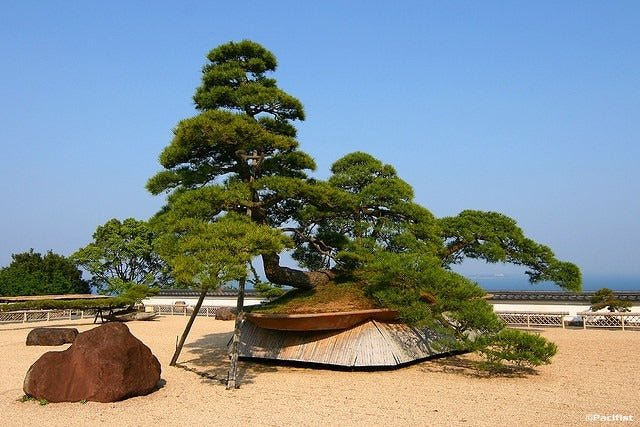
A central question for growers is where do bonsai trees grow better: indoors or outdoors? The short answer is species-dependent.
Indoor bonsai
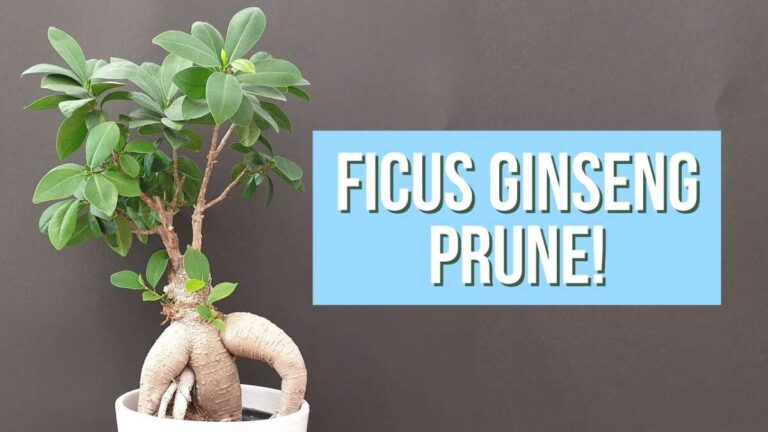
- Best for tropical and subtropical species like ficus, schefflera, and jade.
- Requires bright light, stable temperatures, and humidity support.
- Pros: Stable conditions, easier pest control.
- Cons: Light often limiting; artificial light may be needed.
Outdoor bonsai
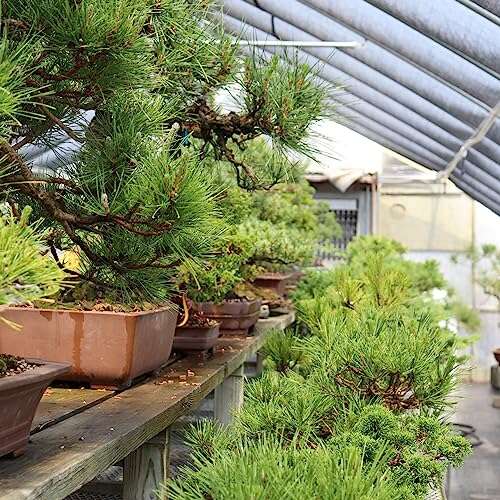
- Best for temperate and cold-hardy species like pines, maples, and elms.
- Needs seasonal changes and dormancy to remain healthy.
- Pros: Natural light and airflow; simpler watering cycles in many climates.
- Cons: Exposure to extremes requires protection in winter or heatwaves.
PAA-style quick questions
Can bonsai live indoors year-round?
Some can—mainly tropical species. Temperate bonsai usually need winter dormancy and fare poorly indoors year-round.
Do bonsai need direct sun?
Many bonsai prefer several hours of direct sun, but some species tolerate bright indirect light. Match light to the species’ native habit.
:strip_icc()/GettyImages-598322873-409b66c4895d492eb28fde9e752d98ad.jpg)
Climate, light, soil, and water: the essentials for where bonsai trees grow
Four elements decide where do bonsai trees grow: climate, light, soil, and water.
Climate and temperature
- Temperate species need a winter chill to reset growth cycles.
- Tropical species need warm temperatures year-round.
Light - Full-sun species need 4–8 hours of direct sun.
- Shade-tolerant species do well with filtered light or morning sun.
Soil and drainage - Bonsai mix should drain well while holding some moisture.
- Typical mixes combine inorganic particles (like akadama, pumice, or lava rock) with some organic matter.
Watering - Potted roots dry faster than ground roots. Watering frequency depends on weather, pot size, and soil mix.
- Let the soil surface dry slightly between deep waters for many species; tropicals often prefer more constant moisture.
Practical rule: Where do bonsai trees grow best is where you can maintain consistent light and moisture for the species you choose.

Choosing species for your location
Matching species to location answers the practical question where do bonsai trees grow for you. Here are reliable pairings.
Cold or temperate climates
- Japanese maple, Trident maple, various pines, and native elms.
- Tip: Choose species rated for your USDA hardiness zone.
Mild Mediterranean climates
- Olive, carmona, and some pines do well.
- Tip: Protect sensitive species from heavy frost.
Tropical and subtropical climates
- Ficus, bougainvillea, podocarpus, and some serissa.
- Tip: These can be kept outdoors year-round in warm zones.
Indoor-focused species
- Ficus, jade, schefflera, and some tropical azaleas.
- Tip: Provide supplemental grow lights in low-light homes.
Where do bonsai trees grow in cities and apartments? Choose small, shade-tolerant, or indoor-tolerant species, and use containers, lighting, and humidity trays to create a microclimate.

Common problems, limitations, and solutions
Understanding limits helps answer where do bonsai trees grow and where they struggle.
Common problems
- Overwatering or poor drainage causes root rot. Fix by repotting into a well-draining mix.
- Insufficient light leads to leggy growth. Move to brighter location or add grow lights.
- Wrong season placement—keeping temperate trees indoors in winter causes poor vigor. Let them experience dormancy.
- Heat stress in shallow pots. Provide shade and increase watering during heatwaves.
Simple fixes
- Match species to environment first.
- Use correct soil and pot size.
- Monitor and adjust watering daily in hot weather.
- Use frost cloth, greenhouse, or garage for winter protection when needed.
Where do bonsai trees grow without stress? In locations where these mistakes are anticipated and prevented.
Practical tips and personal experience
I learned early that asking where do bonsai trees grow is less useful than asking what does this species need from me. A few real-world lessons:
- When I moved a juniper bonsai indoors for winter, it weakened fast—lesson: outdoor junipers need cold dormancy.
- A ficus that thrived on my south porch struggled in a darker living room—lesson: light matters more than temperature for many indoor species.
- Repotting on schedule saved a maple that had become root-bound and drought-prone.
My best practical tips:
- Start with a species suited to your climate.
- Place trees where they get appropriate light and airflow.
- Keep a watering notebook for the first year to learn drying patterns.
- Use winter protection for borderline-hardy species; don’t fake dormancy for temperate trees.
Where do bonsai trees grow for a busy person? Choose hardy, low-maintenance species and locate them in spots that match their core needs.

Frequently Asked Questions of where do bonsai trees grow
Where do bonsai trees grow naturally?
Bonsai are trees grown in containers, so they don’t have a single natural location; their species’ wild counterparts determine natural habitats. Choose species native to climates similar to yours for best results.
Can any tree be made into a bonsai?
Almost any woody species can be trained as bonsai, but not all species thrive in small pots or in all climates. Practical success depends on matching the tree’s natural needs with your environment.
Do bonsai need full sun every day?
Some bonsai require full sun for several hours, while others prefer partial shade. Know your species’ light needs and adjust placement seasonally.
Are bonsai more difficult to grow than potted houseplants?
Bonsai require more attention to pruning, root care, and seasonal needs than typical houseplants, but choosing easy species makes them accessible. Good habits and simple tools reduce the learning curve.
Where should I keep my bonsai if I live in a cold zone?
Keep cold-hardy species outdoors through winter with proper mulch or protection, or move borderline species to an unheated garage for sheltered dormancy. Tropical bonsai should be brought indoors to a bright spot.
Conclusion
Where do bonsai trees grow? They grow wherever the species’ natural needs for light, temperature, water, and dormancy are met—whether that’s on a sunny balcony, a sheltered yard, or a bright windowsill. Start by matching species to your climate, use the right soil and watering habits, and learn from small mistakes. Take action today: pick one species suited to your location, set up a proper container and soil mix, and track light and watering for two months. If you enjoyed this guide, leave a comment about your climate and species choice or subscribe to get more practical bonsai tips.

Laura Bennett is a gardening writer at MyGardenLabs who creates beginner-friendly guides focused on solving common plant care and gardening problems.