Where Can I Buy Bonsai Pots: Best Places To Buy
You can buy bonsai pots from specialty nurseries, garden centers, online shops, craft stores, and bonsai clubs.
Knowing where can I buy bonsai pots is only the first step. The right pot must match your tree’s size, root system, style, drainage needs, and growing climate. This guide explains the best places to shop, how to compare materials and prices, and which details experienced growers check before buying.
Where Can I Buy Bonsai Pots Online?
Online stores offer the widest range of bonsai pots. You can find small starter pots, handmade ceramic containers, shallow training pots, mica pots, and large display pots in many shapes and colors.
When shopping online, look for sellers that provide clear measurements. A listing should show the outside length, width, height, drainage hole size, and sometimes the inside planting area.
The best online places to buy bonsai pots include:
• Bonsai specialty retailers: These stores usually offer pots designed for drainage, root health, and traditional bonsai styles.
• Online garden stores: Large garden websites often sell affordable training pots and basic ceramic containers.
• Marketplace websites: These can offer unique handmade pots, but seller quality and measurements may vary.
• Pottery studios: Independent artists often make one-of-a-kind bonsai containers with attractive glazes and natural textures.
• Bonsai club websites: Local clubs sometimes sell used, donated, or member-made pots at reasonable prices.
Before ordering, check the return policy. A pot can look perfect in a photo but feel too deep, too heavy, or too small when it arrives.

Where Can I Buy Bonsai Pots Locally?
Local stores are useful because you can inspect the pot before paying. You can check its weight, glaze, drainage holes, cracks, and overall shape with your own hands.
Good local options include:
• Independent nurseries: Small nurseries may carry bonsai pots, especially if they sell Japanese maples, junipers, ficus, or other bonsai plants.
• Garden centers: These stores often stock basic ceramic or plastic pots. Their selection may be limited, but prices are usually easy to compare.
• Bonsai nurseries: A bonsai nursery can help match a pot to your tree. Staff may also advise you about soil, wiring, drainage, and repotting.
• Home improvement stores: These stores may have shallow planters that work for beginner trees, although they may not have classic bonsai designs.
• Art fairs and pottery markets: Local ceramic artists sometimes make excellent bonsai pots with strong drainage and original designs.
• Bonsai exhibitions: Shows often include vendors who sell pots, tools, soil, wire, and trees in one place.
If you ask, “Where can I buy bonsai pots near me?” start with a bonsai nursery or club. These sources often provide better advice than a general store.

Where Can I Buy Bonsai Pots at a Bonsai Nursery?
A bonsai nursery is often the safest choice for a valuable or mature tree. The staff usually understands how pot shape affects root growth, water flow, and visual balance.
A nursery can help you choose a pot based on:
• Tree species
• Trunk thickness
• Canopy width
• Root spread
• Tree height
• Seasonal care needs
• Bonsai style
For example, a powerful pine may suit a deep, unglazed pot with an earthy color. A flowering quince may look better in a glazed pot that supports the color of its flowers.
A nursery may also sell training pots. These are often less decorative than display pots, but they give roots room to develop. Many growers use a training pot for several years before moving a tree into a refined show pot.
The main limitation is price. Specialty nurseries may charge more than general garden stores because their pots are selected for bonsai use and may be handmade or imported.

How to Choose the Right Bonsai Pot
Finding where can I buy bonsai pots is not enough if you do not know what to buy. A good bonsai pot supports tree health and helps the tree look balanced.
Use these basic checks before purchasing:
Measure the tree
The pot should suit the tree’s size. A common guideline is to choose a pot with a length close to two-thirds of the tree’s height for a taller tree. For a wide or mature tree, the pot may be close to two-thirds of the tree’s width.
These are guidelines, not strict rules. A formal upright tree, cascade, or large-rooted species may need a different size.
Check the depth
Pot depth depends on the trunk, roots, species, and style. A shallow pot works well for many mature bonsai trees, but a newly collected tree or a tree with weak roots may need more depth.
A pot that is too shallow can dry out quickly. A pot that is too deep can hold excess moisture and make the tree look visually heavy.
Inspect drainage holes
A bonsai pot should have at least one large drainage hole. Many quality pots also have smaller holes for securing the tree with wire.
Look for:
• Open drainage holes
• No blocked glaze inside the holes
• One or more tie-down holes
• A level base
• A rim that is not cracked
Good drainage does not replace good watering habits, but it gives excess water a clear path out of the pot.
Consider the color
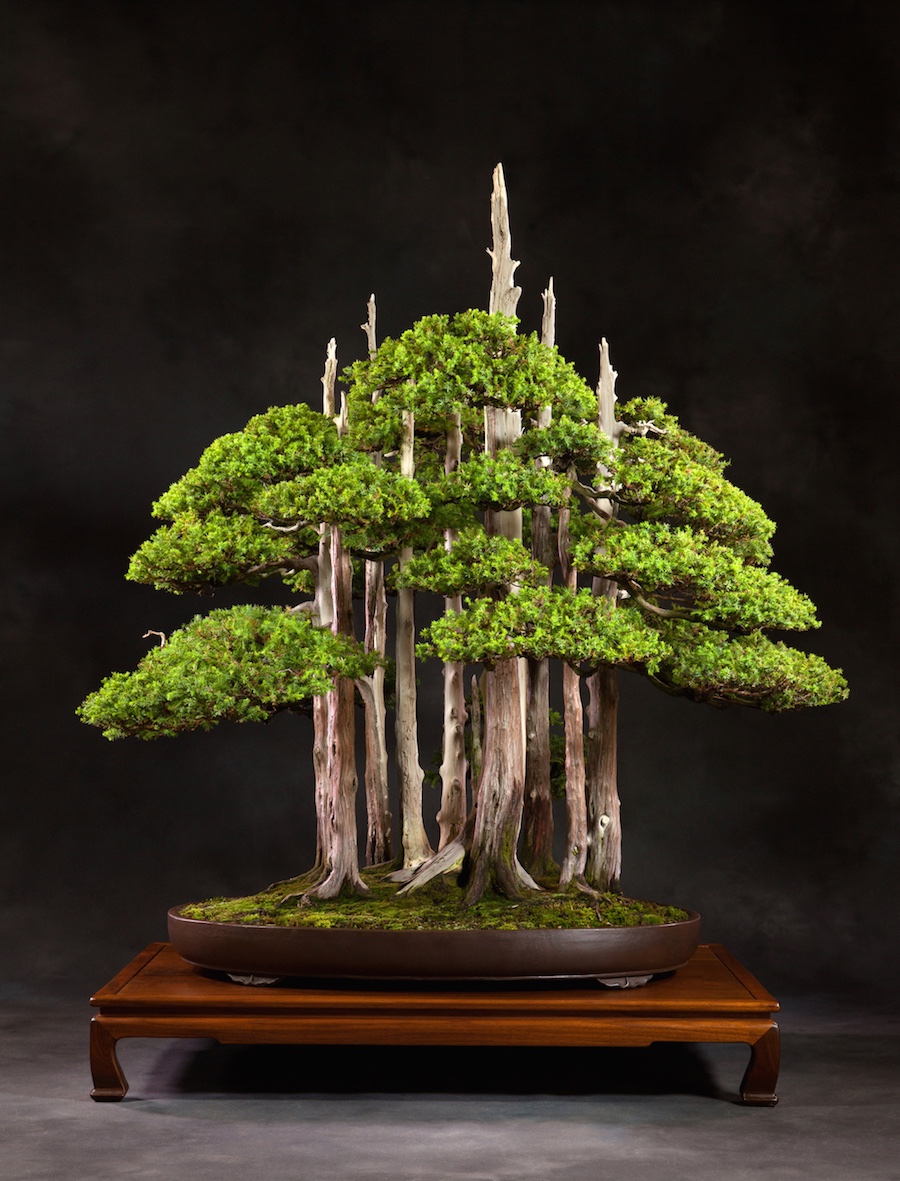
Glazed pots can highlight flowers, fruit, or bright foliage. Unglazed brown, gray, or reddish pots often suit conifers and trees with rugged bark.
The pot should support the tree rather than compete with it. Think of the container as a frame around a painting.
Bonsai Pot Materials: Which One Is Best?
The material affects weight, durability, temperature, and price. When deciding where can I buy bonsai pots, consider how and where you grow your tree.
Ceramic bonsai pots
Ceramic pots are popular for finished trees. They come in many shapes, glazes, and colors. High-quality ceramic pots are attractive and stable, but they can be expensive and may break during freezing weather.
Mica bonsai pots
Mica pots are made from a durable blend that often includes stone and plastic materials. They are lighter than many ceramic pots and resist cracking. Mica pots are common for training trees because they balance cost, strength, and drainage.
Plastic bonsai pots
Plastic pots are lightweight and affordable. They work well for seedlings, cuttings, young trees, and early training stages.
Their main weakness is appearance. They may not provide the visual finish needed for a mature display tree.
Concrete and stone pots
Stone and concrete containers are heavy and stable. They can suit large outdoor bonsai, but they are difficult to move and may hold heat in strong sun.
Wooden containers
Wooden boxes are sometimes used for collected trees or trees that need extra root space. They can work well, but untreated wood may decay over time. Drainage and ventilation are especially important.
How Much Do Bonsai Pots Cost?
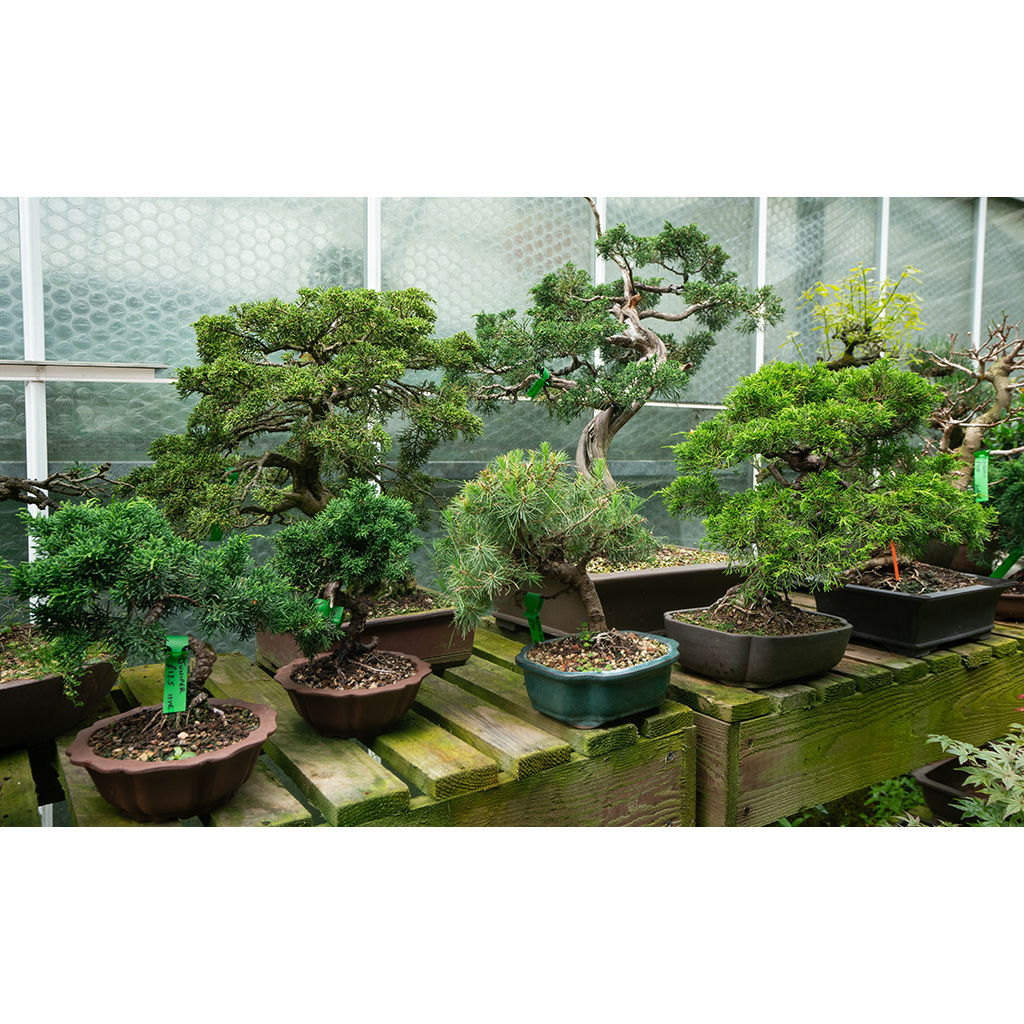
The price depends on size, material, craftsmanship, age, and origin. Basic plastic pots may cost only a few dollars. Small ceramic pots often cost between $10 and $40, while handmade or antique containers can cost much more.
A general price guide looks like this:
• Basic plastic training pot: $3 to $15
• Mica training pot: $10 to $50
• Small mass-produced ceramic pot: $10 to $40
• Handmade ceramic pot: $40 to $200 or more
• Large display pot: $100 to several hundred dollars
• Antique or collectible pot: Highly variable
Shipping can change the final cost. Ceramic pots are heavy and fragile, so delivery fees may be high. If you are comparing where can I buy bonsai pots, compare the total cost rather than the listed price alone.
For a young tree, spend more on healthy soil, proper tools, and a suitable training container before buying an expensive display pot.
What Size Bonsai Pot Should You Buy?
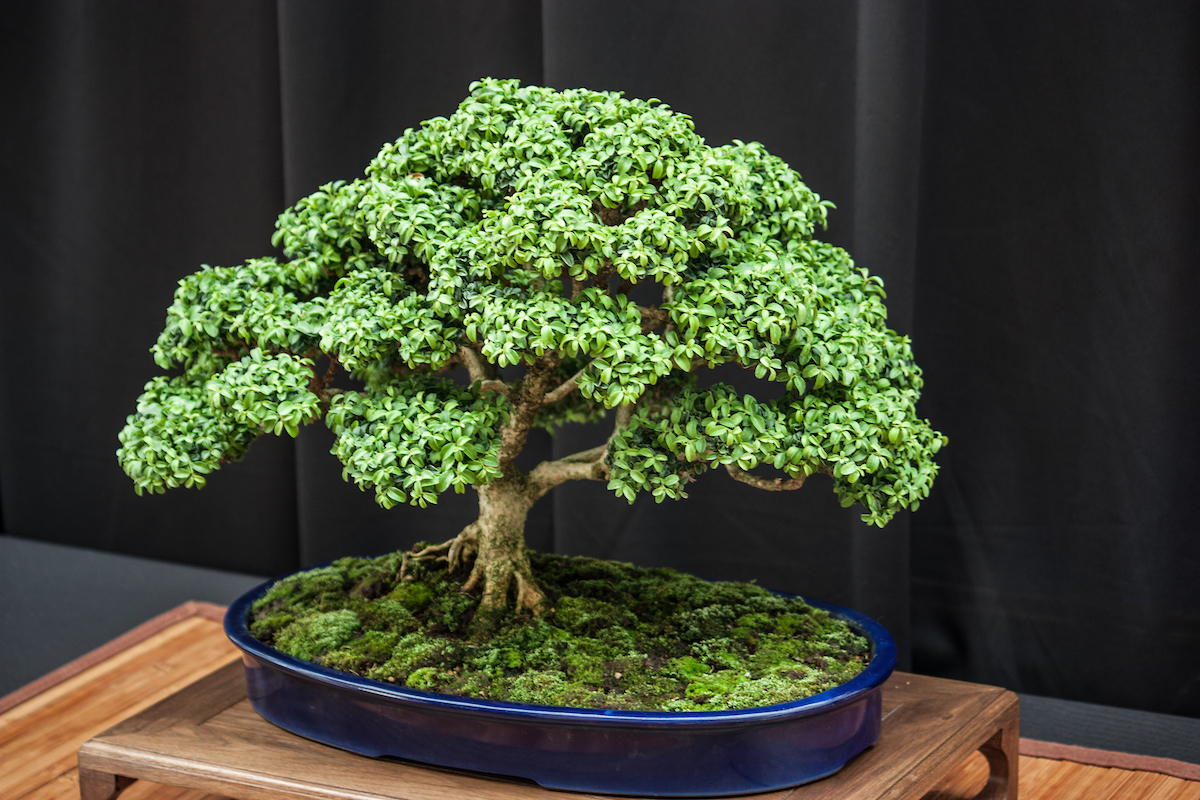
The correct size depends on the tree, not just the trunk. Measure the root ball and inspect how quickly the soil dries after watering.
A practical starting point is:
-
Measure the tree’s height and canopy width.
-
Check the width of the root mass.
-
Choose a pot slightly larger than the root ball.
-
Leave enough room for fresh bonsai soil around the roots.
-
Confirm that the pot has enough drainage and tie-down holes.
Do not move a tree into a much larger pot simply because it looks attractive. Extra soil can stay wet for too long. Wet soil reduces air around the roots and may lead to root problems.
A slightly smaller pot can often work after careful root pruning. However, root pruning should match the tree species, season, health, and local climate.

Training Pots vs. Display Pots
Training pots help a tree grow. Display pots help a finished tree look refined.
Training pots are usually:
• Less expensive
• Deeper or wider
• Made from plastic, mica, or plain ceramic
• Easy to move
• Designed for root development
Display pots are usually:
• More refined in shape
• Carefully glazed or unglazed
• Matched to the tree’s style
• More expensive
• Used after the tree has reached a stable stage
A common mistake is placing a young bonsai into a small display pot too soon. This can slow growth and make watering harder. Grow the tree in a suitable training container first, then choose a display pot when the trunk, branches, and roots are more developed.
Common Mistakes When Buying Bonsai Pots
Even experienced growers sometimes buy the wrong pot. Knowing the common problems can save money and protect your tree.
Buying by appearance alone
A beautiful pot may have poor drainage or the wrong depth. Always inspect the technical details before focusing on color and design.
Ignoring the climate
A shallow pot may dry very fast in hot, dry regions. In cold areas, glazed ceramic pots may crack if wet soil freezes inside them.
Choosing a pot that is too large
A large pot holds more soil and moisture. This can be risky for species that need fast drainage.
Forgetting tie-down holes
Trees can shift in wind or during watering. Tie-down holes make it easier to secure the root ball and protect delicate roots.
Not checking for damage
Small cracks can grow during freezing weather or when the pot is moved. Run your fingers around the rim and inspect the base before buying.
Using a regular flowerpot without adjustments
A regular pot may work temporarily, but it often lacks the shallow shape and strong drainage needed for bonsai. If you use one, confirm that water drains freely and that the pot suits the root system.
How to Buy Bonsai Pots Online Safely
Online shopping is convenient, but you need to read the listing closely. Product photos may make a pot look larger or smaller than it really is.
Use this checklist:
• Confirm the measurements in inches.
• Compare the measurements with your current pot.
• Check the drainage hole size.
• Read reviews about cracks and shipping damage.
• Look for photos from several angles.
• Ask whether the pot is frost-resistant.
• Confirm the return and replacement policy.
• Check whether the pot includes mesh, feet, or accessories.
When possible, buy from a seller that specializes in bonsai supplies. Specialty sellers are more likely to label pots accurately and pack fragile items well.
If a ceramic pot arrives damaged, take photos before removing the packaging. Contact the seller promptly and keep the shipping box until the issue is resolved.
Tips for Buying Used or Handmade Bonsai Pots
Used pots can offer excellent value. They may also have small flaws, mineral marks, or signs of age that add character.
Before buying a used pot, check:
• Cracks around the feet
• Repairs along the rim
• Uneven drainage holes
• Sharp edges
• Salt buildup
• Hidden damage beneath the soil line
Handmade pots vary in size and shape. That variation is part of their appeal, but it means you should measure carefully.
A handmade pot does not need to be perfect. It needs to be safe, stable, well-drained, and visually suitable for the tree. In bonsai, small imperfections can sometimes make a container feel more natural and personal.
Where Can I Buy Bonsai Pots for Different Tree Types?
Different bonsai trees may suit different pot features. The tree’s growth pattern and care needs should guide your choice.
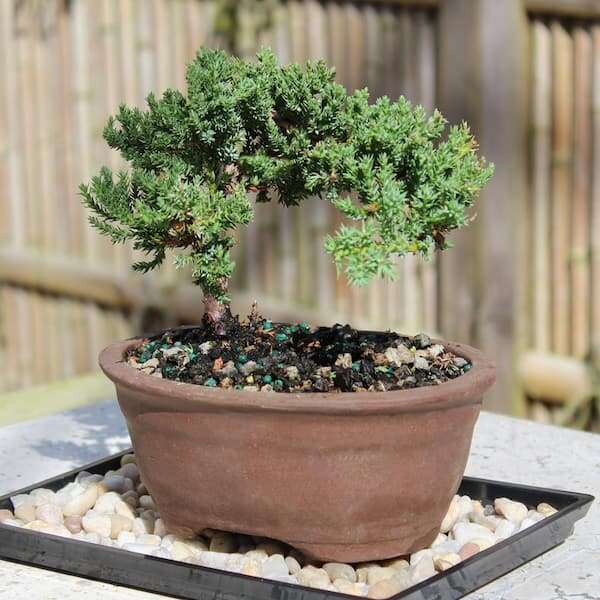
• Juniper bonsai: Unglazed, earthy pots often suit the rugged look of junipers.
• Pine bonsai: Deep, stable pots with natural colors can support strong trunks and heavy branches.
• Maple bonsai: Glazed pots may complement seasonal color and delicate leaves.
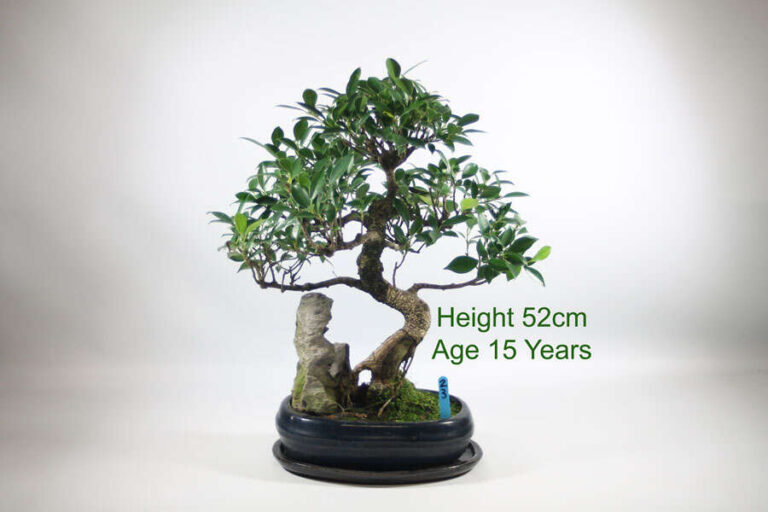
• Ficus bonsai: A durable ceramic, mica, or plastic pot with strong drainage often works well indoors or in warm climates.
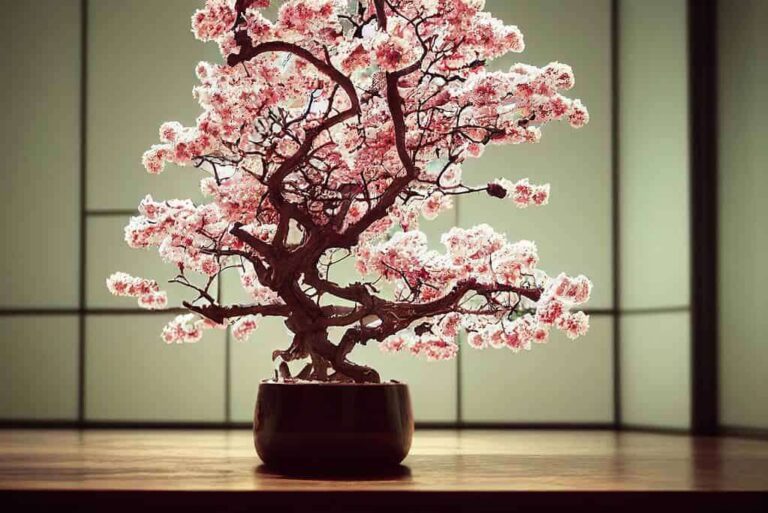
• Flowering bonsai: Glazed colors can support the flowers, but avoid a pot that distracts from the bloom.
• Cascade bonsai: Cascade styles may need a tall pot that gives the trunk room to descend below the rim.
• Large collected trees: Strong wooden boxes, mica pots, or large ceramic containers may be better during development.
These are broad suggestions. The best choice still depends on the individual tree, root mass, trunk shape, and display goal.
Frequently Asked Questions About Where Can I Buy Bonsai Pots
Where can I buy bonsai pots near me?
You can buy bonsai pots at bonsai nurseries, garden centers, independent plant shops, pottery studios, and local bonsai club events. A specialty nursery is often the best place for advice and a suitable pot size.
Can I buy bonsai pots at a regular garden center?
Yes, many garden centers sell shallow ceramic, plastic, or mica pots. Check the drainage holes and depth because some containers labeled for bonsai may be decorative rather than suitable for long-term tree health.
What is the best place to buy bonsai pots online?
A bonsai specialty retailer is usually the best online option because listings tend to include useful measurements and bonsai-specific details. Handmade pottery marketplaces can also be good, but always review seller ratings and shipping policies.
How much should I spend on a bonsai pot?
A basic training pot may cost $3 to $15, while ceramic and handmade pots can cost $10 to several hundred dollars. Spend according to the tree’s stage, and do not buy an expensive display pot for a young tree that still needs active growth.
Can I use a regular plant pot for bonsai?
You can use a regular plant pot for short-term growing if it has reliable drainage and suits the root ball. However, a shallow bonsai pot usually provides better root control and a more balanced appearance.
Should bonsai pots have drainage holes?
Yes. Bonsai pots need drainage holes to remove excess water and allow air into the soil. Tie-down holes are also useful because they help keep the tree stable after repotting.
Are glazed or unglazed bonsai pots better?
Neither is always better. Glazed pots often suit flowering or deciduous trees, while unglazed pots commonly complement conifers and rugged bark, but tree style and personal taste also matter.
Conclusion
The best answer to where can I buy bonsai pots depends on your tree, budget, location, and growing stage. Bonsai nurseries provide expert help, local stores let you inspect pots in person, and online retailers offer the largest selection.
Before buying, confirm the pot’s size, depth, drainage, material, stability, and climate suitability. Start with a practical training pot for a young tree, then choose a refined display container as the bonsai develops.
Measure your tree, compare trusted sellers, and choose a pot that supports both health and beauty. Explore local bonsai clubs or specialty shops, and share your pot-buying experience with other growers.

Laura Bennett is a gardening writer at MyGardenLabs who creates beginner-friendly guides focused on solving common plant care and gardening problems.