How To Start Gardening On A Budget: Frugal Guide 2026
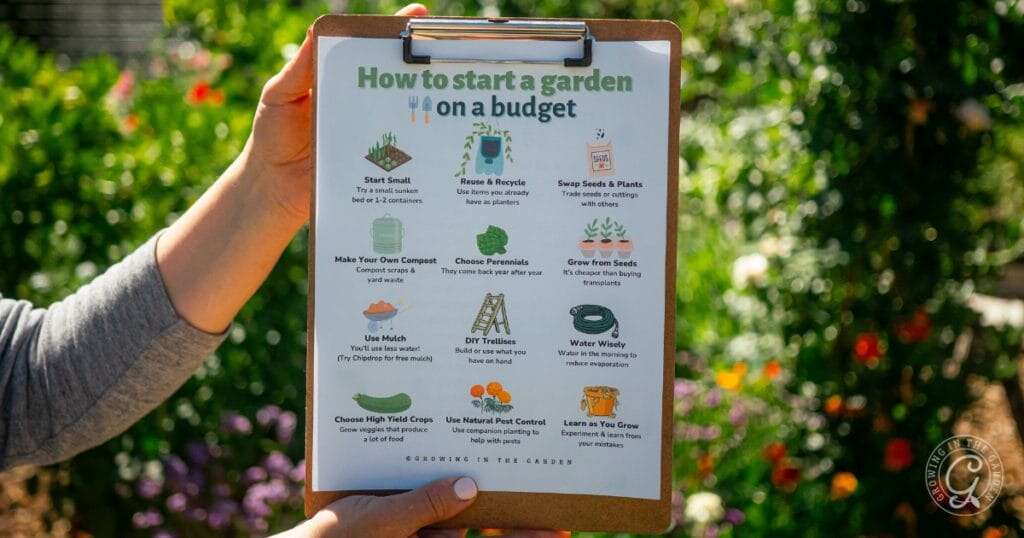
Start small, use free materials, grow easy crops, and compost for savings.
You can learn how to start gardening on a budget with simple steps, smart buys, and a little patience. I have helped many first-time growers turn small spaces into food-filled plots without big costs. In this guide, I show you how to start gardening on a budget with real numbers, proven methods, and lessons I learned the hard way.

Set your goal and plan your space
Know your why. Do you want fresh salads, herbs, or flowers? Pick one or two clear goals. This keeps costs low and builds quick wins.
Start with your limits. Note your sun, time, and money. Check your USDA hardiness zone. Look for at least six hours of sun for most crops.
Make a tiny plan on paper. Draw beds or pots. Add a short list of crops. This is how to start gardening on a budget without stress.
- Pick 3 easy plants to begin: lettuce, basil, and bush beans.
- Choose a small area: one 4×4 bed or four 5-gallon buckets.
- Set a weekly slot: two short sessions, 30 minutes each.

Pick the best spot and start small
Sun matters most. Veggies love full sun. Watch your yard or balcony at different times. Pick the sunniest spot with easy water access.
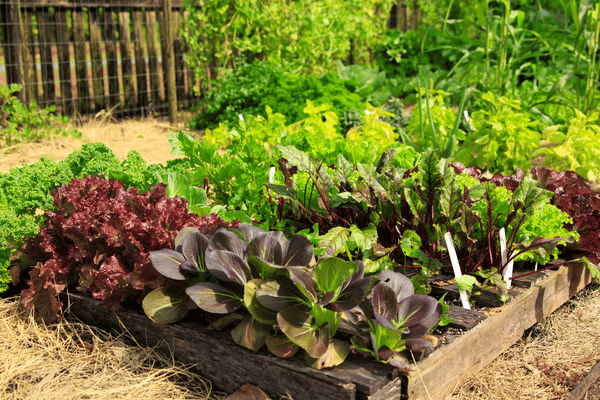
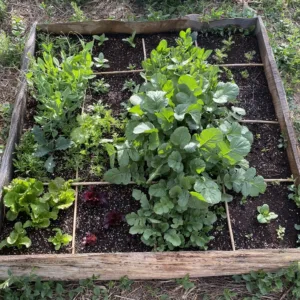
Size matters too. A tiny plot grows skills fast. A 4×4 raised bed can feed salads for months. Containers work great in small spaces.
If soil is poor, grow in containers or use a simple raised bed. This fits how to start gardening on a budget because you avoid pricey soil fixes at the start.
- Use food-safe buckets for tomatoes, peppers, or herbs.
- Put heavy pots on plant caddies for easy moves.
- Group pots to keep water use low.

Save on tools and supplies
You do not need fancy gear. I grew my first season with a hand trowel, a cheap hose, and free mulch. Ask friends or neighbors before you buy.
What you need
- Hand trowel: for planting and small digs.
- Pruners: for herbs and pruning.
- Watering can or hose: for daily care.
- Gloves: to protect your hands.
Smart ways to save
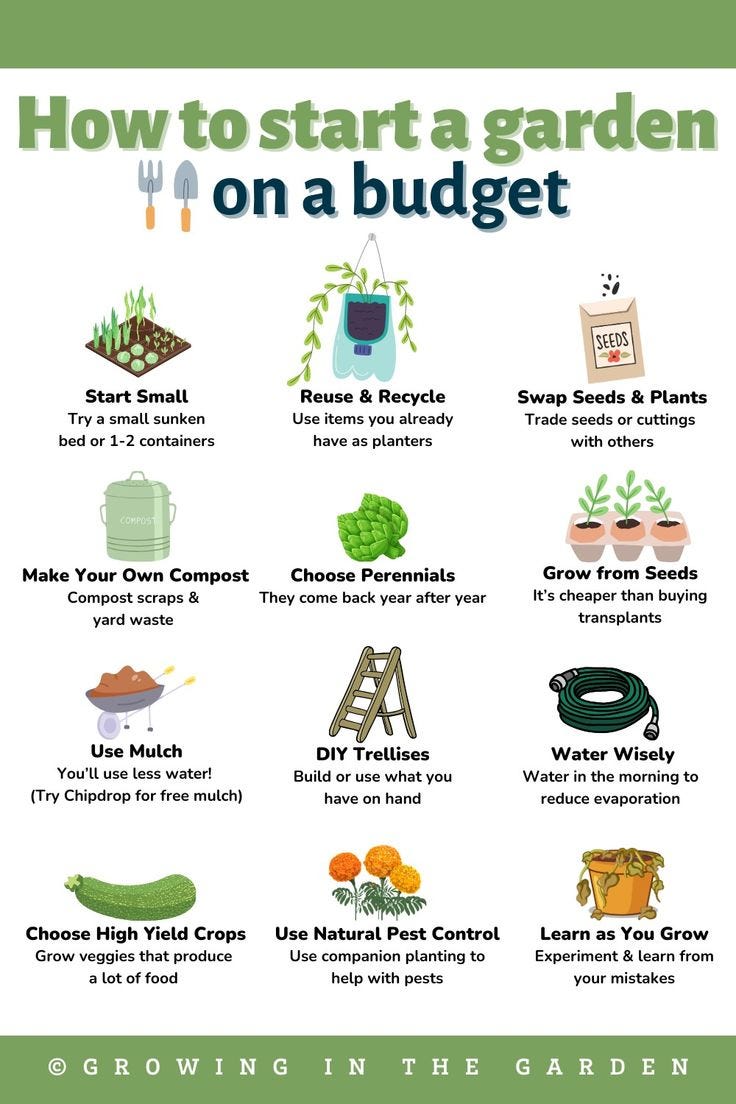
- Borrow, swap, or thrift: check local swap groups and yard sales.
- Repurpose: food-grade buckets, storage bins, and old drawers make planters.
- Free mulch: many towns offer free wood chips or leaf mulch.
- DIY drip: poke a few holes in plastic bottles and bury near roots.
- Use a kneeling pad: a folded towel works fine.
Small budget example for year one
- Trowel and pruners: 12 to 18 dollars total.
- Seeds: 5 to 10 dollars for several packs.
- Buckets and soil: 20 to 30 dollars if thrifting and mixing.
- Mulch: free or a few dollars.
This is how to start gardening on a budget without waste. Buy only what helps you plant now.
Soil health on a shoestring
Healthy soil is the best place to invest. It boosts yield and cuts future costs. Good soil holds water and feeds roots.
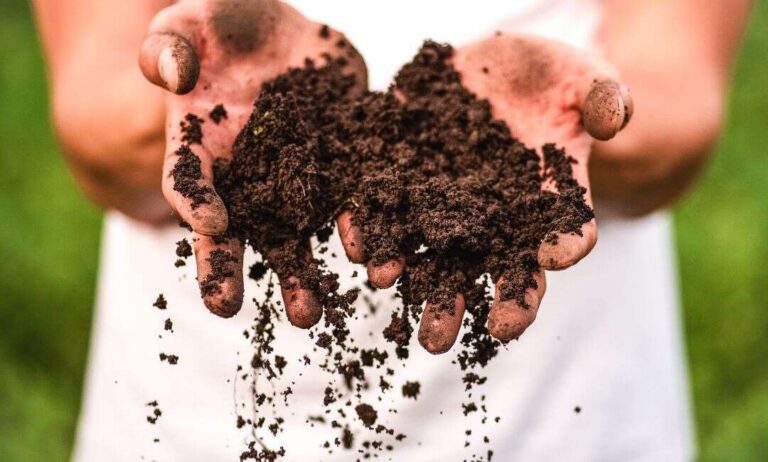
Build soil with free or cheap inputs. Start a simple compost bin with kitchen scraps and dry leaves. Layer cardboard, leaves, and compost to make a new bed. This is called sheet mulching or lasagna gardening.
Test your soil when you can. Basic kits are cheap. State extension tests give better data for a small fee. Many show you how to fix pH and nutrients with clear steps.
Low-cost soil upgrades
- Compost: make your own or buy a small bag to kickstart life.
- Mulch: leaves, straw, or wood chips hold water and stop weeds.
- Worm castings: a small amount improves seedling growth.
- Avoid over-fertilizing: follow label rates to save money.
This approach fits how to start gardening on a budget because it pays off every season.

Seeds, seedlings, and propagation for less
Seeds are the cheapest way to grow. You can grow a bed of lettuce from one pack. Protect seedlings from cold and wind for best results.
Where to get low-cost seeds
- Seed libraries: many towns let you “borrow” seeds for free.
- Community swaps: trade extras with neighbors.
- End-of-season sales: buy for next year and store cool and dry.
Propagate to multiply plants
- Root cuttings from mint, basil, or rosemary in water.
- Divide perennials like chives and oregano.
- Save seeds from open-pollinated plants you love.
Keep records to track wins. I once grew 20 basil plants from one pack by taking cuttings. That is how to start gardening on a budget and still eat like a chef.

Watering the smart, cheap way
Water is a major cost in dry months. Mulch is the number one saver. It cuts evaporation and keeps soil cool.
Water deep and less often. Check soil with your finger. If the top inch is dry, water. Morning watering lowers disease risk.
Use simple tools to save
- Drip from bottles: slow, steady water to the roots.
- Rain barrels: catch roof runoff if allowed in your area.
- Group plants by thirst: put high-need crops together.
Smart watering is key to how to start gardening on a budget. It helps plants thrive and cuts bills.
Pest, disease, and weeds without pricey chemicals
Prevention costs less than cure. Healthy plants resist problems. Clean tools and spacing help air flow and reduce disease.
Use low-cost controls first
- Physical barriers: netting, row covers, and collars stop pests.
- Hand pick: remove beetles and caterpillars early.
- Soapy water: a mild soap spray helps with aphids.
- Traps: simple beer traps for slugs in problem spots.
Weeds steal food and water. Mulch and regular pulls are great. This simple routine aligns with how to start gardening on a budget and keeps harvests clean.
Seasonal strategy and crop choices that pay back
Pick crops with a big return. Herbs, salad greens, cherry tomatoes, peppers, zucchini, and pole beans give great value. Grow what you actually eat.
Plant by season. Cool-season crops include lettuce, peas, and radishes. Warm-season crops include tomatoes and peppers. Stagger plantings for steady harvests.
Mix quick and slow crops. Radishes with carrots in the same row is a classic trick. You gain speed and use space well. That is smart for how to start gardening on a budget.
High-value picks by space
- Small spaces: herbs, lettuce, radishes, dwarf tomatoes.
- Larger beds: tomatoes, peppers, beans, cucumbers.
- Perennials: strawberries, rhubarb, asparagus, raspberries.
Example budget and 90-day action plan
You can start strong with a small budget. Here is a sample plan. Adjust for your area and prices.
Starter budget under 75 dollars
- Four buckets or a 4×4 bed: 20 to 30 dollars.
- Potting mix and compost: 25 to 30 dollars.
- Seeds for lettuce, basil, beans, tomatoes: 10 to 12 dollars.
- Simple tools: 12 to 18 dollars.
- Mulch: free or a few dollars.
90-day plan for new growers
- Week 1 to 2: Pick spot, gather free stuff, set containers or bed. Plant lettuce, herbs, and beans.
- Week 3 to 6: Mulch, water on schedule, add a tomato start, begin compost bin.
- Week 7 to 10: Harvest greens, start a second round of lettuce, take basil cuttings.
- Week 11 to 13: Stake tomatoes, top up mulch, note wins and fails, plan next round.
This clear, short plan shows how to start gardening on a budget and build momentum.
Mistakes to avoid and quick troubleshooting
I have made every beginner mistake at least once. Learn from mine and save money.
Common budget busters
- Starting too big: more plants mean more costs and more stress.
- Overwatering: it wastes water and invites disease.
- Skipping mulch: weeds explode and soil dries fast.
- Random buying: make a list, then shop.
Quick fixes that work
- Yellow leaves: check watering and add light compost.
- Leggy seedlings: give more light and less heat.
- Slow growth: test soil, then add compost or adjust pH.
- Pest spikes: use covers and remove damaged leaves early.
These steady habits are the heart of how to start gardening on a budget that lasts.
Frequently Asked Questions
How much money do I need to start?
You can start with 30 to 75 dollars using containers and seeds. Focus on soil, mulch, and a few good tools first.
What are the easiest crops for beginners?
Lettuce, basil, radishes, bush beans, and cherry tomatoes are very forgiving. They grow fast and give confidence.
Can I garden on a balcony or patio?
Yes. Use buckets, fabric grow bags, or window boxes. Pick compact or dwarf plants that thrive in pots.
How do I keep costs low over time?
Make compost, save seeds, and divide perennials. Buy once, care well, and reuse materials.
How often should I water?
Check soil with your finger daily in hot weather. Water when the top inch is dry, usually every one to three days.
Conclusion
You now know how to start gardening on a budget with clear steps, low-cost tools, and smart crop choices. Start small, build soil, mulch well, and water with care. Track what works, and your garden will pay you back in food and joy.
Pick one spot, buy a few seeds, and plant this week. Share your first harvest story or questions below. Subscribe for more simple, proven tips and seasonal checklists.

Laura Bennett is a gardening writer at MyGardenLabs who creates beginner-friendly guides focused on solving common plant care and gardening problems.