Where To Find Bonsai Trees: Top Local & Online Sources
You can find bonsai trees at local nurseries, bonsai clubs, online shops, and plant fairs.
I have spent years buying, rescuing, and growing bonsai. I will guide you to the best places to find bonsai trees and show you how to pick a healthy one. This guide blends hands-on experience, clear tips, and trusted buying options so you can find the right bonsai tree with confidence. Read on for practical steps, real-world advice, and simple checks that work every time.
Why it helps to know where to find bonsai trees
Many beginners do not know where to find bonsai trees. Knowing the right places saves time and money. It also helps you get a healthy tree that fits your skill. I will explain trusted sources. You will learn how to avoid common mistakes when searching for a bonsai tree.

Best local places to find bonsai trees
Local options let you inspect trees in person. Here are the most reliable spots to look.
- Local nurseries and garden centers: Many stock young bonsai or pre-bonsai material. Ask staff about species and care.
- Specialty bonsai shops: These focus on bonsai. They often train and style trees for sale.
- Bonsai clubs and societies: Members often sell or trade trees. Clubs also host sales and shows.
- Botanical gardens and plant shows: Sales at shows often include high-quality trees and expert advice.
- Farmers markets and craft fairs: Smaller sellers sometimes bring well-cared-for bonsai.
- Hardware stores and big-box garden centers: These can have starter bonsai. Check them for pests and root health.
- Local plant rescues or adoptions: Some community groups rehome plants, including bonsai. This is often budget-friendly.
Visiting in person is the best way to judge a tree’s health. Ask questions and look closely before buying.

Online sources to find bonsai trees
Online shopping widens your options. It also offers rare species and expert sellers.
- Specialized online bonsai nurseries: These ship trained trees and give care guides.
- Large marketplaces: Many sellers list bonsai. Read reviews and seller ratings.
- Bonsai forums and social media groups: Members sell or trade trees. You can see user photos and histories.
- Auction sites: Good for collectors seeking older or rare trees. Expect higher prices and shipping risks.
- International suppliers: They offer exotic species. Check import rules and quarantine requirements.
When you buy online, request clear photos and ask about shipping methods. Protect your purchase with a clear return or refund policy.

How to choose a healthy bonsai when you find one
A few simple checks tell you a lot about tree health.
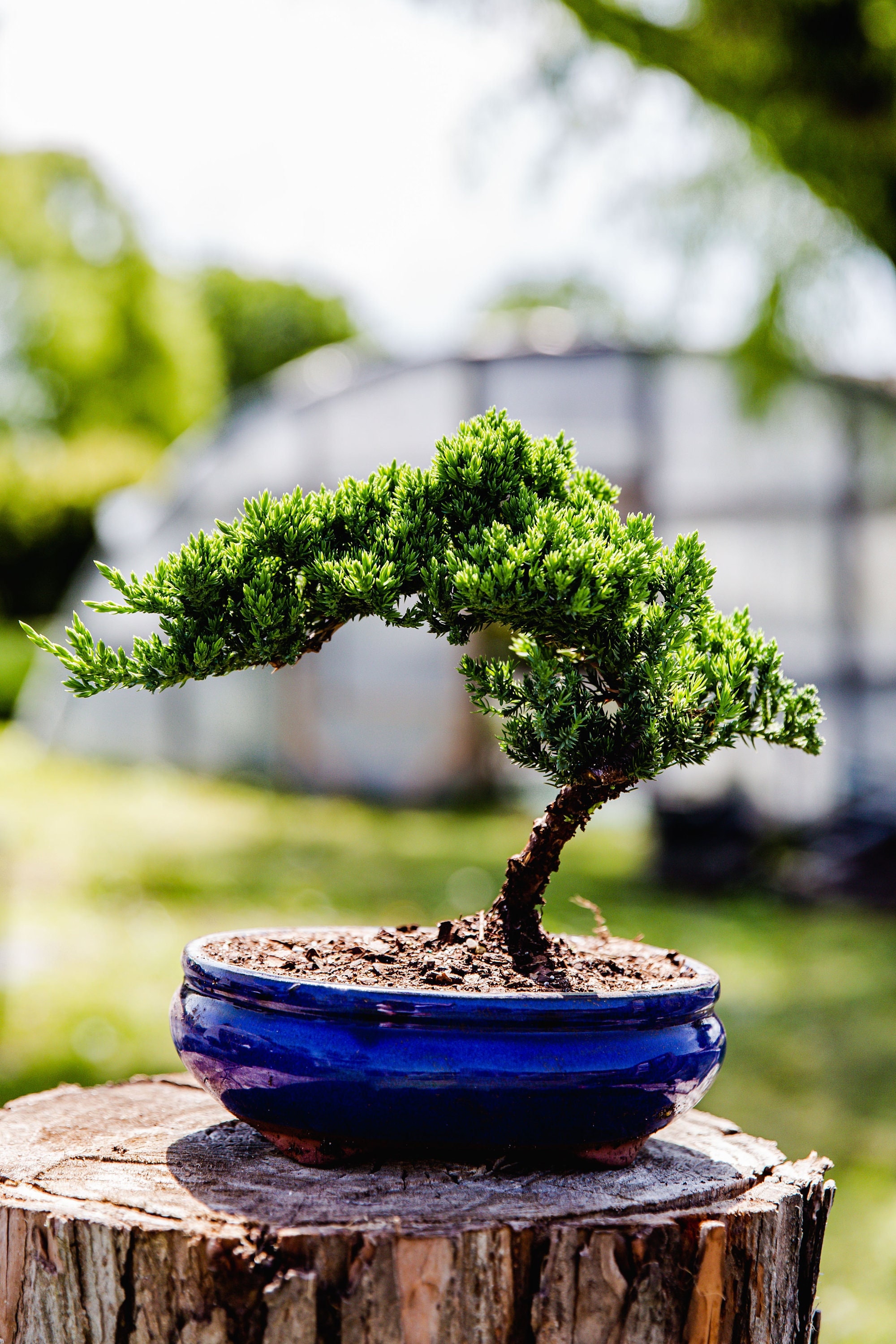
- Foliage and buds: Leaves should look fresh and even. Buds should feel firm.
- Trunk and bark: A strong trunk and natural bark textures show age and care.
- Roots and soil: Look for compact roots but avoid root-bound trees with circling roots.
- Pests and disease: Check for spots, webbing, or sticky residue.
- Wiring and styling: Wires should not dig into bark. Styling should be neat, not harsh.
- Species fit: Match the tree species to your climate and light conditions.
Ask the seller about the tree’s history. Knowing watering and feeding routines helps you avoid shock.
Tips for buying vs adopting or collecting wild bonsai
Each route has pros and cons. Choose what fits your skills and ethics.
- Buying from a shop: Offers guarantees and support. Prices vary with quality.
- Adopting from a club or rescue: Often cheaper and eco-friendly. Trees may need more work.
- Collecting from the wild: Legal and ecological issues make this risky. You need permits and deep experience.
- Buying pre-styled trees: Good for decor. May limit learning how to shape a bonsai.
- Buying raw material or pre-bonsai: Great for learning. Expect years of work to develop them.
Respect laws and conservation. Wild collecting can harm ecosystems and may be illegal.
:strip_icc()/GettyImages-598322873-409b66c4895d492eb28fde9e752d98ad.jpg)
Caring for your bonsai after purchase — quick starter checklist
Caring well prevents common failures. Use this short checklist after you find a bonsai tree.
- Quarantine: Keep new trees separate for two weeks to watch for pests.
- Inspect and clean: Remove dead leaves and check soil condition.
- Water carefully: Water when soil is slightly dry. Avoid overwatering.
- Light and placement: Match the species’ light needs. Some like full sun. Some need indoor brightness.
- Repot timing: Repot young trees every 1–3 years. Older trees less often.
- Learn pruning basics: Trim to keep shape and health.
Small, steady care leads to big rewards. Start easy and learn as the tree grows.

Price ranges and what to expect
Prices vary by species, age, and styling.
- Budget starter bonsai: Often 15 to 50 dollars. Good for beginners.
- Mid-range trained bonsai: Typically 100 to 500 dollars. These have styling and care history.
- Collector and aged bonsai: Can cost thousands. These are often worked for decades.
- Rare species and imported trees: Higher prices plus shipping and import fees.
Don’t judge value by price alone. A low-cost healthy tree can be a better buy than an expensive sick one.
Personal experiences and lessons learned
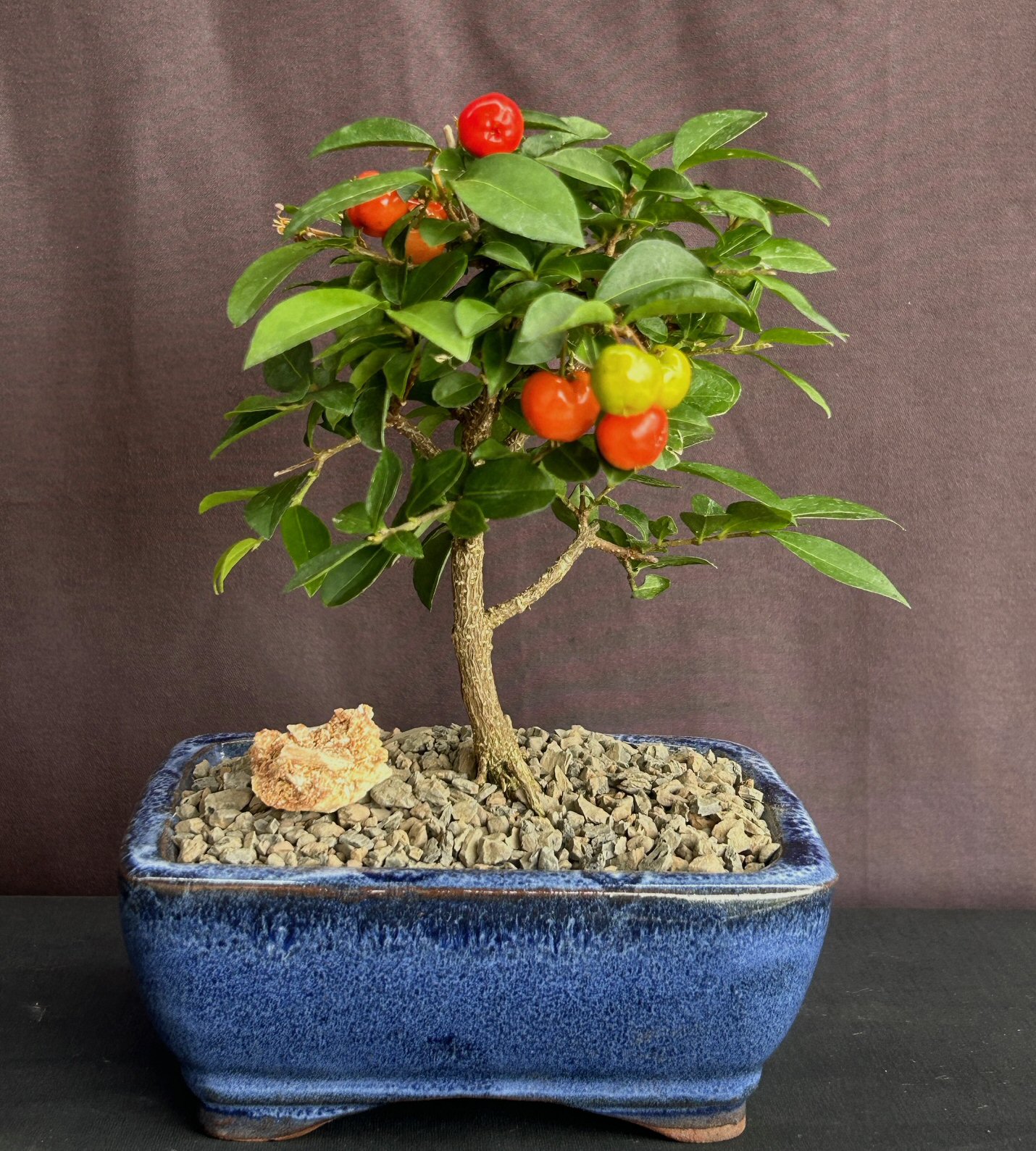
I have bought bonsai from many sources. I lost a young indoor bonsai to overwatering. I saved a neglected tree from a club sale and trained it for five years. Those experiences taught me clear lessons.
- Buy from sellers who answer questions.
- Ask for recent care notes.
- Start with hardy species if you are new.
- Quarantine new arrivals to avoid spreading pests.
Trust your eyes and instincts. A seller’s knowledge often matters as much as the tree itself.
:max_bytes(150000):strip_icc()/ML_Grow_Bonsai-8-2000-54d3d1a7424b4359b44e52383f40b834.jpg)
Quick questions about where to find bonsai trees
What is the easiest place to start? Local nurseries and bonsai clubs are best for beginners. You can see the tree and get tips.
Can I buy a bonsai online safely? Yes, if you buy from reputable sellers who provide photos and return policies.
How soon can I repot a bought bonsai? Wait until you assess root health. Many experts repot in spring after purchase unless urgent.
Frequently Asked Questions of where to find bonsai trees
Where can I find affordable bonsai trees?
Look at local nurseries, plant rescues, and club sales. These places often have starter trees at low prices.
Are bonsai available at big-box stores?
Yes, many large garden centers sell starter bonsai. Inspect them carefully for pests and root issues before buying.
Can I find rare bonsai trees online?
Yes, specialty online nurseries and auction sites list rare species. Be mindful of import rules and shipping risks.
Is it legal to collect wild trees for bonsai?
In many places it is restricted or illegal without permits. Check local laws and avoid harming ecosystems.
How do I find a trustworthy bonsai seller?
Look for clear photos, care notes, buyer reviews, and good communication. Clubs and specialty shops often have the best reputations.
What’s the best place to learn before buying a bonsai?
Bonsai clubs, workshops, and botanical gardens offer hands-on learning and sales. Hands-on learning helps avoid early mistakes.
Can I adopt a bonsai from an online group?
Yes, many groups list trees for adoption or trade. Ask for history and photos, and arrange safe shipping or local pickup.
Conclusion
Finding the right bonsai tree starts with knowing where to look and how to evaluate health. Visit local nurseries, bonsai clubs, and specialty shops for hands-on choices. Use online nurseries and trusted marketplaces for wider options. Always inspect the tree, ask questions, and quarantine new arrivals. My advice: start simple, learn as you go, and lean on local experts. Ready to find your next bonsai tree? Visit a nearby nursery, join a club, or browse trusted online shops and share your experience in the comments or by subscribing for more tips.

Laura Bennett is a gardening writer at MyGardenLabs who creates beginner-friendly guides focused on solving common plant care and gardening problems.