How To Look After A Bonsai Tree Indoors: Easy Care Tips
Indoor bonsai need bright light, regular watering, good soil, and steady humidity to thrive.
I have cared for indoor bonsai for years as a hobby and in training. I know how to look after a bonsai tree indoors and will show you clear steps that work. This guide breaks down light, water, soil, pruning, pests, repotting, and common mistakes. Read on for practical tips you can use today to keep your bonsai healthy and beautiful.
Understanding indoor bonsai basics
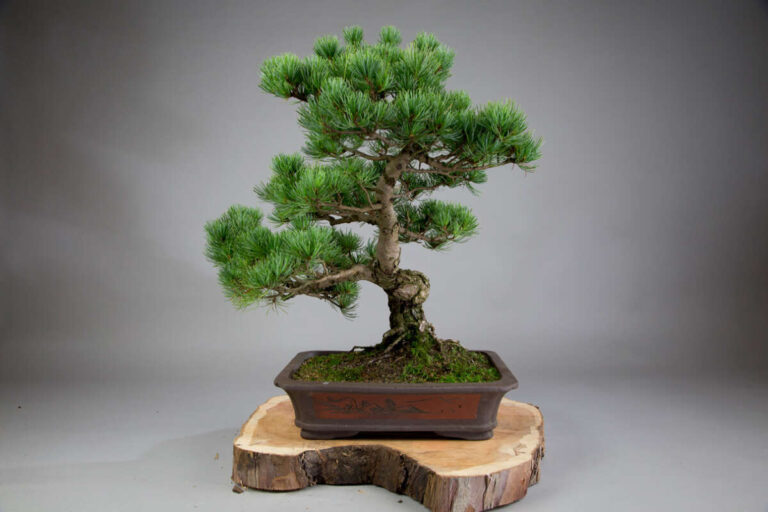
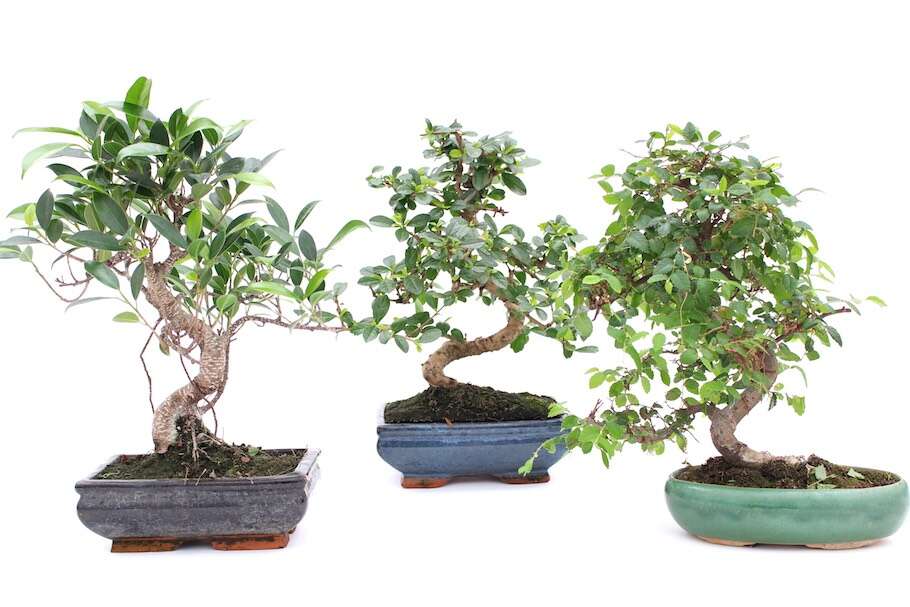
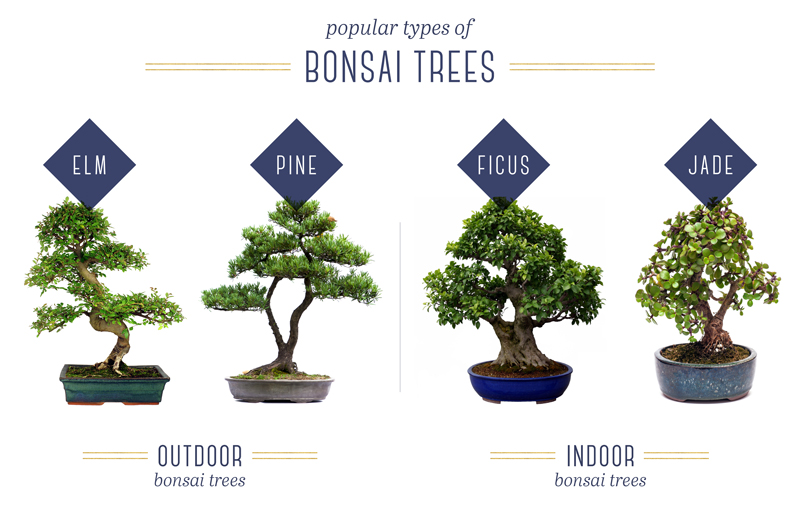
A bonsai is a small tree grown in a container. It mirrors nature in miniature. Indoor bonsai are species that tolerate stable indoor conditions. Knowing the tree type helps you care for it right. Learning how to look after a bonsai tree indoors starts with choosing a suitable species and the right container. I will explain common species, basic needs, and why balance matters.

Light and placement
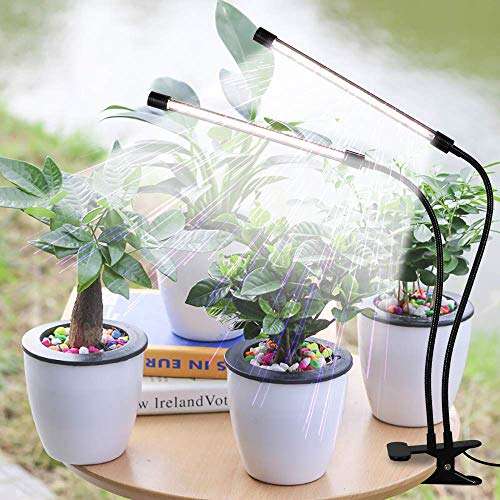
Most indoor bonsai need bright light. Place trees near a south or west window if possible. If natural light is weak, add a full-spectrum grow light for 10 to 12 hours daily. Rotate the pot weekly to keep growth even.
Signs of poor light:
- Pale leaves and long internodes mean too little light.
- Leafs dropping may indicate sudden light change.
Tips:
- Use timers for grow lights.
- Keep bonsai away from cold drafts and direct heat vents.
- Match species to light: ficus and jade tolerate lower light. Tropical and subtropical species want more light.
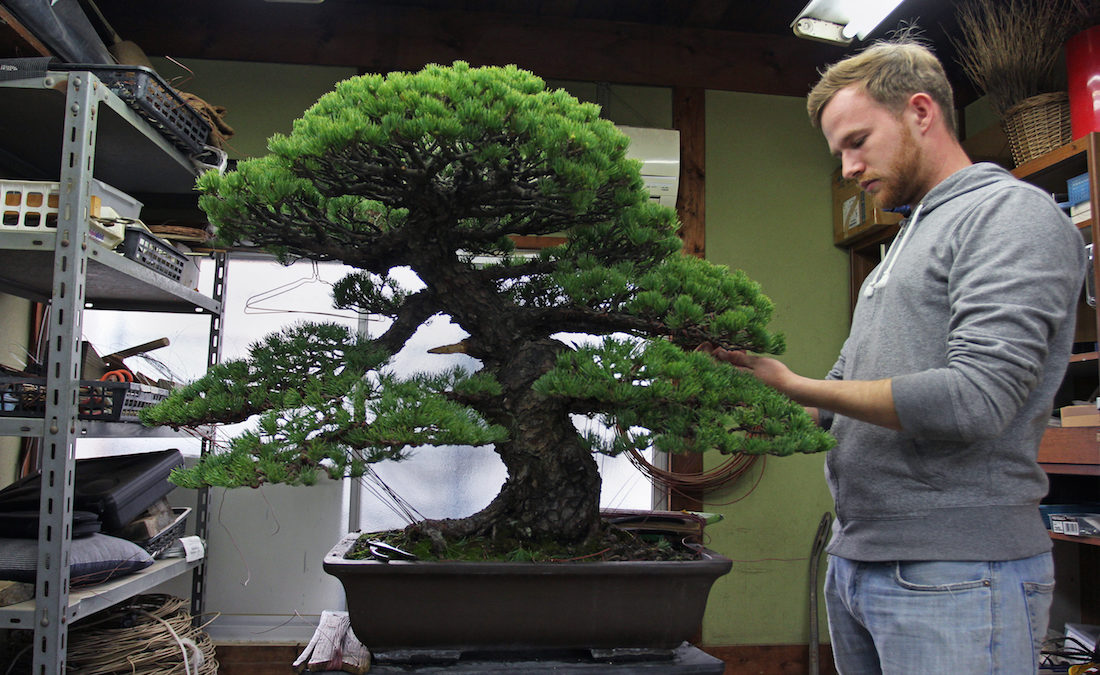
Watering basics
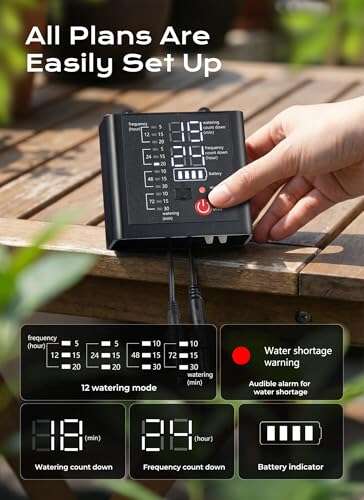
Water is the most common cause of indoor bonsai failure. Water when the topsoil feels slightly dry. Stick a finger into the soil to test moisture. If the top 1 inch is dry, water thoroughly until water drains from the hole.
Techniques:
- Water slowly to wet the whole root ball.
- Use a fine nozzle to avoid soil washout.
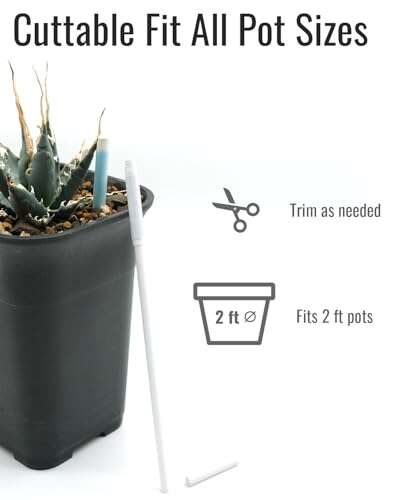
- For small pots, soak in a tray if very dry for 10–15 minutes.
Common mistakes:
- Watering on a fixed schedule without testing the soil.
- Letting bonsai sit in standing water for long periods.
How to look after a bonsai tree indoors means mastering watering rhythm for your specific tree and home climate.
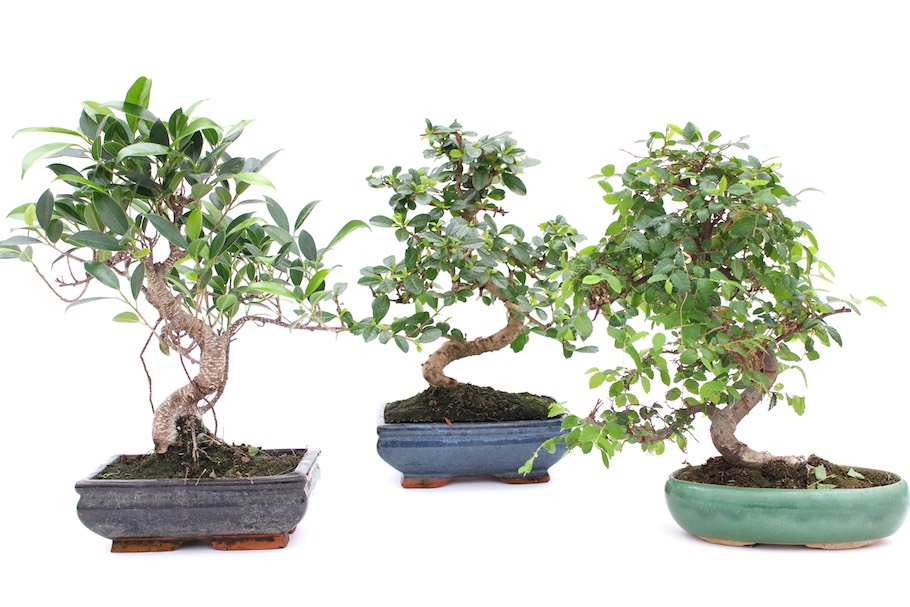
Soil, potting, and drainage
Good soil drains well and holds some moisture. A quality bonsai mix blends inorganic and organic parts. Typical mix includes akadama, pumice, and lava rock or alternatives like grit and orchid bark.
Pot choice:
- Use a pot with drainage holes.
- Shallow pots suit many species, but ensure enough root space.
Soil care:
- Top-dress with fresh mix annually if needed.
- Avoid garden soil; it compacts and chokes roots.
Proper soil and drainage are core to how to look after a bonsai tree indoors. They prevent root rot and support steady growth.
:strip_icc()/GettyImages-598322873-409b66c4895d492eb28fde9e752d98ad.jpg)
Pruning, shaping, and wiring
Pruning maintains the small size and shape of a bonsai. There are two types: maintenance pruning and structural pruning. Maintenance removes new shoots and keeps shape. Structural pruning removes large branches to refine the skeleton.
Wiring:
- Use aluminum or copper wire sized to branch thickness.
- Wrap the wire at a 45-degree angle and check often.
- Remove wire before it digs into bark.
Timing:
- Prune in the growing season for most species.
- Structural pruning often occurs in early spring.
Pruning and wiring are key skills for how to look after a bonsai tree indoors and to create a pleasing form.

Feeding and fertilizing
Indoor bonsai need regular feeding. Use a balanced fertilizer during the growing season. Slow-release pellets or liquid feeds both work.
Schedule:
- Feed every two weeks in spring and summer.
- Reduce feeding in autumn and stop in winter for most temperate species.
Watch for signs:
- Pale leaves or slow growth may mean underfeeding.
- Brown leaf tips can signal overfeeding or salt buildup. Flush soil occasionally to remove salts.
Good feeding supports vigor and helps trees bounce back after pruning.

Humidity and temperature control
Indoor air is often dry, especially near heaters. Bonsai like humidity. Raise humidity with a tray of water and gravel under the pot. Use a small humidifier for drier homes.
Temperature:
- Keep stable temperatures that match the tree type.
- Tropical bonsai prefer 60–75°F. Temperate species need a cooler rest period.
Avoid placing bonsai near doors, radiators, or air conditioners. Stable humidity and temperature are important for how to look after a bonsai tree indoors and reduce stress.

Pests, diseases, and prevention
Indoor bonsai face pests like aphids, spider mites, scale, and mealybugs. Diseases include root rot and leaf spot. Early detection is essential.
Prevention:
- Inspect leaves and soil weekly.
- Quarantine new plants for at least two weeks.
- Keep foliage clean by wiping leaves gently.
Treatment:
- Use insecticidal soap or neem oil for small infestations.
- Improve airflow and avoid overwatering to prevent fungal disease.
Knowing common threats helps you act fast when problems appear and maintain long-term health.
Repotting and root care
Repot young bonsai every 1–3 years. Older trees need repotting less often, about every 3–5 years. Repotting renews soil and prevents root binding.
Steps:
- Remove the tree from the pot.
- Trim long or circling roots.
- Replace old soil with fresh mix and secure the tree.
Best times:
- Repot in early spring before new growth starts.
- Use appropriate pot size to allow root growth but preserve bonsai scale.
Repotting is a central part of how to look after a bonsai tree indoors to ensure healthy roots and steady growth.
Common beginner mistakes to avoid
Avoid these frequent errors:
- Watering without checking soil moisture first.
- Using regular garden soil that compacts.
- Placing bonsai in low light and hoping it adapts.
- Wiring and leaving wire on too long.
- Over-fertilizing or stopping fertilizer abruptly.
Fixes:
- Learn a tree’s specific needs.
- Test and adjust routines slowly.
- Keep a care log to track watering, feeding, and pruning.
Spotting these mistakes early stops small problems from becoming serious.
My experience and practical tips
I once killed a ficus by watering on a strict schedule in winter. I learned to check soil, not the calendar. I also burned leaves under a grow light that was too close. Now I use a timer and set lights 6–12 inches away. I repot by hand and always note what I cut.
Tips I use:
- Keep a care notebook with dates and actions.
- Take photos before major pruning.
- Start with hardy species like ficus or Chinese elm.
These small habits help me keep bonsai healthy and reduce mistakes. They will help you as you learn how to look after a bonsai tree indoors.
Frequently Asked Questions of how to look after a bonsai tree indoors
How often should I water my indoor bonsai?
Water when the top 1 inch of soil feels dry. Frequency varies with species, pot size, and season. Test soil with your finger rather than using a fixed schedule.
Can most bonsai live indoors year-round?
Some bonsai species thrive indoors, mainly tropical and subtropical types. Temperate species often need a cool winter rest and may not do well indoors year-round.
Do indoor bonsai need special soil?
Yes. Use a mix that drains well and holds some moisture. Avoid regular garden soil because it compacts and reduces oxygen to roots.
How do I increase humidity for an indoor bonsai?
Use a humidity tray with water and stones, group plants, or use a small humidifier. Avoid misting as the only method for long-term humidity control.
When should I repot my indoor bonsai?
Repot young trees every 1–3 years and mature trees every 3–5 years. Repot in early spring before new growth starts.
Conclusion
You can keep a bonsai healthy indoors with the right light, water, soil, and care routine. Start by choosing the right species and learn its needs. Test soil, adjust watering, and inspect your tree often. Practice pruning and repotting gently. Stick with small, steady changes and keep a care log. Try one new tip this week, like adding a humidity tray or adjusting light. Share your progress, ask questions, or subscribe for more bonsai tips.

Laura Bennett is a gardening writer at MyGardenLabs who creates beginner-friendly guides focused on solving common plant care and gardening problems.