What Does A Trowel Do In Grow A Garden: Uses & Tips
A trowel digs small holes, moves soil, plants seedlings, removes weeds, and handles close garden work.
If you have wondered what does a trowel do in grow a garden, the answer is simple: it is the small hand tool that makes many planting and soil tasks easier. After years of working with containers, raised beds, and garden borders, I see a trowel as a gardener’s hand extension. It offers control where a shovel is too large and your fingers are not strong enough.
What Does a Trowel Do in Grow a Garden?
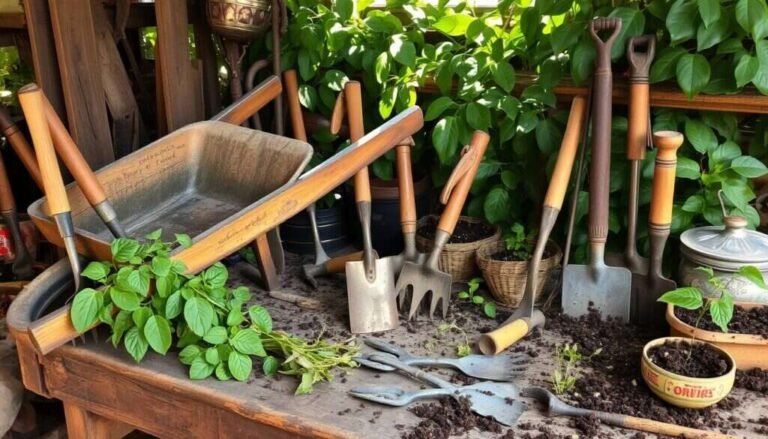
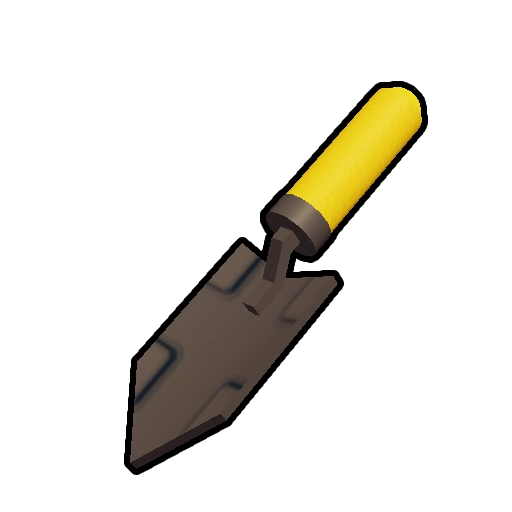
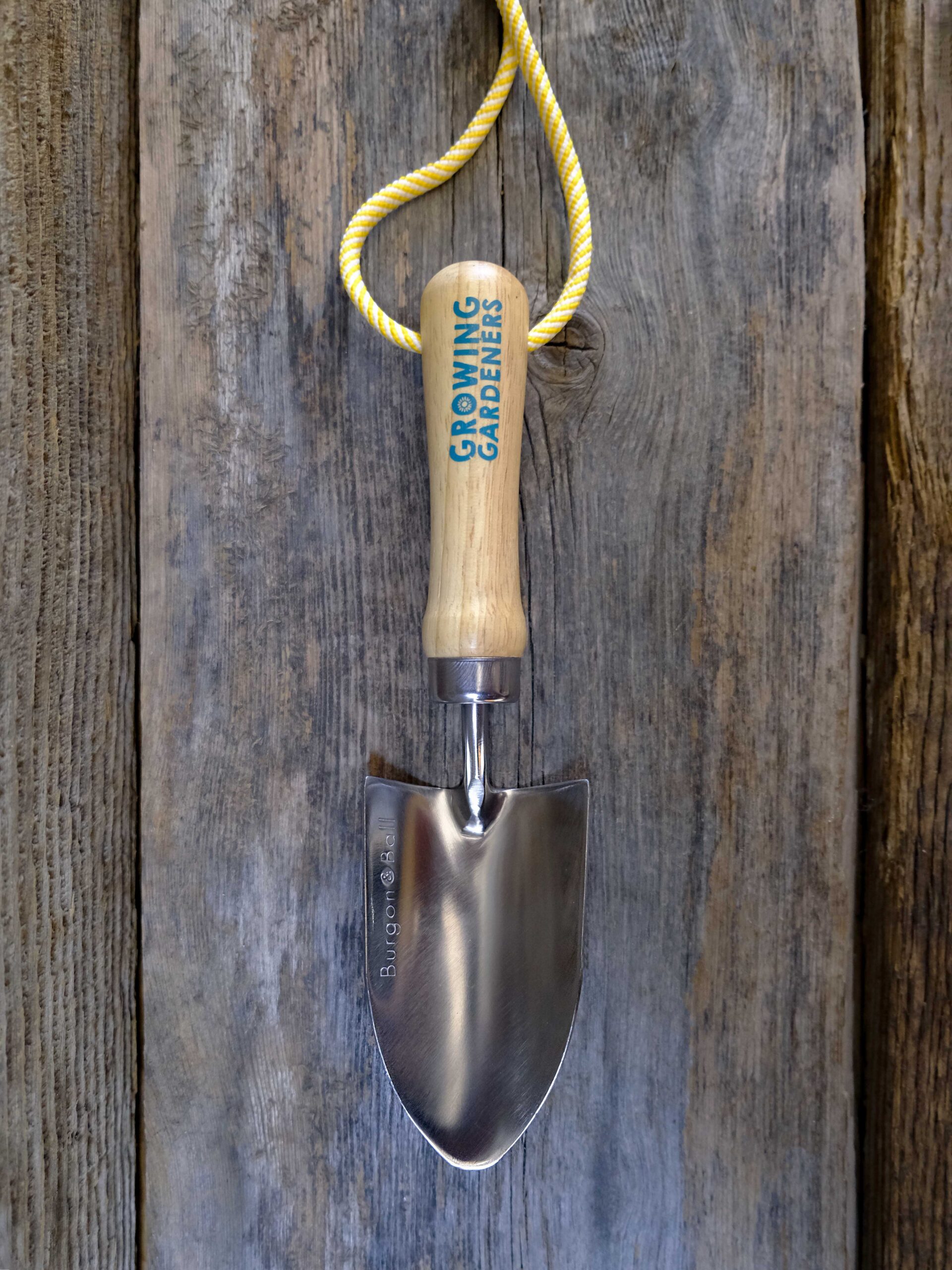
A garden trowel is a small, pointed hand tool with a narrow blade and a short handle. It is made for detailed work near plants, roots, and garden edges. The blade may be made from stainless steel, carbon steel, aluminum, or durable plastic.
The main purpose of a trowel is to dig, lift, move, and shape small amounts of soil. It is useful in flower beds, vegetable gardens, herb pots, window boxes, and indoor planters.
When asking what does a trowel do in grow a garden, think of it as a tool for precision. A shovel moves large amounts of soil, while a trowel lets you work around one plant without disturbing the whole bed.
A trowel can help you:
• Dig holes for seeds, bulbs, flowers, and vegetable seedlings
• Move compost, potting mix, and garden soil
• Plant small plants at the correct depth
• Remove weeds with shallow roots
• Loosen compact soil in containers
• Mix fertilizer or soil amendments into a small area
• Divide small clumps of herbs and flowers
• Scoop soil into pots and seed trays
The right trowel saves time and reduces strain. It also helps you work neatly, which matters when plants are growing close together.

The Main Jobs of a Garden Trowel
Digging planting holes
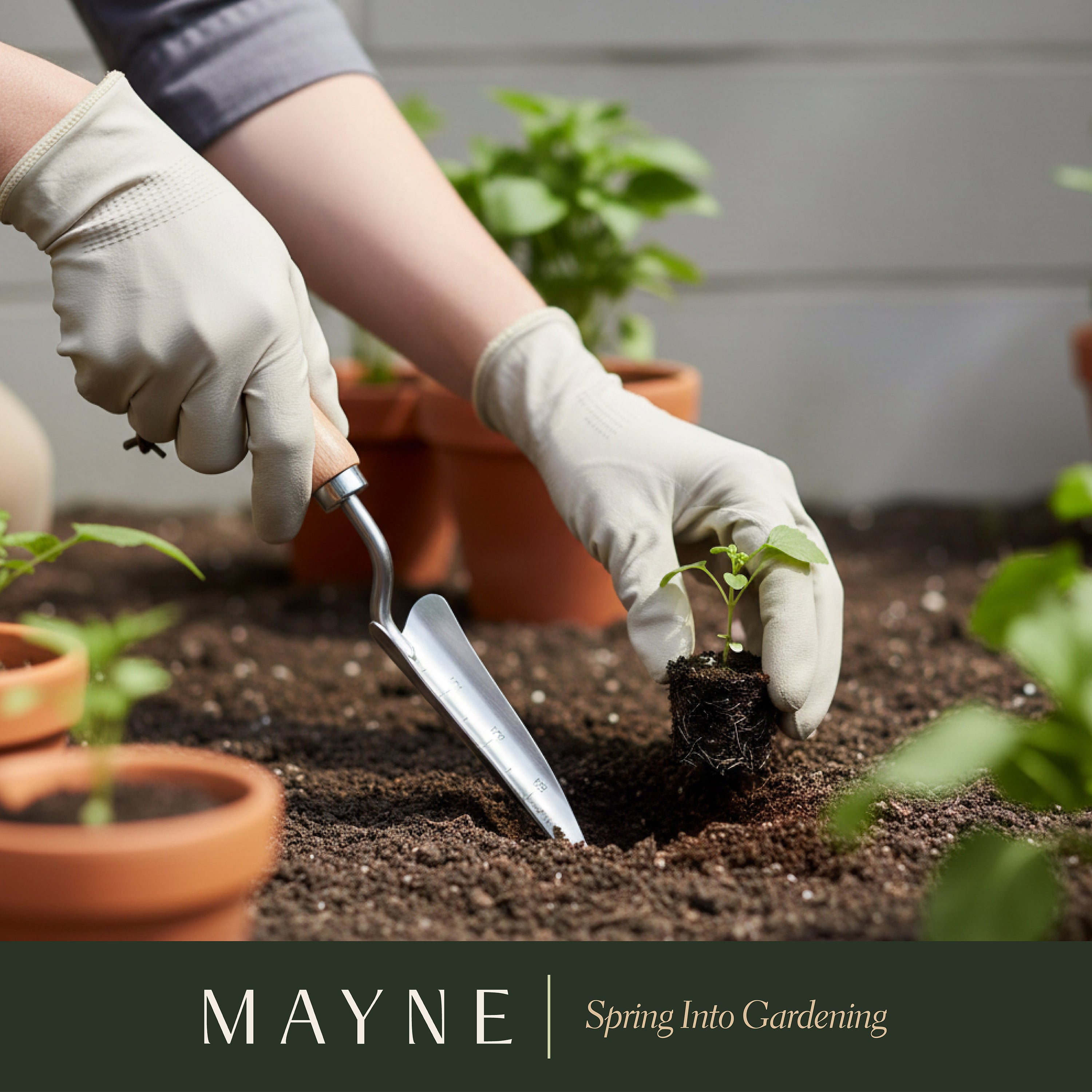
The most common trowel job is digging a small planting hole. Place the blade into the soil, push down with your hand, and turn the tool slightly to open the hole.
The hole should match the plant’s root ball. A hole that is too shallow can expose roots. A hole that is too deep may leave the stem or crown below the soil line, which can lead to rot.
For most seedlings, loosen the soil around and below the root ball. This gives new roots a softer path into the surrounding soil.
Planting seeds and seedlings
A trowel helps create even holes for bulbs and young plants. The narrow blade gives you better control than a full-size shovel.
For small seedlings, use the trowel to make a hole slightly wider than the roots. Set the plant at the same depth it grew in its original pot, unless the plant label gives different instructions.
When I plant lettuce or basil, I use the side of the trowel blade as a quick depth guide. This simple habit keeps a row of plants more even and makes watering easier.
Moving soil and compost
A trowel works like a small scoop. You can use it to add compost around a plant, fill a container, or transfer potting mix from a bag to a seed tray.
This task is especially useful in raised beds. You can add a small amount of compost without covering leaves or burying stems.
Avoid using a trowel to move large piles of soil. The small blade is not designed for heavy bulk work. A shovel, spade, or garden fork is safer and more efficient for that job.
Removing small weeds
A pointed trowel can loosen weeds with shallow roots. Slide the blade under the weed and lift it from the soil. Try to remove the root, not only the leaves.
Work carefully near vegetables and flowers. A weed may share soil with the roots of a wanted plant. In those areas, a hand weeder or narrow trowel gives better control than a broad tool.
Loosening soil in containers
Container soil often becomes packed after repeated watering. A trowel can break the top layer and improve the movement of air and water.
Do not dig deeply around established plants. You may cut healthy roots. Instead, loosen only the upper layer and add fresh compost or potting mix when needed.

How to Use a Trowel Correctly
Using a trowel looks easy, but good technique protects your hands and your plants. The key is to let the blade do the work instead of forcing it with your wrist.
Follow these simple steps:
-
Check the soil before digging. Moist soil is usually easier to work than bone-dry or waterlogged soil.
-
Hold the handle firmly but do not grip it too tightly.
-
Place the blade at the edge of the hole or beside the weed.
-
Push down with your palm or the heel of your hand.
-
Rock the blade gently to loosen the soil.
-
Lift only as much soil as needed.
-
Backfill the hole and press the soil lightly around the plant.
-
Water the plant after planting, unless the soil is already very wet.
A sharp blade enters soil more easily than a blunt one. However, do not use excessive force in rocky ground. A sudden slip can injure your hand or damage a plant root.
If the ground is hard, water it lightly and wait for the moisture to move in. Digging wet clay can create dense clumps that later dry like bricks.
What Types of Trowels Are Available?
Different trowels suit different garden jobs. The best choice depends on your soil, plants, and hand comfort.
Standard digging trowel
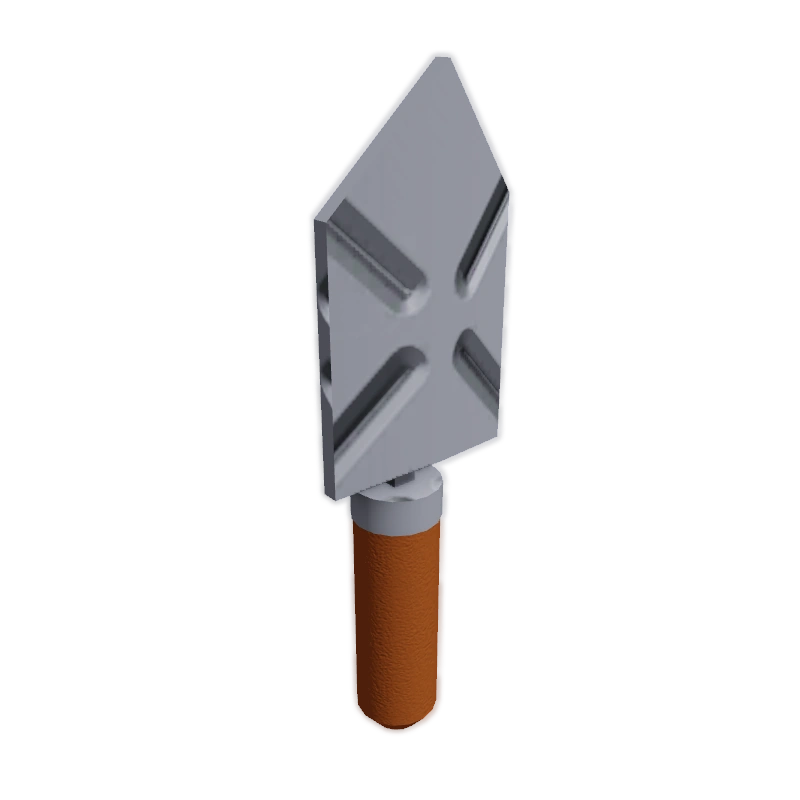
This is the common all-purpose style. It usually has a pointed or rounded blade that works well for planting, soil mixing, and light weeding.
It is a good first trowel for new gardeners.
Narrow planting trowel
A narrow blade fits well between crowded plants. It is useful for bulbs, seedlings, herbs, and small containers.
It removes less soil, so it causes less disturbance around nearby roots.
Transplanting trowel
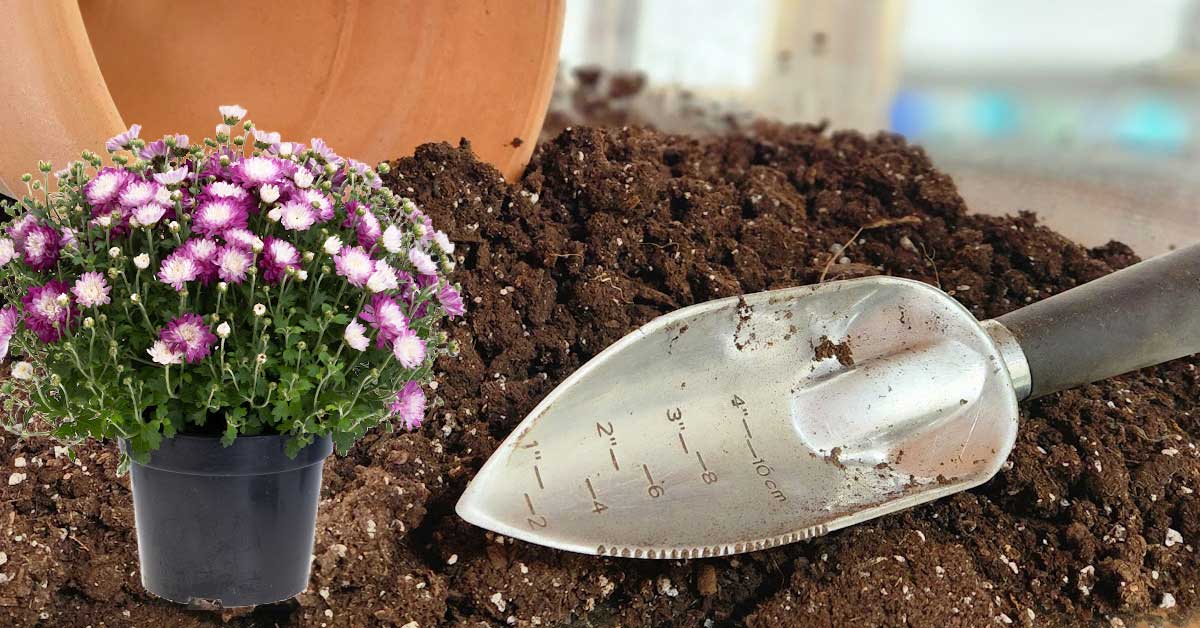
A transplanting trowel often has a long, slim blade with depth marks. These marks help you plant bulbs and seedlings at a consistent depth.
It is useful for tomatoes, peppers, bedding plants, and small perennials.
Scoop-shaped trowel
A scoop trowel holds more potting mix than a flat blade. It works well for filling pots, hanging baskets, and grow bags.
It may be less useful for tight spaces because the wider blade can disturb nearby plants.
Ergonomic trowel
An ergonomic trowel has a shaped handle that reduces wrist bending. This can help people with arthritis, weak grip, or hand pain.
Comfort is not a luxury. If a tool causes pain, you are less likely to use it safely and consistently.
How to Choose the Best Garden Trowel
A good trowel should match your soil and your body. Price matters, but comfort and strength often matter more over time.
Look for these features:
• A strong blade that does not bend under normal pressure
• A comfortable handle with a secure grip
• A blade size that suits your planting spaces
• Clear depth marks for bulbs and seedlings
• A smooth connection between the blade and handle
• Rust resistance if the tool will be stored in a damp shed
• A bright handle that is easy to find in soil or grass
Stainless steel is a popular choice because it resists rust and cleans easily. Carbon steel is often very strong, but it needs drying and occasional oiling. Aluminum is light, though some low-cost aluminum blades may bend in hard ground.
Try holding the trowel before buying it if possible. Your wrist should stay fairly straight. The handle should not press sharply into your palm.
One mistake I made early on was choosing a very narrow, lightweight trowel for heavy clay. It worked well in pots but bent when I used it in an old vegetable bed. Matching the tool to the soil would have saved both money and frustration.
Trowel Safety and Common Mistakes
A trowel is small, but it can still cause cuts, blisters, and wrist strain. Safe habits make garden work more pleasant.
Avoid these common mistakes:
• Forcing the blade into frozen soil
• Using a trowel as a pry bar
• Leaving the tool on a lawn or walkway
• Digging without checking for buried irrigation lines
• Cutting into plant stems or major roots
• Working in soil that is too wet
• Using a rusty or cracked tool
Wear gloves when the soil is rough, thorny, or contaminated with animal waste. Wash your hands after gardening, especially before eating.
If you find a damaged blade, replace it rather than wrapping it with tape. A loose blade can separate from the handle during use.
Some gardeners also use a trowel to dig near utility lines. Do not assume a line is deep or far away. In the United States, contact the appropriate utility marking service before digging where underground services may exist.
Trowel vs. Shovel, Spade, and Hand Cultivator
Knowing the difference between hand tools helps you choose the right one for each task.
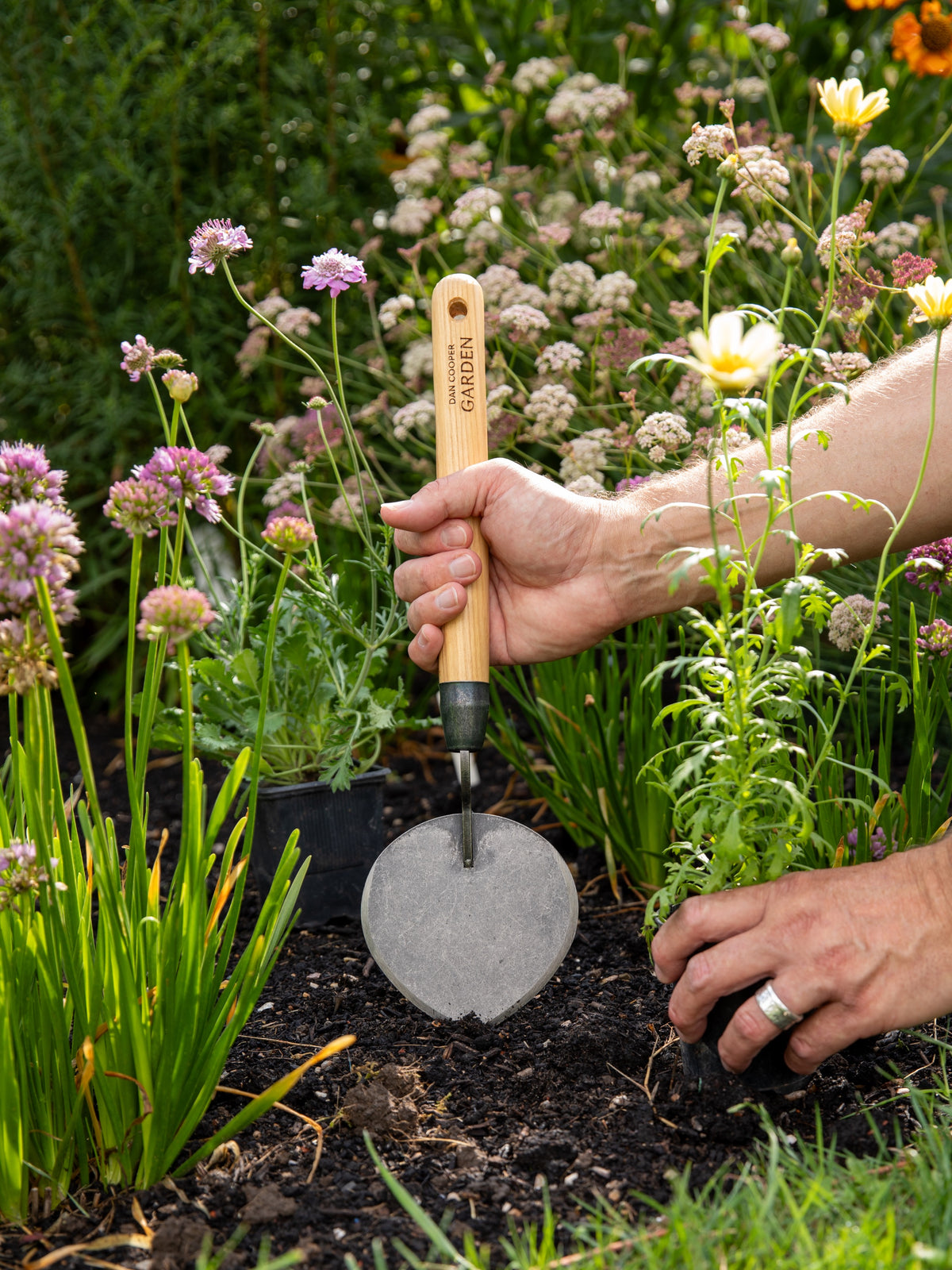
A trowel is best for small, controlled jobs. It is ideal for planting one seedling, scooping potting mix, or removing a small weed.
A shovel has a larger blade and a longer handle. Use it to move soil, dig large holes, or turn compost.
A spade has a flat, strong blade. It works well for cutting edges, dividing perennials, and slicing through tough soil.
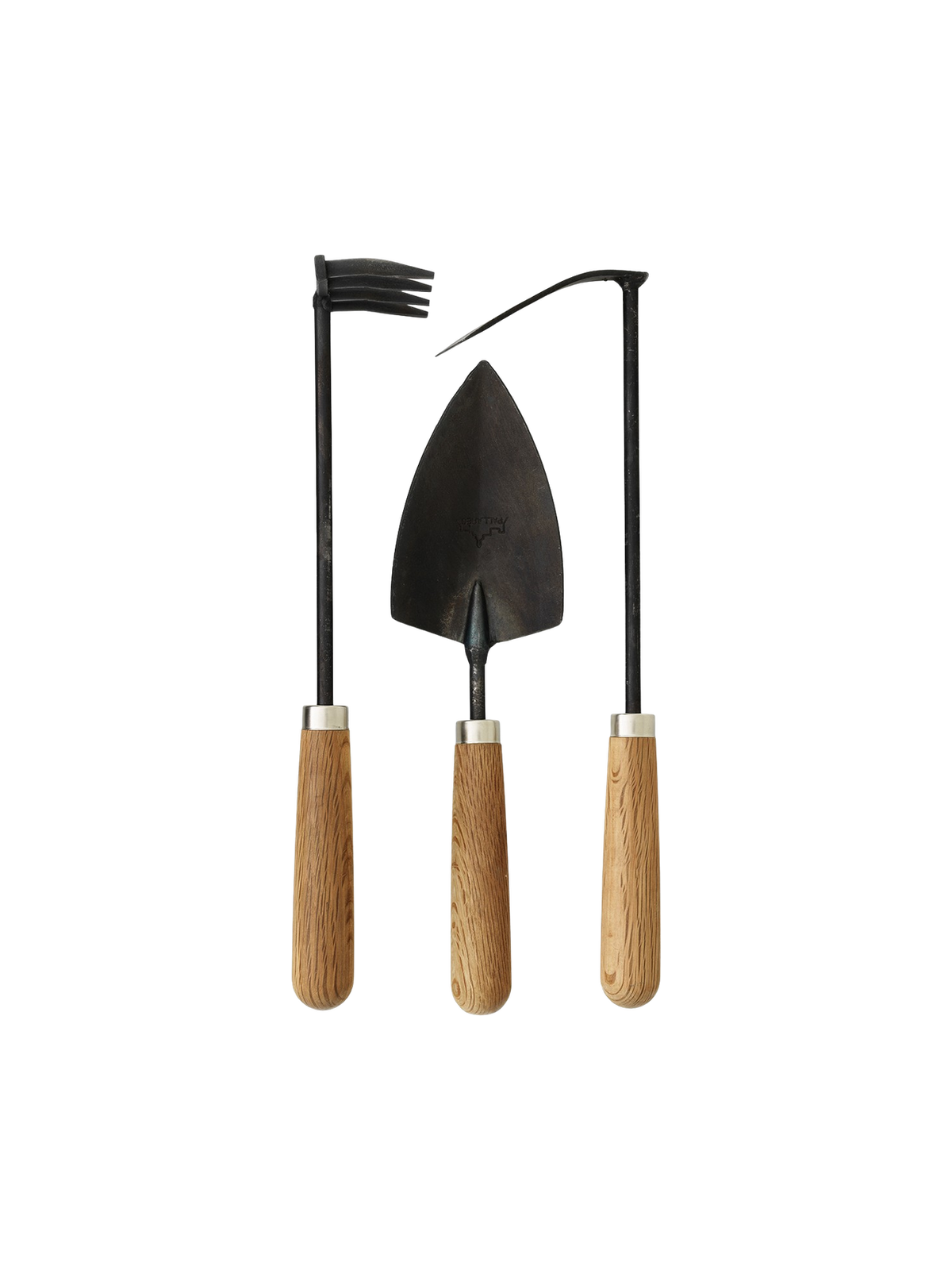
A hand cultivator has several pointed tines. It loosens surface soil and breaks small clumps, but it is not as good for making deep planting holes.
The simple rule is this: use a trowel for precision, a shovel for volume, a spade for cutting, and a cultivator for surface loosening.
How a Trowel Helps Different Types of Gardens
Vegetable gardens
A trowel helps plant lettuce, onions, peppers, tomatoes, beans, and herbs. It can also create shallow furrows for small seeds.
Use it to place compost around plants without disturbing their stems. In a small vegetable bed, this level of control is valuable.
Flower gardens
Use a trowel to plant annual flowers, bulbs, and small perennials. It also helps remove weeds between closely spaced plants.
For bulbs, follow the planting depth on the package. Depth can vary by plant type and bulb size.
Container gardens
A trowel is almost essential for pots and planters. It can fill containers, remove old soil, and create space for transplants.
Choose a narrow blade for small pots. A scoop-shaped blade may work better for large planters.
Indoor gardens
For houseplants, use a clean trowel to add potting mix or repot a plant. Never use ordinary garden soil in most indoor pots because it may drain poorly and carry pests.
Clean the tool before moving from outdoor soil to indoor plants. This reduces the chance of spreading insects, weed seeds, or plant disease.
Trowel Care and Maintenance
Clean your trowel after each gardening session. Knock off loose soil, rinse the blade, and dry it well before storage.
If the blade shows surface rust, scrub it with a stiff brush or fine abrasive pad. After cleaning, apply a thin coat of garden oil to protect exposed metal.
Keep the handle dry and inspect the blade connection. A loose ferrule, which is the part joining the blade to the handle, can make digging unsafe.
Store the trowel in a shed, tool rack, or bucket. Do not leave it outside in rain or buried in soil.
Clean tools are also part of plant health. Garden hygiene guidance commonly recommends removing soil and plant residue from tools because contaminated equipment can spread some plant pathogens.
What a Trowel Cannot Do
A trowel is useful, but it is not a replacement for every garden tool. It is not designed for deep digging, chopping thick roots, moving heavy soil, or turning large compost piles.
It may struggle in dense clay, rocky ground, or soil filled with tough roots. In these situations, use a digging fork, spade, or mattock first, then finish with the trowel.
A trowel also cannot fix poor soil by itself. If plants fail because of drainage, pH, pests, or lack of light, changing tools will not solve the main problem.
Use the trowel as part of a wider gardening plan. Healthy plants also need suitable light, water, soil structure, nutrients, and enough space.
Frequently Asked Questions About What Does a Trowel Do in Grow a Garden
What is a trowel used for in gardening?
A trowel is used for digging small holes, planting seedlings and bulbs, moving soil, removing small weeds, and working in containers. Its small blade gives you control in tight spaces.
Can I use a trowel to plant seeds?
Yes, you can use a trowel to make shallow rows or small holes for seeds. For very tiny seeds, your fingers or a dibber may offer better control.
Is a trowel the same as a small shovel?
They are similar, but a trowel is a short-handled hand tool made for precise work. A shovel has a larger blade and long handle for moving and digging larger amounts of soil.
What size trowel is best for beginners?
An all-purpose trowel with a medium-width blade is a good starting choice. Select one with a strong blade, comfortable handle, and depth marks if you plan to plant bulbs.
Can a trowel cut through roots?
A sturdy trowel can cut through some small, soft roots. Do not use it to cut thick roots, because the blade may bend and the plant may suffer serious damage.
Should I clean my trowel after using it?
Yes, clean and dry the blade after each use. This prevents rust and removes soil or plant residue that may carry pests or disease.
Conclusion
A trowel is one of the most useful tools in a garden because it handles small jobs with great control. It digs planting holes, moves soil, loosens containers, removes weeds, and helps seedlings settle into their new homes.
The best trowel is strong, comfortable, and suited to your soil. Use it gently, keep it clean, and choose a shovel or spade when the job becomes too large.
Pick up your trowel and start with one simple task today, such as planting herbs or improving a container. Then explore more gardening guides, share your experience, and leave a comment about the trowel work that helps you most.

Laura Bennett is a gardening writer at MyGardenLabs who creates beginner-friendly guides focused on solving common plant care and gardening problems.