Best Tools For Clearing Overgrown Garden: Top Picks
The best tools for clearing overgrown garden beds combine sickles, scythes, machetes, hoes, and long-handle weed pullers.
An overgrown garden can turn into a wall of tall grass, thorny vines, weeds, and small branches before you know it. I know how tiring that first cleanup can feel. The right hand tool makes the work safer, faster, and far less frustrating. I looked at blade shape, handle length, grip, steel type, balance, and the kind of growth each tool can handle. This guide covers the best tools for clearing overgrown garden areas, from light weeds to thick brush, so you can choose with confidence.
YEELOR 51-Inch Adjustable Weeding Sickle
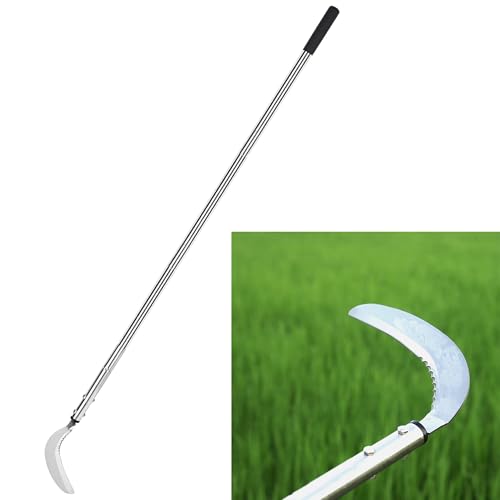
The YEELOR Weeding Sickle gives you long reach without forcing you to bend over every few seconds. Its 51-inch adjustable handle suits garden beds, paths, and open areas filled with weeds. The curved sickle head works well when you pull it toward you through soft stems and light grass. I like this style for early cleanup, when weeds are thick but not yet woody.
The long shaft also helps you work around prickly plants and hidden debris. It is not a replacement for a brush cutter or heavy machete, but it can clear a large patch with less strain than a short hand tool. A steady pull works better than hard chops. For homeowners who want one of the best tools for clearing overgrown garden beds without using fuel or batteries, this sickle is a practical choice.
Pros:
- Long handle reduces bending and back strain
- Adjustable length suits different users
- Curved blade catches grass and soft weeds well
- Useful for paths, beds, and garden edges
- Quiet manual design needs no fuel or charging
- Good reach around thorny growth
Cons:
- Not the best choice for thick woody stems
- Requires a pull motion that takes practice
- Long handles need careful storage
My Recommendation
The YEELOR is best for gardeners who need reach and want to clear weeds while standing upright. It is especially useful for tall grass, nettles, soft vines, and neglected beds. I would choose it for routine garden recovery, not dense brush or saplings. Its simple design offers good value when you want one of the best tools for clearing overgrown garden areas by hand.
Garden Machete With Billhook Blade

This garden machete uses a billhook-style blade for brush, vines, bamboo, and small branches. The hooked shape can grab growth as you cut, which helps when stems twist through a fence or tangle across the ground. Its long wood handle gives the swing room that a short knife cannot provide. For a badly neglected garden, that extra reach can save a great deal of time.
High-carbon steel can hold a useful edge when you keep it clean and dry after each job. I suggest using controlled cuts and keeping the blade away from rocks, wire, and soil. This tool feels most at home on dense weeds and woody vines. It belongs on a shortlist of the best tools for clearing overgrown garden areas when you need more power than a grass sickle can offer.
Pros:
- Billhook shape helps catch vines and brush
- Long wood handle adds reach and leverage
- Useful for bamboo, branches, and tough weeds
- High-carbon steel supports repeated sharpening
- Works without fuel, cords, or batteries
- Good choice for trail and fence-line cleanup
Cons:
- Needs careful handling because of the large blade
- Wood handles may need occasional care
- Too powerful for delicate plants and close beds
My Recommendation
I recommend this billhook machete for adults clearing thick vines, brush, bamboo, and small branches. It suits rural yards, garden borders, and trail edges better than a simple weeding tool. Wear eye protection, gloves, long pants, and sturdy shoes when using it. Among the best tools for clearing overgrown garden growth, this model offers strong cutting power at a low-tech price.
Walensee 41-Inch Double-Edged Scythe

The Walensee 41-inch double-edged scythe is made for sweeping through tall grass and weeds. Its two-sided cutting edge lets you work in more than one direction, which can feel efficient across a wide patch. The long handle keeps the blade near the ground while you stand upright. That design is useful when an overgrown lawn edge or garden path has become difficult to walk through.
A scythe rewards rhythm rather than force. I use a smooth side-to-side motion and let the blade do the work. The double edge can cover ground quickly, but it also demands awareness of your feet, pets, and nearby plants. If you want the best tools for clearing overgrown garden areas without noise, fumes, or engine upkeep, this scythe is worth considering.
Pros:
- Double edge supports efficient sweeping cuts
- 41-inch length gives useful standing reach
- Well suited to tall grass and soft weeds
- Quiet operation protects the peace of the yard
- No fuel, cords, or battery maintenance
- Can cover broad areas faster than a hand sickle
Cons:
- Needs open space for a safe swing
- Less effective on thick woody stems
- New users need time to learn the correct motion
My Recommendation
The Walensee double-edged scythe is best for large patches of tall grass, weeds, and light brush. It fits homeowners who want quiet garden work and do not mind learning a simple cutting rhythm. I would not use it beside fragile flowers or in a tight bed. For broad, open growth, it is one of the best tools for clearing overgrown garden areas by hand.
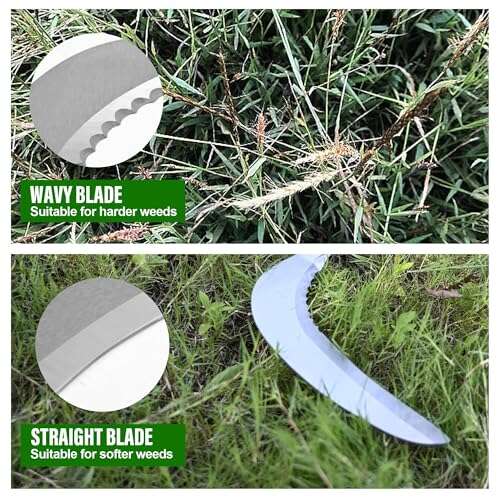
Walensee 39-Inch Serrated Steel Scythe
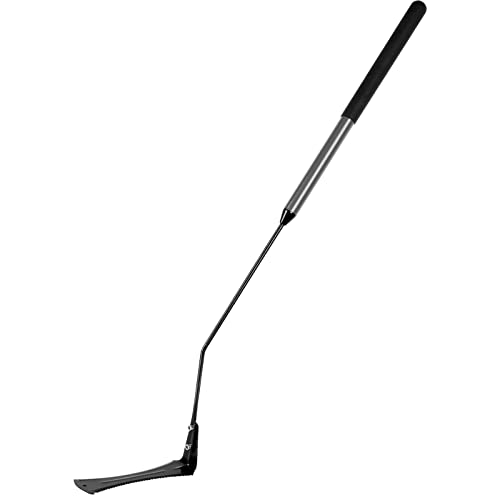
This 39-inch Walensee scythe uses a serrated steel blade to grip tall grass and weeds rather than simply sliding over them. That tooth-like edge can help when stems are wet, stringy, or slightly tough. The long handle supports upright work and gives you more distance from insects and hidden plants. It is a useful middle ground between a short sickle and a large brush machete.
The serrations need proper care because soil and grit can reduce cutting performance. I recommend clearing debris from the blade and storing it in a dry place after use. This tool works best with repeated, controlled strokes across weeds. For people searching for the best tools for clearing overgrown garden areas with manual control, this scythe offers a strong balance of reach and grip.
Pros:
- Serrated edge grips tall and stringy weeds
- 39-inch handle reduces the need to stoop
- Good for garden paths and grass borders
- Manual operation keeps noise very low
- Useful on damp growth that slips from smooth blades
- Lighter and simpler than a powered trimmer
Cons:
- Serrated teeth can be harder to clean
- Not designed for large branches or thick trunks
- Requires safe clearance around the full swing
My Recommendation
Choose this serrated scythe if tall grass keeps bending instead of cutting under a smooth blade. It is a good fit for open garden edges, paths, and rough lawn areas. I would choose it over the double-edged model when the weeds are thin, tangled, or slightly damp. It is a useful member of the best tools for clearing overgrown garden lineup for quiet seasonal work.
Billhook Sickle Machete for Brush

This billhook sickle machete combines a curved blade with a compact hand-tool format. The curve helps pull through vines, weeds, and grass while the carbon steel edge offers a firm bite. Its smaller size gives you more control than a long-handled brush cutter. I find that useful when growth crowds a fence, raised bed, tree, or narrow walkway.
The tool is also handy for cutting back green stems before you dig out the roots. It will not replace loppers for thick branches, and it should never be used as a splitting axe. Keep your free hand behind the blade and cut away from your body. For targeted work, this is one of the best tools for clearing overgrown garden corners where a long swing would be unsafe.
Pros:
- Compact design offers close control
- Curved billhook blade catches vines well
- Carbon steel edge suits repeated garden work
- Useful in tight spaces and narrow paths
- Can cut grass, weeds, and green stems
- Easy to carry around a large property
Cons:
- Short handle gives little protection from thorns
- Requires more bending than a long tool
- Needs careful storage because the blade is exposed
My Recommendation
This billhook sickle machete is best for detail work and tight garden spaces. Pick it when you need to cut vines beside a fence or remove weeds from around a shrub. It is less suitable for clearing a whole field or cutting large branches. As one of the best tools for clearing overgrown garden growth in small areas, it gives you control that longer tools often lack.
Garden Machete With Straight Blade

The straight-blade garden machete is built for direct cuts through brush, vines, bamboo, and branches. A straight edge feels predictable, especially when you need to make a clean downward or diagonal cut. The long wood handle adds reach and helps keep your hands away from thorny growth. This makes it a strong option for first-pass clearing in a neglected garden.
I prefer a straight blade when the growth stands upright and I need a clear chopping line. It can also help trim back paths before I return with a rake or hoe. As with any machete, the user must control the swing and inspect the work area first. It earns a place among the best tools for clearing overgrown garden areas when sturdy stems are the main problem.
Pros:
- Straight edge makes cutting direction easy to judge
- Long handle gives reach around thorny brush
- Useful for bamboo, vines, and small branches
- High-carbon steel can be sharpened as needed
- Works without fuel, electrical cords, or charging
- Good for opening paths through dense growth
Cons:
- Requires careful control and protective gear
- Not ideal for trimming delicate plants
- Can fatigue the user during very long sessions
My Recommendation
I recommend this straight-blade machete for heavy first-pass clearing. It suits open borders, brush piles, bamboo stands, and garden paths that have disappeared under growth. Choose the billhook version if you need to hook vines; choose this one if you want a direct cutting stroke. It is among the best tools for clearing overgrown garden areas when reach and firm cuts matter most.
Heavy-Duty Round Eye Garden Hoe

This heavy-duty round eye hoe is made for soil work after you cut down the visible growth. Its 2.7-pound head has the weight needed to break crusted soil, chop shallow roots, and open hard ground. The high-carbon rail steel construction is heat-treated for strength. Since the listing does not include a handle, you can pair the head with a handle that fits your height and grip.
A hoe is often the tool that turns rough clearing into a usable garden bed. I use it to pull out root crowns, loosen compacted soil, and level small areas after removing weeds. It is not a grass cutter, so it works best as part of a tool set. For complete results, add this hoe to your list of the best tools for clearing overgrown garden areas and restoring the soil beneath them.
Pros:
- Heavy head breaks hard and compacted soil
- Useful for shallow roots and stubborn weeds
- Hand-sharpened edge supports precise soil work
- Heat-treated steel is built for demanding use
- Custom handle choice can improve comfort
- Helpful during bed restoration after cutting growth
Cons:
- Handle is not included
- Too heavy for light weeding and delicate beds
- Needs proper handle fitting before use
My Recommendation
This hoe is best for gardeners who need to reclaim soil after cutting weeds and brush. It is a strong choice for compacted beds, root-filled ground, and hard garden edges. Buy it only if you are ready to add a suitable handle. Used with a sickle or machete, it becomes one of the best tools for clearing overgrown garden areas from top growth down to the roots.
Truper 16-Inch Serrated Grass Sickle
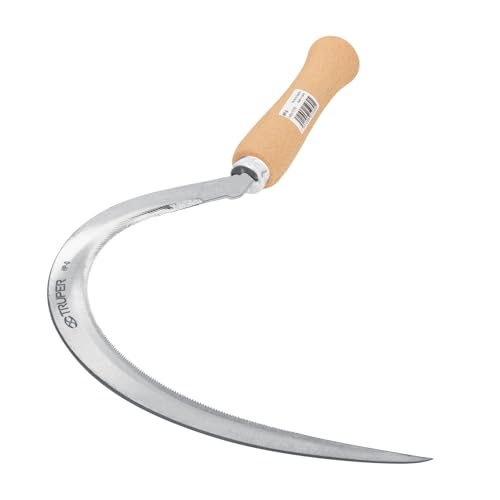
The Truper 16-inch grass sickle is a compact hand tool for weeds, grass, and light harvesting work. Its serrated high-carbon steel blade can grip stems as you pull through them. The lightweight wooden handle feels simple and natural in the hand. This format gives you close control when you work between plants or along a garden border.
Because it is short, you can place the blade exactly where you need it. That makes it safer for detail cuts than a long scythe, though it does require more bending. I would use it after a broad clearing tool to clean up missed weeds. For precision work, it is one of the best tools for clearing overgrown garden areas without disturbing nearby plants.
Pros:
- Compact size offers accurate cutting control
- Serrated edge grips grass and thin weeds
- Lightweight wooden handle is easy to carry
- Useful around flowers, shrubs, and raised beds
- High-carbon steel supports regular sharpening
- Simple design has no parts to charge or fuel
Cons:
- Requires bending or kneeling during use
- Not suited to thick brush or woody stems
- Small blade covers less ground per stroke
My Recommendation
Choose the Truper sickle for close work, light weeds, and garden edges. It is a good match for gardeners who value control over speed. I would pair it with a long-handled scythe for larger areas. As one of the best tools for clearing overgrown garden beds around existing plants, it is practical, portable, and easy to store.
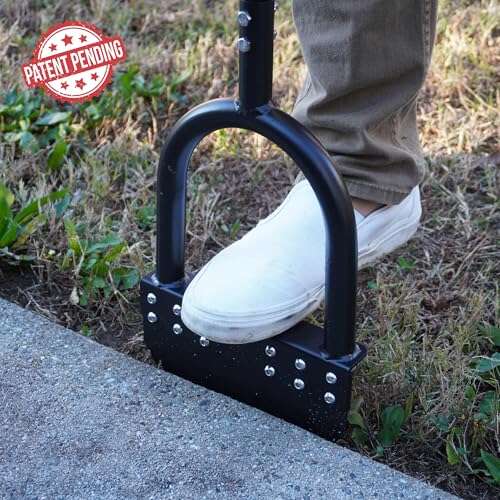
NICOFPHY Long-Handle Weed Puller

The NICOFPHY weed puller combines long-handle reach with the functions of a garden hoe and rake. It is designed for pulling weeds, loosening soil, and gathering loose plant matter. The long handle helps users work while standing, which can make a big difference during a long cleanup. I see it as a recovery tool for the stage after tall growth has been cut down.
This style is especially useful for shallow-rooted weeds and loose soil. It may not remove every deep taproot in one motion, but it can reduce the need to kneel and pull by hand. Use it with a rake to clear the surface, then follow with mulch or compost. For gardeners looking for the best tools for clearing overgrown garden areas with less bending, this is a useful addition.
Pros:
- Long handle supports upright weeding
- Combines pulling, hoeing, and light raking tasks
- Useful after cutting tall weeds and grass
- Helps reduce repeated kneeling and bending
- Good for loose soil and shallow-rooted weeds
- Can prepare beds for mulch or new plants
Cons:
- May struggle with deep or woody roots
- Not intended for cutting thick brush
- Multiple functions may require a short learning period
My Recommendation
The NICOFPHY tool is best for cleanup and root removal after the first cutting pass. It suits older gardeners, people with back concerns, and anyone who wants to work while standing. Use a sickle or machete for tall growth, then use this tool to finish the soil. That two-step method makes the best tools for clearing overgrown garden work more efficient and less tiring.
True Temper Double-Edged Grass Whip

The True Temper grass whip uses a double-edged serrated steel blade on a 22-inch hardwood handle. Its compact reach gives you more control than a full scythe while still letting you cut with both sides. The serrated edge can bite into tall grass, weeds, and thin vines. This makes it useful in areas where a long swing feels awkward or unsafe.
The hardwood handle offers a traditional feel and can withstand normal garden use when stored out of the weather. It is not the fastest choice for a large field, but it works well around fence lines, shrubs, and path edges. I would choose it for moderate growth and detail cleanup. It is one of the best tools for clearing overgrown garden patches when you want a sturdy hand tool with controlled reach.
Pros:
- Double-edged blade supports forward and backward cuts
- Serrated steel grips tall grass and thin vines
- 22-inch handle balances reach and control
- Hardwood handle gives a solid traditional feel
- Useful around fences, shrubs, and path edges
- More compact than a full-length scythe
Cons:
- Shorter reach can require some bending
- Not designed for large woody branches
- Needs blade cleaning after use in wet growth
My Recommendation
The True Temper grass whip is best for medium weeds and tight spaces where you still want a two-sided blade. It suits homeowners who prefer a simple, sturdy tool over a powered trimmer. Pick a longer scythe for broad open areas and this whip for edges and touch-ups. It remains a dependable option among the best tools for clearing overgrown garden areas.
How to Choose the Best Tools for Clearing Overgrown Garden
Choosing the right tool starts with the kind of growth in front of you. Tall grass needs a different edge than thorny vines or compacted roots. A tool that feels perfect in an open field may feel clumsy beside a flower bed. I always match the blade to the job before I begin.
Match the Blade to the Growth
Smooth sickles work well on soft grass and green weeds. Serrated blades grip stringy stems and damp grass. Billhooks and machetes handle vines, bamboo, and small branches. Hoes work below the surface, where roots and hard soil keep weeds coming back.
Do not ask one tool to do every job. That often leads to poor cuts, damaged plants, and tired arms. A simple three-tool system works well: one cutter, one cleanup tool, and one hoe or weed puller.
Think About Reach and Body Position
Long handles reduce bending and help keep you away from thorns, insects, and hidden debris. They also need more open space for a safe swing. Short tools offer better control but may cause more kneeling or bending.
If you have back, hip, or knee concerns, start with a long-handled sickle, scythe, or weed puller. Work in short sessions. A tool should reduce strain, not move it from your back to your shoulders.
Check Steel and Edge Care
High-carbon steel can hold a sharp edge, but it can also rust if left wet. Wipe the blade after use and store it in a dry place. A light coat of suitable tool oil can help protect exposed metal.
Serrated edges usually need a file made for their tooth pattern. Smooth blades are often easier to sharpen with a file or sharpening stone. Never sharpen a blade while it rests loosely on your knee or in your hand.
Consider Handle Quality
A wood handle should feel solid, with no cracks, loose sections, or rough splinters. Fiberglass or metal handles may resist weather well, but comfort still matters. If the tool causes hot spots in your palm, wear gloves and adjust your grip.
The heavy-duty hoe listed above does not include a handle. Check the eye size and choose a handle that fits tightly. A loose head can become dangerous during a hard swing.
How I Would Clear an Overgrown Garden
I would not start by attacking everything at once. First, I would walk the area and look for wire, stones, glass, irrigation lines, animal holes, and hidden stumps. I would remove trash by hand with gloves and mark anything that could catch a blade. This first check prevents many avoidable injuries.
Next, I would cut the tall growth. A scythe works well for grass and soft weeds. A billhook or straight machete handles vines, bamboo, and small woody stems. I would cut in one direction and keep my feet outside the blade path.
After the top growth falls, I would rake it into small piles. I would inspect the ground again because the first pass can reveal objects hidden under weeds. Then I would use the NICOFPHY weed puller or heavy hoe to loosen roots and compacted soil.
Finally, I would remove the waste, inspect the soil, and add compost or mulch where suitable. Do not place diseased plants or seed-heavy weeds in a home compost pile unless your compost system reaches a reliable heat level. Local extension guidance can help you decide how to dispose of invasive or diseased plant material.
Safety Tips for Garden Brush Clearing
Wear safety glasses whenever a blade can throw dry stems, stones, or dirt. Use gloves with good grip, long pants, and closed-toe shoes. Heavy brush may also call for boots and a long-sleeved shirt.
Keep children and pets away from the work zone. Check above you for low branches and around you for people before every swing. Never cut toward your body, and never leave a blade hidden in grass or soil.
Take breaks before your grip becomes weak. Fatigue can change your swing and reduce control. If a branch is too large for a hand machete, use loppers, a pruning saw, or a suitable powered tool instead.
The Occupational Safety and Health Administration emphasizes safe work practices around hand tools and protective equipment. Home gardeners should follow the same basic idea: use the right tool, wear protection, and inspect tools before use.
Best For Comparison Table
| Best for | Why |
|---|---|
| Large patches of tall grass | A long scythe or grass whip covers ground quickly and works quietly. |
| Thick vines, bamboo, and brush | A billhook or straight garden machete gives strong cuts and useful reach. |
| Root cleanup and soil repair | A heavy hoe or long-handle weed puller loosens soil and removes shallow roots. |
FAQs Of best tools for clearing overgrown garden
What is the best tool for cutting tall weeds?
A long-handled scythe or grass whip is usually best for tall grass and soft weeds. A serrated blade can grip damp or stringy stems. Use a machete when the growth includes vines or woody stalks.
Can a garden sickle cut thick brush?
A small sickle works well on grass, green weeds, and thin stems. It is not the safest or fastest choice for thick brush. Use a billhook or garden machete for woody vines, bamboo, and small branches.
Is a machete safe for clearing a garden?
A machete can be safe when used with training, protective gear, and a clear work area. Cut away from your body and keep other people and pets far away. Do not use it near hidden wire, rocks, or fragile plants.
Should I remove weeds before or after cutting tall growth?
Cut tall growth first so you can see the ground. Then rake the debris and remove the roots with a hoe or weed puller. This two-step process is safer and gives more complete results.
How should I care for garden cutting tools?
Clean and dry the blade after every use. Sharpen it when cuts become difficult, and store it where children cannot reach it. Light oil can help protect carbon steel from rust.
Final Verdict: Which Should You Buy?
For most homeowners, the Walensee serrated scythe is the best all-around pick for tall grass and weeds. Choose the billhook machete for thick vines and brush, or the NICOFPHY tool for root cleanup.
The best tools for clearing overgrown garden areas work as a team. Pick the blade that matches your growth, work safely, and restore the soil once the weeds are gone.

Laura Bennett is a gardening writer at MyGardenLabs who creates beginner-friendly guides focused on solving common plant care and gardening problems.