What Is The Difference Between A Lopper And A Pruner: Guide
Loppers cut thicker branches with long handles, while pruners handle small stems with one hand.
Knowing what is the difference between a lopper and a pruner helps you choose the right tool, protect your plants, and avoid wasted effort. Both tools make clean cuts, but they serve different jobs. The best choice depends on branch size, plant type, cutting angle, and how much force you need.
What Is the Difference Between a Lopper and a Pruner?
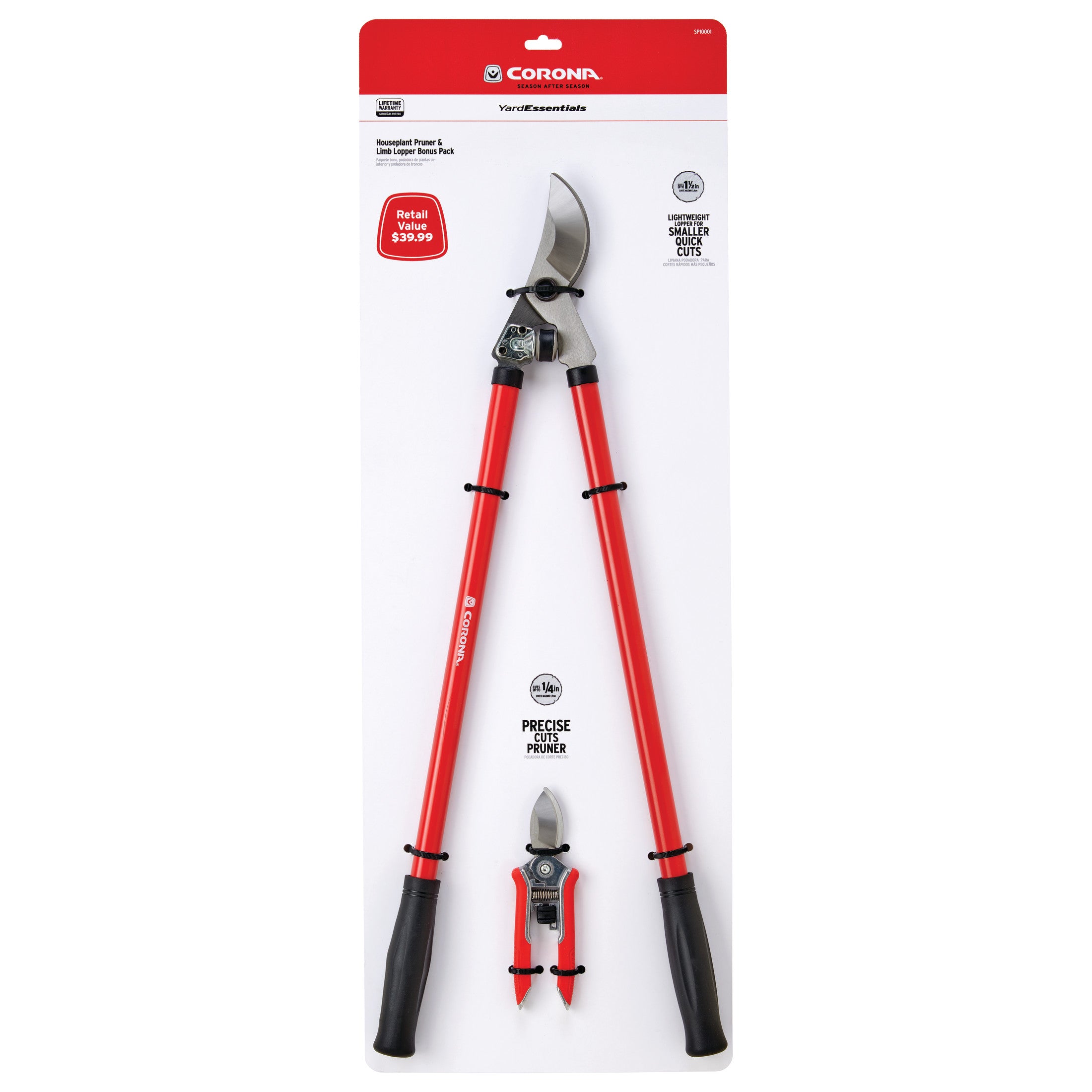
The main difference between a lopper and a pruner is size, cutting capacity, and how each tool is used. Pruners are compact hand tools for small branches and stems. Loppers have long handles that create more leverage for larger branches.
Think of pruners as garden scissors and loppers as strong branch cutters. Both may use bypass or anvil blades, but their handles and cutting ranges are not the same.
Here is a simple comparison:
| Feature | Pruners | Loppers |
|---|---|---|
| Typical use | Small stems and branches | Medium and large branches |
| Operation | One hand | Usually two hands |
| Handle length | Short | Long |
| Cutting capacity | Often up to about ¾ inch | Often about 1 to 2 inches |
| Main benefit | Precision and speed | Leverage and reach |
| Best for | Flowers, shrubs, herbs, and young growth | Trees, thick shrubs, and woody branches |
The exact cutting limit varies by brand, blade design, wood type, and tool condition. Always follow the manufacturer’s rating instead of forcing a tool beyond its safe range.
What Is a Pruner?
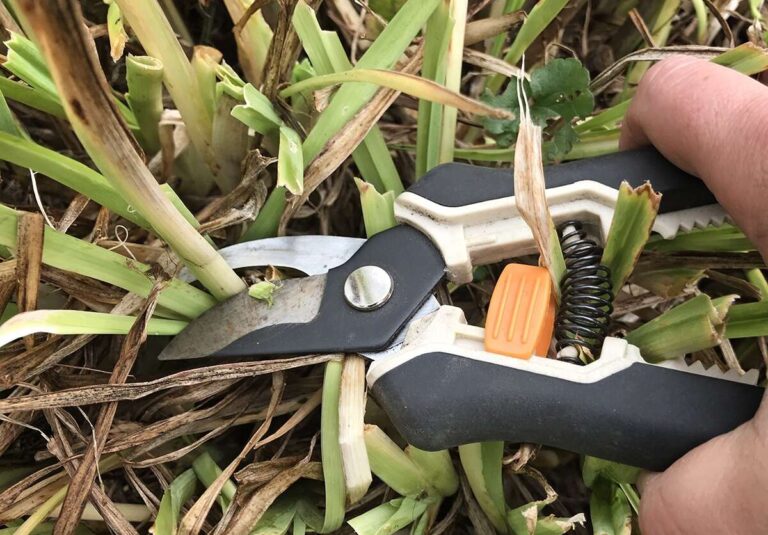
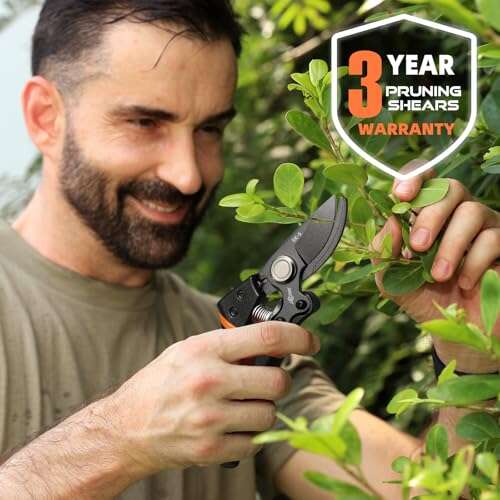
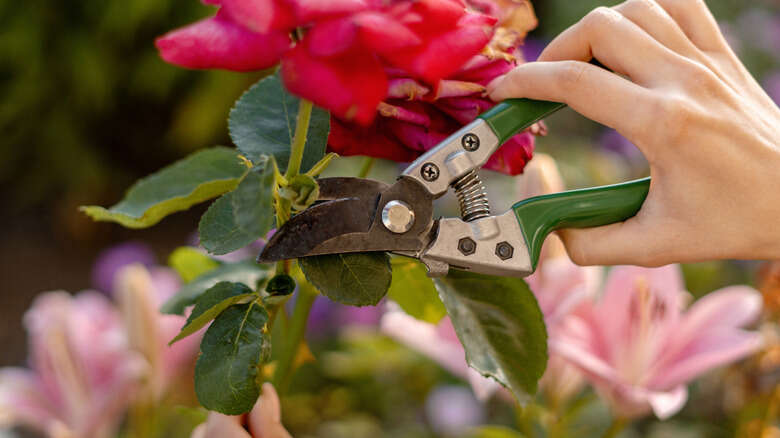
A pruner, also called a hand pruner, pruning shear, or secateur, is a small cutting tool designed for one-handed use. It has short handles, a compact blade, and a spring that opens the handles after each cut.
Pruners work well on fresh stems, flower stalks, small twigs, and thin branches. They are easy to carry and allow you to work close to a plant without damaging nearby growth.
Most garden pruners fall into three main types:
Bypass pruners
Bypass pruners have one sharpened blade that passes by a thicker metal blade. This action is similar to scissors. They usually make the cleanest cut on living wood.
Use bypass pruners for:
• Green stems
• Rose canes
• Young fruit tree branches
• Perennial flowers
• Small shrub growth
A clean bypass cut can help reduce crushed tissue. The cut should still be made just outside the branch collar or above a healthy bud.
Anvil pruners
Anvil pruners have a sharp blade that closes against a flat surface. They can provide strong cutting power, but they may crush soft or green stems if used poorly.
Anvil pruners are often useful for:
• Dry branches
• Hard, dead wood
• Tough woody stems
• Small cuts where crushing is less concerning
For live plants, bypass pruners are usually the safer first choice.
Ratchet pruners
Ratchet pruners use a step-by-step cutting action. They allow you to close the handles several times during one cut. This design can help people with limited hand strength.
Ratchet tools may feel slower, but they reduce strain. They are useful when a normal pruner feels too hard to close.
What Is a Lopper?
A lopper is a long-handled pruning tool made for cutting branches that are too thick for standard pruners. Its extended handles increase leverage, so you can cut larger wood with less hand force.
Most loppers have handles between roughly 16 and 36 inches long. Some models have telescoping handles for extra reach. Longer handles can help you reach branches, but they may also feel heavier and less precise.
Loppers come in several common styles:
Bypass loppers
Bypass loppers use the same scissor-like action as bypass pruners. One curved blade passes the other during the cut.
They are usually best for live branches because they make a cleaner cut. Many gardeners use them for fruit trees, ornamental shrubs, and young tree limbs.
Anvil loppers
Anvil loppers have one sharpened blade that closes against a flat plate. They are useful for dry, hard, or dead branches.
They can cut tough wood with strong force. However, they may crush living tissue, especially when the branch is flexible or the tool is dull.
Compound-action loppers
Compound-action loppers use several moving parts to increase cutting power. They often feel smoother when cutting thick branches.
The trade-off is weight. A compound-action model may be powerful, but it can tire your arms during long pruning sessions.

When Should You Use Pruners?
Use pruners when the branch is small enough to cut with one hand and you can reach it without stretching or twisting. A good rule is to use them for stems that close easily inside the blade.
Pruners are ideal for routine plant care, such as:
• Removing spent flowers
• Cutting back herbs
• Shaping young shrubs
• Removing small suckers
• Deadheading roses
• Trimming thin grapevines
• Cutting small fruit tree twigs
If you must squeeze the handles with both hands, the branch is probably too large. Forcing pruners can bend the blade, damage the tool, or create a rough plant wound.
In my practical experience with pruning tasks, the most common mistake is choosing a small tool because it feels convenient. That choice often leads to repeated cuts, crushed wood, and sore fingers. Moving to a lopper at the right time makes the work faster and cleaner.
When Should You Use Loppers?
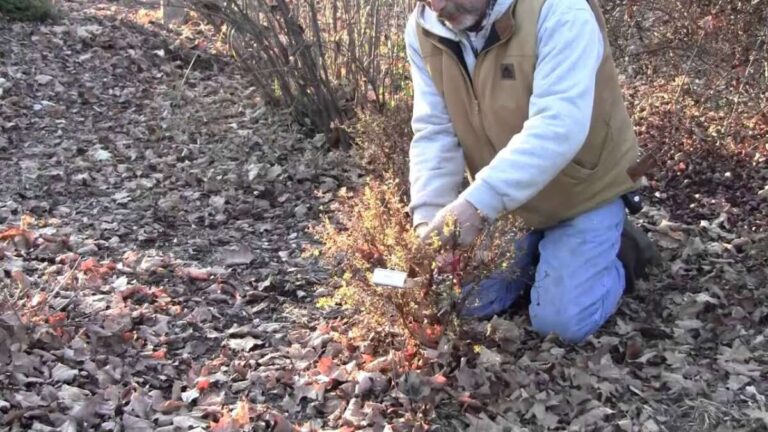
Use loppers when a branch is too thick for pruners or when you need more leverage. They are especially helpful for mature shrubs, fruit trees, and small limbs.
Loppers are useful for:
• Cutting thick tree suckers
• Removing dead branches
• Reducing overgrown shrubs
• Cutting back large rose canes
• Removing water sprouts
• Pruning young tree limbs
• Reaching branches above shoulder height
Do not use loppers as a replacement for a pruning saw. Most loppers are not designed for very large limbs. If the branch does not fit comfortably in the jaws, stop and use a saw made for that size of wood.
A useful safety rule is simple: let the tool do the work. Stand firmly, keep your hands clear of the blades, and avoid pulling sideways while the jaws are closed around a branch.
Bypass vs. Anvil: Which Blade Is Better?
The right blade depends on whether you are cutting live wood or dead wood. Bypass tools usually suit living branches, while anvil tools often suit dry branches.
Choose bypass when:
• The branch is green or flexible
• You want a smooth, clean cut
• You are pruning roses or fruit trees
• You are shaping live shrubs
Choose anvil when:
• The branch is dry or dead
• The wood is very hard
• Crushing will not harm the plant
• You need extra force for a tough cut
Blade sharpness matters as much as blade style. A dull bypass tool can crush wood, and a dirty tool can spread plant disease. Clean the blades between plants when disease is a concern, especially in orchards, rose gardens, and vegetable beds.
Many horticulture professionals recommend disinfecting tools between cuts on visibly diseased plants. A suitable disinfectant and correct contact time matter, so follow the product label.
Lopper vs. Pruner: Which Tool Should You Buy?
The best tool depends on your plants, branch sizes, strength, and reach. Many gardeners do not need to choose only one. A basic pruning kit often includes both.
Choose pruners if:
• You mostly care for flowers and small shrubs
• Your branches are thin
• You want a lightweight tool
• You need careful, close cuts
• You prune for long periods
Choose loppers if:
• You maintain trees or large shrubs
• You cut branches thicker than your pruners can handle
• You need extra reach
• Hand strength is a concern
• You often remove dead wood
When comparing models, look for these features:
- A comfortable grip that does not slip.
- A sharp, replaceable blade.
- A strong lock that keeps the tool closed during storage.
- Handles that match your height and reach.
- A weight you can control safely.
- A warranty or replacement-parts policy.
- A cutting capacity that matches your actual work.
A lightweight tool is not always the best tool. If it flexes during a cut, it may waste energy and create an uneven wound. A heavier tool is also not automatically better if it causes arm fatigue.

How to Use Pruners and Loppers Correctly
Good technique protects both the plant and the gardener. Before making a cut, study the branch and decide where you want it to grow next.
Follow these steps:
- Check for power lines, unstable branches, insects, and other hazards.
- Select a branch that is within the tool’s rated cutting capacity.
- Find the branch collar, which is the slightly swollen area where a branch joins another limb.
- Position the blade just outside the collar.
- Make one smooth cut when possible.
- Avoid leaving a long stub.
- Do not cut flush against the trunk or parent branch.
- Clean the tool before storing it.
When cutting above a bud, angle the cut slightly away from the bud. This allows water to run away from the bud and encourages growth in the direction you choose.
A common mistake is making many small cuts around the same branch. This can leave a ragged surface. One clean cut with the correct tool is usually better than several forced cuts with the wrong one.
Common Mistakes to Avoid
Understanding what is the difference between a lopper and a pruner is only the first step. Using either tool incorrectly can harm the plant or shorten the tool’s life.