Which Tool Need To Transfer Plant To Different Pot: Tools
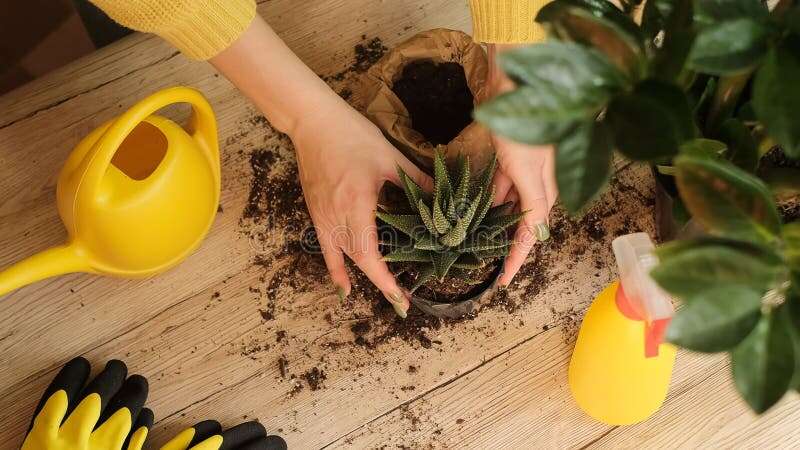
A hand trowel, clean scissors, gloves, a fresh pot, and a drainage layer are the main tools for moving a plant safely.
Knowing which tool need to transfer plant to different pot can make repotting much easier and far less stressful for your plant. The right tools protect delicate roots, reduce mess, and help you settle the plant into fresh soil with care. This guide explains what each tool does, what you truly need, and how to repot with confidence.
Essential tools for transferring a plant to a different pot
The best tool kit does not need to be large. Most houseplants can be moved with a few simple items that you may already have at home.
If you are asking which tool need to transfer plant to different pot, start with these essentials:
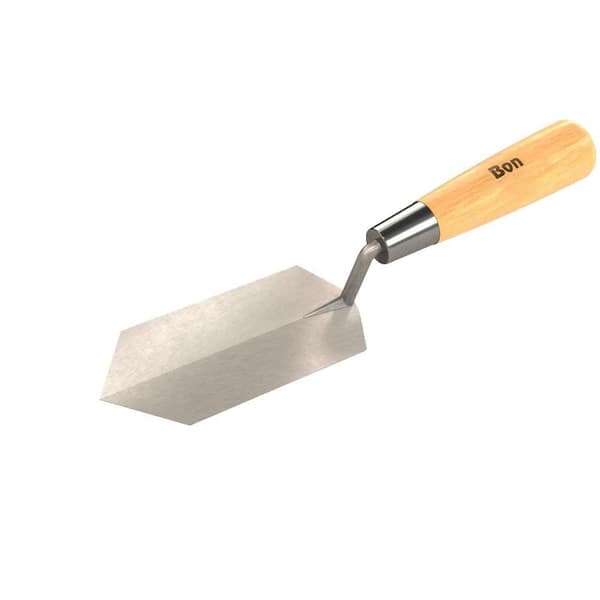
• Hand trowel: A small scoop helps remove soil and place fresh potting mix.
• Gardening gloves: Gloves protect your hands from rough roots, sharp leaves, sap, and soil.
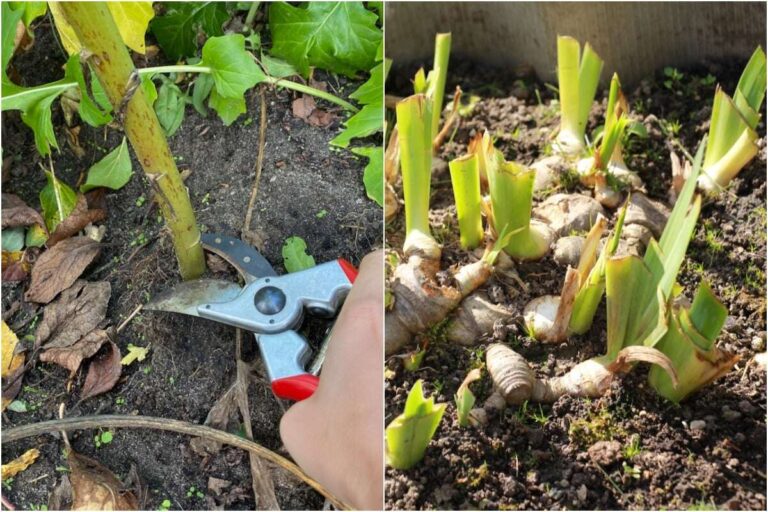
• Clean pruning scissors: Sharp scissors trim dead roots, damaged roots, and yellow leaves.
• New plant pot: Choose a pot with drainage holes and enough room for healthy root growth.
• Fresh potting mix: Use soil suited to the plant, such as cactus mix, orchid bark mix, or standard houseplant mix.
• Small brush: A soft brush removes loose soil from roots and cleans the pot rim.
• Watering can: A narrow spout helps you water the new soil without washing it away.
• Plastic sheet or tray: This catches soil and makes cleanup much easier.
• Chopstick or bamboo stick: This tool helps guide soil into gaps around the roots.
A hand trowel is usually the most useful single tool. However, it cannot replace clean scissors, a suitable pot, or fresh soil. Successful repotting depends on using the tools together.
Which tool need to transfer plant to different pot safely?
The exact tools depend on the plant, its size, and the condition of its roots. A small succulent needs less equipment than a large rubber plant or a root-bound snake plant.
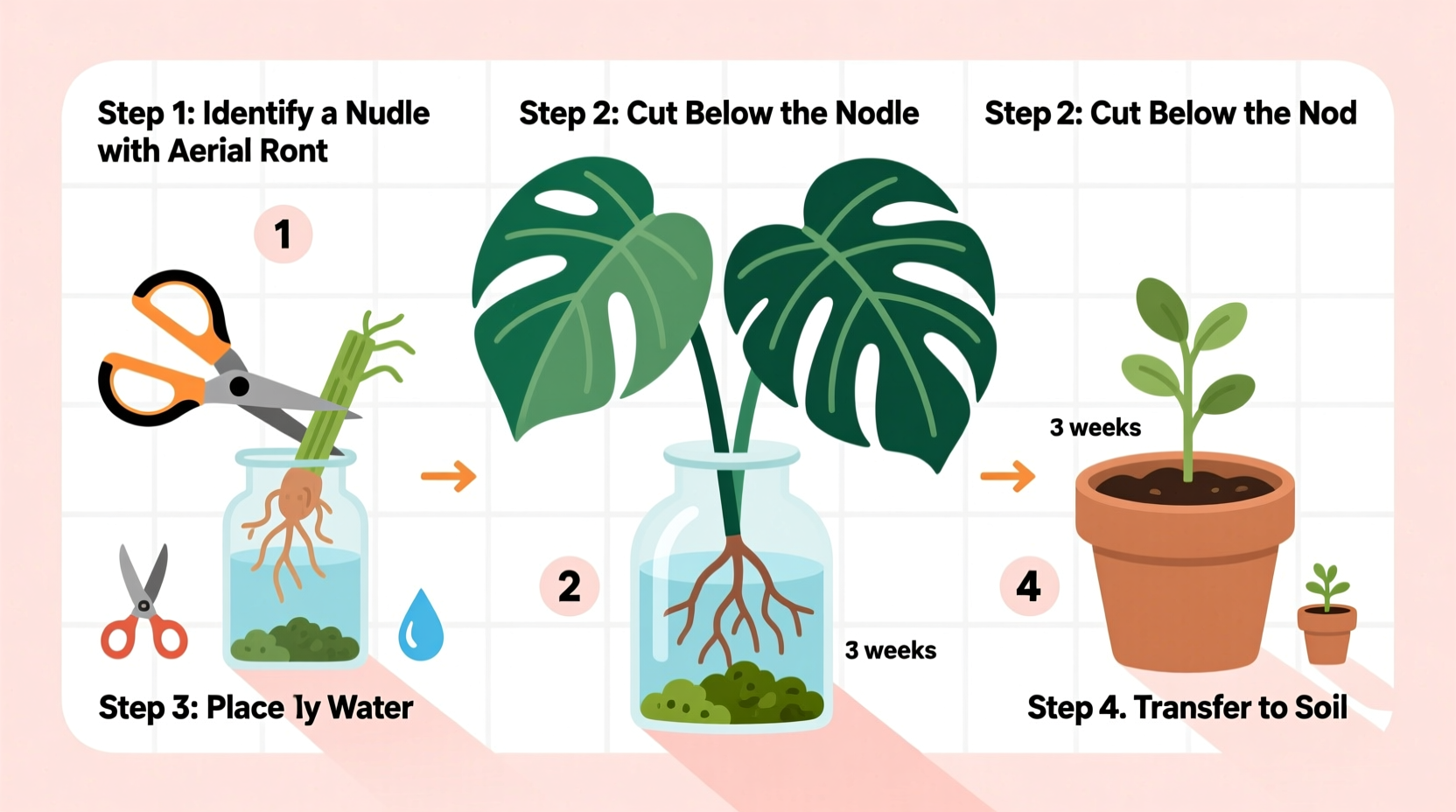
For most small and medium plants, use this basic combination:
-
Prepare a clean work surface with a tray or plastic sheet.
-
Use a hand trowel to loosen soil around the pot edge.
-
Use your fingers or gloves to support the plant at its base.
-
Slide the plant out without pulling hard on the leaves or stems.
-
Use clean scissors to remove rotten or broken roots.
-
Add fresh soil with the trowel.
-
Use a chopstick to fill empty spaces around the root ball.
-
Water lightly after the plant is stable.
The key tool is not always a physical object. Your hands are also important. Hold the plant near the soil line, not by the stem tip. This prevents crushing the stem or breaking new growth.
A narrow plant label can also help when several plants are being repotted. You can write the plant name, repotting date, and soil type. This small habit makes future care more accurate.

Choosing the right pot for repotting
A new pot is one of the most important tools needed to transfer a plant to a different pot. The pot should support the root system without holding too much wet soil.
Choose a pot that is about 1 to 2 inches wider than the current pot for most houseplants. A much larger pot may look attractive, but it can trap extra moisture around the roots. Wet soil can reduce oxygen and increase the risk of root rot.
Look for these features:
• Drainage holes: These allow extra water to escape.
• Stable shape: A heavy plant needs a strong pot that will not tip over.
• Smooth inner surface: This makes future removal easier.
• Suitable depth: Deep-rooted plants need more depth, while shallow-rooted plants may prefer a wider pot.
• Safe material: Terracotta dries faster, while plastic holds moisture longer.
A pot saucer is useful for protecting tables and floors. Empty the saucer after watering so the plant does not sit in standing water.
Do not place gravel at the bottom of a pot as a substitute for drainage holes. This can create a raised water layer and keep roots wetter than expected. Good drainage comes from the pot hole and a suitable soil mix.

Tools for removing a plant from its old pot
Removing the plant is often the most delicate stage. Roots may cling to the pot, especially when the plant is root-bound.
Use the following tools and methods:
• Hand trowel: Run it around the inside edge of the pot to loosen compacted soil.
• Blunt butter knife: A clean, dull knife can help separate soil from a smooth pot. Use care and keep it away from the roots.
• Rubber gloves: These improve your grip when the pot is slippery.
• Wooden stick: A chopstick can loosen tight soil without cutting roots.
• Clean towel: Wrap it around the pot when you need extra grip.
For a flexible plastic pot, gently squeeze the sides. For a firm pot, tap the bottom and sides with your palm. Turn the pot slowly and let gravity help.
Never pull a plant forcefully by its stem. If the plant will not move, loosen more soil around the edges. For a severely stuck plant, cutting a thin plastic nursery pot may be safer than damaging the roots.
One lesson experienced plant keepers learn is that patience is a tool, too. A few extra minutes of gentle work can prevent weeks of recovery.

Why clean scissors matter when repotting
Clean pruning scissors are among the most important tools needed to transfer a plant to a different pot. They help remove unhealthy roots and reduce the spread of bacteria or fungi between plants.
Before using scissors, wipe the blades with rubbing alcohol and allow them to dry. Use sharp blades that make a clean cut. Dull scissors can crush roots instead of cutting them.
Trim roots only when there is a clear reason, such as:
• Black, soft, or mushy roots
• Completely dry and dead roots
• Broken roots
• Roots carrying signs of decay
Healthy roots are often firm and pale, tan, or light brown. Do not cut healthy roots simply because they look crowded. A crowded root ball can often be loosened gently with your fingers.
After trimming, avoid soaking the cut roots right away. Place the plant into fresh, lightly moist soil, then wait before giving heavy water. This reduces stress and allows damaged tissue to settle.
Some plants have irritating sap. Wear gloves when handling plants such as philodendrons, dieffenbachia, rubber plants, or euphorbia. Keep cuttings and sap away from children and pets.