What Implement To Dig Hole In Garden For Tree: Best Tools
The best implement to dig a hole in a garden for a tree is a sharp spade, supported by a shovel, mattock, or post-hole digger.
Knowing what implement to dig hole in garden for tree work depends on soil type, tree size, and root space. After planting many trees in clay, sandy soil, and rocky ground, I have learned that the right tool saves time, protects your back, and helps the tree establish strong roots. This guide explains which tools to use, when to use them, and how to dig a healthy planting hole.

The Best Tools for Digging a Tree Planting Hole
For most garden trees, a sharp digging spade is the best first choice. Its flat blade cuts clean edges through turf and soil. A pointed shovel is also useful because it breaks into firm ground and lifts loose soil.
The right answer to what implement to dig hole in garden for tree is not always one tool. A small tree in soft soil needs less equipment than a large tree in compacted clay. Most homeowners can complete the job with a few basic tools.
Useful tools include:
• Digging spade: Best for cutting through grass, shaping the hole, and slicing roots.
• Pointed shovel: Useful for breaking hard soil and lifting loose earth.
• Garden fork: Helps loosen compacted soil without removing too much healthy soil.
• Mattock or grub hoe: Ideal for hard clay, packed ground, and small rocks.
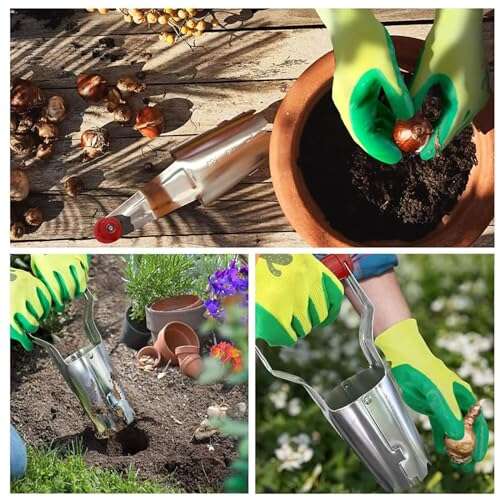
• Post-hole digger: Helpful for narrow, deep holes, though it is not always the best choice for a wide tree hole.
• Pickaxe: Useful in very rocky soil, but use it carefully near underground utilities.
• Wheelbarrow: Makes it easier to move soil, compost, and mulch.
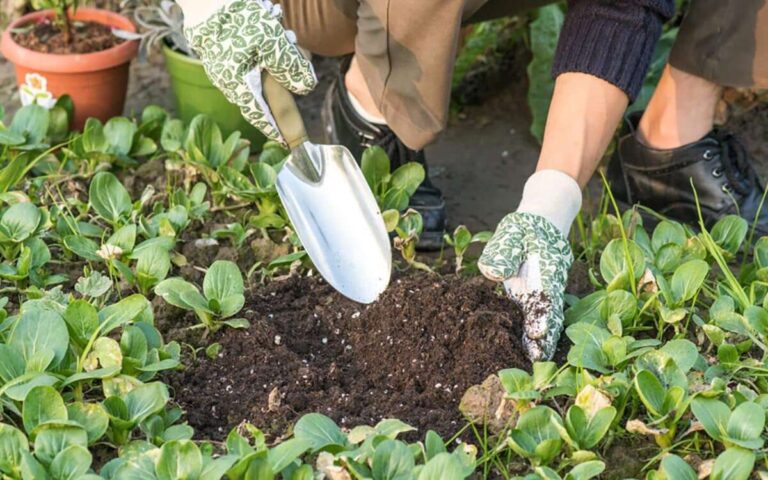
• Hand trowel: Best for small saplings, container trees, and final root adjustments.
• Measuring tape: Helps you check the correct hole width and depth.
A tree hole should usually be two to three times wider than the root ball. Its depth should match the height of the root ball, not exceed it. A wide, shallow hole allows new roots to spread into the surrounding soil.

Choosing the Right Tool for Your Soil
Soil conditions often matter more than tree size. Soft loam is easy to dig with a spade. Dense clay may need a garden fork or mattock. Rocky soil can require a pickaxe, but it also calls for patience and careful inspection.
When deciding what implement to dig hole in garden for tree, test the soil before you begin. Push a metal rod or shovel into the ground. If it enters easily, a spade may be enough. If the surface is hard and dry, water the area lightly one day before digging.
Tools for clay soil
Clay soil can feel like brick when dry and sticky like dough when wet. Digging it at either extreme can be frustrating. Slightly moist clay is easier to work.
Use these tools:
• Sharp spade for cutting the outline
• Garden fork for loosening compacted layers
• Mattock for very hard sections
• Flat shovel for removing loosened soil
Avoid turning the hole into a smooth, glazed bowl. Shovel blades can polish wet clay. Roots may struggle to cross those slick walls. Roughen the sides with a fork before planting.
Tools for sandy soil
Sandy soil is usually easy to dig, but the sides may collapse. A spade and small shovel are often enough. Work in short sections and avoid making the hole much deeper than needed.
Sandy soil drains quickly. The main challenge is often moisture retention, not digging. Add organic matter across the planting area only if soil tests or local guidance support it. Too much compost in the hole can create a soft pocket that holds roots in one place.
Tools for rocky or compacted soil
A mattock is often the best implement for breaking hard ground around rocks. A digging bar can help loosen large stones. Use a pickaxe only when needed, since it can damage nearby roots, irrigation lines, or utility cables.
Contact the appropriate utility-locating service before digging. In the United States, calling 811 is the standard way to request underground utility marking before excavation.

Spade or Shovel: Which Is Better?
A spade and a shovel may look similar, but they do different jobs. A spade has a flatter blade and a straighter edge. It is excellent for cutting sod and making a clean planting hole.
A shovel usually has a curved blade. It is better for scooping and moving loose soil. For many tree planting jobs, the best approach is to use both.
If someone asks what implement to dig hole in garden for tree, I usually recommend a sharp spade first. Then I suggest a pointed shovel for lifting soil and a garden fork for loosening the hole sides.
When to use a spade
Use a spade to:
• Mark the planting area
• Cut through grass and roots
• Create a clean hole shape
• Slice away compacted soil
• Trim damaged roots around the edge of the root ball
When to use a shovel
Use a shovel to:
• Remove loose soil
• Move soil into a wheelbarrow
• Backfill around the root ball
• Blend soil amendments outside the hole
A sharp blade matters more than an expensive brand. A dull tool forces you to use extra strength. It can also cause awkward movements that strain your wrists and lower back.
How to Dig the Correct Hole for a Tree
The tool is important, but technique matters just as much. A poorly shaped hole can cause planting problems even when you use the best equipment.
Follow these steps:
-
Check the mature size of the tree. Make sure the location has enough room for branches and roots.
-
Look for underground utilities, irrigation lines, drains, and cables.
-
Place the tree in its container at the planting site to judge spacing and light.
-
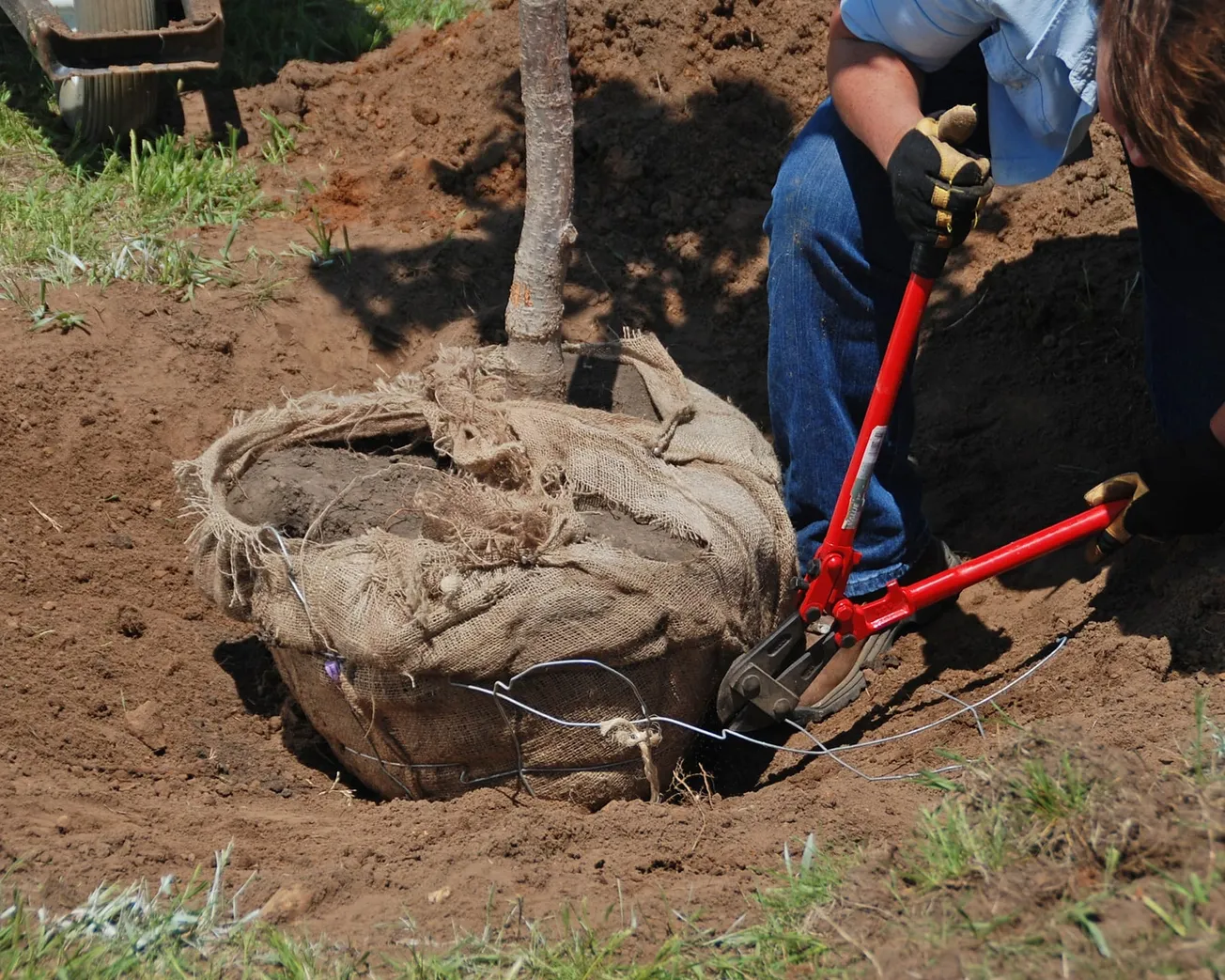
Measure the root ball width and height.
-
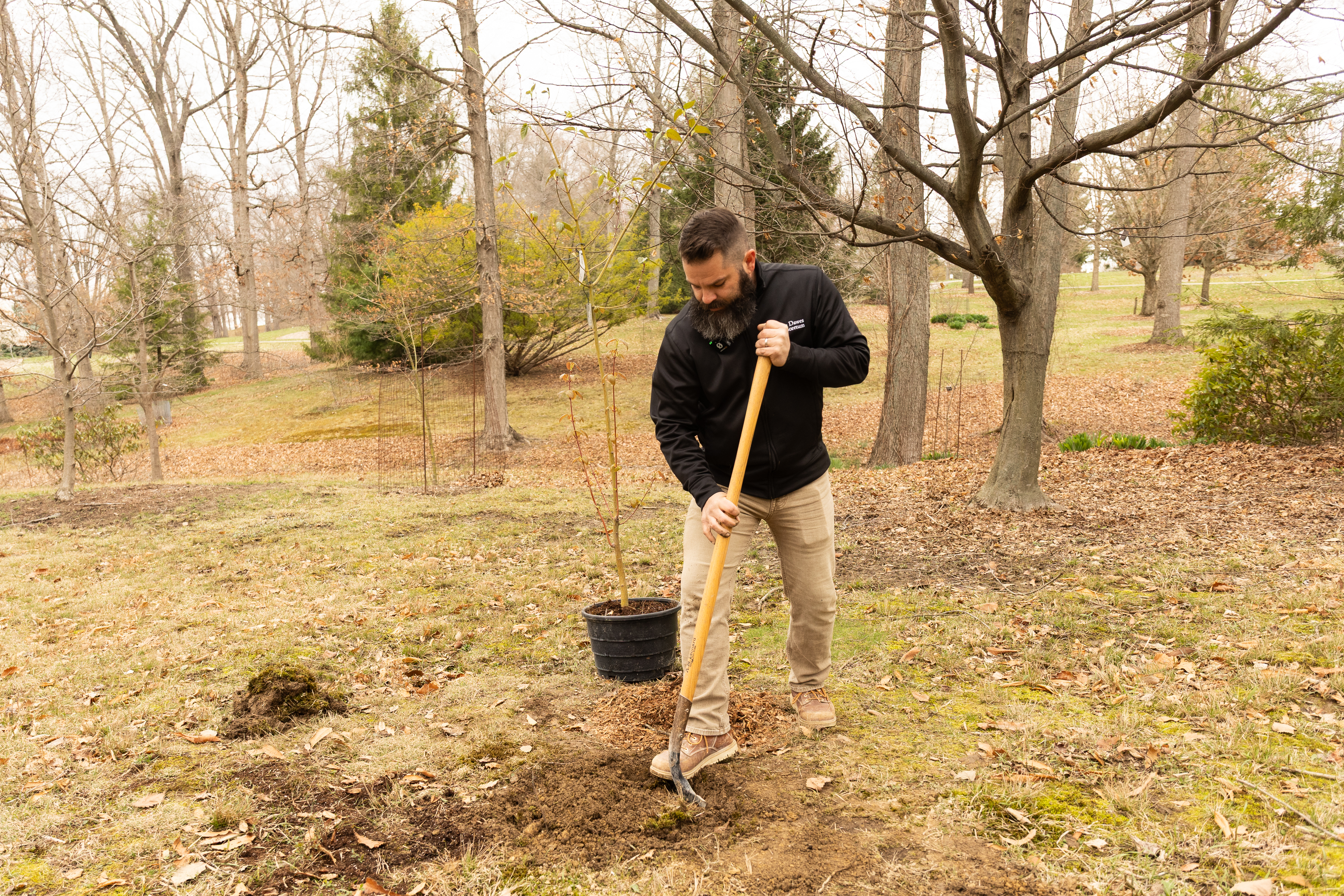
Mark a circle two to three times wider than the root ball.
-
Cut through turf with a sharp spade.
-
Remove the grass and place it aside if it is free from weeds.
-
Dig only as deep as the root ball height.
-
Roughen smooth sides with a garden fork.
-
Check the depth by placing the root ball in the center of the hole.
-
Set the tree so the root flare sits at or slightly above the surrounding soil.