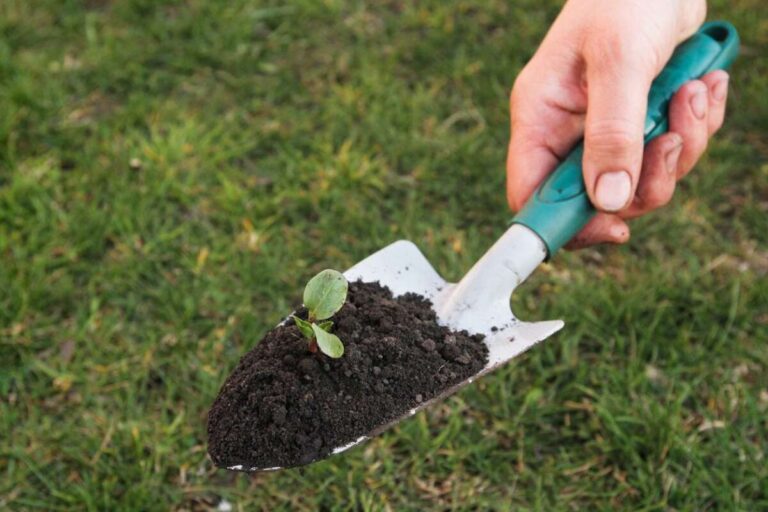
How To Care For A Hand Trowel: Easy Maintenance Guide
Clean, dry, protect, and store your hand trowel well to prevent rust and extend its life.
A hand trowel may be small, but it does hard work in compacted soil, wet beds, and rough garden compost. Learning how to care for a hand trowel keeps the blade strong, the handle safe, and each planting job easier. With a few minutes of care after use, you can prevent rust, remove harmful soil buildup, and avoid early replacement.

Why Hand Trowel Care Matters
A hand trowel is a digging, planting, and scooping tool. It often touches damp soil, plant sap, fertilizer, grit, and mud. These materials can hold moisture against the blade and slowly damage both metal and wood.
Good care does more than improve the tool’s looks. It helps the blade move through soil with less effort. It also reduces the risk of splinters, loose handles, sharp rust spots, and broken parts.
The main benefits of learning how to care for a hand trowel include:
• Longer tool life
• Better digging performance
• Less rust and corrosion
• A cleaner garden tool collection
• Safer handling
• Lower replacement costs
In my experience, most trowels do not fail because they are used often. They fail because wet soil is left on them for days. A quick clean after each use can prevent most common problems.

How to Clean a Hand Trowel After Use
Cleaning is the most important part of how to care for a hand trowel. Try to clean it soon after gardening, while the soil is still soft. Dried clay can become hard as cement and may require force that bends or scratches the blade.
Follow these simple steps:
-
Knock off loose soil over the garden bed or compost pile.
-
Rinse the blade with clean water.
-
Use a stiff nylon brush to remove stuck soil.
-
Scrub around the joint where the blade meets the handle.
-
Wipe away plant sap, fertilizer, and other residue.
-
Dry the full tool with a clean cloth.
Avoid putting a muddy trowel straight into a shed or tool bucket. Even stainless steel can stain when dirt traps moisture against its surface. A dry tool is far less likely to develop corrosion.
For heavy clay, soak only the metal blade in warm water for a short time. Do not soak a wooden handle. Water can enter the wood fibers, causing swelling, cracking, or a loose connection.

How to Remove Rust From a Hand Trowel
Small rust spots are common on carbon steel tools. They do not always mean the trowel is ruined. Early treatment can stop the rust before it weakens the blade.
Start by brushing away loose flakes with a wire brush or coarse steel wool. Work gently and keep the tool stable. You want to remove rust without grinding away useful metal.
For light surface rust, make a paste with baking soda and a small amount of water. Rub it over the affected area with a cloth or soft brush. Rinse the blade, dry it fully, and apply a thin protective coat of oil.
For heavier rust, a commercial rust remover may help. Always read the product label and wear gloves and eye protection. Some rust removers contain acids and should not touch skin, plants, pets, or food surfaces.
Do not use a rusty tool around edible crops until it has been cleaned well. Rust itself is not the same as a dangerous toxin, but dirty tools can spread soil-borne plant diseases. Clean tools are a better choice for transplanting vegetables and herbs.
Knowing how to care for a hand trowel means treating rust early. A small orange mark is easy to manage. Deep pits, cracks, or a badly weakened blade may mean it is time to replace the tool.

How to Protect a Hand Trowel From Rust
After cleaning and drying, protect the metal with a very thin coat of oil. This creates a barrier between the blade and damp air.
Suitable choices include:
• Food-grade mineral oil for tools used around edible plants
• Camellia oil for general garden tool care
• A manufacturer-approved tool oil
Place a few drops on a cloth and wipe the blade. The surface should look lightly polished, not wet or dripping. Too much oil attracts dust and can make the handle slippery.
Avoid using cooking oils such as olive or vegetable oil. They can become sticky, turn rancid, and hold dirt against the metal. Used motor oil is also a poor choice because it may contain harmful chemicals.
If you use a trowel for food gardening, choose a clean, food-safe oil. Wipe away excess oil before the next use, especially if the blade will touch roots, herbs, or soil near edible crops.
Oil is helpful, but it cannot replace proper storage. Moisture control remains the key part of how to care for a hand trowel.
How to Sharpen a Hand Trowel
A sharp trowel cuts through soil more easily than a blunt one. This is especially useful when planting bulbs, dividing perennials, or working in compacted beds.
Most hand trowels do not need a razor edge. A strong, slightly polished edge is better because it can handle stones and roots without becoming fragile.
To sharpen a hand trowel:
-
Secure the tool in a vise or hold it firmly with a gloved hand.
-
Use a mill file or sharpening stone.
-
Follow the existing bevel on the edge.
-
Push the file in one direction rather than rubbing back and forth.
-
Make a few even passes on each side.
-
Remove sharp burrs with a fine stone or emery cloth.
Wear eye protection when filing metal. Keep your fingers behind the file, and work slowly. A few controlled strokes are safer than trying to remove a large amount of metal at once.
Do not sharpen a trowel if the blade is cracked, badly bent, or deeply pitted. Sharpening cannot repair structural damage. In that case, replacement is safer.
How to Care for a Wooden Trowel Handle
A wooden handle feels warm and comfortable, but it needs protection from water and neglect. Check it often for cracks, rough areas, loose movement, or dark marks that may suggest moisture damage.
Sand small rough spots with fine-grit sandpaper. Move with the grain of the wood. Wipe away the dust, then apply a light coat of boiled linseed oil or another finish approved for garden tool handles.
Allow the finish to dry fully before using the trowel. Store oily rags safely because some oil-soaked cloths can heat up and catch fire when bunched together. Follow the product’s safety instructions.
Never leave a wooden-handled trowel standing in a bucket of water. This is one of the easiest ways to loosen the handle and damage the wood. If the handle feels loose, stop using the tool until you repair or replace the connection.
In my early gardening days, I left a favorite wooden-handled trowel in wet soil overnight. The handle became rough, and the blade joint loosened within a few weeks. That small mistake taught me that drying the tool takes less time than repairing it.

How to Care for a Plastic or Composite Handle
Plastic and composite handles usually need less care than wood. Still, they can crack after hard impacts, long exposure to sunlight, or freezing temperatures.
Wash the handle with mild soap and water. Avoid strong solvents unless the manufacturer allows them. Solvents can weaken plastic, remove grip texture, or make the surface brittle.
Inspect the point where the handle joins the blade. A small crack can grow when you press down with your palm. Replace the tool if the handle flexes too much or no longer feels secure.
A comfortable grip matters. If the handle becomes very smooth, sticky, or damaged, it may reduce control. Good hand trowel care includes checking how the tool feels, not just how it looks.
How to Disinfect a Hand Trowel
Disinfecting can help reduce the spread of plant diseases. It is most useful after working with a plant that shows signs of root rot, bacterial disease, fungal disease, or an unknown infection.
First, remove all soil and plant matter. Disinfectants work poorly when dirt covers the metal. Then use a suitable household disinfectant according to the label directions.
A diluted bleach solution is sometimes used for garden tools, but it can corrode metal if left on the surface. If you use bleach, follow the correct dilution on the product label, limit contact time, rinse the trowel well, and dry it at once. Never mix bleach with ammonia, vinegar, or other cleaners.
Rubbing alcohol can be useful for quick disinfection when used according to label instructions. Keep it away from flames and allow the tool to dry before use.
Disinfection is not needed after every normal planting task. Routine cleaning is usually enough. Use extra care when moving between sick plants or pruning several plants in a row.

Best Way to Store a Hand Trowel
The best storage area is dry, shaded, and easy to reach. A wall rack, pegboard, or tool shelf works well because it keeps the trowel off damp floors.
Before storage, make sure the tool is:
• Free of soil
• Fully dry
• Lightly protected with oil if needed
• Safe from heavy objects
• Easy to inspect
Do not store a trowel buried in wet potting mix, standing in a water-filled bucket, or lying outside in the rain. These habits create constant moisture and speed up rust.
In cold regions, bring garden tools into a shed or garage before freezing weather. Water trapped in joints or cracks can expand as it freezes. Although this damage may be gradual, repeated freezing can weaken handles and coatings.
A simple storage routine is one of the most effective answers to how to care for a hand trowel. Clean it, dry it, hang it, and check it before the next season.
How Often Should You Maintain a Hand Trowel?
Clean the trowel after every use. This quick habit prevents most dirt and moisture problems.
Apply protective oil when the metal looks dry, after removing rust, or before long-term storage. The exact schedule depends on your climate. Damp coastal areas and wet sheds require more frequent protection than dry indoor storage.
Inspect the tool at these times:
• After each use for soil and damage
• Once a month during the gardening season
• Before planting in spring
• Before storing it for winter
• After using it near diseased plants
A seasonal inspection takes only a few minutes. Look closely at the blade, handle, joint, grip, and hanging hole. Early repairs are easier and less costly than fixing a broken tool during a busy planting day.
Common Hand Trowel Care Mistakes
Even careful gardeners can damage tools through simple habits. Avoid these common mistakes:
• Leaving soil on the blade: Dirt holds moisture and may cause corrosion.
• Storing the tool wet: Water trapped near the joint can loosen the handle.
• Using cooking oil: It may become sticky and rancid.
• Applying too much oil: Excess oil attracts grit and dust.
• Using a trowel as a pry bar: The blade may bend or snap.
• Striking stones with the blade: Hard impacts can create chips and cracks.
• Using harsh cleaners without checking the label: Some chemicals damage coatings and handles.
• Ignoring a loose handle: The tool may fail while you are applying pressure.
• Cleaning only the blade: Soil and moisture often collect under the grip and around the joint.
The best hand trowel care is gentle and regular. Treat the tool as a precision garden instrument rather than a piece of scrap metal.
Choosing a Durable Hand Trowel
Care begins with buying a tool that can handle your garden. Look for a blade that is thick enough for normal digging and a handle that feels secure in your hand.
Common blade materials include:
• Stainless steel: Resists rust and is easy to clean, but may still stain or corrode under poor storage.
• Carbon steel: Strong and easy to sharpen, but needs regular drying and oiling.
• Aluminum: Lightweight and naturally resistant to rust, but may bend under heavy force.
Choose the material based on your soil and habits. If you often forget to dry tools, stainless steel may be more forgiving. If you work in hard soil and want a strong cutting edge, carbon steel may suit you better.
A comfortable handle can reduce hand strain. Hold the trowel before buying if possible. The grip should feel stable without forcing your fingers into an awkward position.
No material is maintenance-free. Even the best trowel benefits from cleaning, drying, inspection, and proper storage.
Frequently Asked Questions About How to Care for a Hand Trowel
How do you clean a hand trowel?
Remove loose soil, rinse the blade, and scrub stuck dirt with a stiff brush. Dry the entire tool before storing it, especially around the blade and handle joint.
What oil is best for a hand trowel?
Food-grade mineral oil is a practical choice for tools used around edible plants. Apply only a thin layer and wipe away excess oil before using the trowel.
Can you leave a hand trowel outside?
It is best not to leave a hand trowel outside. Rain, dew, and damp soil can cause rust and weaken wooden handles, even when the tool has a protective coating.
How do you remove rust from a hand trowel?
Remove loose rust with a wire brush, steel wool, or a suitable rust remover. Rinse and dry the blade, then apply a thin coat of protective oil.
Should you disinfect a hand trowel?
Disinfect a trowel after working with diseased plants or moving between different plants. Clean away all soil first, and follow the disinfectant label to prevent metal damage.
How often should you sharpen a hand trowel?
Sharpen a trowel when the edge feels blunt or the tool struggles to enter soil. Most home gardeners may need only occasional sharpening during the growing season.
Can a cracked trowel handle be repaired?
A minor surface crack may sometimes be repaired, but a handle that moves, splits, or feels unsafe should be replaced. Do not keep using a tool that could break under pressure.
Conclusion
Caring for a hand trowel is simple: remove soil after each use, wash away residue, dry the tool completely, protect the metal, and store it in a dry place. Check the handle and blade often, sharpen the edge when needed, and disinfect the tool after working with diseased plants.
These small habits protect your investment and make every planting task smoother. Start today by cleaning and drying the trowel you last used, then share your favorite garden tool care tip in the comments.

Laura Bennett is a gardening writer at MyGardenLabs who creates beginner-friendly guides focused on solving common plant care and gardening problems.