Best Tools For Digging Holes In Confined Spaces: Top Picks
The best tools for digging holes in confined spaces combine reach, control, sharp edges, and safe handling.
A fence post beside a wall, a plant near tree roots, or a repair hole under a deck can turn a simple job into a cramped struggle. Large shovels cannot swing, and powered tools may damage nearby pipes or roots. I tested the main tool types by looking at reach, bite, balance, blade shape, and control. This guide helps you choose the best tools for digging holes in confined spaces, whether you need a narrow post-hole digger, a root cutter, or a small hand tool for careful work.
DAKEPOLE 55-Inch Post Hole Digger

The DAKEPOLE post hole digger is a strong pick when you need depth without a wide swing. Its 55-inch handle lets me work while standing, which helps near fences, sheds, and low garden borders. The dual blades are made for lifting a narrow plug of soil instead of moving a broad load. That design gives this tool useful control in tight ground.
I would use it for fence posts, small footings, shrubs, and soil work around existing plants. It works best in loose or moderately firm soil, not in ground packed with large stones. The long handle also gives good leverage, but the tool still needs room to open and close. For many home jobs, it is one of the best tools for digging holes in confined spaces because it offers reach without the bulk of a large shovel.
Pros:
- 55-inch reach reduces bending
- Dual blades lift a narrow soil plug
- Useful beside fences and walls
- Works for posts, planting, and cultivation
- Simple manual design needs no fuel or battery
- Long handle adds leverage in firm soil
Cons:
- Needs some room to open the blades
- Less effective in rocky or root-filled ground
- Manual digging takes more effort than powered equipment
My Recommendation
I recommend the DAKEPOLE for homeowners who need a full-length post-hole tool but cannot use a wide shovel. It suits fence repairs, garden planting, and light construction around a home. The narrow bite and long reach make it a practical choice among the best tools for digging holes in confined spaces. Its value is strongest when the soil is workable and the hole needs a clean, fairly straight shape.
5.7-Inch Narrow Excavator Trenching Bucket

This narrow excavator bucket is built for machine work, not hand digging. At about 5.7 inches wide, it can create a slim trench where a standard bucket would remove too much soil. Contractors may find it useful for utility lines, drainage work, pipe runs, and foundation tasks. Its narrow profile is the main reason it belongs in a guide to confined-space digging tools.
Before buying, I would confirm the excavator model, pin size, coupler style, and hydraulic setup. A bucket is only useful when it fits the machine correctly. It also requires a trained operator and a clear work plan near buried utilities. This is not a tool for a homeowner to carry into a tight hole. Used on the right compact excavator, however, it can make narrow trench work much faster than manual digging.
Pros:
- Very narrow 5.7-inch digging profile
- Removes less soil than a standard bucket
- Useful for pipe and utility trenches
- Suitable for professional municipal work
- Machine power reduces manual strain
- Helpful where access limits trench width
Cons:
- Requires a compatible excavator
- Not a hand tool for homeowners
- Needs trained operation near utilities
- May require extra setup or adapters
My Recommendation
I recommend this bucket for contractors and equipment owners who need a narrow trenching attachment. It is best for machine-assisted jobs, not small garden holes. Among the best tools for digging holes in confined spaces, this option offers the most output but also carries the highest need for training and planning. Confirm fitment and local safety rules before ordering, since the correct attachment can save time while the wrong one can sit unused.
Lesche Digging Tool and Sod Cutter

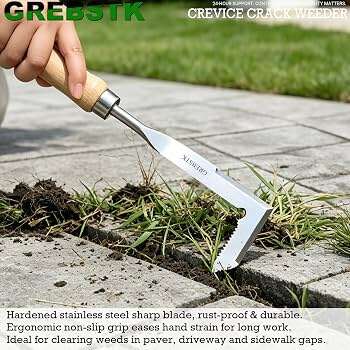
The Lesche digging tool is a compact choice for close, careful work. Its blade includes a serrated edge on the left side, which can help cut roots, sod, and tough plant growth. The narrow shape lets me work beside rocks, edging, and established plants with better control than a full-size spade. It also includes a sheath, which makes storage and transport safer.
This tool is best for shallow holes, transplanting, weeding, and trimming a small root before deeper digging. It is not a replacement for a long-handled post-hole digger. I like it when precision matters more than speed, especially in a crowded bed where one wrong swing could harm a nearby plant. For small jobs, it ranks among the best tools for digging holes in confined spaces because I can guide the blade exactly where I want it.
Pros:
- Compact size fits tight garden beds
- Serrated edge helps cut sod and roots
- Good control near plants and edging
- Sheath supports safer storage
- Useful for weeding and transplanting
- Light enough for careful detail work
Cons:
- Limited reach for deep holes
- Small blade removes less soil per stroke
- Can be tiring in hard clay
My Recommendation
I recommend the Lesche for gardeners, landscapers, and anyone making small holes in a crowded planting area. It gives better control than a larger tool and works well around roots and sod. If your project needs deep post holes, choose a longer tool instead. For shallow, precise cuts, this is one of the best tools for digging holes in confined spaces and a strong value for careful garden work.
55-Inch Retractable Root Cutter and Bar

This retractable root cutter is designed for stubborn obstacles that stop ordinary diggers. Its long 55-inch body can help reach into a hole while the cutting end works through roots, bamboo, shrubs, and compact debris. The bar can also help loosen soil and break apart material before removal. That combination makes it more than a simple digging stick.
I would keep this tool nearby when digging close to mature trees or old landscaping. It is especially useful after a shovel exposes a root that blocks the hole. The user still needs to control each strike and avoid damaging structural tree roots or buried services. As one of the best tools for digging holes in confined spaces, it works as a problem solver rather than a complete replacement for a soil scoop.
Pros:
- 55-inch reach helps access deep holes
- Designed to cut roots and bamboo
- Can loosen hard soil and debris
- Useful for stumps, shrubs, and rocks
- Retractable design can ease storage
- Reduces the need to bend into a hole
Cons:
- May be too large for tiny planting beds
- Requires care near tree roots and utilities
- Not ideal for removing loose soil by itself
My Recommendation
I recommend this root cutter for people who often meet roots, bamboo, or compact material while digging. It pairs well with a post-hole digger or hand trowel. It is best for repair work and rough garden clearing, not delicate planting. If roots are the main reason your hole work feels difficult, this is one of the best tools for digging holes in confined spaces because it attacks the blockage directly.
LLARGUEST 54-Inch Post Hole Digger

The LLARGUEST 54-inch post hole digger offers the reach most people want for fence and garden work. Its metal construction gives it a solid feel when the soil is firm. The long handles help keep the user’s back straighter, which matters during repeated holes. Its manual design also avoids the noise, fuel, and maintenance of powered equipment.
This tool makes sense for transplanting, camping, fence posts, and general yard work. In a narrow space, the handles still need room to move, so I would measure the gap before starting. It should perform best in soil that is damp enough to cut but not wet and sticky. For everyday home projects, it is a dependable entry in the best tools for digging holes in confined spaces category.
Pros:
- 54-inch length supports standing work
- Metal build handles regular yard use
- Useful for fence posts and planting
- No motor, fuel, or charging needed
- Good reach for narrow side yards
- Suitable for home and camping tasks
Cons:
- Handles need clearance to operate
- Hard rock can slow the work
- Manual digging still requires steady effort
My Recommendation
I recommend the LLARGUEST for homeowners who want a basic long-handled digger at a practical price. It is a good match for fence repairs, garden beds, and occasional camping use. It may not be the best answer for very rocky soil or deep roots, but it handles normal ground well. For simple jobs, it offers the reach and control expected from the best tools for digging holes in confined spaces.
Smarkey Root Cutting and Tamping Bar

The Smarkey root cutting and tamping bar is made for forceful ground work. A bar like this can break compact soil, split smaller roots, and loosen rocks that stop a shovel. It can also tamp soil around a post after the hole is complete. That two-way use saves space in a tool shed and helps during fence or landscaping jobs.
I would use it to open a path first, then remove loose soil with a scoop or post-hole digger. It is not meant to lift a large volume of dirt. The main benefit is focused force in a tight area, where swinging a pickaxe may be unsafe or impossible. Among the best tools for digging holes in confined spaces, this bar is valuable when the ground is hard but access is limited.
Pros:
- Breaks firm soil with focused force
- Helps cut smaller roots
- Can loosen rocks in a hole
- Works as a tamping tool afterward
- Fits jobs where a pickaxe cannot swing
- Useful for fence and landscaping work
Cons:
- Does not scoop out loose soil
- Can be heavy during long sessions
- Needs careful use around buried lines
My Recommendation
I recommend the Smarkey for hard spots, roots, and compact soil that defeat a normal digger. It works best as part of a tool pair, not as the only tool on the job. Keep a narrow shovel or scoop nearby to remove the loosened dirt. If controlled impact matters more than fast soil removal, this is one of the best tools for digging holes in confined spaces.
Garden Weasel Multi-Use Transplanter Trowel

The Garden Weasel transplanter trowel is the small-tool choice in this guide. Its narrow blade is suited to planting bulbs, annuals, herbs, and small shrubs in crowded beds. I can place the blade beside a stem or wall without moving much soil around it. That control helps when a full-size shovel would cause too much damage.
This trowel also supports weeding and light soil loosening. It is most useful for shallow holes and soft garden soil, not deep fence posts or compact clay. The small handle gives precision, but it cannot provide the leverage of a long bar. For planting in tight corners, it remains one of the best tools for digging holes in confined spaces and a handy tool to keep in a garden bag.
Pros:
- Narrow blade fits crowded planting beds
- Good for bulbs and small transplants
- Helps weed near valued plants
- Moves less soil than a large shovel
- Easy to carry and store
- Provides strong control for shallow holes
Cons:
- Not suited to deep holes
- Limited leverage in hard ground
- Small blade makes large jobs slow
My Recommendation
I recommend the Garden Weasel for gardeners who need a precise hand tool, not a construction digger. It is ideal for flower beds, container work, and planting beside walls or roots. Choose a long-handled tool when you need depth or repeated post holes. For small planting jobs, this is one of the best tools for digging holes in confined spaces because it gives the user a gentle, controlled touch.
LLARGUEST Black 54-Inch Hole Digger
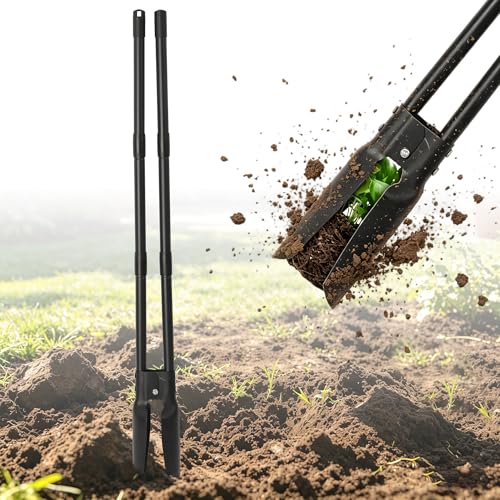
This black LLARGUEST hole digger gives homeowners another long-handle option for garden and camping work. The 54-inch shaft helps reduce the need to kneel or reach deep into a hole. Its manual action gives the operator a clear feel for soil changes, roots, and stones. That feedback matters when working near landscaping or possible underground hazards.
I see this model as a useful general-purpose digger for light and medium soil. It can help with posts, shrubs, and transplant holes, but it will not replace a root bar in severe ground. The black finish may also make soil easier to see against the tool during work. It is a sensible option for anyone comparing the best tools for digging holes in confined spaces on a budget.
Pros:
- 54-inch reach reduces bending
- Useful for garden and camping work
- Manual action gives good ground feedback
- Fits many common home digging tasks
- No batteries or engine to maintain
- Long handles help reach narrow holes
Cons:
- May struggle with large rocks
- Needs space for the handles to move
- Less useful for very shallow detail work
My Recommendation
I recommend this LLARGUEST model for casual users who want a long manual digger for common yard tasks. It suits planting, camping, and occasional post work. I would choose a root cutter alongside it if the site has mature trees or bamboo. As one of the best tools for digging holes in confined spaces, it offers a simple balance of reach, cost, and everyday usefulness.
VEVOR 57.5-Inch Post Hole Digger

The VEVOR post hole digger stands out with its 57.5-inch fiberglass measurement handle. The extra length can help users work with less bending, while the measurement marks make it easier to judge hole depth. That feature is useful when setting posts at a consistent height. Its metal blade is suited to digging, cultivating, and regular yard work.
The fiberglass handle may also reduce concern about rust along the shaft, though the blade still needs cleaning and drying after use. I would use this tool for a run of fence posts or repeated garden holes where consistent depth matters. It remains a manual tool, so very hard ground will need soaking, a bar, or another breaker first. For reach and depth control, it is among the best tools for digging holes in confined spaces.
Pros:
- 57.5-inch handle offers excellent reach
- Measurement markings support even hole depth
- Fiberglass shaft resists common metal shaft rust
- Useful for repeated post holes
- Works for cultivating and yard tasks
- Helps reduce bending during long jobs
Cons:
- Long handle may feel bulky in tiny spaces
- Hard rock still needs a breaker bar
- Manual work can become tiring over many holes
My Recommendation
I recommend the VEVOR for users who value reach and repeatable depth. It is a strong match for fence projects, larger gardens, and people who want to avoid constant bending. The marked handle adds a useful touch that many basic diggers lack. If the site allows the handle to move, this is one of the best tools for digging holes in confined spaces and one of the more capable manual options here.
Best For Comparison
| Best for | Why |
|---|---|
| Deep post holes | The VEVOR and DAKEPOLE offer long handles, useful leverage, and better reach. |
| Roots and hard spots | The retractable root cutter and Smarkey bar focus force where a shovel cannot. |
| Small garden spaces | The Lesche and Garden Weasel provide close control near plants, walls, and edging. |
How to Choose the Best Tools for Digging Holes in Confined Spaces
The right tool depends on the hole, the soil, and the room around you. A narrow space does not always call for the narrowest blade. You also need enough reach to work safely, enough strength to break the soil, and enough control to avoid nearby plants or services.
Start With the Hole Size
Measure the needed width and depth before choosing a tool. A post-hole digger works well for a narrow, deep hole. A transplanter suits a small, shallow hole. A trenching bucket works for a long, slim cut but only when mounted to the correct machine.
Match the Tool to the Soil
Soft garden soil needs a sharp narrow blade. Dry clay may need water and a breaker bar. Root-filled ground needs a cutter. Rocky ground can damage a blade, so work slowly and remove stones by hand when possible. No single tool works best in every soil type.
Think About Swing Room
Long handles provide reach but need clearance. Measure the distance between walls, fences, posts, and branches. If the handles cannot open, a long post-hole digger may become awkward. In that case, use a compact hand tool for the top layer and a narrow bar for deeper work.
Consider Reach and Body Position
A tool that keeps your back straighter can make a large difference. Long handles help users work from outside a hole. They also reduce the urge to kneel beside unstable edges. Still, do not lean your full body over a deep hole or enter a risky excavation just to gain reach.
Look for Blade and Handle Strength
Check the blade connection, handle material, grip, and overall balance. A strong blade is of little use if the joint flexes under load. Fiberglass handles resist many weather issues, while metal bars provide direct force. Clean soil from the blade after each use and store the tool dry.
Use Safety Checks Before You Dig
In the United States, contact 811 before digging on a property when buried utilities may be present. Marked lines are a starting point, not permission to strike the ground without care. Follow the guidance from the utility-locating service and keep a safe buffer around marked lines.
Do not enter a trench or pit that could collapse. OSHA treats many excavations as serious hazards, and protective systems may be required based on depth and site conditions. A hole can also collect water, fumes, or low oxygen. If the space meets the definition of a permit-required confined space, stop and use a qualified professional with the right entry plan.
Manual Tools Versus Powered Tools
Manual tools give you more control and less noise. They also let you feel roots, stones, and changes in soil as the blade moves. That makes them a smart choice near landscaping, pipes, and walls. The trade-off is slower work and more physical effort.
Powered tools can save time on large jobs, but they remove soil faster than many users expect. A small auger may twist into a root or pull toward a buried object. A compact excavator needs a skilled operator, stable ground, and a suitable attachment. In a truly tight space, manual tools often offer the safer level of control.
Tips for Digging a Clean Hole in a Tight Area
First, mark the hole with paint or a small stake. Remove mulch and loose debris before cutting the soil. Start with shallow passes rather than forcing the blade deep in one motion. This approach gives you a better view of roots, stones, and changing soil.
Keep loose soil away from the hole edge. A pile can fall back into the opening and add weight to the sidewall. Use a bucket, narrow scoop, or container to move soil out of the work area. This simple habit keeps the site cleaner and lowers the chance of slipping.
When a root blocks the hole, expose it before cutting. Do not blindly drive a bar into hidden material. Use a root cutter only when you understand what you are cutting. Large tree roots may support the tree, so consult an arborist if the root is thick or close to the trunk.
For a post, check depth and width more than once. A hole that is too wide may need more concrete or backfill. A hole that is too shallow may leave the post unstable. The VEVOR measurement handle can help with repeat work, but a simple tape or marked stick works too.
Care and Storage Tips
Rinse soil from blades after use and dry all metal parts. Inspect the blade edge, fasteners, and handle joint before the next job. Tighten loose hardware, but replace a cracked handle rather than trusting a temporary repair. A damaged tool can twist or break when the ground is firm.
Store long tools upright or hang them where they cannot fall. Keep serrated blades covered when possible. For a machine bucket, clean packed soil from the cutting edge and follow the attachment maker’s care instructions. Correct storage protects both the tool and the person who reaches for it.
FAQs Of best tools for digging holes in confined spaces
What is the best tool for a narrow, deep hole?
A long-handled post-hole digger is usually the best choice for a narrow, deep hole in workable soil. The DAKEPOLE, LLARGUEST, and VEVOR models provide useful reach. Pick the model that fits the available swing room.
Can I use a root cutter near a tree?
Use care. Small surface roots may be manageable, but large roots can affect tree health and stability. Avoid cutting near the trunk unless a qualified arborist approves the work.
Are these tools safe near underground utilities?
No digging tool is automatically safe near buried utilities. Contact 811 before digging, follow the marks, and use extra care near the stated tolerance zone. Stop if you find an unknown line or pipe.
Is a narrow excavator bucket suitable for home use?
Only if you own a compatible excavator and have the training to operate it. Check the mounting points, machine limits, and local rules. It is not a hand tool.
Which tool is best for small planting holes?
A narrow hand tool such as the Garden Weasel or Lesche is usually best. These tools give better control near stems, roots, walls, and edging than a full-size post-hole digger.
Final Verdict: Which Should You Buy?
For most homeowners, I would buy the DAKEPOLE 55-inch post hole digger. It offers reach, control, and useful dual blades. For roots, add the Smarkey or retractable root cutter.
The best tools for digging holes in confined spaces depend on depth, soil, and access. Choose a narrow tool, check utilities first, and work in small, safe passes.

Laura Bennett is a gardening writer at MyGardenLabs who creates beginner-friendly guides focused on solving common plant care and gardening problems.