Best Shovel For Digging Up Trees: Top Tree-Removal Picks
The Root Slayer RS220 is the best shovel for digging up trees when tough roots and hard soil demand extra cutting power.
Have you ever tried to move a young tree, only to hit a web of roots that stops a normal shovel cold? I have. A good tree-digging shovel must enter hard soil, cut small roots, lift heavy dirt, and protect your back at the same time. I tested the key features that matter most, including blade shape, shaft length, grip, steel strength, and serrated edges. The picks below suit small saplings, garden trees, landscaping jobs, and tight spaces. They can help you work with more control and less strain.
Shovel for Digging with D-Handle
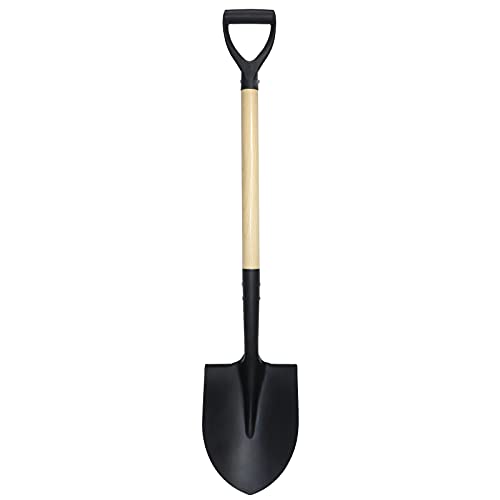
This round-point shovel offers a simple design for common tree digging work. Its 41-inch length gives most users a useful balance between reach and control. The D-handle also gives me a firm place to hold the tool while I push the blade into soil. A rounded steel blade works well in loose soil, garden beds, and lawn edges.
I would use this shovel to move small trees, shrubs, and young fruit trees. It can also handle general tasks such as planting, trenching, and moving compost. The wooden handle keeps the tool familiar and comfortable in the hands. Still, a standard round blade may need help from a root saw when it meets thick, woody roots.
Pros:
- Comfortable D-handle gives strong control
- Useful 41-inch length for general digging
- Round point enters soft and medium soil well
- Wood handle feels warm and natural in use
- Works for trees, shrubs, beds, and landscaping
- Simple design suits new gardeners
Cons:
- Standard edge may not cut thick roots well
- Wood can need more care than fiberglass
- Less suited to very hard clay or rocky ground
For many homeowners, this is a practical low-cost starting point. It feels like an all-purpose garden shovel rather than a specialist root tool. That makes it useful when tree removal is only one part of the job. I would pair it with a hand saw if the tree has large roots.
Fiskars 57-Inch Heavy-Duty Digging Shovel

The Fiskars 57-inch digging shovel stands out when you want more reach and less bending. Its long straight handle lets me work from a taller stance, which helps during long digging sessions. The steel blade is made for demanding garden work and feels more substantial than a light nursery spade. Its full-size design also gives good leverage when lifting packed soil.
This shovel is a strong choice for moving established shrubs and smaller trees with broad root balls. The longer shaft can help keep your hands away from mud and sharp branches. It also lets you press down with your foot while keeping your shoulders in a better position. However, the long handle may feel less nimble in a crowded bed or narrow planting hole.
Pros:
- 57-inch shaft reduces repeated bending
- Heavy-duty steel handles demanding soil
- Long handle offers useful digging leverage
- Full-size blade moves more soil per scoop
- Good fit for taller users and large yards
- Useful for trees, shrubs, and general landscaping
Cons:
- Long shaft can feel awkward in tight spaces
- Heavier build may tire smaller users
- Straight edge is not a dedicated root-cutting edge
I recommend this model to gardeners who value reach and strength over compact size. It is especially helpful when you need to dig a wide root ball without kneeling for each cut. As with any shovel, do not use it to pry against large roots like a lever. Loosen the soil first, then use a saw for roots that resist.
Root Slayer RS220 Serrated Garden Shovel

The Root Slayer RS220 is built for the moment when ordinary shovels start to slip. Its serrated blade gives the edge more bite around roots, packed soil, and dense turf. I like this style because it can cut and dig in one motion instead of forcing me to swap tools at every root. The black finish also gives it a rugged, purpose-built look.
For tree digging, the serrations are the main advantage. They can help sever small to medium roots as you widen the hole around a sapling or shrub. The shovel still needs safe, controlled pressure, and it will not replace a pruning saw for thick roots. Even so, it is the closest match here to a true root-focused digging tool.
Pros:
- Serrated blade helps cut small roots
- Designed for demanding garden soil
- Useful for transplanting shrubs and saplings
- Combines digging and light root cutting
- Helps reduce tool changes during a job
- Strong choice for rough landscaping work
Cons:
- Serrated edge needs careful storage
- May still require a saw for thick roots
- Specialized shape may feel less smooth in fine soil
If someone asks me for the best shovel for digging up trees, this is the first model I would discuss. It has the right focus for root-heavy work, yet it remains useful for normal digging. I would choose it for homeowners who move trees more than once or who often work in ground filled with roots. Its value comes from saving effort at the hardest stage of the job.
Jardineer 45-Inch Serrated Root Shovel
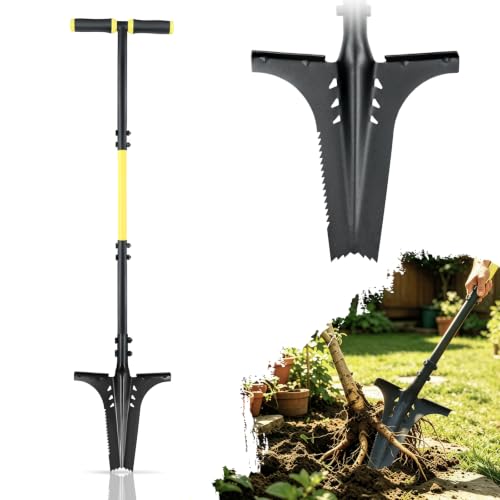
The Jardineer thickened root shovel takes a middle path between a standard spade and a compact root cutter. Its 45-inch length gives useful reach without the bulk of a very long landscaping shovel. The serrated digging edge is made to work through roots and firm soil. That combination makes the tool interesting for garden beds where roots often block a clean cut.
I find this length easy to control around small trees. It gives enough room for foot pressure while staying manageable near fences, beds, and borders. A thickened blade can also feel more stable when you work in compact ground. Use steady pushes rather than wild prying, since bending a shovel is usually harder to fix than replacing a small hand tool.
Pros:
- 45-inch length balances reach and control
- Serrated blade helps work through roots
- Thickened design suits firm garden ground
- Good size for small trees and shrubs
- Easier to guide than many extra-long shovels
- Useful for trenching and planting too
Cons:
- May not provide enough reach for tall users
- Serrations can catch in fibrous roots
- Not a substitute for a heavy root saw
This model fits gardeners who want a root shovel without choosing an oversized tool. It is a sensible option for moving young trees, dividing plants, and opening new beds. I would rank it among the better balanced choices for mixed garden use. It offers more root control than a plain round-point shovel while remaining friendly to new users.
33-Inch Compact D-Grip Garden Shovel
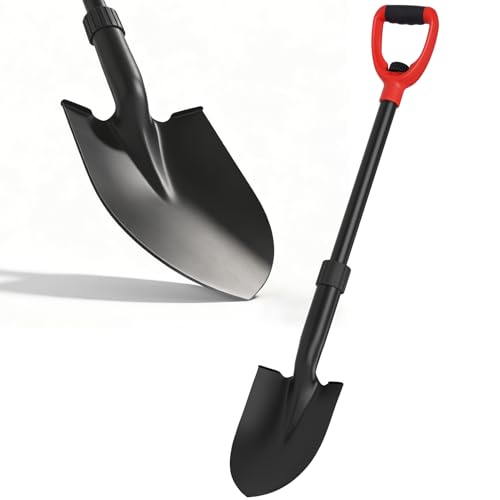
This 33-inch shovel is made for people who need a smaller, lighter digging tool. Its compact size gives me better control when I work close to a trunk, wall, raised bed, or fence. The D-grip also makes short pushes and careful scoops feel natural. A fiberglass shaft can help keep the tool light while offering useful strength for routine garden jobs.
I would use it for very young trees, small saplings, container plants, and tight planting areas. It is also handy in a vehicle or shed because it takes less space than a full-size shovel. The tradeoff is clear: you must bend more, and the smaller blade moves less soil. It works best when precision matters more than speed.
Pros:
- Compact size fits tight planting areas
- Lightweight design is easy to carry
- D-grip supports controlled digging
- Useful for saplings and small root balls
- Fiberglass shaft resists common moisture exposure
- Good backup shovel for cars and campsites
Cons:
- Short length causes more bending
- Small blade moves less soil per scoop
- Not ideal for large trees or deep holes
This is not the best shovel for digging up trees when the tree has a large, heavy root ball. It is, however, a smart pick for gardeners with limited strength or limited storage. I also like it for careful work around valuable plants, where a long blade may cause accidental damage. Choose it when control and portability matter most.
Nohovu 49-Inch Heavy-Duty Garden Shovel

The Nohovu shovel offers a full garden length with a D-handle for added hand control. At 49 inches, it gives a useful working height for many adults without feeling as long as a 57-inch model. The metal blade is suited to ordinary landscaping, soil work, and planting. I see it as a general-purpose tool with enough size for routine tree removal.
The D-handle helps when lifting soil or pulling the shovel back from a deep hole. It also makes it easier to turn the blade slightly as you shape a root ball. This shovel should work well for young and medium-size trees in workable soil. In hard clay, wet ground, or rocky soil, moisten the area and loosen it in stages instead of forcing the shaft.
Pros:
- 49-inch length supports a comfortable stance
- D-handle improves grip during lifting
- Heavy-duty metal suits common yard work
- Good all-purpose option for homeowners
- Useful for digging, planting, and landscaping
- More reach than compact garden shovels
Cons:
- General blade may not cut large roots
- May feel large in narrow flower beds
- Users with small frames may prefer a shorter shaft
I would recommend this shovel to a homeowner who wants one tool for several outdoor tasks. It has a practical size for tree digging without leaning too far toward either compact or professional use. While it is not a dedicated root cutter, it can form a clean hole and lift loose soil well. Add a pruning saw for a complete tree-moving kit.
ZIKUPOL Double-Serrated Root Shovel

The ZIKUPOL root shovel uses serrated edges on both sides to give the blade more cutting contact. That design can help when you dig through turf, fibrous roots, and compact soil around a tree. Its 46-inch length offers a useful mix of reach and maneuverability. I would place it close to the Jardineer as a root-focused choice for regular garden work.
Double serrations can be helpful when you change direction during a cut. They may also make trenching easier because both sides can engage roots as you move the blade. The tool still needs clean technique: push, rock gently, and remove loose soil before repeating. Do not strike buried utilities or use the shovel near them without checking the area first.
Pros:
- Double serrated edges improve root contact
- 46-inch shaft gives balanced reach
- Useful for trenching around root balls
- Works in soil, turf, and garden beds
- Good option for repeated landscaping tasks
- Can reduce the need for a separate small root tool
Cons:
- Serrated sides need careful handling
- Thick roots still need a pruning saw
- May pull more soil than a smooth spade edge
If you want a shovel that focuses on roots from both sides, this is a compelling option. I especially like it for landscaping projects where the blade must cut through grass and roots while making a narrow trench. It may be more tool than a casual gardener needs. For frequent tree transplanting, though, its design can save time and effort.
43.3-Inch Round-Point Digging Shovel

This 43.3-inch round-point shovel is a straightforward choice for everyday soil work. The round tip helps enter loose soil and curve around a root ball. Its metal construction gives it the feel of a traditional garden shovel. I would use it for planting, landscaping, camping, and digging around young trees.
The moderate length gives most users fair control without making the shovel feel short. It is a useful fit for gardeners who need one tool for several outdoor jobs. A smooth round blade also leaves a cleaner edge in soft ground. Since it lacks dedicated serrations, you should use a root saw when you reach thick or woody roots.
Pros:
- Round point enters loose soil smoothly
- 43.3-inch length suits many users
- Versatile for gardening and landscaping
- Metal blade handles routine digging
- Good for shaping a small root ball
- Useful beyond tree work, including camping
Cons:
- Smooth edge has limited root-cutting power
- May need extra force in hard clay
- Not the best choice for large established trees
This shovel is best for simple jobs rather than severe root cutting. It can help move a young tree when the soil is loose and the roots are not too thick. I like its versatility and moderate size for general yard care. Buyers who want the best shovel for digging up trees in difficult ground should choose a serrated model instead.
Root Slayer RS241 Long-Handle Shovel

The Root Slayer RS241 brings root-focused features to a longer steel shovel format. The long handle can help users stand more upright while opening a hole around a tree. Its steel construction gives the tool a solid feel when you meet firm soil. The Root Slayer family is known for putting more attention on roots than a plain garden spade.
I see this model as a good choice for larger garden spaces and deeper digging. The extra reach can help when you need to work around a wide root ball without stepping into the hole. It may also provide better leverage for lifting loosened soil. In a small bed, that same length may feel harder to guide, so measure your work area before buying.
Pros:
- Long handle reduces deep bending
- Steel construction feels strong in use
- Root-focused design suits tree work
- Good reach for wide or deep holes
- Useful for large gardens and landscaping
- Can handle more than simple planting tasks
Cons:
- Long length may reduce close control
- Could feel heavy during extended work
- Large roots may still need a separate saw
I would choose the RS241 for someone who wants root capability and extra reach in one tool. It is well suited to repeated outdoor work, especially when bending causes discomfort. It is not as compact as the RS220, but that is its point. For larger yards, this can be a strong alternative to a short root shovel.
31-Inch Small D-Handle Garden Shovel

This 31-inch shovel is the smallest full-handled option in the group. Its curved D-handle gives me a secure grip during short, careful digging strokes. The compact shaft is useful around beds, pots, cars, and narrow landscape areas. It is also easier to store than a long garden shovel.
For tree work, I would limit this model to saplings, small shrubs, and loose soil. Its size gives excellent control when you need to avoid nearby roots or delicate plants. It does require more bending, and the smaller blade will not move a large root ball quickly. That makes it a support tool rather than a heavy tree-removal shovel.
Pros:
- Compact design fits narrow areas
- Curved D-handle supports a firm grip
- Easy to store in a shed or vehicle
- Good control around young plants
- Useful for gardening, camping, and small jobs
- Approachable size for new gardeners
Cons:
- Short shaft causes more bending
- Small blade is slow for large root balls
- Not suited to hard ground or thick roots
This small shovel works best when accuracy matters more than raw power. I would keep it for container trees, young saplings, and tight spaces where a large blade could cause harm. It is not my top pick for the best shovel for digging up trees overall. Still, it offers good value as a light backup tool.
My Recommendation
After comparing these tools, I would choose the Root Slayer RS220 for most people who need the best shovel for digging up trees. Its serrated edge gives it a clear advantage over smooth blades when small roots and tough turf slow the job. The 45-inch Jardineer and 46-inch ZIKUPOL are close alternatives for users who want a balanced length and root-cutting edge. For larger work, the long Root Slayer RS241 and Fiskars models provide more reach.
Your soil and tree size should guide the final choice. A compact shovel suits a young sapling in a tight bed, while a long heavy-duty shovel suits a broad root ball in open ground. Remember that no shovel should cut large structural roots, utility lines, or buried cables without proper planning. Water dry soil, mark the root ball, wear gloves and boots, and use a dedicated pruning saw when needed.
| Best for | Why |
|---|---|
| Root-heavy soil | Root Slayer RS220 uses a serrated blade to help cut small roots. |
| Large gardens and taller users | Fiskars 57-inch and Root Slayer RS241 offer more reach and leverage. |
| Tight spaces and small saplings | The 31-inch and 33-inch shovels provide better control and easy storage. |
For best results, dig during suitable soil conditions rather than during extreme drought or flooding. A tree often survives transplanting better when you keep a generous root ball and limit root damage. Extension guidance commonly stresses sharp, clean tools, careful handling, and quick replanting. I also suggest checking local utility markings before digging, even for a small tree.
FAQs Of best shovel for digging up trees
What is the best shovel for digging up trees?
The Root Slayer RS220 is my top pick for most tree-digging jobs. Its serrated blade helps work through small roots while still digging soil. For large trees or deep holes, pair it with a pruning saw and consider a longer shovel.
Can a normal garden shovel cut tree roots?
A normal shovel can cut some fine roots and loosen soil around a tree. It usually cannot cut thick woody roots safely or cleanly. Use a dedicated root shovel for small roots and a sharp pruning saw for larger ones.
What shovel length is best for digging up a tree?
A 45- to 49-inch shovel offers a useful balance for many adults. A 57-inch model gives more reach but may feel awkward in tight spaces. Choose a 31- to 33-inch shovel for small saplings, raised beds, or narrow planting areas.
How do I dig up a tree without damaging the roots?
Water the soil first if it is dry. Dig a wide circle away from the trunk, expose the root ball slowly, and avoid pulling on the trunk. Cut only damaged or necessary roots with a clean saw, then replant the tree as soon as possible.
Is a serrated shovel better for tree removal?
A serrated shovel can be better when small roots, grass, and dense soil slow the work. It does not replace a saw for thick roots. It also needs careful handling because its edge can catch skin, gloves, or stored materials.
Final Verdict: Which Should You Buy?
The Root Slayer RS220 is the best shovel for digging up trees for most homeowners. Its serrated blade, strong build, and focused design make root-heavy digging easier.
Choose a longer Fiskars or RS241 for reach, or a compact model for saplings. The right tree-digging shovel saves effort, protects roots, and makes landscaping work far less frustrating.

Laura Bennett is a gardening writer at MyGardenLabs who creates beginner-friendly guides focused on solving common plant care and gardening problems.