A Tool Used To Dig Holes For Planting Seedlings: Dibber
A dibber is a simple tool used to dig holes for planting seedlings quickly and neatly.
Choosing the right planting tool can make transplanting faster, cleaner, and much easier on your hands. A dibber works well for small seedlings, while a bulb planter, hand trowel, or auger may suit larger plants or tougher soil. This guide explains how each option works, when to use it, and how to plant seedlings with less stress and root damage.
What Is a Tool Used to Dig Holes for Planting Seedlings?
A dibber is the classic tool used to dig holes for planting seedlings. It has a pointed tip and a short handle. You press it into prepared soil, twist it slightly, and pull it out to make a narrow planting hole.
Gardeners use dibbers for lettuce, onions, herbs, flowers, and other small plants. The tool creates a hole that matches the size of a seedling plug or root ball. This helps keep the soil around the young roots in place.
A dibber may be made from wood, metal, or strong plastic. Some models have depth marks on the shaft. These marks help you plant each seedling at a similar depth.
Why Use a Dibber for Seedlings?
A dibber is useful because it gives you control. You can make small holes without disturbing a wide area of soil. That matters when seedlings are planted close together.
The tool used to dig holes for planting seedlings also helps reduce wasted effort. You do not need to scoop out a large amount of soil for a small plant. This keeps the bed neat and protects nearby roots.
Key benefits include:
• Fast planting in trays, raised beds, and garden rows
• Even hole depth for uniform growth
• Less soil disturbance than a trowel
• Better control in tight spaces
• Lower cost than powered planting tools
• Easy use for gardeners with limited space
A dibber does have limits. It may struggle in dry clay, rocky ground, or soil packed hard by rain. In those cases, loosen the bed first with a garden fork or hand cultivator.
Types of Tools for Digging Seedling Holes
The best tool used to dig holes for planting seedlings depends on the plant size, soil type, and number of plants.
Dibber
A dibber is best for small plugs and bare-root seedlings. Its pointed end makes narrow holes with little mess. A wooden dibber feels warm in the hand, while a steel model often lasts longer.
Hand Trowel
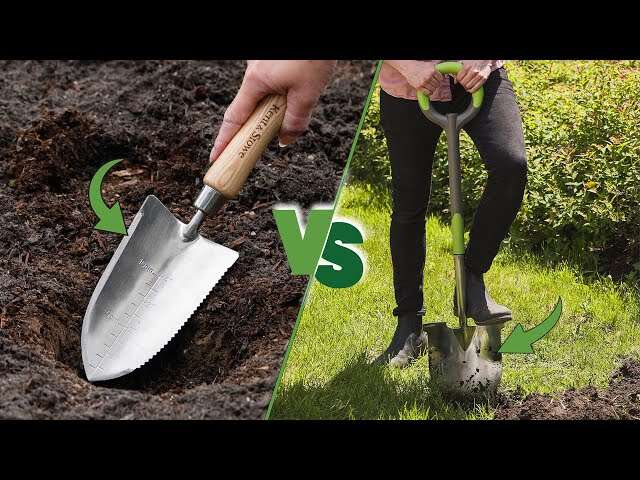
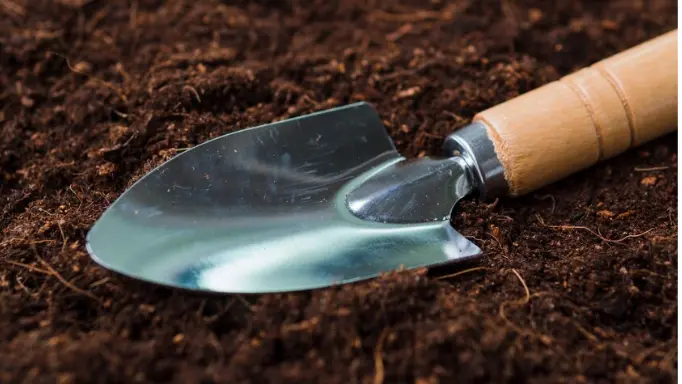
A hand trowel has a small scoop-shaped blade. It works well for seedlings with larger root balls. You can dig a wider hole and mix compost into the backfill soil.
Bulb Planter
A bulb planter removes a plug of soil in one motion. It is useful for bulbs, larger starts, and repeated planting in soft beds. Some models have a foot step that makes them easier to push into the ground.
Garden Auger
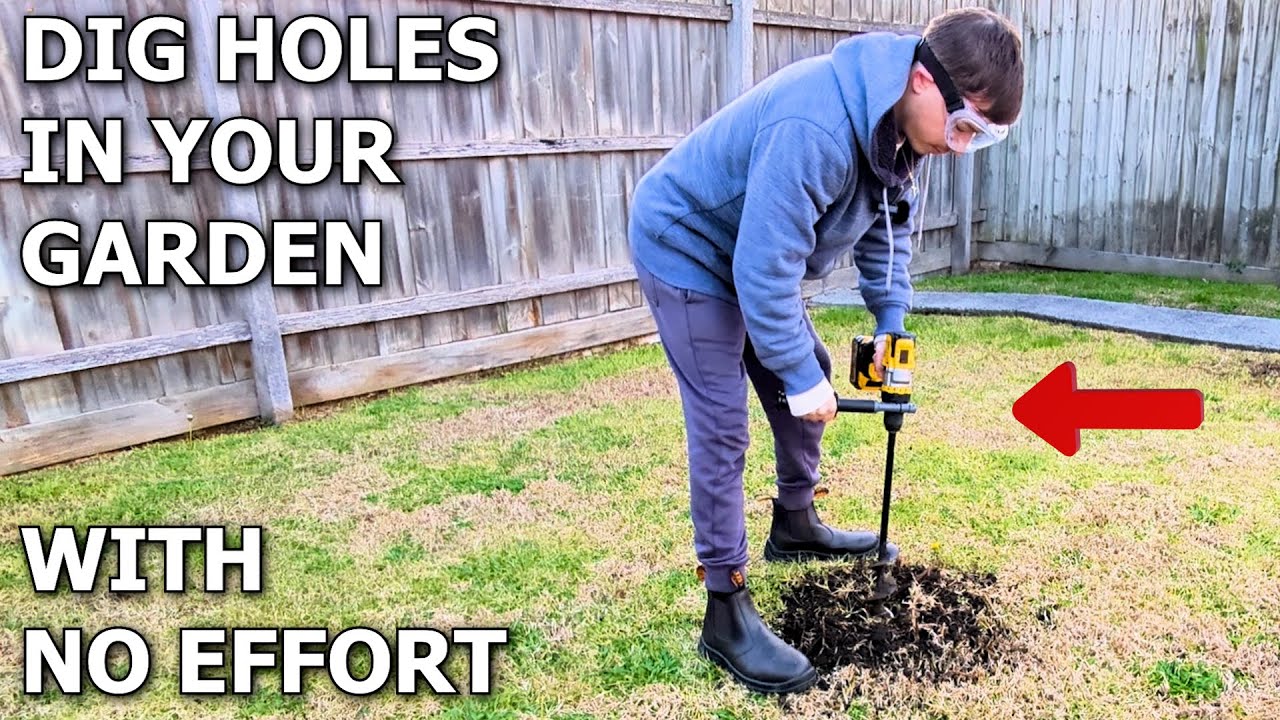
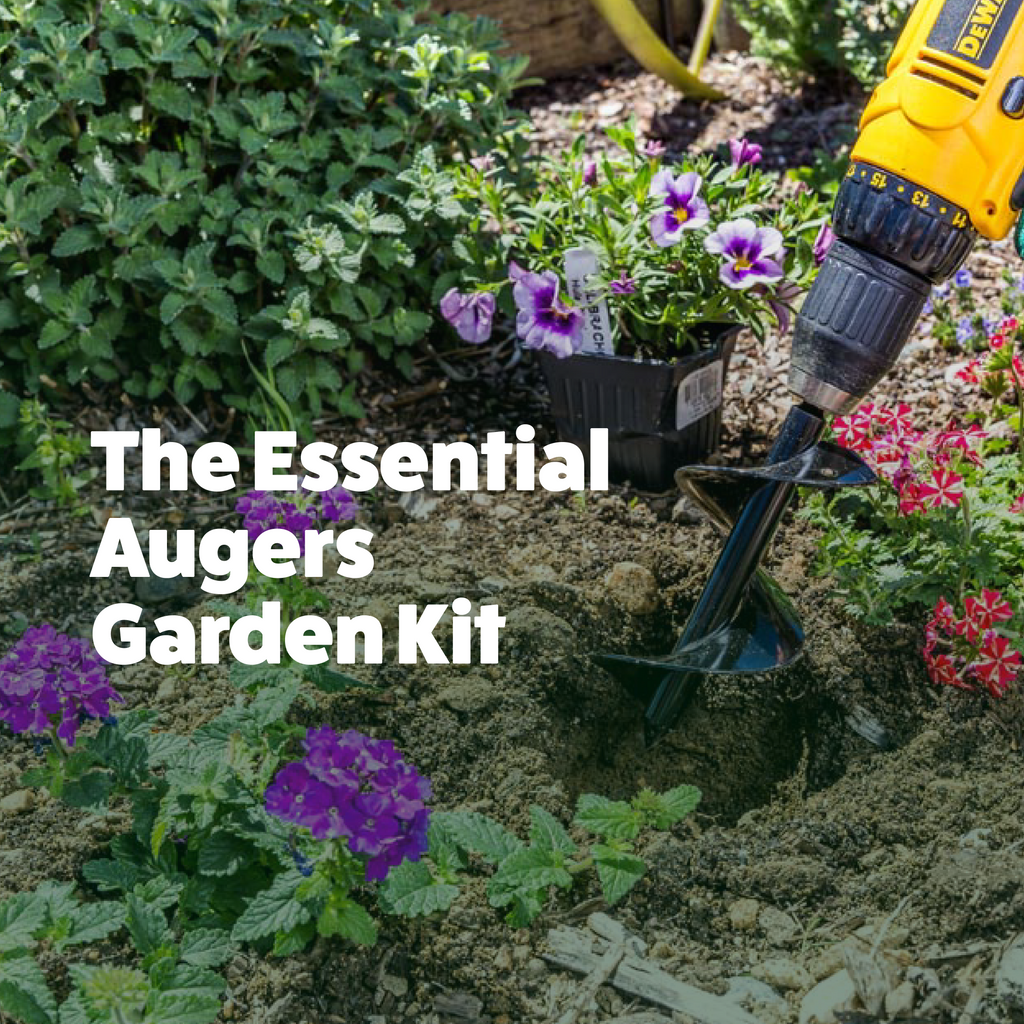
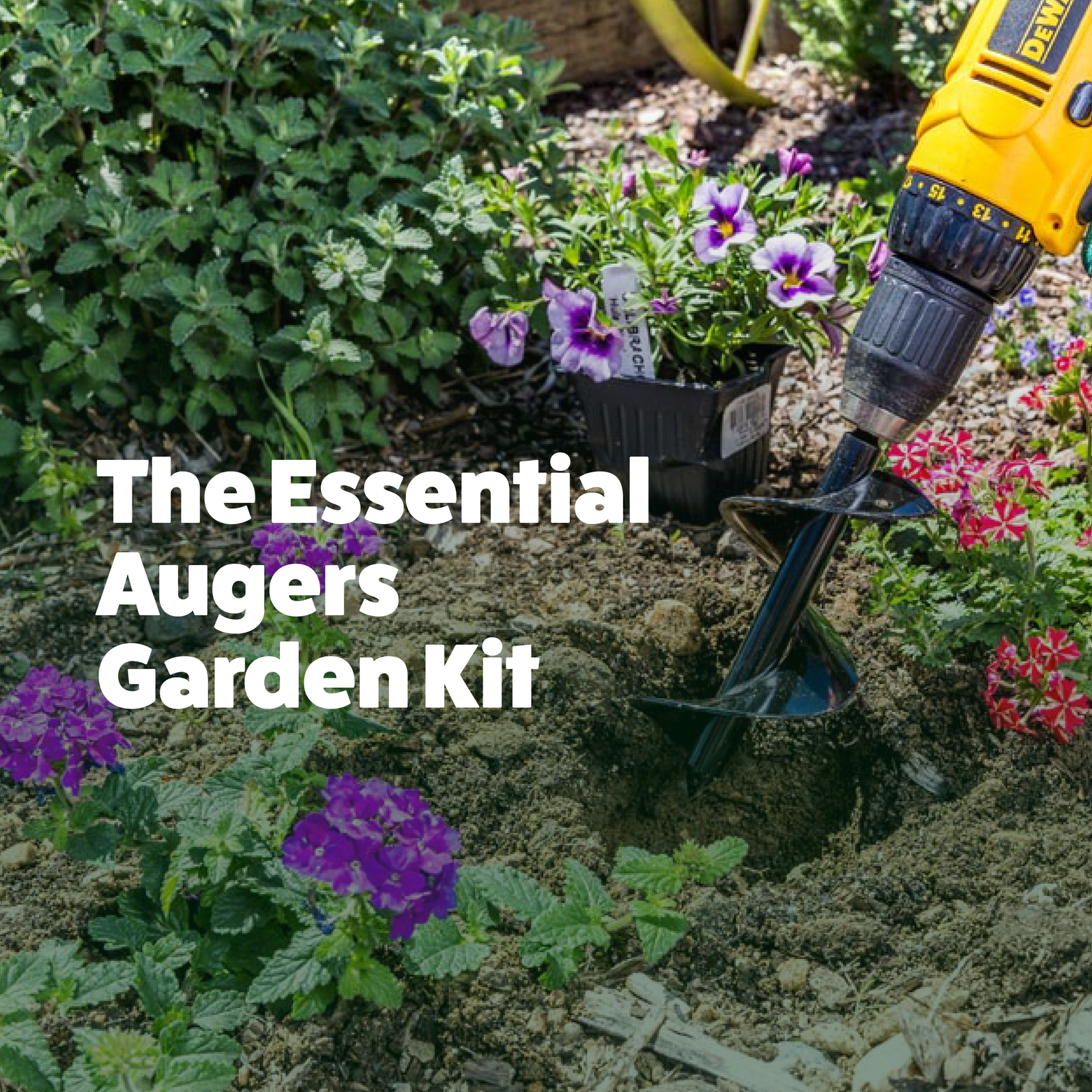
A garden auger attaches to a drill or has a hand crank. It can make many holes quickly. Use it with care because a power auger may create holes that are too deep or wide for small seedlings.
Hori Hori Knife
A hori hori has a sharp, narrow blade with depth markings. It can open a planting hole, cut roots, divide plants, and loosen soil. Wear gloves and handle it like a knife.
How to Choose the Right Seedling Planting Tool
Start by checking the size of the seedling plug. The hole should be wide enough for the roots, but not so large that the plant sits loose. A narrow dibber suits a small plug, while a trowel suits a larger root ball.
Next, examine the soil. A pointed tool works well in loose loam and raised-bed soil. Heavy clay needs a stronger blade and some preparation before planting.
Think about the number of seedlings, too. For ten plants, a dibber or trowel is simple and efficient. For hundreds of plugs, a planting bar, bulb planter, or specialized transplanter can save time.
Look for these features:
• A comfortable, non-slip handle
• A strong tip that does not bend
• Clear depth markings
• A smooth surface that cleans easily
• A size that fits your hand
In my own garden work, I learned that comfort matters more than appearance. A cheap tool with a thin handle can cause hand fatigue after one long planting session. A slightly wider grip often makes a bigger difference than a fancy design.

How to Use a Dibber to Plant Seedlings
Using a tool used to dig holes for planting seedlings is simple, but good technique protects the young plant.
-
Water the seedling before planting. Moist roots handle the move better than dry roots.
-
Prepare the bed. Remove weeds, break large clumps, and level the soil.
-
Check the planting depth. Most seedlings should sit at the same depth as they did in the tray. Tomatoes are an exception because they can often be planted deeper along the stem.
-
Press the dibber into the soil. Push straight down to the required depth.
-
Wiggle the tool slightly. This opens the hole without making it much wider.
-
Place the seedling inside. Keep the roots pointing down instead of bending them upward.
-
Firm the soil gently. Press around the stem to remove large air gaps.
-
Water at the base. A slow stream settles soil around the roots.
-
Add a light mulch layer if needed. Keep mulch away from the stem to reduce rot risk.
Do not force the seedling into a hole that is too small. If the roots catch on the sides, widen the hole slightly rather than crushing the root ball.
Soil Preparation Before Digging Seedling Holes
Even the best tool used to dig holes for planting seedlings cannot fix badly prepared soil. The soil should hold moisture but also drain excess water. Most garden plants grow well in loose soil with organic matter.