
What Is A Pruner Used For: Uses And Tips
A pruner is used to cut small branches, stems, flowers, and damaged growth with control and ease.
If you care for roses, shrubs, fruit trees, houseplants, or herbs, knowing what is a pruner used for helps you make cleaner cuts and keep plants healthy. The right pruner can prevent torn stems, reduce disease risk, and make routine garden work much faster. This guide explains the main uses, pruner types, safe cutting methods, common mistakes, and care tips.
What Is a Pruner Used For?
A pruner is a small, hand-held cutting tool made for trimming plant growth. It is also called hand pruners, pruning shears, or secateurs. Most pruners work best on branches and stems that are small enough to cut without heavy force.
What is a pruner used for in daily garden care? Common uses include:
• Removing dead, dry, or broken branches
• Cutting away diseased plant parts
• Shaping shrubs and small trees
• Trimming rose canes and flowering stems
• Harvesting herbs, grapes, vegetables, and fruit
• Cutting back houseplants and soft stems
• Removing suckers and unwanted shoots
• Preparing cuttings for plant propagation
A sharp pruner makes a clean cut instead of crushing plant tissue. Think of it as a pair of scissors designed for living wood. The cleaner the cut, the easier it is for the plant to heal.
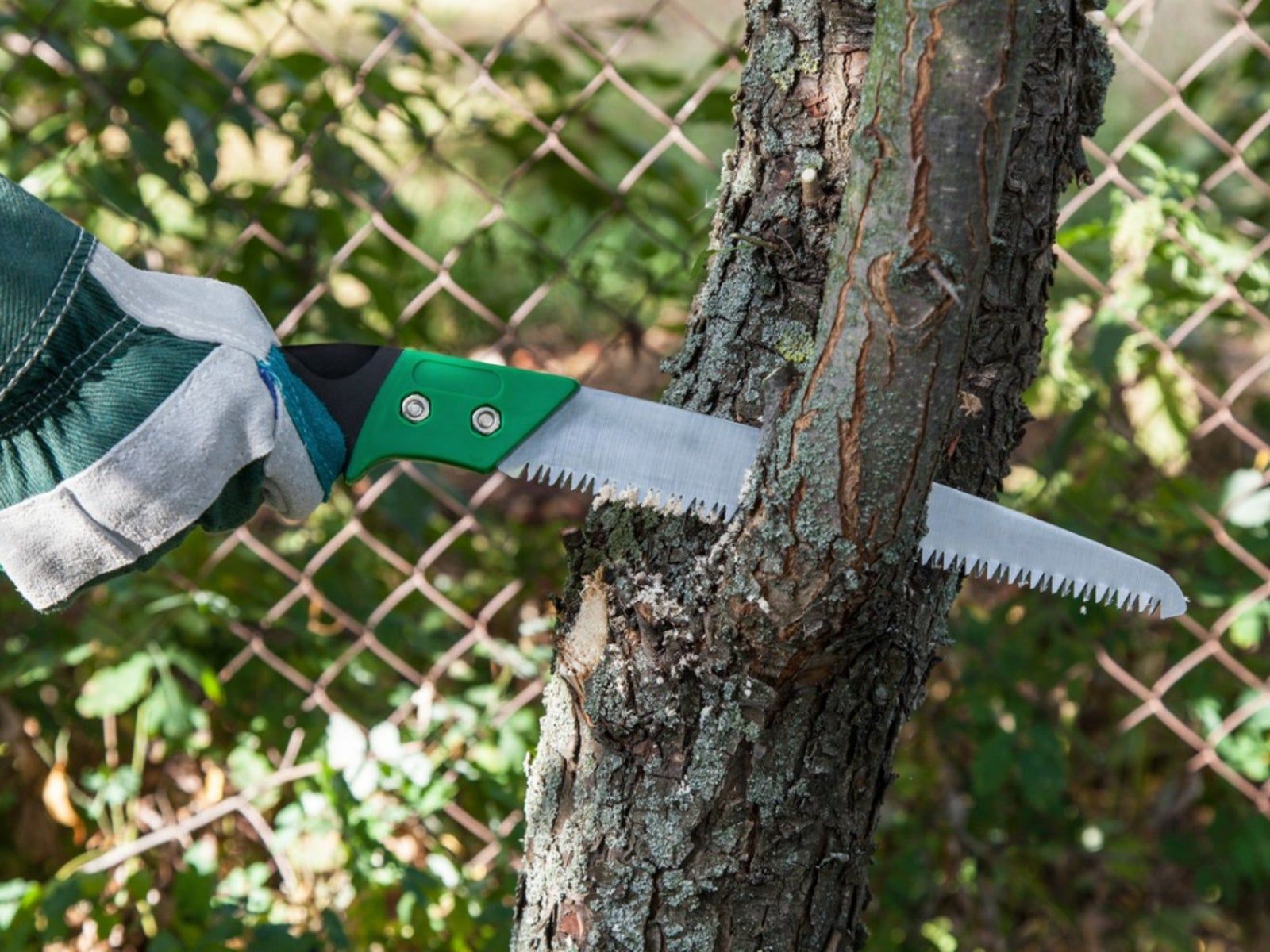
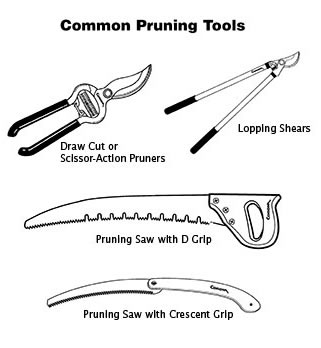
Most hand pruners are designed for branches up to about ¾ inch thick. The exact limit depends on the tool, the wood, and your hand strength. For larger branches, use loppers or a pruning saw instead of forcing a small pruner.
Why Pruning Matters for Plant Health
Pruning is not only about making a plant look neat. It can improve air movement, remove weak growth, and guide the plant’s shape. However, cutting too much or cutting at the wrong time can stress the plant.
A pruner helps you:
• Remove growth that blocks sunlight
• Improve air flow inside dense plants
• Reduce the spread of some plant diseases
• Encourage flowers or fruit in certain species
• Control plant size near paths, windows, and fences
• Redirect growth toward stronger branches
Dead and damaged wood can hide pests or disease. Removing it gives the plant a better chance to produce healthy new growth. Still, pruning does not cure every plant problem. A plant with root disease, severe insect damage, or poor soil may need other care.
From my own garden work, one lesson stands out: small, regular cuts are easier on both the plant and the gardener. Waiting until a shrub becomes tangled often leads to large cuts, more stress, and a harder cleanup.
Types of Pruners and Their Best Uses
Choosing the right pruner depends on the plant and the type of cut. Using the wrong tool can damage stems or strain your hand.
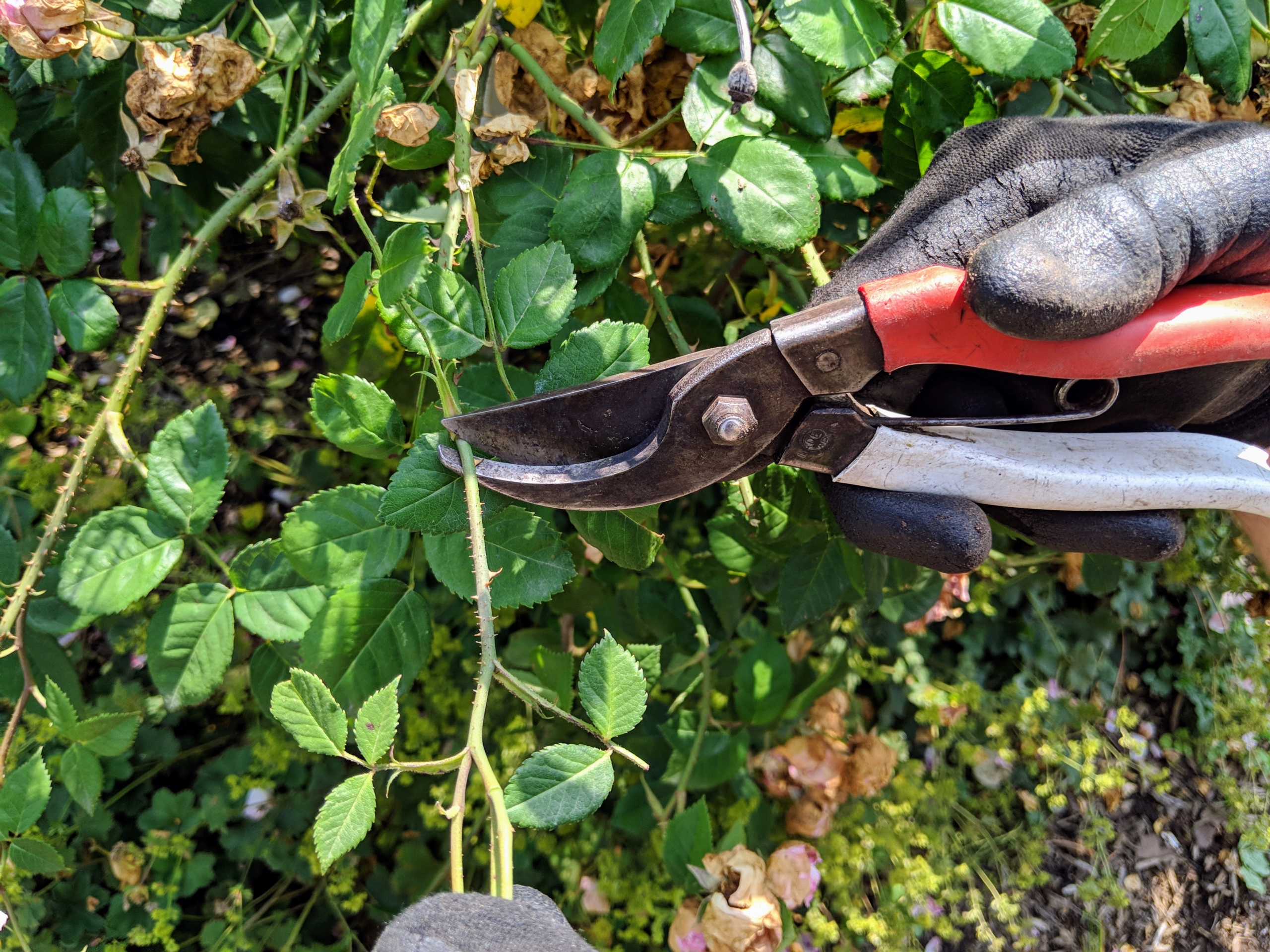
Bypass pruners
Bypass pruners have two curved blades that pass each other like scissors. They are the best choice for live stems and green wood.
Use bypass pruners for:
• Roses
• Young tree branches
• Fresh shrubs
• Perennials
• Herbs and soft plant stems
• Fruit tree shoots
The passing blades create a clean cut with little crushing. For most home gardeners, bypass pruners are the most useful all-purpose option.
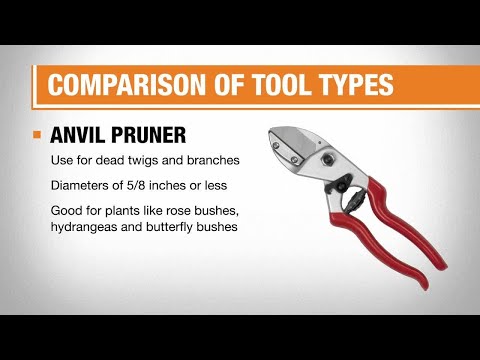
Anvil pruners
Anvil pruners have one sharp blade that closes against a flat surface. They can provide strong cutting power, but they may crush soft or living stems.
Use anvil pruners mainly for:
• Dry branches
• Dead wood
• Hard, brittle stems
• Light cutting where tissue damage is less important
For fresh green growth, bypass pruners are usually safer.
Ratchet pruners
Ratchet pruners cut in several steps. They can help people with limited grip strength or hand pain.
They are useful for thicker branches that still fall within the tool’s capacity. However, they can feel slower and may leave a poor cut if the blade is dull or the branch is too large.
Needle-nose or narrow-tip pruners
These pruners have slim blades that reach into crowded spaces. They work well for houseplants, herbs, bonsai, and detailed cuts.
A narrow tip gives you more control, but it may not handle thick wood.

How to Use a Pruner Correctly
Knowing what is a pruner used for is helpful, but technique matters just as much as the tool. A clean cut begins with a clear view of the branch and a sharp blade.
Follow these steps:
- Inspect the plant and decide what needs to go. Remove dead, broken, crossing, or diseased growth first.
- Check the branch thickness. If the cut requires great force, choose loppers or a saw.
- Place the sharp blade near the part of the pruner that closes first. This position gives better leverage.
- Cut just above a healthy bud or side branch.
- Angle the cut slightly so water does not sit on the cut surface.
- Make one smooth cut when possible.
- Remove the cut material from the garden if it shows signs of disease.
- Clean the blade before moving to another plant when disease may be present.
Avoid leaving a long stub. Stubs can die back and may attract pests. Also avoid cutting flush against the trunk or main stem. The small swollen area where a branch joins the trunk is called the branch collar. Protecting it helps the plant close the wound naturally.
The Best Places to Make a Pruning Cut
A good cut supports the plant’s natural growth pattern. Look for a healthy bud that points in the direction where you want new growth to develop.
For a cut above a bud:
• Leave a small amount of stem above the bud
• Avoid cutting directly into the bud
• Do not leave a long, dead stub
• Match the cut to the plant’s natural shape
When removing a full branch, cut just outside the branch collar. The branch collar contains tissue that helps the plant seal the wound. Cutting into it can slow recovery.
For crossing branches, remove the weaker or poorly placed branch. This reduces rubbing and opens the center of the plant. Rubbing can create wounds that allow pests and pathogens to enter.
In my experience, many pruning mistakes happen because people focus on the blade and ignore the bud. Before every cut, pause and ask where the next shoot should grow. That one habit can improve the shape of a shrub or houseplant.
What Plants Can You Prune With Hand Pruners?
A hand pruner is useful for many plants, but it is not the best tool for every branch.
You can often use a pruner on:
• Rose bushes
• Lavender and other herbs
• Berry canes
• Small fruit tree shoots
• Hydrangeas, depending on the variety
• Ornamental shrubs
• Indoor plants
• Vegetable stems
• Small vines
• Young branches
Always check the pruning needs of the plant first. Some plants flower on old wood, while others flower on new growth. Cutting at the wrong season may remove next year’s flowers.
For example, a spring-flowering shrub may form flower buds during the previous summer. Heavy pruning in winter could remove those buds. Other plants, such as many summer-flowering shrubs, often tolerate pruning during dormancy or before new growth begins.
When you are unsure, make a light cut and learn the plant’s growth cycle. Local university extension guidance and reliable nursery information can help you choose the correct season.
What a Pruner Is Not Used For
A pruner is not a universal cutting tool. Trying to use one outside its limits can damage the tool, the plant, or your hand.
Do not use a small pruner for:
• Large tree limbs
• Thick hardwood branches
• Wire, metal, or plastic
• Soil-covered roots
• Large hedges
• Dry wood that exceeds the tool’s capacity
• Branches that require repeated twisting
Do not twist the pruner while cutting. Twisting can bend the blade and crush the branch. If the handles will not close with normal pressure, stop and select a larger tool.
For branches thicker than a hand pruner can safely manage, use loppers or a pruning saw. A saw is often safer for large limbs because it cuts without forcing your wrist.
Pruner Safety Tips
Pruners have sharp blades, so safe handling is essential. Most injuries happen when someone cuts toward a hand, carries an open tool, or forces a jammed blade.
Use these safety habits:
• Wear gloves that improve grip and protect your skin
• Keep your free hand behind the cutting path
• Close and lock the blades before carrying the tool
• Keep pruners away from children and pets
• Do not cut above shoulder height
• Use stable footing on level ground
• Wear eye protection when cutting dry branches
• Stop if your hand becomes tired or painful
Hand pruners can cause repetitive strain when used for long periods. Switch hands when practical, take short breaks, and use ratchet pruners if grip strength is a concern.
Never try to catch a falling branch with your hand. Let it drop, then move it after the cutting is complete.
How to Clean and Maintain a Pruner
A clean, sharp pruner makes better cuts and lasts longer. Plant sap can make blades sticky, while rust can reduce cutting performance.
After use:
- Brush away soil and plant debris.
- Wipe the blades with a clean cloth.
- Clean sap with a suitable household cleaner or rubbing alcohol.
- Dry the tool fully.
- Apply a light coat of tool oil to the pivot and blade.
- Store the pruner in a dry place with the blades closed.
Disinfect the blades between plants when you are cutting diseased material. Rubbing alcohol is commonly used for this purpose because it works quickly and does not require rinsing when used correctly. Follow product directions and keep flammable liquids away from heat.
Sharpen the blade when it begins to crush stems or needs extra force. Use a sharpening stone or file at the blade’s original angle. Sharpen only the beveled side unless the manufacturer gives different instructions.
A common mistake is sharpening a dirty blade. Clean it first. Dirt and sap can make sharpening uneven and may damage the sharpening tool.
How to Choose the Best Pruner
The best pruner should match your plants, hand size, and cutting habits. A costly tool is not always the best tool if it does not fit your hand.
Look for:
• A sharp bypass blade for general garden work
• Comfortable, non-slip handles
• A safety lock that works easily
• Replaceable blades or springs
• A handle size that allows a full grip
• A smooth opening and closing action
• A weight that feels comfortable after several cuts
Left-handed gardeners should look for a pruner designed for left-hand use. Some models work for either hand, but blade alignment can vary.
If you have arthritis or weak grip strength, choose a ratchet model or a pruner with rotating handles. Test the tool before buying if possible. Open and close it several times. Your hand should not feel pinched or strained.
For most home gardens, a quality bypass pruner with replaceable parts offers the best balance of control, durability, and value.
Common Pruning Mistakes to Avoid
Even experienced gardeners make pruning mistakes. The good news is that most are easy to prevent.
Using a dull blade
A dull blade crushes stems and requires more force. Sharpen the blade or replace it when cuts become rough.
Cutting too much at once
Removing a large share of a plant’s growth can cause stress. As a general rule, avoid heavy pruning unless the plant species and season support it.
Ignoring disease
Moving from a diseased plant to a healthy plant with dirty blades can spread pathogens. Clean the pruner between plants when needed.
Making random cuts
Random trimming may create weak, crowded growth. Choose a clear goal before you begin, such as removing dead wood or opening the center.
Using the wrong pruner
A hand pruner is made for small stems and branches. Use loppers or a pruning saw when the wood is too thick.
Leaving long stubs
Long stubs often die back and look untidy. Cut near a healthy bud or just outside the branch collar.
When I teach new gardeners, I suggest starting with dead wood. It is easier to identify, and removing it builds confidence without changing the plant’s shape too much.
Frequently Asked Questions About What Is a Pruner Used For
What is a pruner used for in gardening?
A pruner is used to cut small branches, stems, flowers, and unwanted plant growth. Gardeners use it for shaping plants, removing damaged wood, harvesting, and encouraging healthy growth.
What is a pruner used for on a rose bush?
A pruner is used to remove dead flowers, weak stems, damaged canes, and crowded growth on a rose bush. Clean cuts can help improve the plant’s shape and support new growth.
Can a pruner cut thick branches?
Most hand pruners can cut only small branches, often up to about ¾ inch thick. The safe limit depends on the pruner and the wood, so use loppers or a pruning saw for larger branches.
What is the difference between a pruner and a garden shear?
A pruner has strong blades made for individual stems and small branches. Garden shears usually have longer, straighter blades made for trimming soft foliage, grass, or hedges.
Should pruners be disinfected between plants?
Yes, cleaning pruners between plants can reduce the risk of spreading some plant diseases. This is especially important when cutting tissue that looks infected or when moving between valuable plants.
Are bypass or anvil pruners better?
Bypass pruners are usually better for live stems because they make cleaner cuts with less crushing. Anvil pruners are more suitable for dry or dead wood and may damage soft green stems.
When is the best time to use a pruner?
The best time depends on the plant and the goal. Remove dead or broken growth when you notice it, but check the plant’s flowering and growth cycle before doing major pruning.
Conclusion
A pruner is used for precise cuts on small branches, stems, flowers, and unwanted plant growth. It can help remove damage, shape plants, improve air flow, harvest produce, and support healthier growth.
Choose the right pruner, keep its blade sharp, disinfect it when needed, and never force it through wood that is too thick. Start with a few careful cuts, observe how the plant responds, and build your skill over time. Explore more plant-care guides, and share your favorite pruning tips in the comments.

Laura Bennett is a gardening writer at MyGardenLabs who creates beginner-friendly guides focused on solving common plant care and gardening problems.