
How Much Does A Trowel Cost: 2026 Price Guide
A basic trowel costs about $5 to $30, while premium, specialty, and powered models can cost much more.
If you are asking how much does a trowel cost, the answer depends on its type, material, size, and intended job. A small garden trowel may cost less than a fast-food lunch, while a professional masonry or concrete power trowel can cost thousands of dollars. This guide breaks down real-world price ranges, explains what you get for your money, and helps you avoid paying for features you do not need.
How Much Does a Trowel Cost?
For most home users, a trowel costs between $5 and $30. That range covers common garden trowels, pointing trowels, margin trowels, and basic notched trowels.
Professional tools often cost $30 to $100 or more. They usually offer stronger steel, better balance, improved grips, and longer service life. Large powered concrete trowels are a different class of equipment and may cost from $1,000 to more than $5,000.
Here is a simple price guide:
| Trowel type | Typical price range |
|---|---|
| Basic garden trowel | $5–$15 |
| Heavy-duty garden trowel | $15–$35 |
| Transplanting trowel | $8–$25 |
| Pointing trowel | $6–$25 |
| Margin trowel | $8–$30 |
| Notched tile trowel | $8–$35 |
| Finishing trowel | $15–$60 |
| Premium Japanese or forged trowel | $20–$75 |
| Masonry trowel set | $25–$100 |
| Manual concrete hand trowel | $15–$80 |
| Power trowel | $1,000–$5,000+ |
These are general U.S. retail ranges before sales tax. Brand, supply, location, seasonal sales, and shipping can change the final price.
Trowel Prices by Type
The phrase “trowel” covers many tools. A garden trowel and a concrete finishing trowel may look similar, but they are built for very different work.
Garden trowels
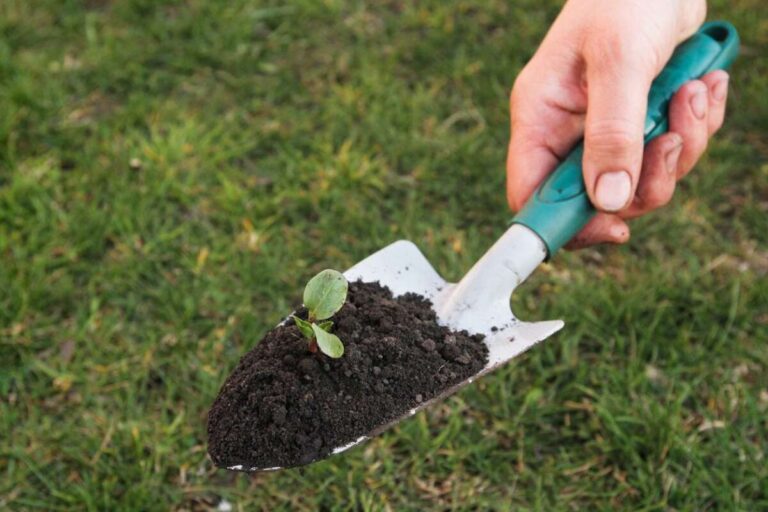
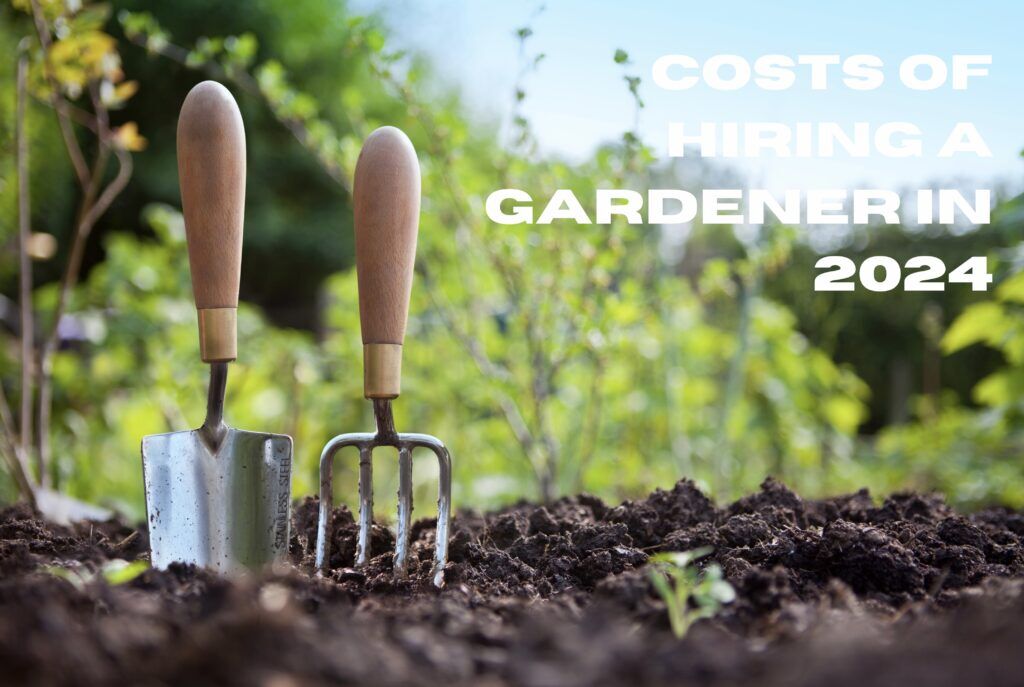
A garden trowel costs about $5 to $35. Basic models work well for planting flowers, moving potting soil, and digging small holes.
Low-cost garden trowels often use painted steel or thin stainless steel. Better models may include a thick forged blade, a comfortable handle, and a stronger connection between the blade and shaft.
Choose a more expensive garden trowel if you use it often or work in hard soil. A cheap blade can bend when it meets roots, clay, or gravel.
Pointing trowels
A pointing trowel costs around $6 to $25. It has a narrow, pointed blade made for mortar joints, brick repair, and detail masonry work.
A budget pointing trowel may be fine for one small repair. Professionals often choose a forged steel model because it holds its shape and feels more stable during long work sessions.
Blade length also affects the price. Common sizes range from about 4 to 7 inches. A shorter blade gives more control, while a longer blade can move more mortar with each pass.
Margin trowels
A margin trowel costs about $8 to $30. Its straight, rectangular blade is useful for mixing mortar, cleaning tight corners, and applying material in narrow spaces.
This tool is also handy for tile work and patching jobs. A midrange model usually offers the best value for homeowners because it provides decent strength without the higher cost of a professional masonry tool.
Notched tile trowels
A notched tile trowel costs approximately $8 to $35. The notches help spread tile adhesive at a consistent depth.
The correct notch shape and size matter more than the handle color or brand. Small tiles may need a smaller notch, while large, heavy tiles often require a larger one. Always follow the adhesive and tile maker’s guidance.
A cheap notched trowel can work well for one bathroom project. However, the teeth may wear down or become uneven after repeated use. Uneven teeth can lead to poor adhesive coverage beneath the tile.
Finishing trowels
A concrete finishing trowel costs about $15 to $60. Professional models may cost $75 or more.
These trowels are used to smooth and finish concrete, plaster, and similar materials. The blade needs to be flat, flexible, and well balanced. A quality finishing trowel can reduce hand strain and leave a cleaner surface.
Power trowels
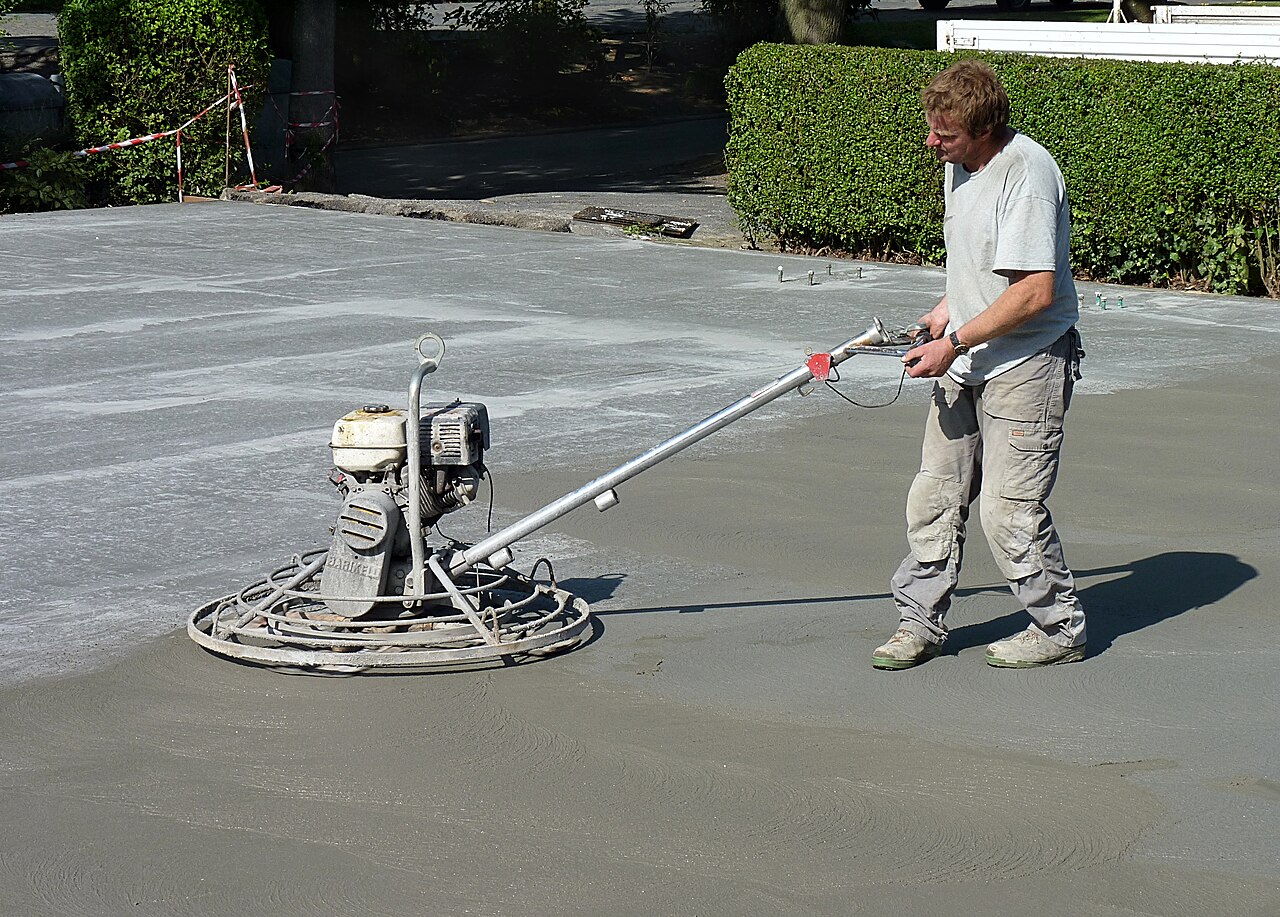
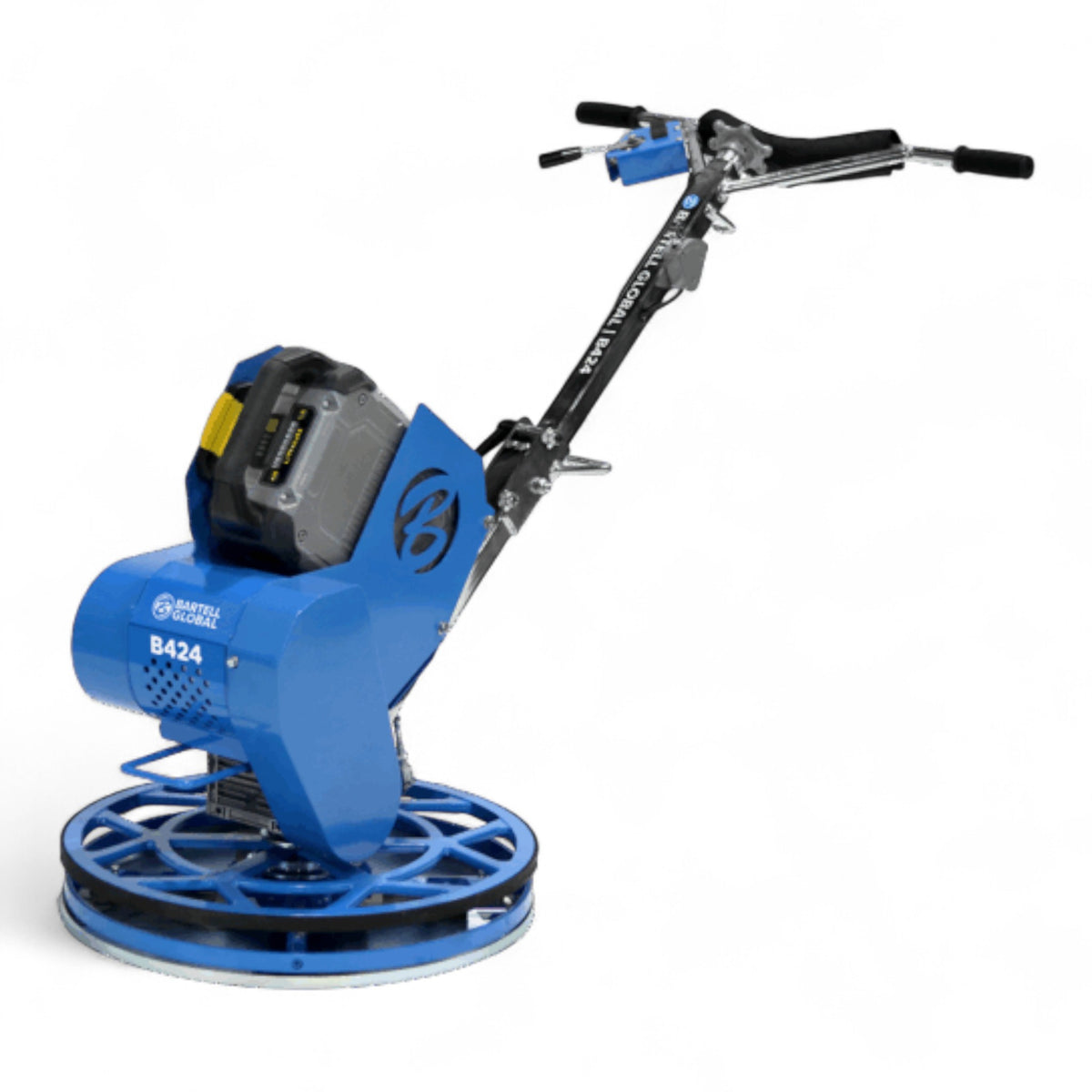
A power trowel costs far more than a hand tool. New machines commonly range from $1,000 to $5,000 or more, depending on size, engine, controls, and features.
Rental is often more practical for a single driveway, garage floor, or patio project. Daily rental prices vary, but a small walk-behind machine may cost roughly $100 to $300 per day before delivery, damage protection, and other fees.
What Affects the Cost of a Trowel?
Knowing how much does a trowel cost is useful, but the price tag does not tell the full story. Two trowels that look alike can have very different service lives.
Material
Blade material is one of the biggest price factors.
• Carbon steel is strong and often affordable, but it can rust if left wet.
• Stainless steel resists rust and is easy to clean, though quality stainless steel can cost more.
• Forged steel is shaped under force, which can create a strong and durable blade.
• Cast or thin stamped metal is often less expensive but may bend under heavy pressure.
For garden work, stainless steel is a practical choice when you want low maintenance. For masonry, a properly forged carbon steel blade may offer excellent strength and control.
Handle design
Handles range from simple plastic grips to ergonomic rubber designs. A comfortable handle can reduce blisters and fatigue, especially during long jobs.
Some professional trowels have soft grips, finger guards, or carefully shaped handles. These features may add $5 to $20 to the price, but they can be worth it for frequent use.
Blade thickness and balance
A thicker blade usually costs more because it uses more material and resists bending. Balance also matters. A well-balanced trowel feels like an extension of your hand rather than a weight at the end of a stick.
When shopping in person, hold the tool by the handle. If the blade pulls sharply downward or the grip feels awkward, it may become tiring during repeated work.
Brand and warranty
Established tool brands often charge more for quality control, replacement policies, and warranties. That does not mean every expensive trowel is better, but a reliable warranty can protect your purchase.
Check the warranty terms. Some cover manufacturing defects but not rust, misuse, normal wear, or damage from hardened concrete.
Size and specialty design
A basic six-inch garden trowel may cost $10, while a specialty trowel with a narrow root-cutting blade may cost $25. Specialized shapes require different production methods and serve smaller markets.
Pay for a special design only when it solves a real problem. Otherwise, a standard model may do the job just as well.
Is an Expensive Trowel Worth It?
An expensive trowel can be worth the money if you use it often, work with hard materials, or need precise results. It may not be worth it for a single small repair.
Think of the tool as a pair of work shoes. A basic pair may be enough for a short walk, but a person who works on their feet every day benefits from stronger materials and better support.
A premium trowel may offer:
• A blade that stays flat and straight
• Better resistance to bending
• A more comfortable grip
• Improved balance
• Cleaner edges and corners
• Longer useful life
• Easier cleaning and maintenance
In my experience comparing hand tools for home projects, the biggest mistake is buying the cheapest model for a demanding job. A low-cost garden trowel may fail quickly in rocky soil. A very thin tile trowel may lose its notches before the project ends.
The opposite mistake is also common. Some buyers spend $50 on a tool they will use once. For occasional work, a dependable midrange trowel usually gives the best value.

How to Choose the Right Trowel for Your Budget
Before you buy, match the tool to the material and the amount of work.
For occasional gardening
Spend $8 to $18 on a basic garden trowel. Look for:
• A stainless steel or coated steel blade
• A firm handle connection
• A comfortable grip
• Clear size markings
A budget tool in this range is usually enough for flowers, herbs, planters, and light potting soil.
For regular gardening
Spend $15 to $35 on a heavy-duty model. Choose one with a forged blade and a strong shaft if you often work in clay, roots, or compact soil.
A wider blade moves more soil. A narrow blade is better for crowded beds and small pots.
For tile work
Spend $10 to $35 on a notched trowel. Match the notch size to the tile and adhesive instructions.
Do not use a garden trowel to spread tile adhesive. Its smooth blade will not create the ridges needed for even coverage.
For masonry repairs
Spend $10 to $30 for a pointing or margin trowel. Choose a blade that matches the joint size and the type of repair.
For repeated masonry work, a forged professional model may save money over time because it is less likely to bend or loosen.
For concrete finishing
Spend at least $20 to $60 for a hand finishing trowel. A flat, balanced blade is more important than extra decoration.
For a large concrete job, compare the cost of renting a power trowel with hiring an experienced operator. Machine use requires care, and poor timing can damage the surface.
Where to Buy a Trowel
You can buy a trowel at home improvement stores, garden centers, hardware stores, farm supply stores, online marketplaces, and specialty masonry suppliers.
Local stores let you inspect the blade and handle. This is helpful when balance and grip matter. Online stores offer more brands and sizes, but read recent reviews carefully.
Compare these details before ordering:
-
Blade material and thickness
-
Overall length
-
Handle comfort
-
Warranty coverage
-
Shipping cost
-
Return policy
-
Reviews from buyers doing similar work
Online prices may look lower until shipping is added. A $12 trowel with an $8 delivery fee is really a $20 purchase.
Used tools can be a good deal for garden work. Inspect the blade for bends, cracks, deep rust, and a loose handle. Avoid used masonry tools with a badly worn edge because they may not spread or shape material correctly.
How to Save Money on Trowels
You do not need to buy the most expensive tool to get good results. A few simple habits can lower your total cost.
Buy a set when appropriate
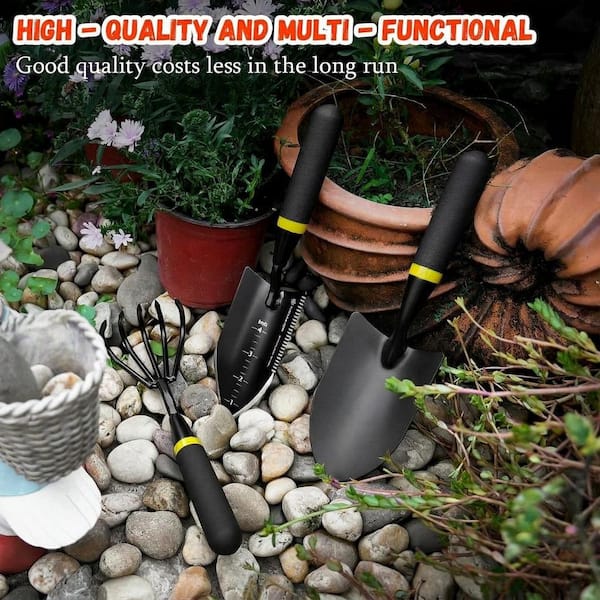
A garden tool set may include a trowel, cultivator, and transplanter for $15 to $40. A masonry set may include several trowels and a jointer for $25 to $100.
A set is a good deal only when you need most of the included tools. Unused tools are not savings.
Shop during seasonal sales
Garden tools often go on sale in late summer and fall. Construction tools may have discounts during holiday promotions or end-of-season clearance events.
Compare the normal price, not only the sale label. Some discounts are small, while others can reduce the cost by 20% or more.
Choose repairable tools
A tool with a replaceable handle or durable blade may cost more at first. It can still be cheaper over several years than replacing a low-cost tool every season.
Clean tools after use
Dried mortar, adhesive, and soil can shorten a trowel’s life. Rinse the tool, remove stuck material, dry the blade, and store it in a dry place.
For carbon steel, a light protective oil can help prevent rust. Do not leave any trowel outdoors in standing water.
Avoid buying the wrong size
A trowel that is too large can waste material and reduce control. One that is too small can make a large job slow and tiring.
The right size often saves more time than a slightly cheaper purchase.

Common Trowel Buying Mistakes
Many people focus only on how much does a trowel cost and overlook performance.
The first mistake is confusing a garden trowel with a masonry trowel. These tools may share a similar shape, but their blades and handles are designed for different forces.
The second mistake is ignoring rust protection. Carbon steel can perform very well, but it needs to be cleaned and dried after use.
The third mistake is choosing a tool based only on online photos. Images rarely show blade thickness, balance, or handle comfort.
The fourth mistake is buying a large professional tool for a small job. Larger tools can be harder to control and may waste material.
The fifth mistake is selecting a bargain tool for repeated heavy use. If a tool bends or cracks during work, the money saved can disappear quickly through replacement costs and delays.
In one common home project scenario, a homeowner buys a low-cost notched trowel for a full room of tile. After several hours, the teeth become uneven. The adhesive spreads poorly, and the tile must be lifted and reset. Spending a few extra dollars on a stronger blade could have prevented that problem.

Trowel Cost Compared With Long-Term Value
The purchase price is only one part of tool value. A $10 trowel that lasts one season costs more over time than a $25 trowel that lasts five years.
Use this simple formula:
Cost per year = purchase price ÷ expected years of use
For example, a $12 garden trowel that lasts two years costs about $6 per year. A $28 tool that lasts seven years costs about $4 per year.
This formula is not perfect because it does not measure comfort, performance, or time saved. Still, it helps you compare cheap tools with durable ones.
A professional who uses a trowel every day should also consider hand strain and work speed. A slightly higher purchase price may pay for itself through better comfort and fewer replacements.

Frequently Asked Questions About How Much Does a Trowel Cost
How much does a basic garden trowel cost?
A basic garden trowel usually costs $5 to $15. Stronger stainless steel, forged, or ergonomic models commonly cost $15 to $35.
How much does a masonry trowel cost?
A masonry trowel generally costs $8 to $30. Professional forged models and specialty shapes can cost $40 to $75 or more.
How much does a tile trowel cost?
A standard notched tile trowel costs about $8 to $35. The price depends on the blade size, notch pattern, handle design, and construction quality.
Is a $5 trowel worth buying?
A $5 trowel can be suitable for light gardening or a one-time project. Check that the blade is straight, the handle is secure, and the tool is appropriate for the material.
How much does a concrete power trowel cost?
A new concrete power trowel often costs $1,000 to $5,000 or more. Renting one may cost roughly $100 to $300 per day, depending on the machine and rental market.
What is the most durable trowel material?
Forged steel is known for strength, while stainless steel offers strong rust resistance. The best choice depends on whether durability, low maintenance, or both matter most for your work.
Should I buy a trowel set or a single tool?
Buy a set when you need several matching tools and the combined price is lower than buying them separately. Choose a single tool when you need one specific shape or want better quality for a demanding task.
Conclusion
So, how much does a trowel cost? Most everyday trowels cost $5 to $35, professional models often range from $30 to $100, and power trowels can cost thousands. The right price depends on the job, material, frequency of use, blade quality, and comfort.
For light gardening, a reliable $10 to $20 trowel is often enough. For masonry, tile, or concrete, spend more on the correct design and a strong, well-balanced blade. Compare materials and construction instead of choosing by price alone.
Measure the job first, set a sensible budget, and choose a tool that fits your hand and your work. If this guide helped, explore more tool-buying guides, share it with another DIY user, or leave a comment about the trowel that has served you best.

Laura Bennett is a gardening writer at MyGardenLabs who creates beginner-friendly guides focused on solving common plant care and gardening problems.