
What Is The Use Of Hand Trowel In Agriculture: Key Benefits
A hand trowel helps farmers dig, plant, transplant, weed, mix soil, and work around small crops.
Knowing what is the use of hand trowel in agriculture helps growers choose the right tool for careful soil work. This small, sturdy tool gives better control than a shovel in seed beds, pots, nurseries, and tight planting rows. In this guide, you will learn its main uses, benefits, limits, and safe handling tips.
What Is a Hand Trowel in Agriculture?
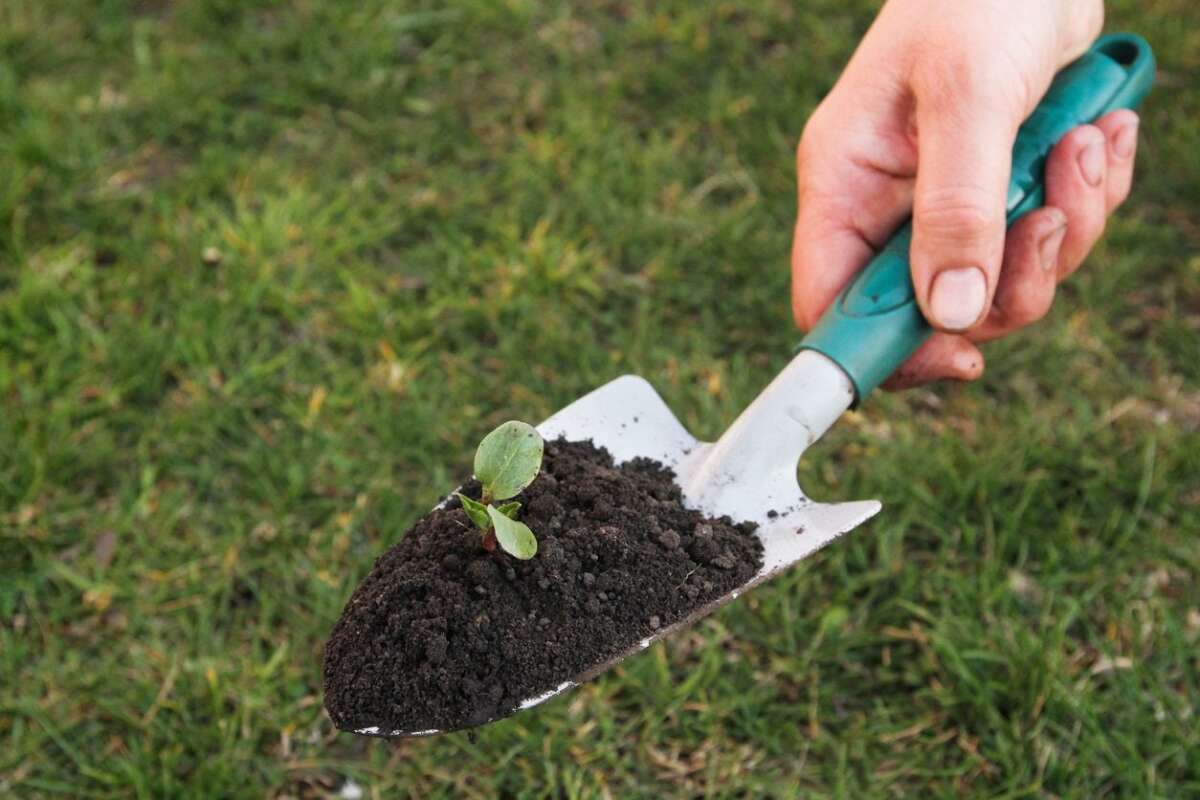
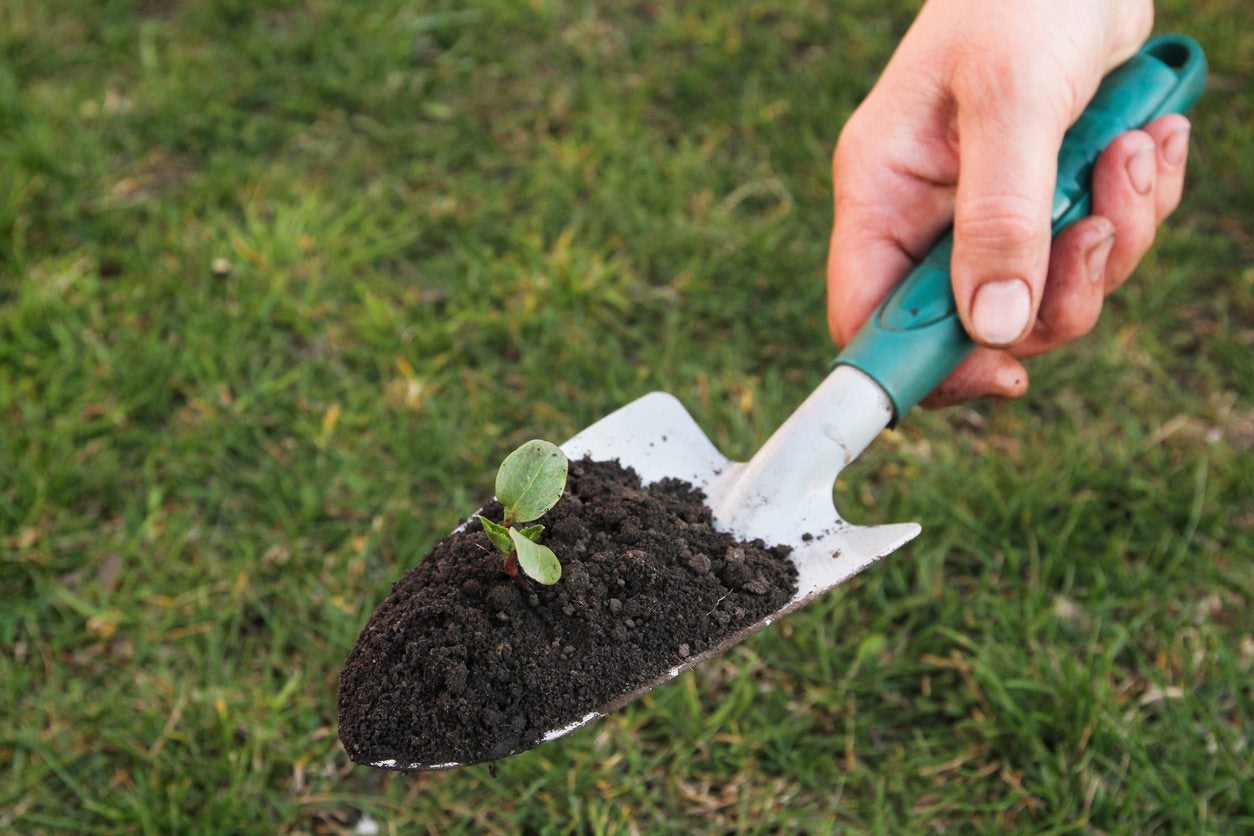
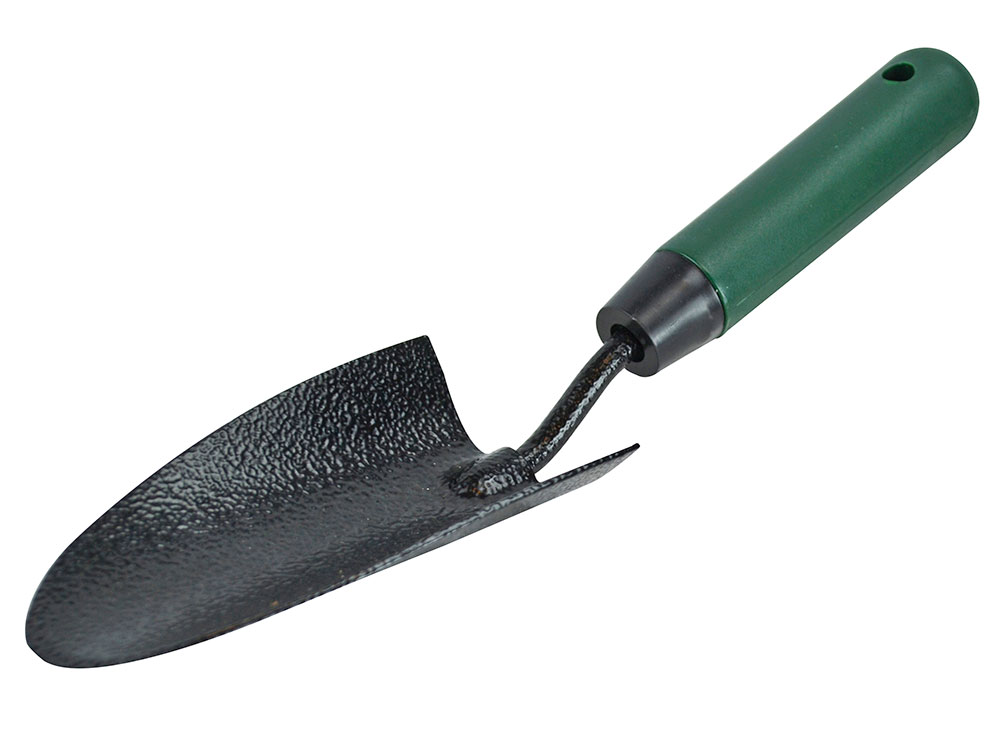
A hand trowel is a small gardening and farming tool with a narrow metal blade and a short handle. The blade may be pointed, rounded, or flat. Its compact design lets a grower work close to plant stems without disturbing nearby roots.
The main purpose of a hand trowel is to perform light digging and planting tasks by hand. It is common in vegetable gardens, nurseries, greenhouse production, orchards, flower farms, and small-scale agriculture.
A hand trowel usually has three parts:
- Blade: The metal part that cuts into soil.
- Ferrule: The joint that connects the blade to the handle.
- Handle: The part held by the user.
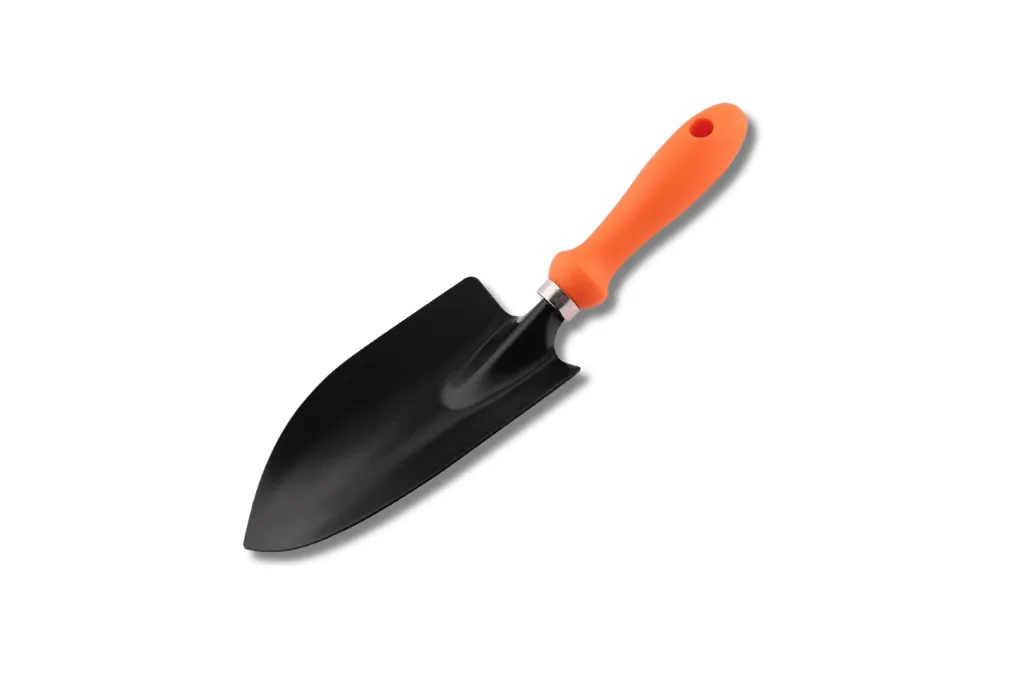
Blade width, depth, material, and handle shape affect how the tool performs. A narrow blade works well for seedlings and tight spaces. A wider blade moves more soil and suits general planting.
What Is the Use of Hand Trowel in Agriculture?
The use of hand trowel in agriculture covers many small but important jobs. It is often the best tool when accuracy matters more than speed.
1. Planting Seeds and Seedlings
A hand trowel can make small holes for seeds, plugs, and young plants. The grower can control the hole depth and width with ease.
For example, a farmer may use a trowel to plant lettuce, cabbage, herbs, onion sets, or flower seedlings. The tool helps prevent large holes that leave air pockets around the roots.
When planting a seedling, loosen the soil first. Place the root ball at the correct depth, then press soil gently around it. Avoid packing the soil too hard because roots need air and water.
2. Transplanting Young Plants
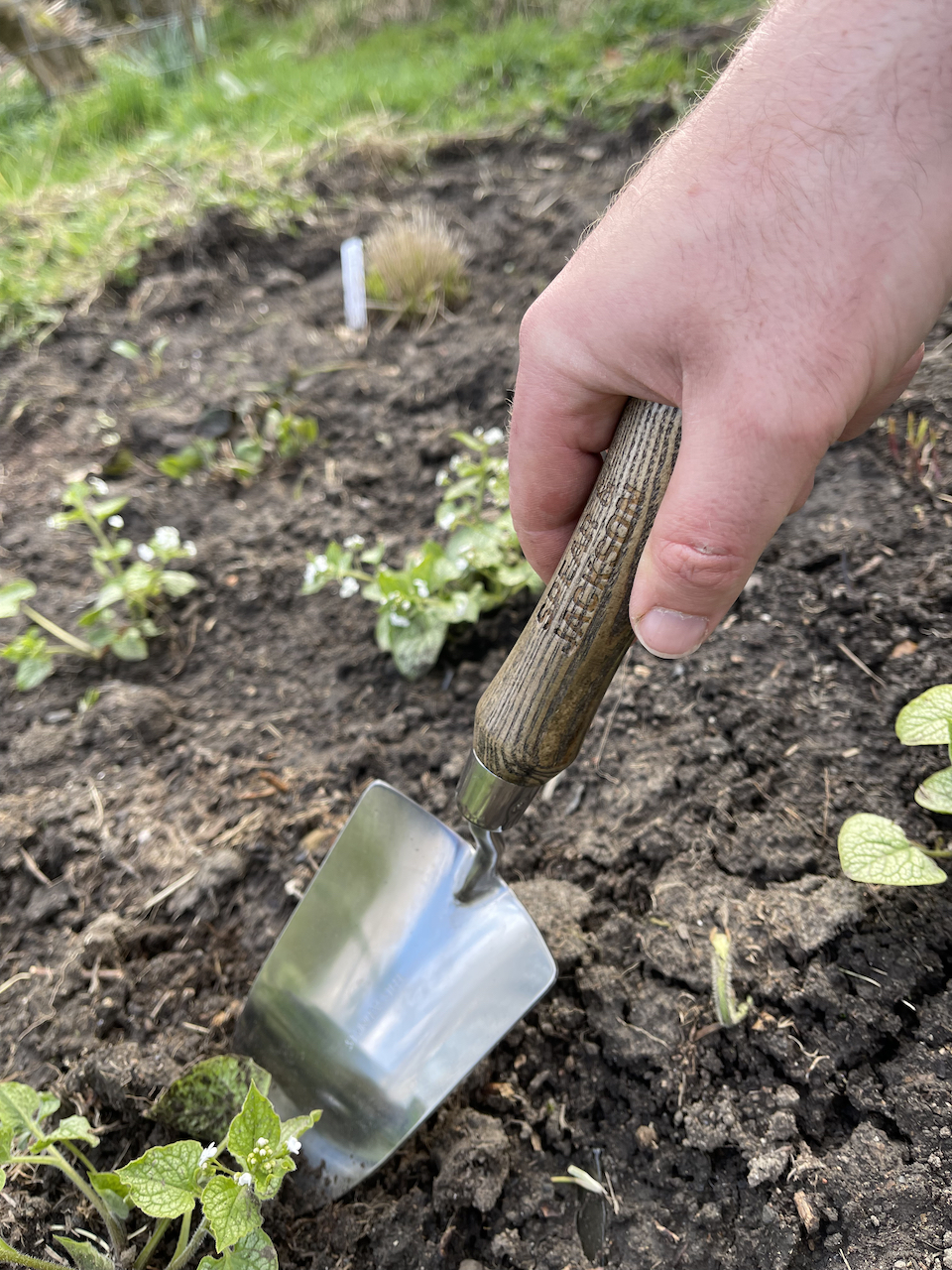
Transplanting is one of the most useful jobs for a hand trowel. The narrow blade can lift a seedling with much less root damage than a large shovel.
Slide the blade into the soil a few inches from the stem. Push down below the root zone, then lift the plant with the surrounding soil. This method protects delicate roots and reduces transplant shock.
3. Removing Weeds
A hand trowel can loosen weeds from the soil. It works especially well on young weeds with shallow roots.
Push the blade below the weed crown and lift it out. Remove as much of the root as possible. If you only pull off the leaves, many weeds can grow back.
Use care around crop roots. A sharp trowel can cut both weeds and useful plant roots. For close weeding, hold the tool at a slight angle and work slowly.
4. Breaking Up Soil
Compacted soil can prevent roots from spreading. A hand trowel helps break small hard spots in raised beds, containers, and planting holes.
The tool can also loosen crusted soil after heavy rain or overhead watering. Work only as deep as needed. Deep digging near established crops may damage roots or disturb soil layers.
5. Mixing Compost and Soil Amendments
Growers often use a hand trowel to mix compost, aged manure, peat-free growing media, or other soil amendments into a small planting area.
This is useful when filling containers or preparing individual holes. Mix amendments evenly rather than placing a thick layer directly against plant roots. Too much fertilizer or fresh manure may burn roots or create nutrient problems.
6. Harvesting Small Root Crops
A hand trowel can help harvest radishes, small carrots, onions, garlic, and young potatoes. It loosens soil around the crop so the produce can be lifted with less breakage.
Dig beside the crop instead of directly through it. This simple habit reduces cuts, bruises, and waste.
7. Creating Furrows and Small Trenches
The edge of a hand trowel can make shallow furrows for seeds or small irrigation channels. It can also create a narrow trench for fertilizer or soil treatment.
Depth matters. Seeds planted too deeply may fail to emerge, while seeds placed too close to the surface may dry out. Always follow the planting guidance for the crop.
8. Moving Small Amounts of Soil
A hand trowel works like a small scoop. It can move potting mix, loose soil, compost, mulch, or sand around plants.
This use is common in greenhouse work and nursery production. It also helps fill gaps caused by erosion around young crops.

Why Is a Hand Trowel Important for Farmers?
The hand trowel is important because it offers control, accuracy, and access. Large tools are useful for field preparation, but they are often too heavy or wide for delicate plant work.
The use of hand trowel in agriculture is especially valuable in areas where crops grow close together. It lets farmers complete detailed tasks without stepping into beds or damaging nearby plants.
Key benefits include:
- Precision: You can dig close to a plant without disturbing a large area.
- Low cost: A good trowel is affordable and can last for years.
- Easy storage: It takes little room in a tool shed or greenhouse.
- Low energy use: It needs no fuel, battery, or motor.
- Versatility: One tool can support planting, weeding, mixing, and harvesting.
- Better access: It reaches narrow rows, containers, and raised beds.
- Reduced soil disturbance: It moves less soil than a shovel or rotary tiller.
A hand trowel also supports careful farming. It encourages the grower to inspect the soil, roots, and plant health at close range. That close look can reveal pests, poor drainage, root damage, or nutrient issues early.
Types of Hand Trowels Used in Agriculture
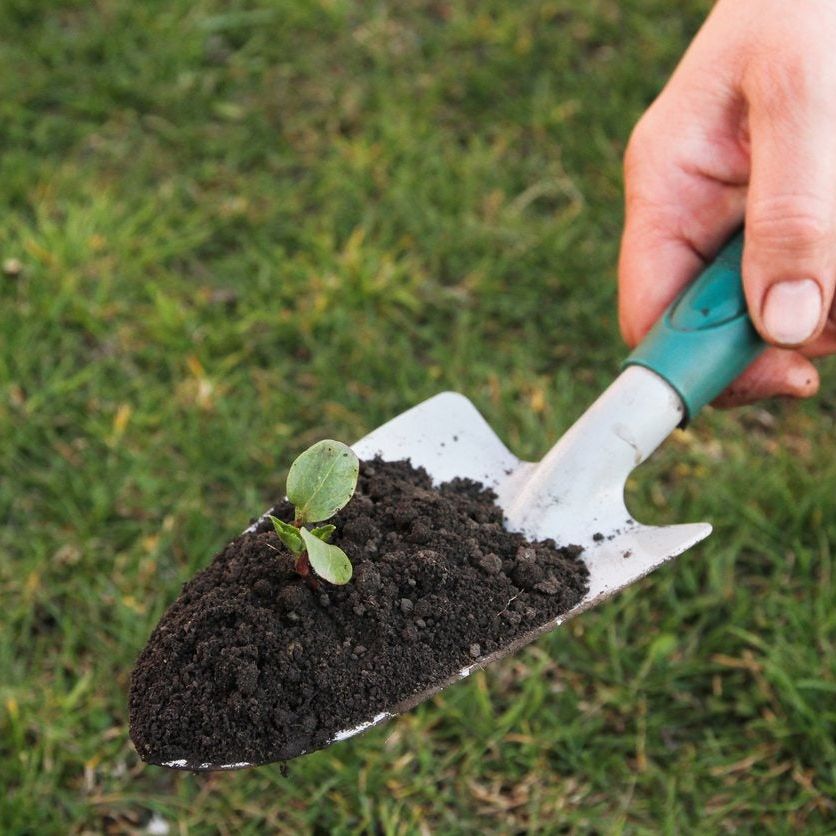
Not every hand trowel has the same shape. Choosing the correct design makes work easier and reduces hand strain.
Narrow-Blade Trowel
A narrow blade is useful for seedlings, bulbs, herbs, and crowded planting beds. It removes less soil and gives good control around roots.
Wide-Blade Trowel
A wide blade carries more soil. It suits container filling, compost mixing, and general planting.
Pointed Trowel
A pointed tip enters hard or compacted soil more easily. It can also help make deep holes for bulbs and transplants.
Flat-Blade Trowel
A flat blade works well in loose soil and for scraping, leveling, or scooping growing media.
Stainless Steel Trowel
Stainless steel resists rust and is easy to clean. It often costs more, but it can provide long service when cared for properly.
Carbon Steel Trowel
Carbon steel is strong and can hold a sharp edge. It needs drying and occasional oiling to reduce rust.
Ergonomic Trowel
An ergonomic handle may reduce wrist bending and pressure. This design can help people who work for long periods or have joint pain.

How to Use a Hand Trowel Correctly
Using a hand trowel seems simple, but technique affects plant health and personal safety. Follow these steps for most planting or transplanting jobs:
- Check the soil condition. Soil should be workable, not soaked or extremely dry.
- Mark the planting spot. This helps maintain correct spacing.
- Insert the blade at the needed depth.
- Move the tool gently to open the hole.
- Place the seed or plant at the correct level.
- Fill the hole with loose soil.
- Press lightly around the plant.
- Water according to the crop’s needs.
- Clean the tool before storing it.
Hold the handle firmly but do not grip it with excessive force. Let the blade do the work. If the soil is too hard, wet it lightly or use a larger tool rather than forcing the trowel.
When removing weeds, push the blade below the root crown. When transplanting, keep the blade away from the main root mass. These small choices can make a major difference.
Practical Example: Using a Hand Trowel in a Vegetable Bed
Imagine a bed of young pepper plants with weeds growing between them. A hoe may be too wide, and pulling weeds by hand may leave the roots behind.
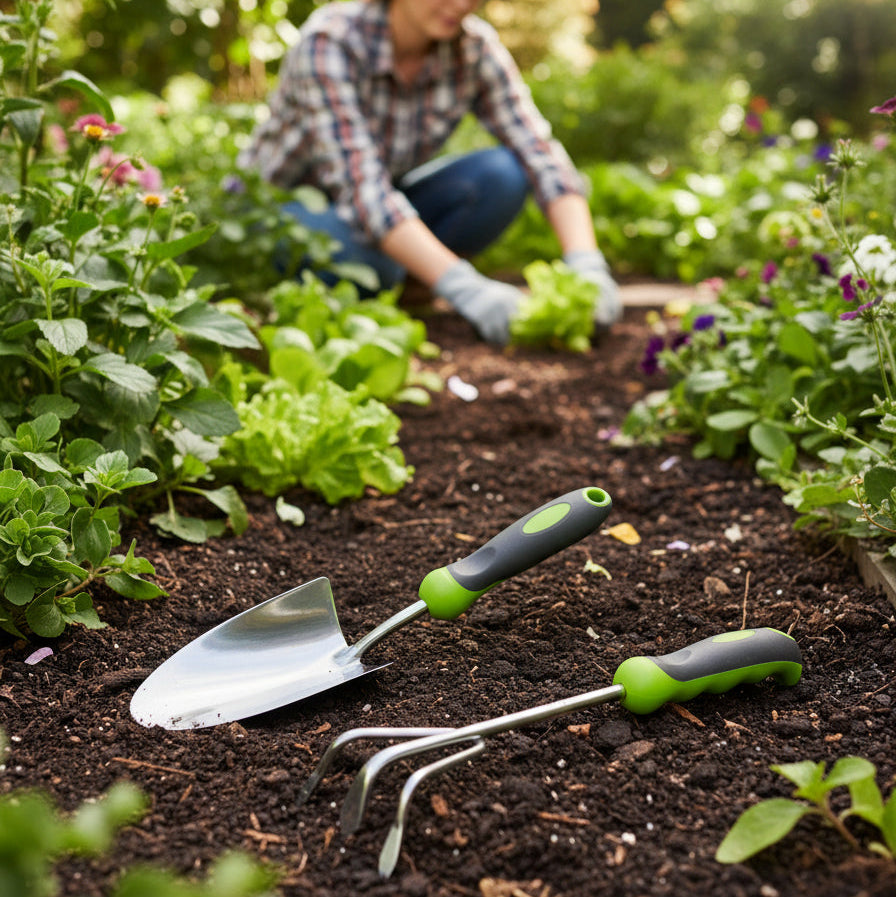
The grower can use a hand trowel to loosen each weed from below. The blade can also open a small space for compost around the pepper plant. This method keeps the soil disturbance limited and protects the pepper roots.
A common mistake is digging too close to the stem. Many crops have shallow feeder roots that spread wider than expected. Work a few inches away from the stem and watch for visible roots.
This example shows why the use of hand trowel in agriculture is not limited to digging. It supports several careful tasks in one small area.
Benefits and Limitations of a Hand Trowel
A hand trowel has clear advantages, but it is not the right tool for every farm job.
Main Benefits
- It provides excellent control.
- It works well in small spaces.
- It is simple for beginners to use.
- It allows close inspection of soil and roots.
- It creates less disturbance than powered equipment.
- It is useful in gardens, nurseries, and greenhouse systems.
- It can support organic and low-input farming practices.
Main Limitations
- It is slow for large fields.
- It may cause hand or wrist fatigue.
- A cheap model may bend in hard soil.
- It cannot replace a shovel for deep digging.
- It is less useful in very rocky or compacted ground.
- Poor cleaning can spread plant diseases.
The best tool depends on the scale of work. Use a hand trowel for detail work and a shovel, hoe, broadfork, or mechanical equipment for larger tasks.
Safety Tips for Using a Hand Trowel
Even a small tool can cause injury if used carelessly. Safe habits protect both the worker and the crops.
- Wear gloves to prevent blisters, cuts, and contact with contaminated soil.
- Use eye protection when breaking hard soil or stones.
- Keep the blade pointed away from your body.
- Do not use a damaged handle or loose blade.
- Avoid excessive force if the tool is stuck.
- Keep fingers away from the blade edge.
- Clean soil from the tool after use.
- Disinfect the blade when moving between plants with possible disease.
- Store the trowel in a dry place.
People with weakened immune systems should take extra care when handling soil and compost. Wash hands after gardening, especially before eating.
How to Choose the Best Agricultural Hand Trowel
Consider the job, soil, and user before buying a hand trowel. A tool that feels comfortable in the store may still perform poorly in heavy soil.
Look for these features:
- Strong blade: Choose stainless steel or thick carbon steel.
- Secure connection: The blade should not wobble where it meets the handle.
- Comfortable grip: A soft or shaped handle can reduce pressure.
- Useful markings: Depth marks help with consistent planting.
- Suitable width: Narrow blades suit seedlings, while wide blades move more soil.
- Balanced weight: The trowel should feel stable without being heavy.
- Easy cleaning: Smooth surfaces hold less soil and residue.
A simple test is to hold the trowel and mimic a digging motion. If your wrist bends sharply or the handle slips, choose another design.
For children or people with small hands, a lighter model may be safer. For hard soil, choose a pointed and strong blade rather than a thin decorative tool.
Cleaning and Maintaining a Hand Trowel
Good maintenance extends the life of a hand trowel and helps reduce disease spread.
After use, rinse off soil and plant residue. Dry the blade fully before storage. Moisture left on carbon steel can cause rust.
For regular care:
- Remove soil with a brush.
- Wash the blade when needed.
- Dry all metal parts.
- Sharpen a dull edge with a suitable file.
- Apply a thin coat of oil to carbon steel.
- Check the handle and ferrule for damage.
- Store the tool under cover.
Do not leave a trowel buried in wet soil. Do not use harsh chemicals unless the product label supports use on garden tools. If a plant disease is suspected, clean and disinfect the blade before using it on another crop.
Hand Trowel vs. Other Agricultural Tools
A hand trowel is one part of a complete tool set. Each tool has a different role.
- Hand trowel: Best for small holes, transplanting, weeding, and close soil work.
- Hand cultivator: Best for loosening the top layer and breaking small crusts.
- Hoe: Best for shallow weeding across longer rows.
- Shovel: Best for moving large amounts of soil and digging deep.
- Spade: Best for cutting and turning soil with a flat blade.
- Dibber: Best for making uniform holes for seeds and plugs.
- Soil knife: Best for cutting roots, bags, twine, and tough weeds.
The use of hand trowel in agriculture is strongest when precision is needed. It should work alongside larger tools rather than replace them.
Frequently Asked Questions About What Is the Use of Hand Trowel in Agriculture
What is the main use of a hand trowel in agriculture?
The main use is digging small holes for planting seeds, seedlings, bulbs, and transplants. Farmers also use it for weeding, loosening soil, mixing amendments, and harvesting small root crops.
Can a hand trowel be used for transplanting?
Yes. A hand trowel can lift seedlings and small plants while keeping much of the root ball intact. Insert the blade below and beside the roots to reduce damage.
Is a hand trowel suitable for large farms?
A hand trowel is useful for small areas, nurseries, greenhouses, and detailed crop work. It is not efficient for preparing large fields, where hoes, shovels, cultivators, or machines work faster.
What type of hand trowel is best for hard soil?
A pointed carbon steel or thick stainless steel trowel is often best for hard soil. However, very compacted or rocky soil may require a larger digging tool before using the trowel.
How should a hand trowel be cleaned?
Remove soil, rinse the blade, and dry it completely after use. Disinfect it between plants when disease may be present, and oil carbon steel to help prevent rust.
Can a hand trowel damage plant roots?
Yes, it can damage roots if pushed too close to the stem or used with too much force. Work slowly and keep the blade outside the main root zone whenever possible.
Conclusion
A hand trowel is a small tool with a wide role in agriculture. It helps with planting, transplanting, weeding, soil loosening, compost mixing, furrow making, and harvesting small crops. Its greatest strength is control, especially in beds, containers, nurseries, and crowded rows.
Choose a strong, comfortable trowel that matches your soil and crop needs. Use it gently, clean it after each job, and avoid forcing it into ground that needs a larger tool. With these habits, the use of hand trowel in agriculture becomes safer, faster, and more effective.
Try these techniques in your next planting session, and share your favorite hand trowel tip or tool choice in the comments.

Laura Bennett is a gardening writer at MyGardenLabs who creates beginner-friendly guides focused on solving common plant care and gardening problems.


