What Tool Is Used For Pruning: Best Cutting Tools
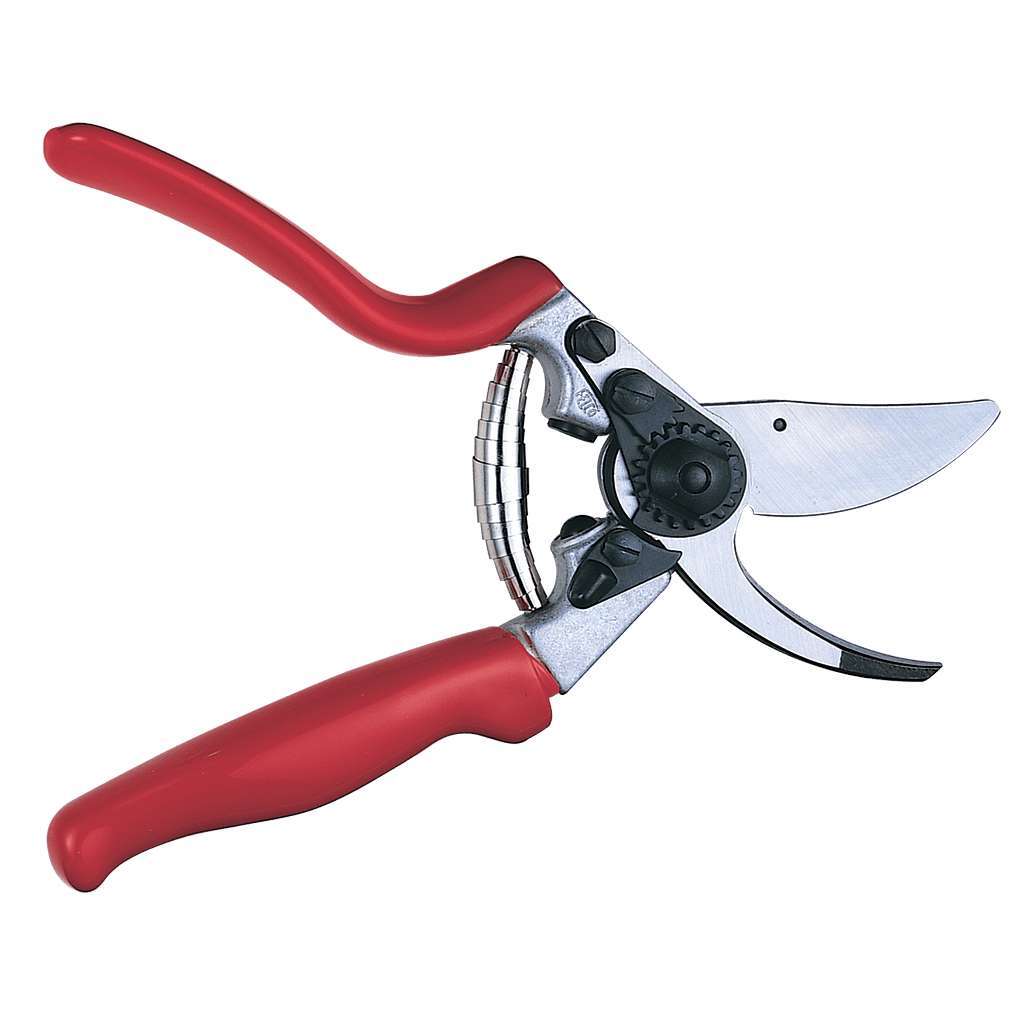
Hand pruners are the main tool used for pruning small branches and stems.
Knowing what tool is used for pruning helps you make clean cuts, protect plants, and work with less effort. The right tool depends on branch size, plant type, reach, and the cut you need to make. This guide explains each pruning tool, when to use it, and how to avoid common mistakes.

What tool is used for pruning?
For most home gardening tasks, bypass hand pruners are the best answer to what tool is used for pruning. They have two curved blades that pass each other like scissors. This design makes a clean cut on live stems and small branches.
Use bypass pruners for:
• Flowers and rose bushes
• Young fruit trees
• Shrubs and vines
• Green stems up to about ¾ inch thick
• Removing dead flowers and small shoots
Clean cuts heal faster than crushed cuts. A sharp bypass pruner works like a clean pair of scissors. A dull or poorly designed tool can tear the bark and leave a rough wound.
The best tool also depends on branch thickness. Using hand pruners on a thick limb can damage both the plant and the tool. Forcing the wrong tool is like using a kitchen knife to cut a log. It may work briefly, but it is unsafe and ineffective.
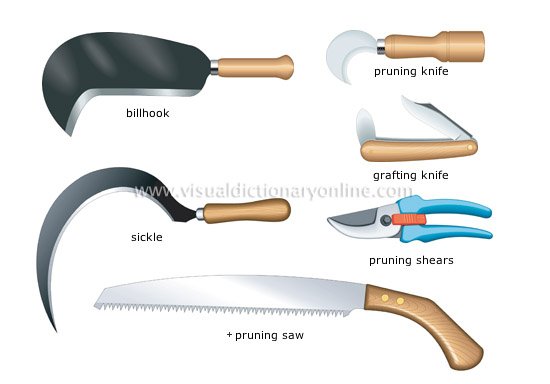
Main pruning tools and their uses
The answer to what tool is used for pruning changes with the size and location of the branch. Each tool has a specific job. Choosing the right one keeps cuts clean and reduces hand strain.
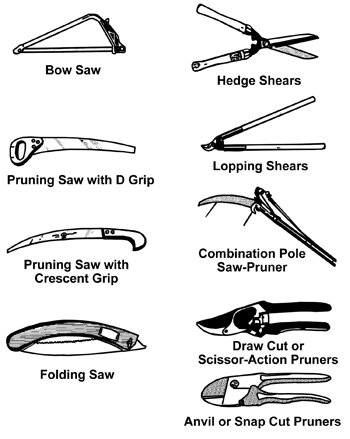
Bypass hand pruners
Bypass hand pruners are the most common pruning tool. They are ideal for live wood, green stems, and small branches.
Their curved blades make a narrow cut. Place the cutting blade close to the branch collar or bud, then squeeze the handles with steady pressure.
Look for:
• A sharp, replaceable blade
• A strong spring
• Comfortable, non-slip handles
• A safety lock
• A size that fits your hand
Anvil pruners
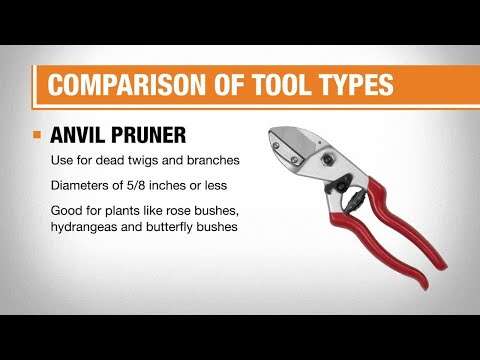
Anvil pruners have one sharp blade that closes against a flat surface. They are useful for cutting dry, dead, or hard wood.
Anvil tools can crush soft, living stems. For that reason, they are not usually the first choice when pruning green growth. They work best when removing dead branches that do not need to heal cleanly.
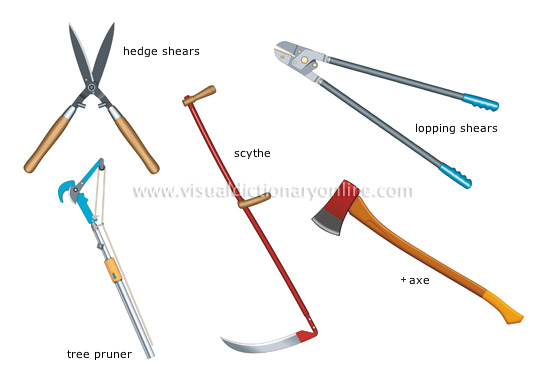
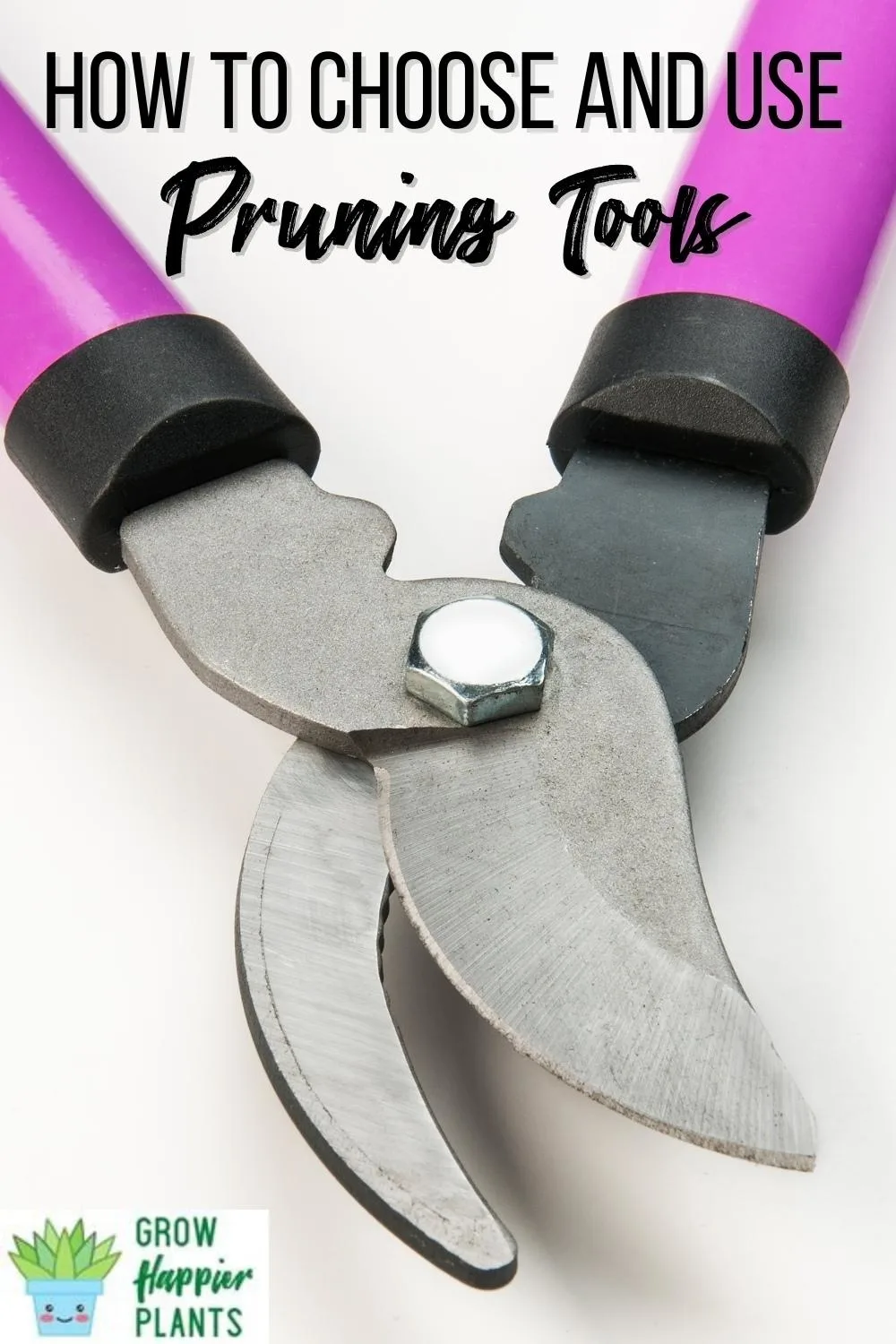
Loppers
Loppers have long handles and larger blades. They give you more leverage than hand pruners.
Use loppers for branches about ¾ to 2 inches thick, depending on the tool and the wood. Bypass loppers suit living branches. Anvil loppers work well for dead wood.
Long handles also let you reach into dense shrubs. However, they can be heavy during long pruning jobs. Choose a lightweight model if you have many branches to cut.
Pruning saws
A pruning saw is the right answer to what tool is used for pruning branches too thick for loppers. Most pruning saws handle limbs larger than 2 inches.
A curved pruning saw is easy to guide in tight spaces. A folding saw is convenient for storage and travel. A straight saw can work well on open branches.
Use a pruning saw with long, smooth strokes. Do not twist the blade while cutting. Twisting can bend the blade or tear the bark.
Pole pruners
Pole pruners help you reach high branches without a ladder. They may include a small cutting head, a pruning saw, or both.
They are useful for light work in fruit trees and tall shrubs. However, they offer less control than tools held close to the body. Never cut a large, heavy branch overhead unless you understand the risks.
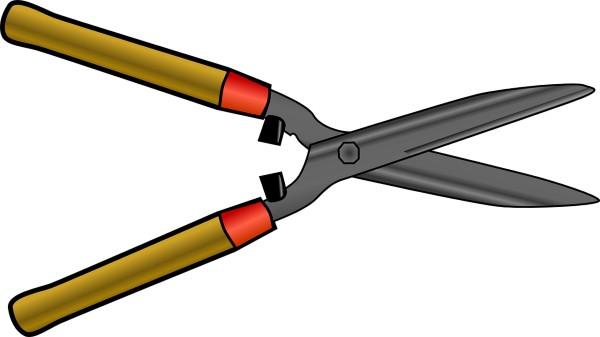
Hedge shears
Hedge shears have long, straight blades. They trim many small twigs at once.
Use them for formal hedges and shaped shrubs. Do not use them for large branches or detailed tree pruning. Repeated shearing can create a dense outer layer of growth and reduce light inside the plant.

How to choose the right pruning tool
When deciding what tool is used for pruning, start with the branch. Measure its thickness and check whether it is alive or dead. Then consider your reach, grip strength, and the number of cuts needed.
Follow this simple guide:
- Use hand pruners for small stems and branches up to about ¾ inch.
- Use loppers for branches from about ¾ to 2 inches.
- Use a pruning saw for larger branches.
- Use pole tools for high branches that are light enough to cut safely.
- Use hedge shears for shaping fine, flexible growth.
Branch size is only one factor. A tool should also feel stable in your hand. If the handles are too wide, your fingers may not close them fully. If the tool is too heavy, your wrist may tire before the work is done.
For people with arthritis or weak grip strength, ratcheting pruners can reduce the force needed for a cut. Electric pruners may help with larger jobs, but they cost more and require careful battery and blade maintenance.
Bypass or anvil pruners: Which is better?
The best answer to what tool is used for pruning live plants is usually bypass pruners. Their blades pass each other and make a cleaner cut.
Choose bypass pruners when you are cutting:
• Live branches
• Green stems
• Rose canes
• Fruit tree shoots
• Ornamental shrubs
Choose anvil pruners when you are cutting:
• Dry twigs
• Dead branches
• Tough, brittle wood
• Old stems that do not need a smooth cut
A simple test can help. Hold a thin twig in the tool and make one cut. If the stem looks sliced and smooth, the tool is working well. If it looks crushed, switch to a bypass tool or sharpen the blade.
In my own pruning work, one mistake taught me this lesson quickly: using an anvil pruner on soft rose stems left bruised ends. The plants recovered, but the cuts looked poor and took longer to dry. Since then, I match the blade style to the wood before I begin.
How to use pruning tools correctly
Finding what tool is used for pruning is only the first step. Good technique matters just as much as the tool itself.
Make the right cut
Position the cutting blade on the side of the branch that will remain on the plant. Place the blade just outside the branch collar or growth bud.
For a cut above a bud, angle the cut slightly away from the bud. This helps water run away from the bud and reduces the chance of rot.
Do not leave a long stub. Do not cut flush against the trunk or main branch. Both mistakes can slow healing and increase the risk of damage.
Use the three-cut method
For a large branch, use three cuts:
- Make a shallow undercut several inches from the trunk.
- Make a top cut a little farther out to remove the branch weight.
- Make the final cut just outside the branch collar.
This method prevents a falling branch from tearing the bark. It is one of the most important safety steps when using a pruning saw.
Keep your body safe
Wear safety glasses when cutting overhead. Thick gloves protect your hands from thorns and rough bark. Keep both feet on stable ground, and avoid reaching too far.
Never use a ladder on uneven soil. For high or heavy branches near power lines, hire a qualified arborist. Home pruning tools are not designed for dangerous tree removal.

How to clean and maintain pruning tools
Clean tools are part of the answer to what tool is used for pruning because dirty blades can spread plant problems. Sap, soil, and plant residue also make tools harder to use.
Follow these steps after pruning:
- Brush away soil and loose debris.
- Wipe the blades with a clean cloth.
- Disinfect the blades between diseased plants.
- Dry the metal parts fully.
- Apply a light coat of oil to the pivot and blade.
- Store the tool in a dry place.
Household disinfectants may not work well against every plant pathogen. Use a product labeled for tool sanitation, and follow its label directions. Never mix cleaning chemicals.
Sharpen blades when they begin to drag, crush, or tear stems. A sharpening stone or purpose-made file can restore a clean edge. Keep the original bevel of the blade rather than grinding it flat.
Replace damaged springs, loose bolts, or badly worn blades. A tool that slips during a cut can cause serious hand injuries.
Common pruning mistakes to avoid
Many pruning problems come from using the wrong tool or making cuts without a plan. Understanding what tool is used for pruning can prevent most of them.
Avoid these common errors:
• Using hand pruners on thick branches
• Using hedge shears on trees
• Cutting live stems with a dull blade
• Leaving long branch stubs
• Cutting into the branch collar
• Pruning during extreme heat or freezing weather
• Removing too much live growth at once
• Ignoring dead or diseased wood
• Failing to clean tools between plants
• Cutting overhead branches from an unstable ladder
Do not remove more than necessary. Many trees and shrubs respond poorly when a large share of their canopy disappears at once. A useful rule is to make a clear plan before the first cut.
Timing also matters. Light pruning can happen in many seasons, but major cuts should match the plant. Flowering shrubs may bloom on old wood or new wood. Pruning at the wrong time can remove next season’s flowers.
When a plant has a serious disease, learn the specific pruning advice for that species. General advice cannot replace a diagnosis from a local extension service or certified arborist.
Pruning tool safety tips
The safest answer to what tool is used for pruning includes more than the blade. It also includes safe habits.
Keep these points in mind:
• Cut away from your body.
• Keep fingers behind the blades.
• Lock hand tools when carrying them.
• Carry saws with the teeth covered.
• Keep children and pets away from the work area.
• Do not cut branches under tension without proper training.
• Check pole tools for loose parts before use.
• Stop working when your hands become tired.
• Use eye protection for saw work.
• Call an arborist for large trees or power-line work.
A sharp tool is often safer than a dull tool because it needs less force. Still, sharp blades can cause deep cuts. Treat every pruning tool as a cutting device, not as a casual garden accessory.
Frequently Asked Questions About What Tool Is Used for Pruning
What is the best tool for pruning small branches?
Bypass hand pruners are the best tool for most small, living branches and stems. They make clean cuts and are easy to control.
What tool is used for pruning thick branches?
Use loppers for medium branches and a pruning saw for larger limbs. The correct choice depends on branch thickness, wood type, and the tool’s cutting capacity.
Are bypass or anvil pruners better?
Bypass pruners are better for live wood because they make cleaner cuts. Anvil pruners are useful for dry, dead, or brittle branches.
Can hedge shears be used for tree pruning?
Hedge shears should not be used for large tree branches. They are designed to trim many small twigs on hedges and finely textured shrubs.
How often should pruning tools be sharpened?
Sharpen pruning tools whenever they crush or tear stems instead of making smooth cuts. Frequent users may need to sharpen them several times during a growing season.
Should pruning tools be disinfected?
Yes, disinfect tools between plants when disease may be present. Cleaning helps reduce the risk of spreading bacteria, fungi, and other plant pathogens.
Conclusion
The main answer to what tool is used for pruning is bypass hand pruners for small live stems. Use loppers for medium branches, pruning saws for thick limbs, pole tools for safe light work at height, and hedge shears for formal shaping.
Choose the tool by branch size, wood condition, plant type, and your own comfort. Keep every blade sharp, clean, and properly stored. Start with a clear plan, make careful cuts, and call a trained arborist for large or risky tree work. Use these tips on your next pruning job, and share your favorite pruning tool or technique with other gardeners.

Laura Bennett is a gardening writer at MyGardenLabs who creates beginner-friendly guides focused on solving common plant care and gardening problems.