What Is The Meaning Of Pruning Shears: Uses And Tips
Pruning shears are hand tools used to cut small branches, stems, and twigs when caring for plants.
Understanding what is the meaning of pruning shears helps you choose the right tool, make clean cuts, and keep garden plants healthy. These compact cutters are common in home gardens, orchards, nurseries, and landscaping work. In this guide, you will learn how pruning shears work, which types exist, how to use them safely, and how to care for them.

What Is the Meaning of Pruning Shears?
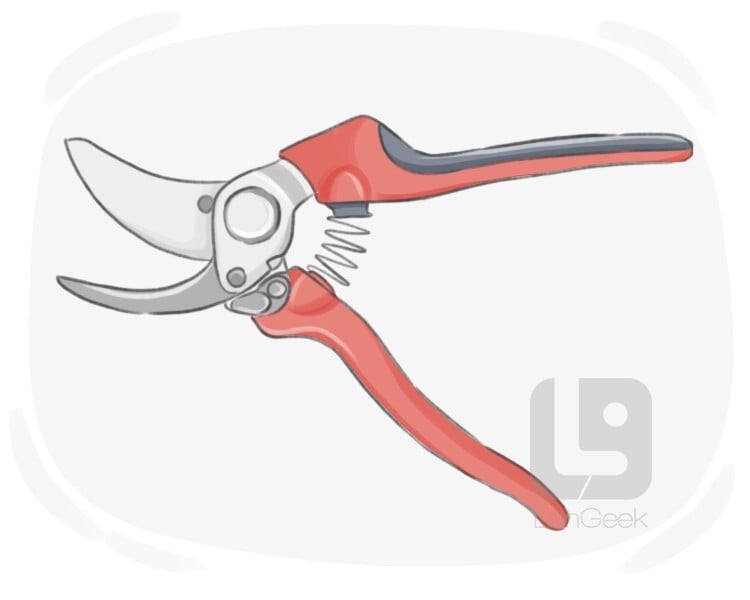
The meaning of pruning shears is simple: they are small, handheld garden tools designed to cut live stems, dead growth, thin branches, and woody twigs. They are also called hand pruners, garden clippers, pruning scissors, or secateurs.
Most pruning shears fit in one hand. They have two blades or cutting parts that close around plant material. The blades create a clean cut with far more force than ordinary household scissors.
When people ask, “What is the meaning of pruning shears?” they usually want to know how these tools differ from regular scissors. Pruning shears are stronger, sharper, and built for outdoor plant care. Their handles often include a spring that opens the blades after each cut.
The right pruning shears can help you:
• Remove dead or diseased growth
• Shape shrubs and small trees
• Cut flowers for indoor display
• Harvest herbs, fruits, and vegetables
• Encourage new plant growth
• Improve air movement through dense branches
A simple way to picture them is to think of pruning shears as a plant’s precise haircut tool. They remove only the growth you choose, rather than cutting a large area at once.

How Pruning Shears Work
Pruning shears use leverage. When you squeeze the handles, the blades move together and transfer your hand force to a small cutting point. This design lets you cut stems that would be difficult to break by hand.
Most models have a moving blade and a fixed blade. The moving blade slices through the stem, while the fixed blade supports it. This action is similar to using a sharp knife against a firm cutting board.
Good pruning shears should make a smooth cut without crushing the stem. A crushed stem may heal slowly and can create a weak point where pests or disease enter.
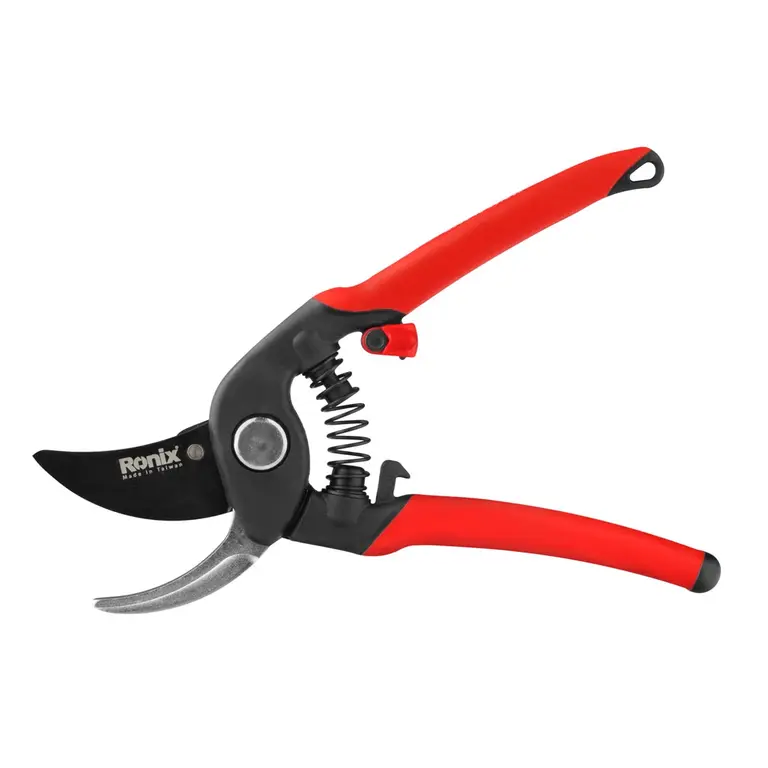
The main parts usually include:
• Cutting blade: The sharp edge that slices through the stem
• Counter blade: The lower blade that supports the plant
• Handles: The grips used to control the tool
• Spring: The part that pushes the handles open
• Lock: A safety piece that keeps the blades closed
• Grip: The coating that improves comfort and control
In my experience, the sharpness of the blade matters more than the price of the tool. A basic pair with a sharp blade often performs better than an expensive pair that has been neglected.
Types of Pruning Shears
Different pruning shears suit different plants and cutting jobs. Knowing the main types helps you avoid crushed stems, tired hands, and damaged plants.
Bypass pruning shears
Bypass pruning shears have one curved blade that passes by a thicker lower blade. They work like scissors and usually make the cleanest cut.
Use bypass pruners for:
• Green stems
• Rose bushes
• Fruit trees
• Perennial flowers
• Young branches
• Fresh herb stems
They are often the best choice for general garden work. The clean slicing action causes less damage to living plant tissue.
Anvil pruning shears
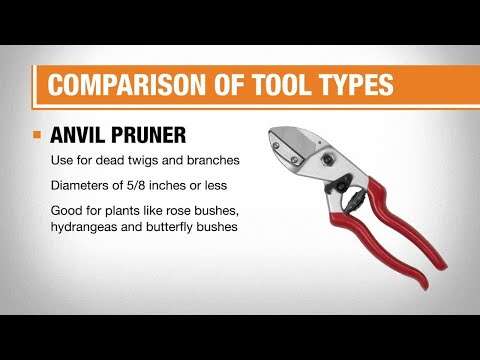
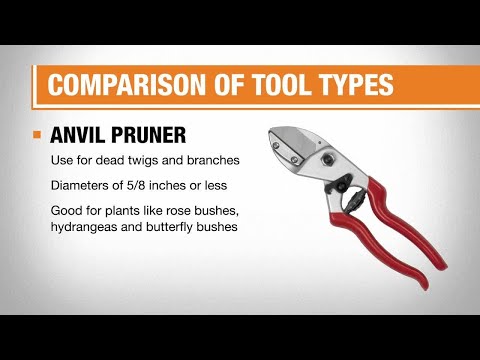
Anvil pruning shears have one sharp blade that closes against a flat surface. They are useful for cutting dry, hard, or dead wood.
Use anvil pruners for:
• Dead branches
• Dry stems
• Tough twigs
• Hard woody growth
Anvil models can crush soft green stems, so they are not ideal for delicate live growth. Think of them as a small knife meeting a firm block rather than two blades passing each other.
Ratchet pruning shears
Ratchet pruning shears use a step-by-step cutting action. The tool locks into stages as you squeeze the handles.
They can help people with:
• Weak hand strength
• Arthritis
• Small hands
• Long pruning sessions
• Thick stems within the tool’s limit
Ratchet models reduce the force needed for each cut. However, they may feel slower than standard bypass pruners.
Electric pruning shears
Electric pruning shears use a battery-powered motor to close the blade. They are common among professional growers, orchard workers, and people who prune many plants.
They can save time and reduce hand strain. They also require charging, cleaning, safe storage, and careful handling because the blade can close with significant force.
What Are Pruning Shears Used For?
The meaning of pruning shears becomes clearer when you see their everyday uses. These tools are made for small, controlled cuts rather than large branches.
Common uses include:
• Removing dead flower heads
• Cutting back roses
• Trimming grapevines
• Harvesting peppers and tomatoes
• Cutting herbs such as basil and mint
• Removing damaged tree twigs
• Shaping young shrubs
• Taking plant cuttings
• Removing suckers from tomato plants
• Cutting flower stems for arrangements
Pruning shears are also useful during plant maintenance. A quick cut can stop a damaged twig from rubbing against another branch. It can also remove growth that blocks light from reaching the center of a plant.
Still, pruning shears have limits. Most hand pruners are designed for stems about three-quarters of an inch thick or less, though the exact limit varies by model and plant type. For larger branches, use loppers or a pruning saw.
Trying to force pruning shears through a thick branch is a common mistake. It can bend the blade, damage the tool, and leave a rough wound on the plant.
How to Use Pruning Shears Correctly
Using pruning shears well takes more than squeezing the handles. The position and location of each cut affect how the plant heals.
Follow these steps:
- Inspect the plant and identify the growth you want to remove.
- Check that the blades are clean and sharp.
- Hold the tool with a firm but relaxed grip.
- Place the cutting blade close to the branch collar or just above a healthy bud.
- Cut in one smooth motion.
- Avoid twisting the tool during the cut.
- Remove the cut material from the area.
- Clean the blades before moving to another plant.
When cutting above a bud, angle the cut slightly away from the bud. This helps water run away from the growing point. Do not leave a long stub, but also avoid cutting into the bud itself.
For a branch growing from a larger limb, look for the branch collar. This slightly swollen area helps the plant seal the wound. Cutting just outside the collar is usually better than cutting flush against the trunk.
A lesson many new gardeners learn is that more cutting does not always mean better growth. Remove only what is dead, damaged, diseased, crossing, or clearly unwanted. Heavy pruning can stress a plant.

How to Choose the Best Pruning Shears
Choosing pruning shears depends on the plant, the size of the stems, and your hand strength. A tool that feels comfortable is more likely to be used correctly.
Consider these features:
Blade quality
Look for blades made from hardened carbon steel or high-quality stainless steel. Carbon steel often holds an edge well, while stainless steel offers strong resistance to rust.
Cutting capacity
Check the manufacturer’s stated cutting capacity. Do not assume that a larger-looking tool can safely cut thick branches.
Handle comfort
Choose handles that fit your hand. A soft, non-slip grip can reduce pressure during long sessions.
Lock design
A secure lock keeps the blades closed during storage. Test it before buying if possible.
Replaceable parts
Some professional pruning shears allow you to replace the blade, spring, or bolt. This can extend the tool’s life and reduce waste.
Left-handed options
Many standard models are designed for right-handed users. If you are left-handed, look for a model made for your grip. The wrong design may cause poor cuts and hand strain.
In practical use, balance is easy to overlook. A pair that feels light and stable is often more comfortable than one with a large, heavy handle.
Pruning Shears vs. Other Garden Cutting Tools
Pruning shears are not the right tool for every cut. Each garden cutter has a specific job.
• Pruning shears: Small stems and twigs, usually under three-quarters of an inch
• Loppers: Larger branches that need longer handles and more leverage
• Pruning saws: Thick branches that cannot be cut with shears
• Hedge shears: Shaping broad areas of soft hedge growth
• Garden scissors: Thin stems, herbs, and light harvesting
• Pole pruners: High branches that are out of reach
Using the correct tool protects both you and the plant. For example, using hedge shears on a single branch may create a rough, uneven shape. Using pruning shears on a thick limb may damage the tool.
The safest rule is simple: match the cutting tool to the branch size and material.
Cleaning and Maintaining Pruning Shears
Clean pruning shears last longer and help reduce the spread of plant diseases. Sap, dirt, and moisture can build up on the blades after only a few uses.
Use this basic care routine:
- Brush away soil and plant debris.
- Wipe the blades with a clean cloth.
- Disinfect the blades between diseased plants.
- Dry the metal parts fully.
- Apply a light coat of tool oil.
- Sharpen the blade when it begins to crush stems.
- Store the shears in the locked position.
A household disinfectant may not be suitable for every tool or plant situation. Follow the product label and avoid mixing cleaning chemicals. Many gardeners use a suitable alcohol-based disinfectant because it dries quickly, but the product must be used safely.
Do not sharpen both sides of a bypass blade equally. The main cutting edge usually has a specific bevel. Sharpening the wrong side can change how the blades meet.
One mistake I often see is storing wet shears in a shed. Even stainless steel can stain or corrode when exposed to moisture over time. A few minutes of drying and oiling can prevent much more work later.

Safety Tips for Using Pruning Shears
Pruning shears are small, but their blades are sharp enough to cause serious cuts. Safe habits are important for beginners and experienced gardeners alike.
Keep these tips in mind:
• Wear gloves that allow you to grip the tool well.
• Keep your free hand away from the cutting path.
• Cut away from your body.
• Do not use damaged or loose shears.
• Lock the blades before carrying the tool.
• Keep pruning shears away from children.
• Use stable footing when reaching into a plant.
• Do not prune near power lines.
• Clean sap from the handles to prevent slipping.
• Take breaks during long pruning tasks.
If a branch is above shoulder height, consider using a pole pruner or asking for help. Stretching too far can cause falls and poor cuts.
Also, avoid pruning during unsafe weather. Wet tools and wet gloves can reduce control. In very hot weather, take breaks and drink water.
Common Mistakes to Avoid
Understanding what is the meaning of pruning shears also means knowing what these tools cannot do. Many plant problems come from using the right tool in the wrong way.
Avoid these common errors:
Cutting too much
Removing a large amount of growth at once can weaken a plant. Make a plan before you start.
Using dull blades
Dull blades crush stems. If the cut looks torn or ragged, sharpen or replace the blade.
Cutting at the wrong location
Do not leave long stubs or cut directly into a bud. Use the branch collar and growth buds as guides.
Skipping disinfection
Moving from a sick plant to a healthy plant without cleaning the blades can spread disease.
Using one tool for every branch
Small hand pruners are not made for large limbs. Choose loppers or a saw when needed.
Ignoring hand strain
Pain is a sign to stop. Try a ratchet model, adjust your grip, or break the task into shorter sessions.
Good pruning is careful, not rushed. Each cut should have a clear reason.
Frequently Asked Questions About What Is the Meaning of Pruning Shears
What is the meaning of pruning shears in gardening?
Pruning shears are handheld cutting tools used to trim small branches, stems, flowers, and twigs. They help gardeners make controlled cuts while shaping and maintaining plants.
Are pruning shears the same as garden scissors?
No. Garden scissors are usually made for thin, soft materials, while pruning shears have stronger blades and handles for woody stems and small branches. Pruning shears also provide more leverage.
What is the difference between bypass and anvil pruning shears?
Bypass pruning shears use a curved blade that passes a lower blade, making clean cuts on live stems. Anvil pruning shears use a blade that closes onto a flat surface and are better for dry or dead wood.
How thick a branch can pruning shears cut?
Many hand pruning shears can cut branches up to about three-quarters of an inch thick. The exact capacity depends on the tool design, blade sharpness, and type of wood.
Should pruning shears be cleaned after every use?
You should clean them after each use when possible, especially after cutting diseased plants. Regular cleaning removes sap and dirt and helps prevent disease spread and rust.
When should pruning shears be replaced?
Replace pruning shears when the blade is cracked, the handles are unsafe, or the tool cannot make a clean cut after proper sharpening. Some models can be repaired with new blades, springs, or bolts.
Conclusion
The meaning of pruning shears is straightforward: they are compact hand tools made for precise plant cutting. Bypass models suit most live stems, while anvil and ratchet designs help with harder wood or reduced hand strength.
Choose a tool that fits your plants and your hand. Keep the blades sharp, clean them often, and use loppers or saws for larger branches. With the right technique, pruning shears can help your garden grow with better shape, strength, and health.
Start with one small plant, make careful cuts, and build your skills over time. Explore more plant-care guides, and share your pruning questions or experience in the comments.

Laura Bennett is a gardening writer at MyGardenLabs who creates beginner-friendly guides focused on solving common plant care and gardening problems.