
Best Tools For Cutting Dead Branches: Top Picks
The best tools for cutting dead branches are sharp pruners, strong loppers, and safe pole saws matched to branch size.
A dead branch can turn a simple yard job into a tiring, messy task. Small twigs snap easily, but thick dry limbs can fight back, pinch a blade, or fall without warning. I have found that the right cutter makes a clear difference in control, clean cuts, and user comfort. This guide reviews useful branch cutters for shrubs, fruit trees, and larger limbs, so you can choose the best tools for cutting dead branches without guessing.
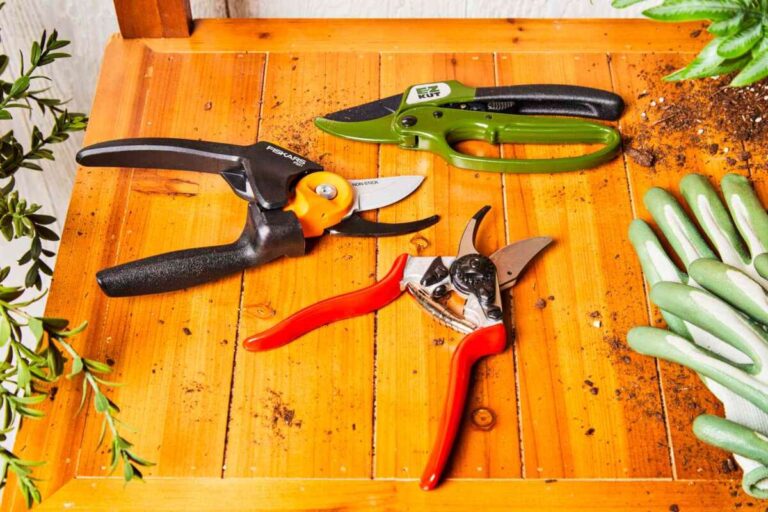
Fiskars Power-Lever Anvil Pruning Shears

The Fiskars Power-Lever Anvil Pruning Shears are a practical pick for small dead stems and dry twigs. Their anvil design supports the branch from below while the upper blade presses down through it. That action suits dry wood better than a delicate bypass shear, especially when the material feels hard and brittle.
I like this style for rose bushes, young fruit trees, and routine cleanup near the ground. The power-lever mechanism helps increase cutting force without requiring a very strong grip. Its compact size also gives me better control when I need to work close to a healthy stem or remove a broken twig.
Pros:
- Power-lever action helps reduce hand strain
- Anvil design works well on dry wood
- Compact size offers good control
- Useful for twigs and small dead branches
- Easy to carry during long pruning sessions
- Suitable for many common garden plants
Cons:
- Not designed for thick limbs
- Anvil blades may crush soft green stems
- Small handles may feel tight for very large hands
My Recommendation
I recommend these shears to homeowners who need one of the best tools for cutting dead branches under about half an inch thick. They are especially useful for roses, shrubs, vines, and young trees. For larger wood, pair them with a lopper rather than forcing the handles.
Tabor Tools GG12A Compound-Action Anvil Lopper

The Tabor Tools GG12A is built for dry branches that are too large for hand pruners. Its long handles add leverage, while the compound action helps multiply force through the cutting arc. The anvil jaw gives the blade a firm surface to meet, which is helpful when cutting dead, hard wood.
The 30-inch reach provides a useful balance between power and control. I would use it for dead limbs on lilac, apple, maple, and similar trees when the branch is within safe arm height. The handles also keep hands farther from rough bark, thorns, and splintered wood.
Pros:
- Long handles create strong cutting leverage
- Compound action helps with tough dry limbs
- Anvil head suits dead and brittle wood
- Useful cutting capacity for many yard jobs
- Long reach reduces bending and stretching
- Good choice for seasonal tree cleanup
Cons:
- Heavier than small pruning shears
- Anvil action is less suitable for fresh green branches
- May require two hands for thick wood
My Recommendation
This lopper is one of the best tools for cutting dead branches when you want strong manual power without using a saw. It fits homeowners who regularly remove dry limbs from small and medium trees. Choose it when the branch is thick, reachable, and firm enough for a clean anvil cut.
Fiskars 32-Inch PowerGear2 Bypass Loppers

The Fiskars PowerGear2 bypass loppers use curved blades that pass one another like scissors. That design usually creates a cleaner cut on living wood, but it can also handle many dead branches when the blade is sharp. The PowerGear2 mechanism gives extra force near the hardest part of the cut.
I see this as a versatile option for gardeners who remove both dead and live growth. The 32-inch handles provide reach and leverage without feeling as unwieldy as a very long lopper. Use steady pressure and avoid twisting, because dry wood can chip and damage even a strong cutting head.
Pros:
- Bypass blades make clean cuts on suitable wood
- PowerGear2 design improves cutting leverage
- 32-inch handles provide useful reach
- Large handles help keep hands comfortable
- Versatile for dead and live branch work
- Good fit for routine tree and shrub care
Cons:
- Bypass blades can dull faster on dirty dead wood
- Requires careful cleaning after dusty cuts
- Very hard limbs may work better with an anvil lopper
My Recommendation
I recommend these loppers to users who want one of the best tools for cutting dead branches and shaping living growth with the same tool. They are a strong all-around choice for a mixed garden. If most of your work involves dry, cracked wood, clean the blade often and consider an anvil model for the toughest limbs.
YRTSH Heavy-Duty Compound-Action Loppers
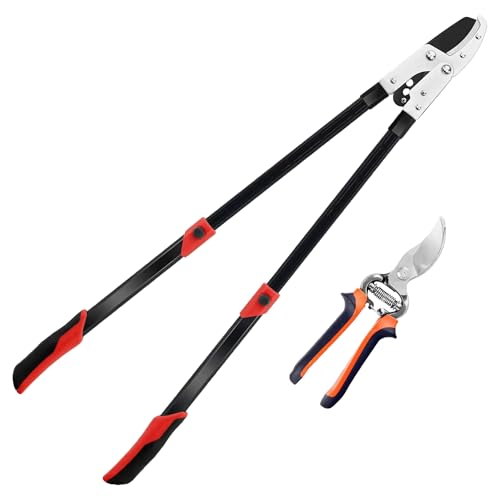
The YRTSH compound-action loppers are made for people who need extra force from a manual branch cutter. Multiple moving points help transfer hand pressure to the cutting head. This matters when a dead limb feels dense, dry, or too stubborn for ordinary garden shears.
The long handles can help reduce the need to lean into a cut. I would use this tool for reachable branches on mature shrubs and smaller trees. It is also useful when you want mechanical leverage but do not want to bring out a powered saw for one or two limbs.
Pros:
- Compound action increases cutting force
- Long handles provide strong leverage
- Useful for tough, dry branch material
- Manual operation needs no fuel or battery
- Good choice for occasional heavy pruning
- Can reach branches above comfortable hand height
Cons:
- Compound mechanisms need regular cleaning
- Long handles may feel bulky in tight shrubs
- Not a replacement for a saw on very thick limbs
My Recommendation
The YRTSH is one of the best tools for cutting dead branches for budget-minded homeowners who want extra leverage. It suits medium-duty cleanup and occasional storm damage. I would choose it over basic loppers when hand strength is limited but the branches remain within a safe, reachable range.
Fiskars 32-Inch Ratchet Drive Anvil Loppers

The Fiskars Ratchet Drive Anvil Loppers use a step-by-step cutting motion rather than demanding one hard squeeze. The ratchet holds progress as you close the handles, then advances through the branch. This design can help when a dead limb is too thick or hard for a single stroke.
Anvil loppers are a natural match for dry wood because the lower jaw supports the branch during the cut. The 32-inch handles offer reach and help create leverage. I would still make sure the branch is stable before cutting, since ratchet tools work best when the head stays aligned.
Pros:
- Ratchet action reduces peak hand effort
- Anvil head works well on dry branches
- 32-inch handles improve reach
- Useful for users with less grip strength
- Step-by-step cutting offers good control
- Strong option for thick, reachable limbs
Cons:
- Ratchet cuts take more time than one quick squeeze
- Head must stay aligned for smooth action
- Not ideal for soft green stems
My Recommendation
I recommend this model to anyone seeking the best tools for cutting dead branches with less hand strain. It is especially helpful for older gardeners and users with limited grip power. It offers good value when dry limbs are thick enough to challenge standard loppers but not large enough to require a saw.
BlumeTrec 14.5-Foot Manual Pole Saw

The BlumeTrec manual pole saw is designed for branches that sit above normal arm reach. Its adjustable pole can help trim higher limbs from the ground, and the saw blade cuts through wood with a back-and-forth motion. This is a safer approach than climbing a ladder for a small amount of pruning.
A manual pole saw needs patience, balance, and a clear view of the branch. I would use it for dead limbs that are high but not dangerously large. Keep both feet planted, stand out of the fall path, and stop if the branch is close to power lines, a roof, or another hazard.
Pros:
- Reaches high branches from the ground
- Adjustable length supports different tree heights
- Manual saw needs no fuel or battery
- Lightweight design may reduce transport effort
- Useful for overhead deadwood cleanup
- Helps avoid unnecessary ladder use
Cons:
- Overhead cutting can be tiring
- Requires careful control at full extension
- Not suitable for limbs near utility lines
- Large branches may take considerable time
My Recommendation
This pole saw belongs among the best tools for cutting dead branches when height is the main problem. It suits homeowners with small and medium trees who want to stay on the ground. It does not replace professional tree work, but it can make light overhead pruning far more practical.
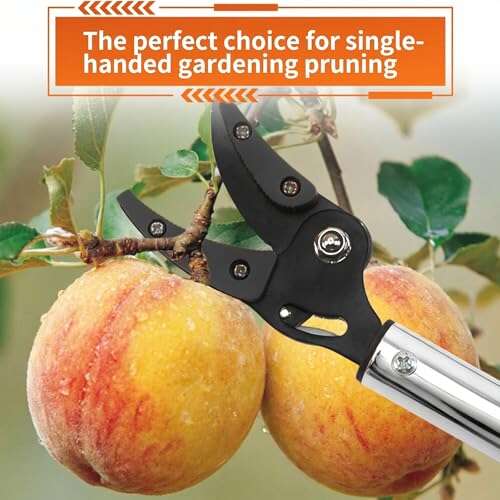
Ximimark Branch Cutter Tree Trimmer

The Ximimark branch cutter is a compact tool for small pruning jobs and light branch trimming. Its simple design makes it easy to keep nearby for quick garden work. I see it as a useful choice for thin dead stems, fruit-tree cleanup, and small pieces that do not need a full-size lopper.
Small cutters reward a careful, controlled approach. Place the cutting part close to the branch collar, but avoid cutting into the trunk or healthy tissue. This tool may also help with fruit picking tasks, although I would judge its value mainly by how well it handles light branch work.
Pros:
- Compact and easy to store
- Useful for small dead stems
- Simple design is easy to handle
- Helpful for light fruit-tree maintenance
- Good for quick touch-up work
- Usually easier to carry than long loppers
Cons:
- Limited for thick or hard branches
- May not suit heavy daily pruning
- Small tools offer less leverage
My Recommendation
I recommend the Ximimark for light-duty users who need one of the best tools for cutting dead branches on small plants. It is a handy backup tool rather than a main cutter for mature trees. Choose it when portability and quick access matter more than maximum cutting power.
FUNTECK V-Cut Grafting Tool

The FUNTECK V-Cut tool is aimed more at grafting and specialty cuts than general tree removal. Its V-shaped cutting design can create a shaped cut in suitable branch material. Gardeners who grow fruit trees may find it useful for propagation and precise work on small branches.
I would not treat this as a substitute for a lopper or pruning saw. Its value comes from making a particular cut, not from removing large dead limbs quickly. Used for the right task, it can support fruit-tree projects and give experienced gardeners more control over graft preparation.
Pros:
- Useful for specialty grafting work
- Full-metal body supports durable handling
- SK5 blade is suited to precise cuts
- Compact size is easy to store
- Helpful for fruit-tree propagation projects
- Offers a specialized option for skilled gardeners
Cons:
- Not a general-purpose dead-branch cutter
- Limited cutting capacity compared with loppers
- Requires practice for clean graft cuts
- Less useful for routine yard cleanup
My Recommendation
The FUNTECK is best for experienced fruit-tree growers who need a specialty tool alongside the best tools for cutting dead branches. It makes sense for grafting, not for thick limb removal. Buy it when you have a clear grafting need and already own a standard pruner, lopper, or saw.
Fiskars 30-Inch Forged Bypass Loppers

The Fiskars 30-inch forged bypass loppers offer a strong, familiar design for branch trimming. Forged construction is intended to provide a solid cutting head, while bypass blades can make clean cuts when properly aligned. The 30-inch handles give useful leverage without becoming too long for most home gardens.
This model fits users who want a durable hand tool for regular pruning. I would use it on reachable branches where a clean cut matters, then switch to a saw for wood that resists the blades. As with any bypass lopper, keep the cutting edges free of grit so the blades stay sharp and close evenly.
Pros:
- Forged construction gives a sturdy feel
- Bypass blades support clean pruning cuts
- 30-inch handles balance power and control
- Useful for trees, shrubs, and fruit plants
- Good fit for repeated seasonal pruning
- Manual design is quiet and simple to maintain
Cons:
- Bypass edges need cleaning after deadwood cuts
- Hard, oversized limbs may require a saw
- May feel heavy during extended overhead work
My Recommendation
I recommend these loppers to gardeners who want a dependable, general-purpose member of their branch-cutting kit. They rank among the best tools for cutting dead branches when you also prune live growth. Their balanced length makes them a good choice for routine yard care rather than extreme cutting jobs.
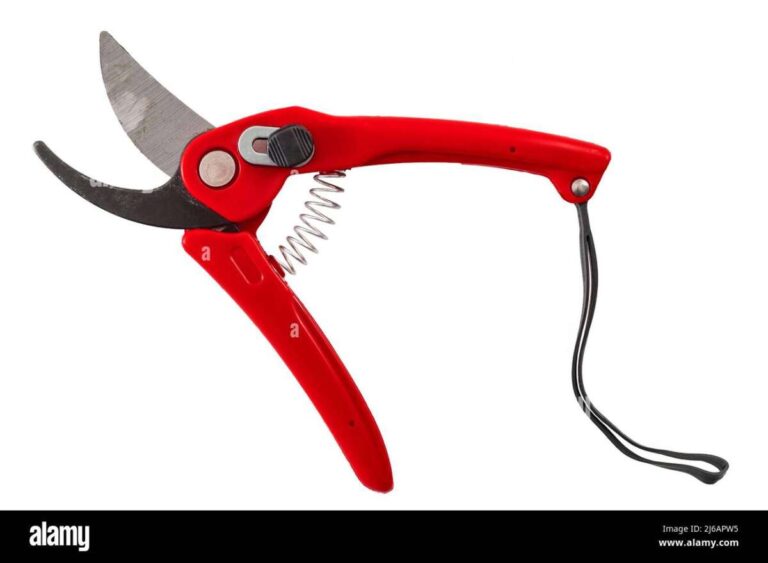
LeafLux 7-Inch Anvil Pruner

The LeafLux 7-inch anvil pruner is made for small dry stems and light branch work. Its anvil style supports brittle material instead of letting it flex away from the blade. The SK5 blade specification also points to a tool designed for repeated cutting in garden and craft settings.
This pruner is small enough to keep in a pocket or tool pouch. I would use it for dead flower stems, dry shrub growth, and thin twigs that need fast removal. It is not built for thick limbs, but a compact anvil pruner can prevent larger tools from feeling necessary for every little task.
Pros:
- Compact size is easy to carry
- Anvil design works well on dry stems
- Suitable for quick garden cleanup
- Useful for shrubs, flowers, and thin twigs
- SK5 blade supports repeated light cutting
- Comfortable choice for small pruning tasks
Cons:
- Small cutting range limits branch size
- May crush green stems instead of slicing cleanly
- Not suitable for mature tree limbs
My Recommendation
The LeafLux is a smart choice for gardeners who need one of the best tools for cutting dead branches at the smallest end of the scale. It works well as a quick-grab pruner for flowers, shrubs, and thin dry growth. Keep a lopper nearby when the branch feels too thick for a comfortable single cut.
How to Choose the Best Tools for Cutting Dead Branches
The best tool depends first on branch diameter. Hand pruners work for thin stems and twigs. Loppers handle thicker branches by using longer handles for leverage. A pruning saw or pole saw becomes the better choice when the wood is too large for the jaws or sits above safe reach.
Dead wood often feels dry, hard, and brittle. Anvil tools work well because the lower surface supports the branch as the upper blade presses down. Bypass tools make a scissor-like cut and are often better for live wood, but they can still handle small dead branches when kept clean and sharp.
Reach matters as much as cutting force. A 30- or 32-inch lopper can save your back when a branch sits just beyond arm length. A pole saw can keep your feet on the ground, but it needs more balance and care as the pole extends. Never use a pole tool near power lines or unstable limbs.
Handle comfort also deserves attention. Large cuts require force, and a narrow or slippery grip can make the task tiring. Look for handles that feel secure in both hands. If you have reduced grip strength, a ratchet lopper may be more useful than a standard model because it lets you cut in small steps.
Anvil Versus Bypass Tools
Anvil cutters use one moving blade and one flat support. They are excellent for dead, dry, and brittle branches because the wood stays supported during the cut. The tradeoff is that anvil tools can crush fresh green stems, so they are not always the best choice for delicate pruning.
Bypass cutters use two blades that pass each other. They often leave a cleaner cut on living stems and green branches. They can cut dead wood too, but dirt and dry bark may dull the edges faster, so I always wipe and oil the blades after tough pruning.
Safe Technique for Removing Dead Branches
Safety starts before the first cut. Wear eye protection, gloves, long sleeves, and sturdy shoes. Check where the branch may fall, and keep children, pets, cars, and fragile plants away from the work area.
Do not stand directly below an overhead limb. Dead branches can break in an unexpected place, especially when wind or hidden decay affects the wood. If a branch is large, cracked, hanging over a structure, or close to utility wires, call a qualified tree professional.
For a small branch, place the blade near the branch collar without cutting into the trunk. For a larger limb, a three-cut method can help control bark tearing. Make a small undercut first, make the main cut slightly farther out, and then remove the remaining stub near the collar.
Never force a tool past its rated capacity. A stuck lopper is a warning, not a challenge. Switch to a pruning saw when the branch does not close cleanly, and keep the cutting head straight to reduce pinching and slipping.
Maintenance Tips for Branch Cutters
Clean sap, dust, and bark from the blades after each use. A dry cloth may handle light dirt, while a mild cleaner can help with sticky residue. Dry the tool fully before storage to limit rust and corrosion.
Sharpen blades with the correct file or sharpening stone. Follow the existing bevel instead of changing the blade angle. A sharp edge needs less force, makes cleaner cuts, and places less stress on the tool and your hands.
Oil hinges and moving points from time to time. Check bolts, springs, ratchets, and locking parts before each major job. Store cutters in a dry place with the blades closed or covered.
Best-For Comparison
| Best for | Why |
|---|---|
| Small dead stems and twigs | Hand pruners offer precise control and quick cuts. |
| Thick reachable dead branches | Compound or ratchet loppers add leverage and reduce hand effort. |
| High branches from the ground | A manual pole saw adds reach without requiring a ladder. |
FAQs Of best tools for cutting dead branches
What is the best tool for cutting small dead branches?
An anvil pruning shear is usually the best choice for small dry stems and twigs. It supports brittle wood and offers better control than a large lopper.
Are bypass loppers good for dead branches?
Yes, bypass loppers can cut many dead branches when the wood fits their capacity and the blades are sharp. Anvil loppers often handle very dry or brittle wood more comfortably.
What tool should I use for thick dead limbs?
Use a pruning saw for limbs that exceed the safe capacity of your loppers. A saw gives better control and avoids damaging the lopper mechanism.
Can I cut high dead branches with a ladder?
A pole saw is usually safer for light overhead work because it lets you stay on the ground. Do not cut near power lines, roofs, or unstable branches, and hire a professional when the risk is high.
Should I disinfect pruning tools?
Yes. Clean and disinfect blades between trees, especially when you see signs of disease. This reduces the chance of spreading pathogens from one plant to another.
Final Verdict: Which Should You Buy?
For most homeowners, the Fiskars PowerGear2 bypass loppers are the best tools for cutting dead branches and handling general pruning. Choose the Fiskars ratchet anvil loppers if hand strength is a concern, or the BlumeTrec pole saw for high limbs.
Match the tool to the branch, wear eye protection, and never force a cut. With the right cutter and safe technique, dead-branch cleanup becomes faster, cleaner, and far less stressful.

Laura Bennett is a gardening writer at MyGardenLabs who creates beginner-friendly guides focused on solving common plant care and gardening problems.