Which Garden Tool Is Used For Pruning: Best Tools Guide
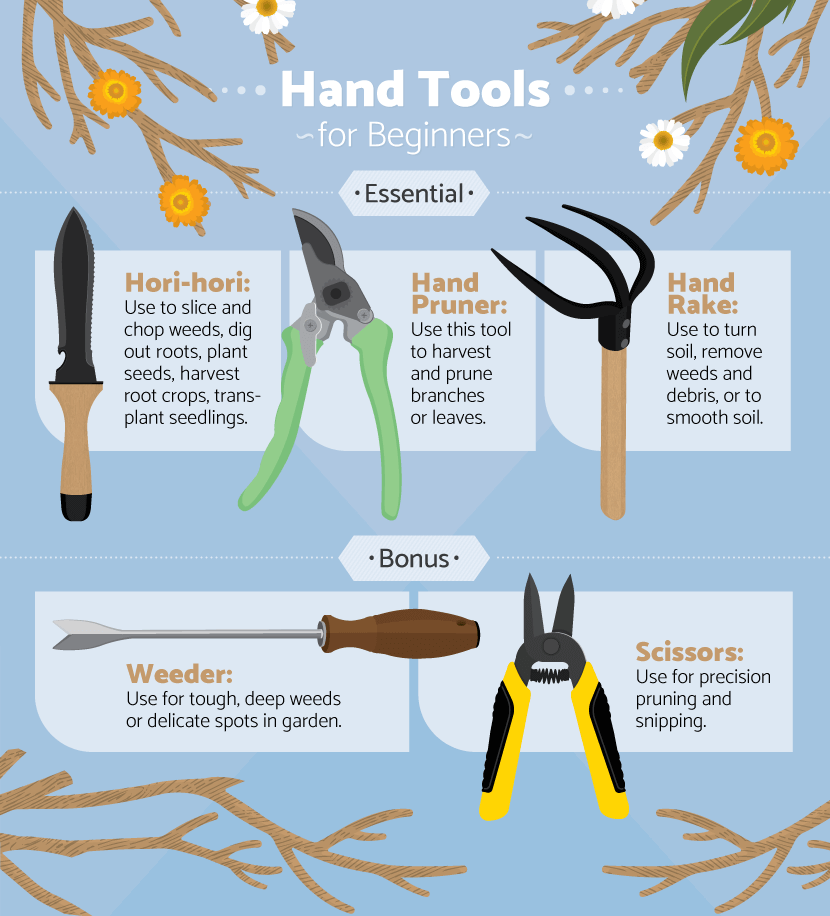
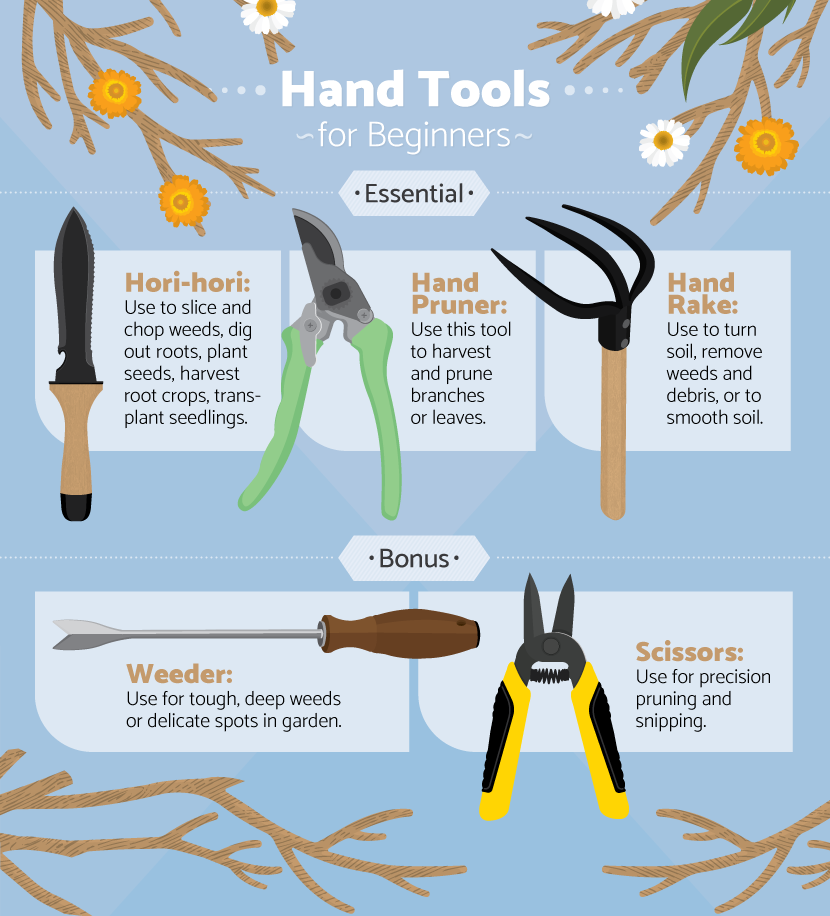
Hand pruners are the main garden tool used for pruning small branches, stems, flowers, and new plant growth.
Knowing which garden tool is used for pruning helps you make clean cuts without harming your plants. The right tool depends on the branch size, plant type, and height. This guide explains each pruning tool, when to use it, and how to prune safely based on sound horticultural practice and hands-on garden work.

Which Garden Tool Is Used for Pruning?
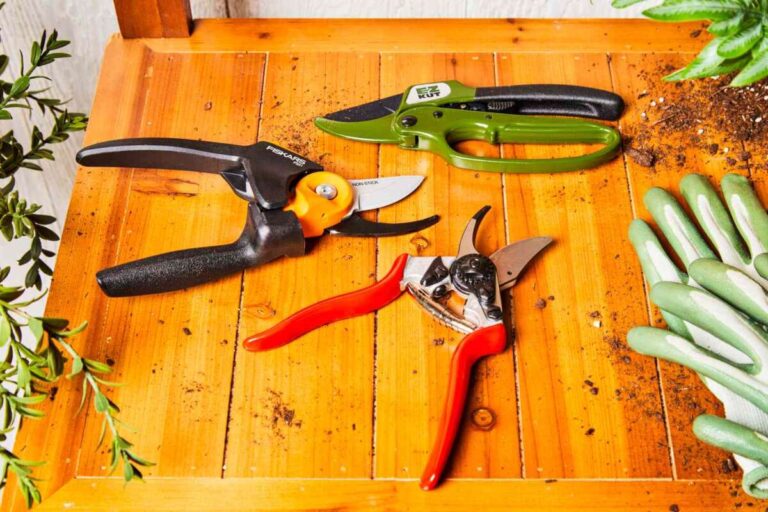
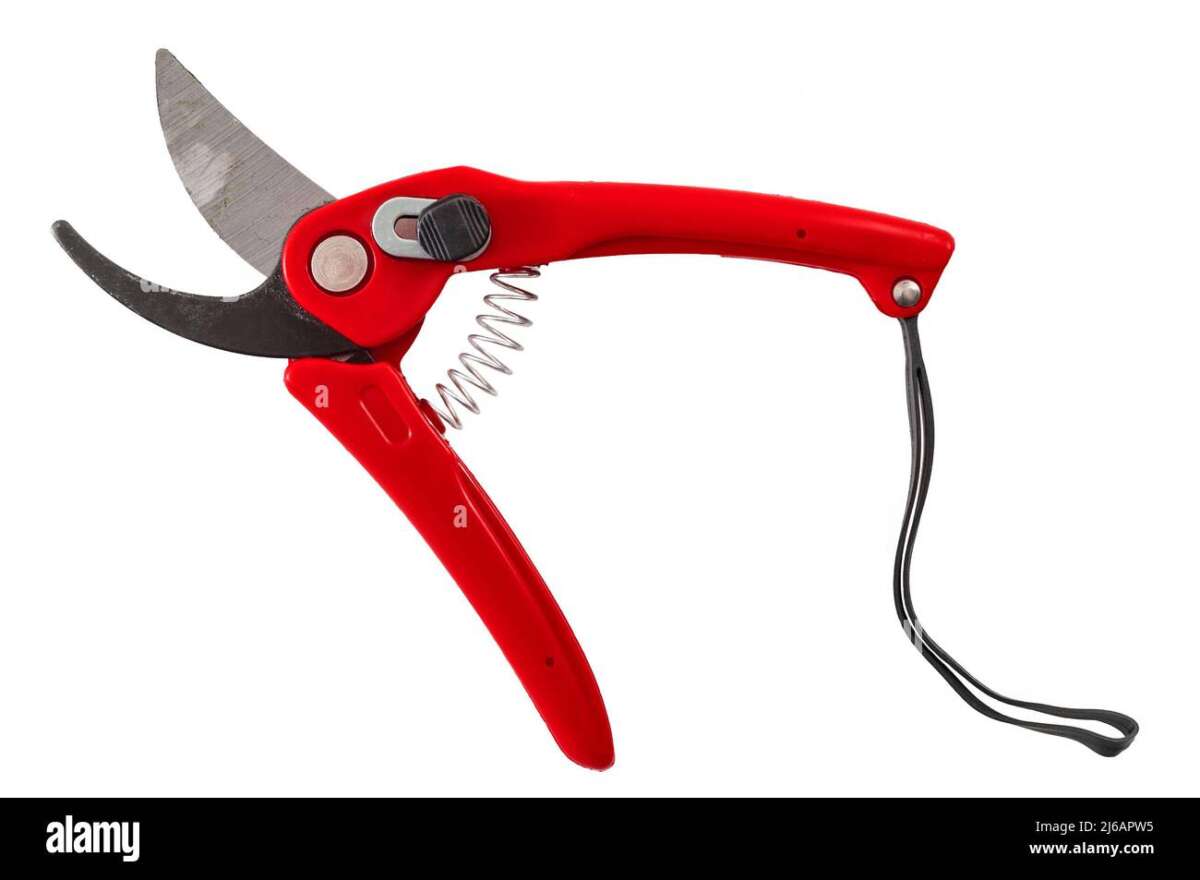
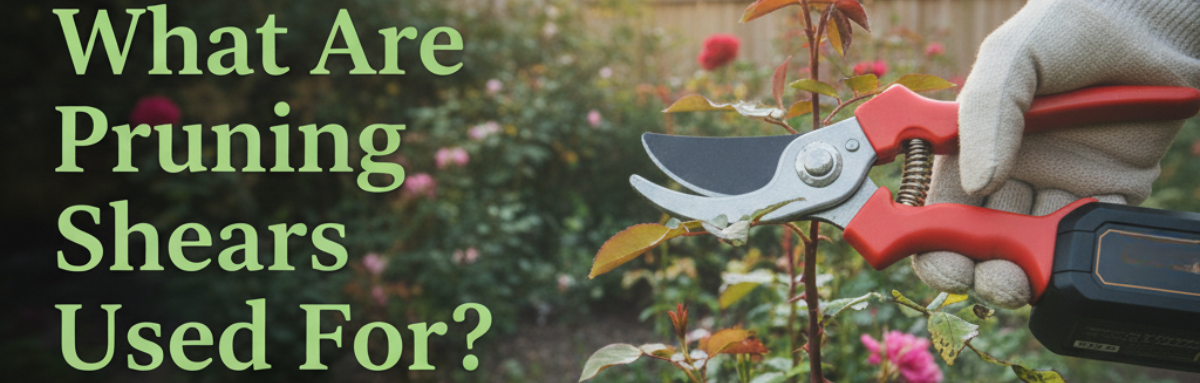
The main garden tool used for pruning is a pair of hand pruners, also called pruning shears or secateurs. They are made for cutting small branches and stems with control. Most hand pruners work best on live growth up to about ¾ inch thick.
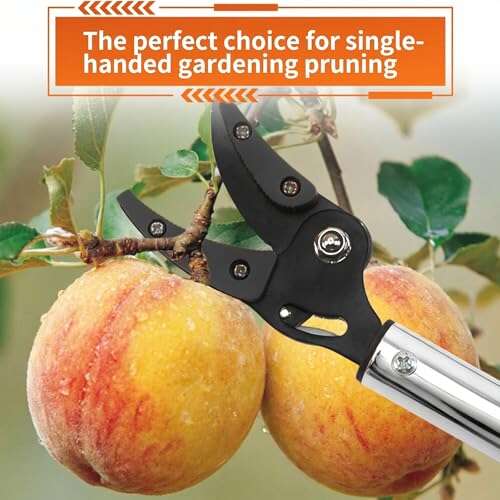
For larger branches, you need a stronger tool. Loppers can cut branches up to about 2 inches thick. A pruning saw handles even thicker wood. For high branches, a pole pruner lets you work from the ground.
The best tool depends on the job:
• Hand pruners cut small stems and thin branches.
• Loppers cut thick branches with long handles for extra force.
• Pruning saws cut large limbs and woody branches.
• Hedge shears shape soft, small twigs across a wide surface.
• Pole pruners reach high branches without a ladder.
Using the wrong tool can crush plant tissue. A crushed cut heals slowly and may invite disease or pests. A sharp tool makes a smooth cut, much like a clean slice of bread.
Types of Pruning Tools and Their Uses
Understanding tool types makes it easier to choose which garden tool is used for pruning in each situation. Each tool has a clear purpose. Using the right match saves effort and protects the plant.
Hand pruners
Hand pruners are the most common pruning tool for home gardeners. They fit in one hand and offer good control around flowers, shrubs, herbs, and young trees.
There are two main types:
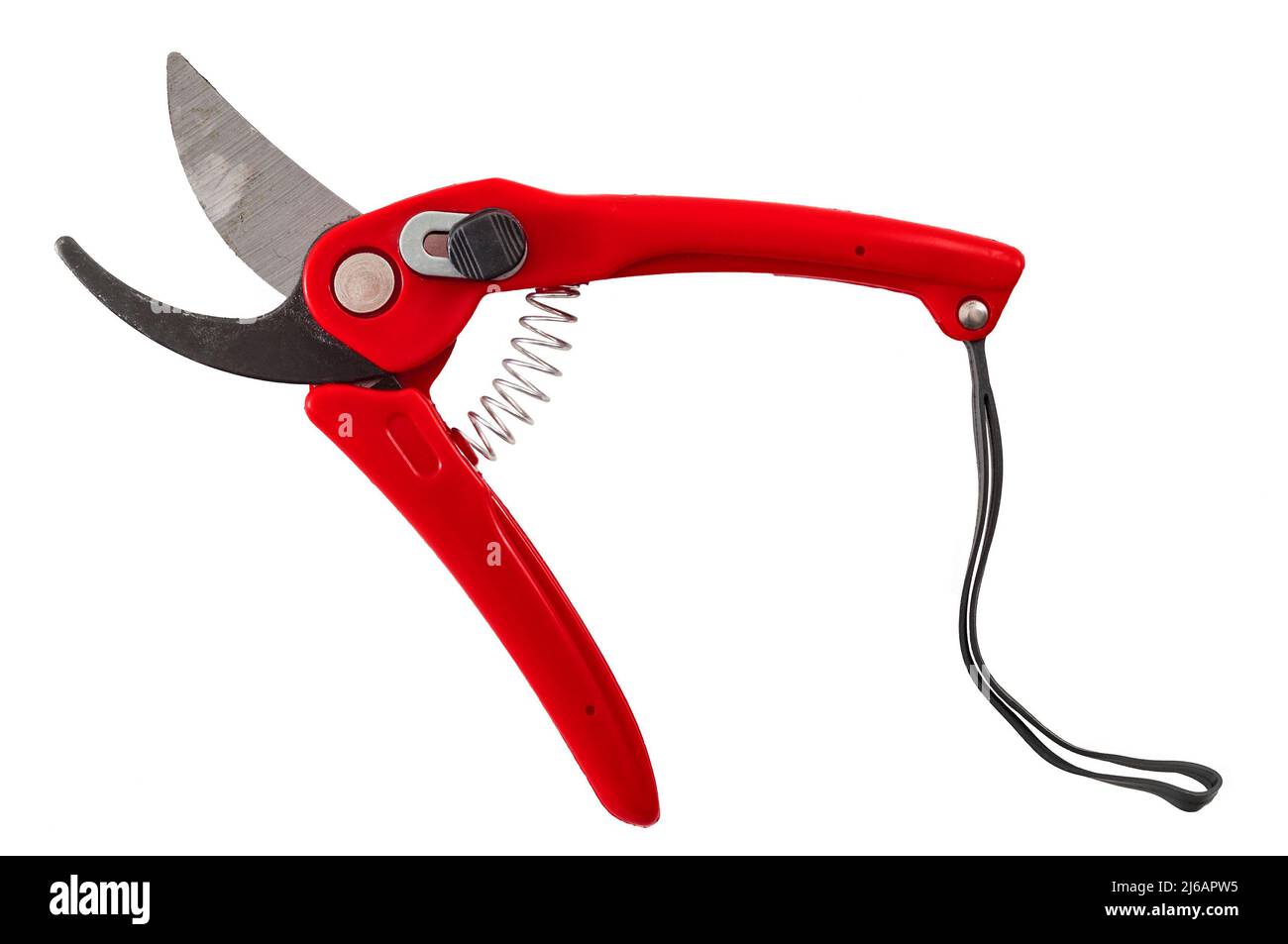
• Bypass pruners have two curved blades that pass each other. They make clean cuts on live green stems.
• Anvil pruners have one cutting blade that presses against a flat surface. They work well on dry or dead wood.
Bypass pruners are usually the better choice for general garden pruning. Anvil pruners may crush soft stems if you use them on living growth.
Loppers
Loppers have long handles. The handles give you more leverage than hand pruners. They are useful for thick branches that are too hard to cut by hand.
Use loppers for:
• Mature rose canes
• Small tree branches
• Thick shrub stems
• Dead wood
• Low branches that need removal
Do not twist loppers while cutting. Keep the blades aligned with the branch. Twisting can damage both the tool and the plant.
Pruning saws
A pruning saw is used for branches that are too thick for loppers. Many pruning saws have narrow, curved blades. This shape helps you work in tight spaces.
A saw is often the right answer to which garden tool is used for pruning when a branch is more than 2 inches thick. Use slow, steady strokes. Let the saw teeth do the work.
Hedge shears
Hedge shears have long, straight blades. They trim many small twigs at once. Use them to shape hedges, boxwood, and some formal shrubs.
Hedge shears are not ideal for removing thick branches. They can also create a dense outer shell of growth if used too often. This may block light from reaching the inner branches.
Pole pruners
Pole pruners have a cutting head on a long pole. Some models use a rope, while others use a powered head. They help remove small, high branches from the ground.
Use a pole pruner with care. Never cut a branch above your head if you cannot control where it will fall. For large or risky tree limbs, hire a certified tree professional.
How to Choose the Right Pruning Tool
When deciding which garden tool is used for pruning, start with the branch. Measure its thickness and check whether it is live, dead, soft, or woody.
Use this simple guide:
• Stems less than ½ inch thick: Use hand pruners.
• Branches from ½ to 2 inches thick: Use loppers.
• Branches over 2 inches thick: Use a pruning saw.
• Small, high branches: Use a pole pruner.
• Many thin hedge stems: Use hedge shears.
Plant type also matters. Roses, fruit trees, grapevines, and shrubs may need different cuts. For example, bypass pruners work well on fresh rose canes. A pruning saw is better for an old apple branch.
The handle should feel safe and steady in your hand. Look for a tool with a strong spring, a secure lock, and a grip that does not slip. People with small hands may find compact pruners easier to control.
Avoid cheap tools with loose blades. They often bend stems instead of cutting them. A good tool may cost more at first, but it usually lasts longer and causes less plant damage.

Bypass Pruners vs. Anvil Pruners
Many gardeners ask which garden tool is used for pruning live branches. In most cases, bypass pruners are the best choice.
Bypass pruners have a sharp blade and a thicker counter blade. The blades pass each other like scissors. This action gives a clean cut with little crushing.
Anvil pruners have a sharp blade that closes onto a flat plate. They provide strong cutting power. However, they may crush green stems and young branches.
Choose bypass pruners for:
• Green stems
• Rose canes
• Fruit tree shoots
• Flower stems
• Small shrub branches
Choose anvil pruners for:
• Dry twigs
• Dead wood
• Hard, brittle stems
• Rough cleanup work
Keep the cutting blade close to the plant side of the branch. This creates a more accurate cut. It also reduces the chance of leaving a long stub.
:max_bytes(150000):strip_icc()/spr-tier-3-primary-best-pruners-ebrockob-001-48c9346d79924ea79c8a5366c43f9604.jpeg)
How to Prune With Hand Pruners
Knowing which garden tool is used for pruning is only the first step. Good technique matters just as much. A sharp tool and a poor cut can still harm a plant.
Follow these steps:
-
Inspect the plant before cutting. Look for dead, damaged, diseased, or crossing branches.
-
Clean the blades with rubbing alcohol before and after use. This helps reduce the spread of plant diseases.
-
Find the branch collar. This is the slightly swollen area where a branch joins a larger stem.
-
Place the blade just outside the branch collar. Do not cut into the collar.
-
Cut at a slight angle. This helps water move away from the cut surface.
-
Remove large branches in sections. This prevents heavy limbs from tearing the bark.
-
Step back and check the plant shape. Stop when the plant looks balanced.
Do not coat normal pruning cuts with paint or wound dressing. Research and extension guidance generally find that most healthy plants seal wounds best on their own. Wound products may trap moisture or slow the natural healing process.
For diseased wood, cut well below the damaged area. Disinfect the blade between cuts. This small step can prevent a problem from spreading across the plant.
When Is the Best Time to Prune?
The best pruning time depends on the plant. Many deciduous trees and shrubs respond well to pruning during late winter, when they are dormant. At this time, the branch structure is easy to see.
Spring-flowering shrubs often bloom on older wood. Pruning them in late winter may remove flower buds. It is usually better to prune them after they finish flowering.
Summer-flowering plants often bloom on new growth. They can usually handle pruning in late winter or early spring.
Remove dead, broken, or dangerous branches at any time. Do not wait if a damaged branch could fall or injure someone.
Avoid heavy pruning during extreme heat, drought, or severe cold. Plants under stress may recover more slowly. Local climate and plant species should guide your final choice.

Common Pruning Mistakes to Avoid
The wrong answer to which garden tool is used for pruning often leads to weak cuts and damaged plants. Tool choice is important, but habits matter too.
Avoid these common mistakes:
• Using dull blades: Dull blades crush stems and require more force.
• Cutting too much: Removing more than about one-quarter of a plant in one season may cause stress for many plants.
• Leaving long stubs: Stubs can die back and become entry points for pests.
• Cutting flush to the trunk: This damages the branch collar and slows healing.
• Using hedge shears on every shrub: This can create weak outer growth.
• Pruning at the wrong time: You may remove flowers or expose tender new growth.
• Ignoring power lines: Never prune near electrical lines yourself.
• Standing under a branch: A falling limb can cause serious injury.
One mistake I have seen often is using hand pruners on branches that need a saw. The gardener squeezes harder and harder. The blade then slips, and the bark tears. Moving to a pruning saw would have made the job safer and faster.
How to Clean and Maintain Pruning Tools
Clean tools make cleaner cuts. They also reduce the chance of spreading fungal and bacterial diseases between plants.
After each pruning session:
• Brush away sap, bark, and dirt.
• Wipe the blades with rubbing alcohol.
• Dry the tool fully.
• Add a small amount of oil to the moving joint.
• Sharpen the blade when it begins to crush stems.
Use a sharpening stone or a tool made for pruning blades. Maintain the original bevel of the blade. Do not grind away too much metal.
Store pruners in a dry place with the blades closed and locked. Keep them away from soil and rain. Moisture can cause rust, especially around the spring and hinge.
I learned this lesson after leaving a good pair of pruners in a damp shed. The blades developed rust within one season. A quick wipe and light oil would have prevented the problem.

Safety Tips for Pruning
Every answer to which garden tool is used for pruning should include safety. Even a small hand pruner can cause a deep cut.
Wear gloves that protect your hands but still let you control the tool. Eye protection is useful when cutting branches that may snap back. Long sleeves can protect your skin from thorns and rough bark.
Keep these rules in mind:
• Point the blades away from your body.
• Close and lock pruners when carrying them.
• Keep children and pets away from the work area.
• Use a stable stance on level ground.
• Do not use a ladder while holding a long pruning saw.
• Stop work during lightning, high winds, or poor visibility.
• Call a trained professional for large trees or branches near power lines.
A safe pruning session should feel calm and controlled. If you need extreme force, stop and choose a larger tool.
Pruning Tools for Different Garden Jobs
The right answer to which garden tool is used for pruning changes with the plant and task.
Roses
Use bypass pruners for most rose canes. Remove dead wood, weak growth, and branches that cross into the center. Make cuts just above a healthy outward-facing bud.
Fruit trees
Use hand pruners for small shoots, loppers for medium branches, and a pruning saw for large limbs. Open the canopy to improve light and air movement. Avoid removing too many branches at once.
Shrubs
Use hand pruners for selective cuts. This method keeps the shrub natural and healthy. Use hedge shears only when you want a formal shape.
Grape vines
Grapevines often need many small cuts. Sharp bypass pruners work well. Clean the tool often if the vines show signs of disease.
Young trees
Use hand pruners for small suckers and competing shoots. Do not remove every low branch at once. Young trees need leaves to build energy and strong roots.
Frequently Asked Questions About Which Garden Tool Is Used for Pruning
Which garden tool is used for pruning small branches?
Hand pruners, also called pruning shears, are used for small branches and stems. Bypass pruners are best for most live green growth.
Which garden tool is used for pruning thick branches?
Loppers are used for branches that are too thick for hand pruners. A pruning saw is better for branches over about 2 inches thick.
Which garden tool is used for pruning tall branches?
A pole pruner is used for small, high branches. Use professional help for large limbs, unstable branches, or any branch near power lines.
Are bypass pruners better than anvil pruners?
Bypass pruners are usually better for live stems because they make cleaner cuts. Anvil pruners are useful for dry or dead wood but may crush soft growth.
Can hedge shears be used for all pruning jobs?
No. Hedge shears are made for trimming many thin stems at once. They are not suitable for thick branches or careful cuts inside a shrub.
How often should pruning tools be cleaned?
Clean pruning tools after each plant when disease may be present. At a minimum, clean them at the end of every pruning session and oil the hinge before storage.
What is the best tool for cutting a tree branch?
The best tool depends on branch size. Use hand pruners for small branches, loppers for medium branches, and a pruning saw for thick branches.
Conclusion
Hand pruners are the main garden tool used for pruning small stems and branches. Loppers, pruning saws, hedge shears, and pole pruners serve larger, wider, or higher jobs. The safest choice depends on branch thickness, plant type, and your working position.
Start with sharp, clean tools. Make controlled cuts outside the branch collar, prune at the right time, and never force a tool beyond its limits. Check your plants, choose the right tool, and share your pruning tips or questions in the comments.

Laura Bennett is a gardening writer at MyGardenLabs who creates beginner-friendly guides focused on solving common plant care and gardening problems.