
How To Use A Trowel In Grow A Garden: Easy Guide
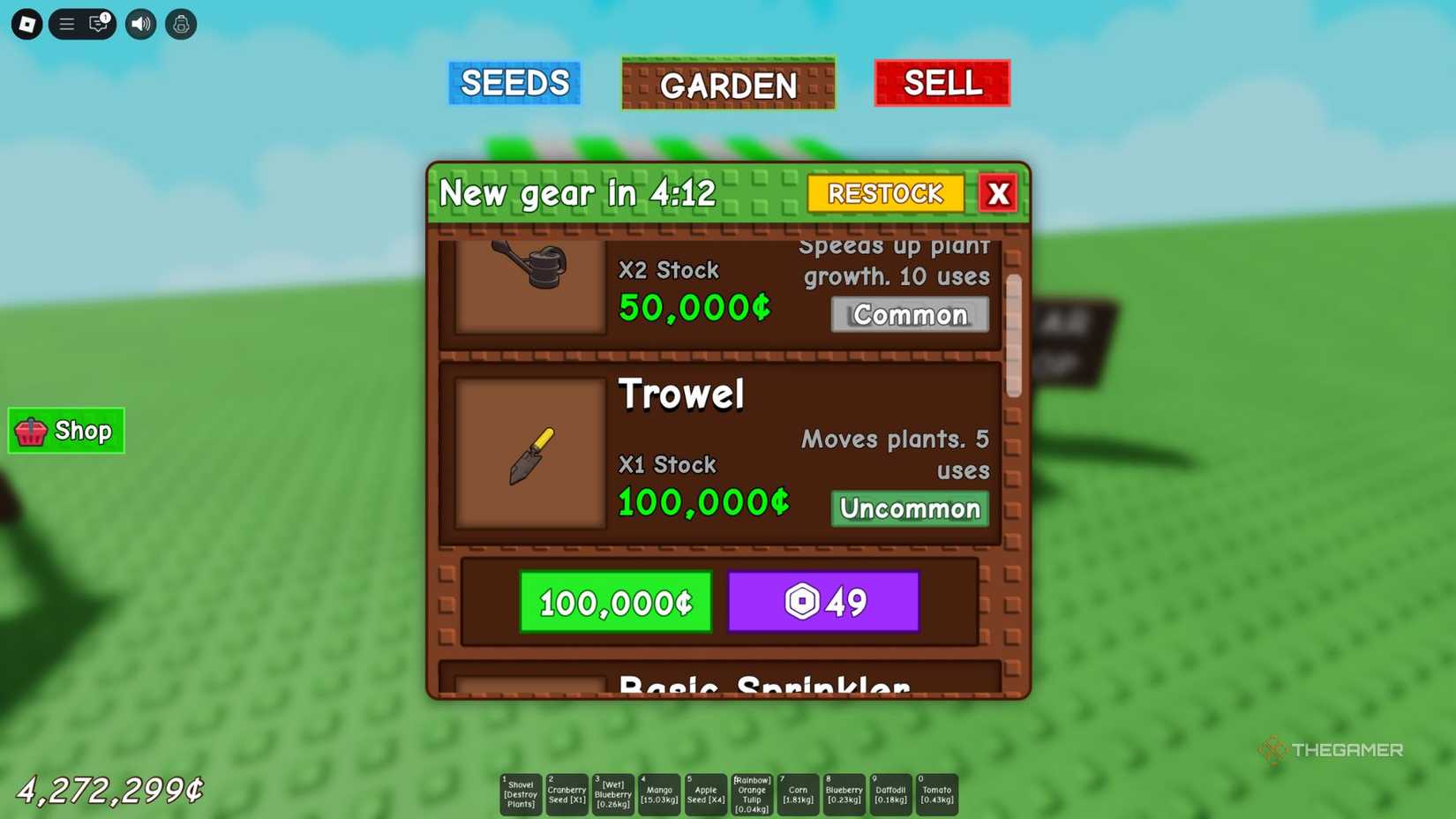
Use a trowel to dig small holes, plant seedlings, loosen soil, remove weeds, and mix compost with care.
Learning how to use a trowel in grow a garden starts with choosing the right tool and using the blade at the right depth. A hand trowel may look simple, but good technique protects plant roots, improves soil, and makes each garden task easier. This guide explains proven methods, common mistakes, safety tips, and practical examples for beginners and experienced gardeners.
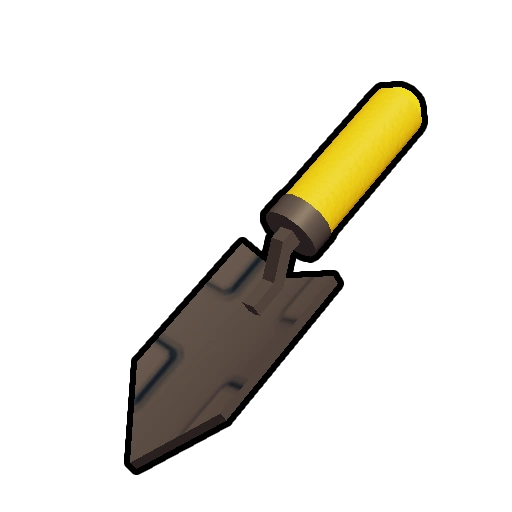
What Is a Garden Trowel?
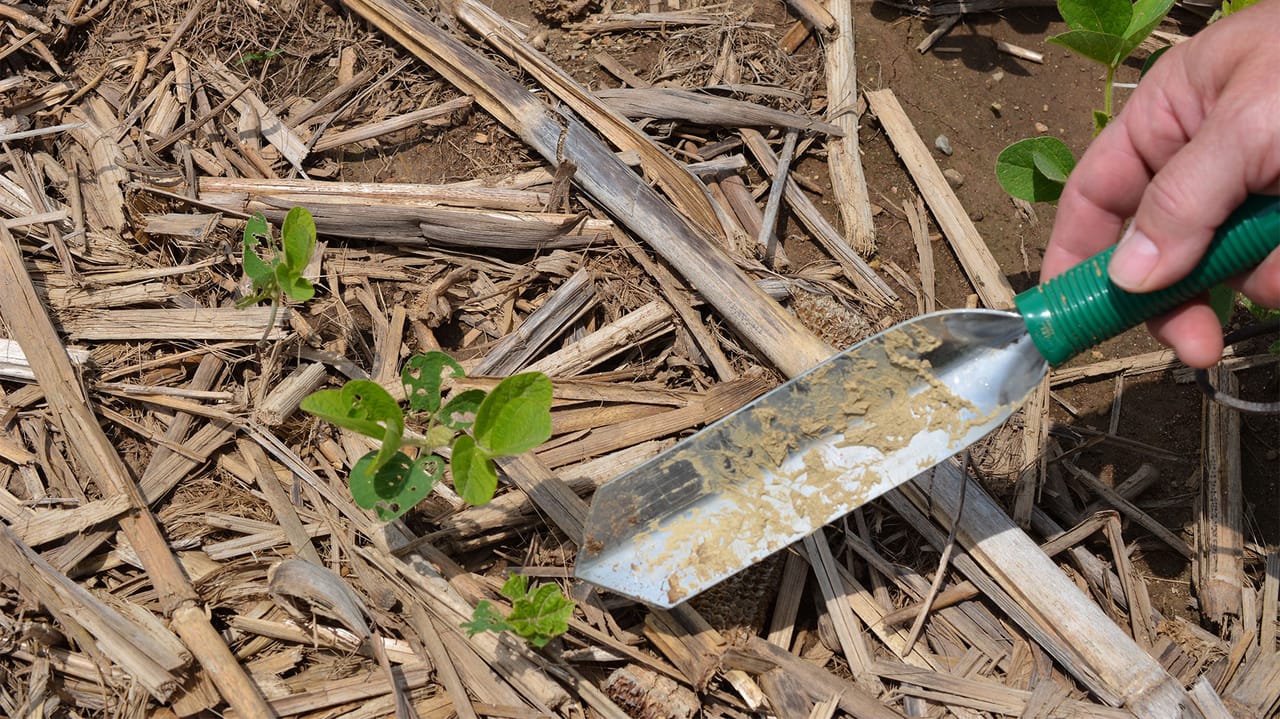
A garden trowel is a small hand tool with a pointed or rounded metal blade and a short handle. Gardeners use it for tasks that need control rather than force. It works well in flower beds, vegetable gardens, raised beds, containers, and small indoor planters.
The blade usually measures between 3 and 7 inches long. A narrow blade suits bulbs and tight spaces. A wide blade moves more soil and works well for planting annual flowers or vegetable starts.
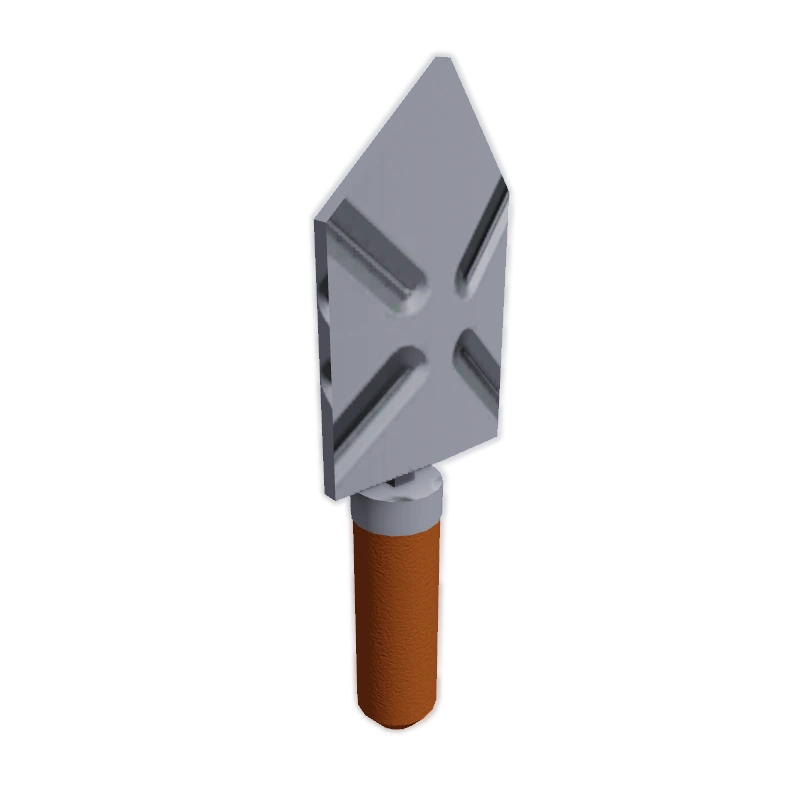
Common trowel parts include:
• Blade: The metal part that cuts into soil.
• Tip: The point that enters firm soil.
• Shoulder: The wide area where the blade meets the handle.
• Handle: The part you hold.
• Depth marks: Lines that help you plant seeds and bulbs at the right depth.
A stainless steel trowel resists rust and cleans easily. A carbon steel blade can be very strong, but it needs drying and occasional oiling. Choose a handle that feels secure and comfortable in your hand.

How to Choose the Right Trowel
The best trowel depends on your soil, plants, and garden style. A single tool can handle many jobs, but the right blade shape makes the work faster and cleaner.
Choose a blade shape
A pointed blade cuts through firm soil and clay more easily. It is useful for planting shrubs, bulbs, and small seedlings.
A rounded blade carries loose soil well. It is a good choice for containers, potting mix, and raised beds.
A narrow blade helps you work between crowded plants. It also reduces damage when you plant near established roots.
A wide blade is useful for scooping compost and filling large planting holes. However, it can be hard to use in tight spaces.
Check the handle
Look for a handle that fits your grip without sharp edges. A soft, nonslip grip can reduce hand strain during long planting sessions. The handle should also connect firmly to the blade.
Avoid a trowel that flexes when you press it into soil. A weak connection may break and can cause an injury.
Consider a measurement guide
Some trowels include depth marks. These marks help with seed, bulb, and transplant depth. They are useful because planting too deep can slow growth, while planting too shallow can expose roots or seeds.

How to Use a Trowel in Grow a Garden: Basic Method
The basic method is simple, but small details matter. Use the trowel as a precise digging tool, not as a lever or hammer.
-
Inspect the planting area. Remove large stones, thick weeds, and old roots.
-
Hold the trowel with your dominant hand. Keep your wrist straight and your grip relaxed.
-
Push the blade into the soil at a slight angle. Use your body weight instead of forcing your wrist.
-
Move the blade back and forth to open the soil.
-
Lift soil gently and place it beside the hole. Keep the soil nearby so you can refill the space.
-
Check the hole depth with the blade or a ruler.
-
Set the plant or bulb into the hole. Keep the crown or stem at the proper level.
-
Refill the hole with loose soil. Do not pack it hard.
-
Press the soil lightly around the plant to remove large air pockets.
-
Water slowly around the root zone.
When learning how to use a trowel in grow a garden, focus on control. The goal is to make a clean space for roots without crushing nearby soil or cutting hidden roots.

How to Use a Trowel for Planting Seedlings
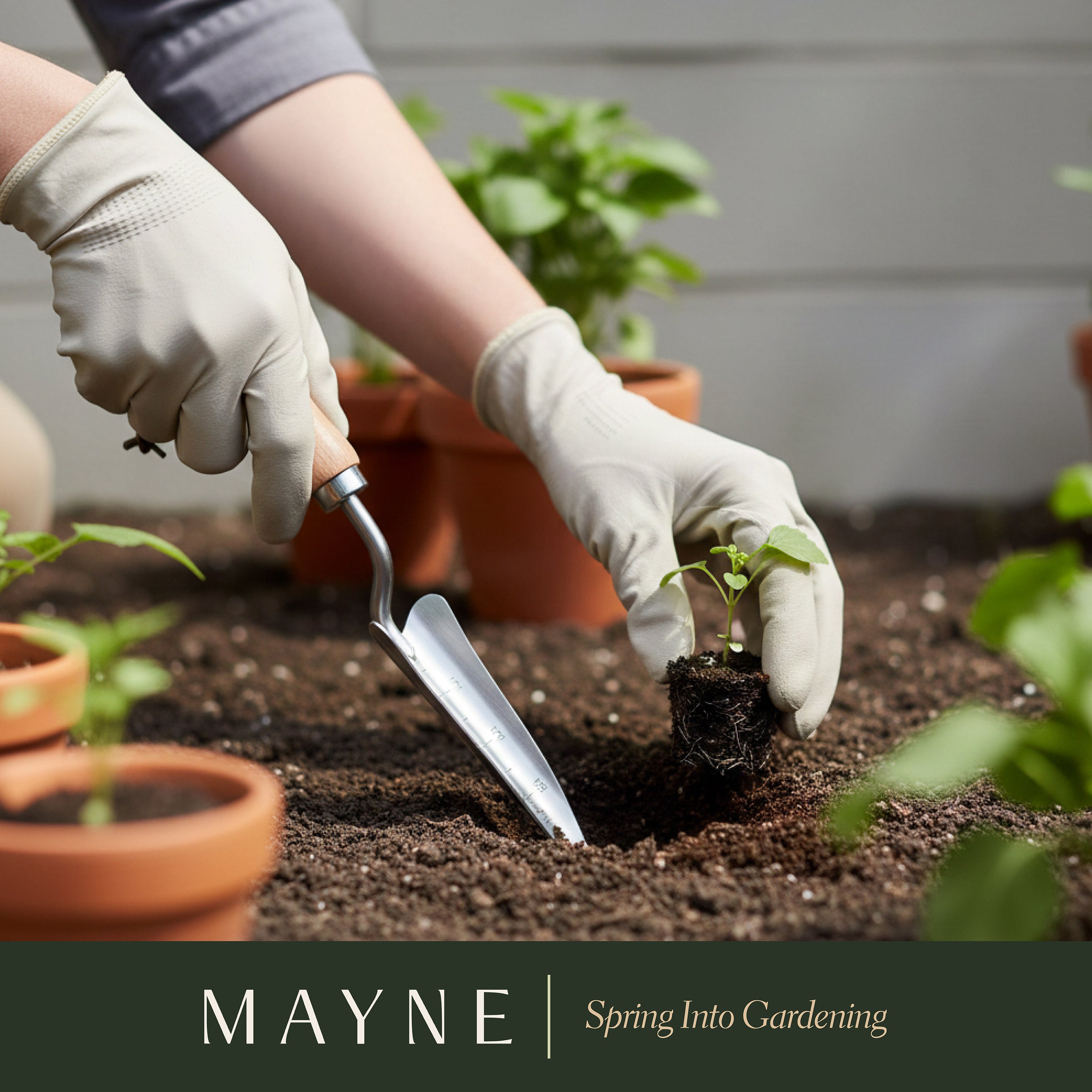
A trowel is ideal for planting seedlings, such as tomatoes, lettuce, basil, peppers, and marigolds. First, water the seedling in its container if the soil feels dry. Moist roots are less likely to break during planting.
Dig a hole that is slightly wider than the root ball. For most seedlings, the hole should be deep enough to keep the plant at the same level as it grew in its container. Some plants, such as tomatoes, can be planted deeper because they may form roots along the buried stem.
Remove the seedling by supporting the soil, not by pulling the stem. Place it in the hole, then fill around the roots with the soil you removed. Water the plant at the base.
A common mistake is making a hole that is too small. If the roots curl tightly against the sides, they may struggle to grow outward. Use the trowel tip to loosen circling roots gently when the plant is root-bound.
How to Use a Trowel for Seeds and Bulbs
Small seeds usually need shallow planting. Use the trowel to make a narrow furrow rather than a deep hole. Follow the seed packet for depth and spacing because these needs vary by plant.
For bulbs, use the trowel blade to make a hole several times deeper than the bulb’s height unless the planting instructions say otherwise. Place most bulbs with the pointed end facing upward. Cover them with loose soil and water the area.
A trowel also helps plant garlic cloves, onion sets, and small tubers. Use the blade to create even holes so the plants grow at a similar height.
Helpful tips include:
• Use the trowel edge to mark equal spacing.
• Avoid pressing wet soil into a hard lump.
• Keep seeds at the depth listed on the packet.
• Mark planted rows so you do not disturb them later.
• Water with a gentle stream to prevent exposed seeds.
How to Use a Trowel for Weeding
A trowel can remove young weeds before they develop deep roots. Work when the soil is slightly damp, such as after light rain or careful watering. Damp soil lets the blade slide under roots with less effort.
Push the trowel beside the weed, not directly through its stem. Angle the blade under the root system, then lift the weed from below. Remove as much of the root as possible, especially with perennial weeds.
Take care around vegetables and flowers. A trowel can cut shallow roots if you dig too close to the main plant. Hold the plant stem with one hand and work from the opposite side with the other hand.
Do not use a trowel to chop large woody roots. This can bend the blade and may disturb nearby plants. Use a larger cultivator or digging fork for stubborn growth.

How to Use a Trowel to Improve Soil
A trowel can mix small amounts of compost, aged manure, leaf mold, or potting mix into garden soil. Add the material near the planting area, then blend it into the top few inches of soil.
Do not bury fresh manure around living plants. It may damage roots and can carry harmful pathogens. Use only well-aged compost or a soil amendment labeled for garden use.
For container gardening, mix potting soil in a bucket before filling the pot. A trowel is useful for scooping and blending, but avoid compacting the mix. Roots need air spaces as well as moisture.
Healthy soil is not simply loose soil. It should hold water, drain excess water, and contain organic matter. Soil tests from local extension services can show whether you need lime, nutrients, or other amendments.
How to Use a Trowel in Containers and Raised Beds
Containers need a gentle approach because plant roots have limited space. Use the trowel to make a hole in the center of the pot, then check that the root ball sits slightly below or level with the soil surface.
Leave a small gap between the soil and the pot rim. This creates room for watering without spilling soil over the edge.
In raised beds, use the trowel to plant in a grid or staggered pattern. Avoid stepping on the bed because foot pressure can compact the soil. Work from the path or use a board to spread your weight.
When learning how to use a trowel in grow a garden, remember that raised-bed soil is often softer than ground soil. Push the blade slowly. Fast, deep movements can damage irrigation lines or buried roots.
Common Trowel Mistakes to Avoid
Good technique protects both the gardener and the garden. These mistakes are common but easy to prevent.
• Using a dull blade: A dull trowel needs more force and may tear roots.
• Digging when soil is soaked: Wet soil can form hard clumps and lose air space.
• Prying with the handle: A trowel is not a crowbar. Prying can break the handle or blade.
• Planting too deep: Deep planting may reduce airflow around stems and delay growth.
• Packing soil tightly: Compressed soil can restrict water and root movement.
• Ignoring buried utilities: Contact the appropriate local service before digging near underground lines.
• Leaving the tool outdoors: Moisture causes rust and weakens some handles.
• Cutting through roots: Dig away from established plants whenever possible.
One lesson many gardeners learn through trial and error is that force rarely improves the result. A sharp trowel, damp but not wet soil, and a calm hand usually work better than hard pressure.
Trowel Safety and Comfort Tips
Wear gloves when handling rough soil, thorny plants, or compost. Gloves also reduce blisters and protect small cuts from dirt. Wash your hands after gardening, especially before eating.
Keep your wrist straight while digging. If the soil is firm, loosen a small area first instead of twisting the tool. Change hand position often during long tasks.
Clean the trowel after use. Rinse away soil, dry the blade, and store the tool in a dry place. If the blade is carbon steel, apply a thin coat of protective oil to limit rust.
Disinfect the blade when moving between plants that show signs of disease. A household disinfectant used according to its label can reduce the chance of spreading plant pathogens. Clean the blade after contact with diseased roots or stems.
How to Maintain a Garden Trowel
Maintenance keeps a trowel safe and useful for many seasons. Inspect the blade, handle, and connection before each major gardening session.
Use a file or sharpening stone to restore a dull edge. Work in one direction and wear eye protection. You do not need a razor edge, but the tip should enter soil without excessive force.
Tighten loose screws when possible. Replace a cracked handle or damaged blade rather than risking a break while digging.
Store the trowel on a hook or in a shed. Do not leave it blade-up in soil, grass, or a walkway. Clean tools last longer, and organized tools make garden work more enjoyable.
Benefits and Limitations of Using a Trowel
A trowel offers excellent control for small garden jobs. It is affordable, easy to carry, and useful in both outdoor and indoor gardens.
Key benefits include:
• Precise planting around existing roots.
• Easy digging in containers and raised beds.
• Simple weed removal.
• Quick mixing of small amounts of compost.
• Low storage needs.
• Better control than a full-size shovel.
A trowel also has limits. It is not designed for breaking large rocks, digging deep holes, removing mature shrubs, or turning a large garden bed. Using it for heavy work may cause tool damage or hand strain.
Choose a shovel, spade, hori hori knife, cultivator, or digging fork when the task requires more reach or strength. The best garden tool is the one suited to the job.
A Simple Trowel Workflow for a New Plant
Use this short process whenever you plant a seedling or small garden plant:
-
Water the plant if its root ball is dry.
-
Clear weeds and stones from the planting site.
-
Dig a hole wider than the root ball.
-
Check the depth with the trowel blade.
-
Loosen circling roots gently if needed.
-
Set the plant at the correct height.
-
Fill the hole with the removed soil.
-
Press lightly around the root zone.
-
Water slowly and deeply.
-
Add a thin layer of mulch, keeping it away from the stem.
This workflow makes how to use a trowel in grow a garden easy to repeat. It also reduces transplant shock by limiting root disturbance and helping the plant settle quickly.
Frequently Asked Questions About How to Use a Trowel in Grow a Garden
What is the main use of a garden trowel?
The main use of a garden trowel is digging small holes for plants, seeds, and bulbs. It is also useful for weeding, scooping soil, and mixing small amounts of compost.
How deep should I dig with a trowel?
Dig according to the needs of the plant. Seed packets, bulb labels, and plant tags usually provide the correct depth, while most seedlings should sit at the same soil level as they did in their containers.
Should I use a trowel when the soil is wet?
Avoid digging in soil that is soaked because it can compact and form hard clumps. Slightly damp soil is usually easier to work and causes less damage to soil structure.
How do I use a trowel without damaging plant roots?
Dig a few inches away from the main stem and work toward the root zone slowly. Use the blade tip to loosen soil instead of stabbing deeply near established plants.
What type of trowel is best for clay soil?
A strong, pointed trowel is usually best for clay because it enters firm soil more easily. Sharpen the edge when needed, and work when the clay is damp but not saturated.
Can I use a trowel for indoor plants?
Yes, a small trowel works well for indoor pots and seed-starting trays. Choose a narrow blade for small containers and clean the tool before moving between plants.
Conclusion
Knowing how to use a trowel in grow a garden can make planting, weeding, and soil care more precise and less tiring. Choose a strong tool, dig at the right depth, protect nearby roots, and avoid forcing the blade through hard soil.
Start with one container or garden bed today. With a little practice, your trowel will become one of the most useful tools in your shed. Explore more soil and planting guides, and share your favorite trowel tips in the comments.

Laura Bennett is a gardening writer at MyGardenLabs who creates beginner-friendly guides focused on solving common plant care and gardening problems.


