What Is A Bypass Pruning Shear: Uses, Benefits & Tips
A bypass pruning shear is a hand tool with curved blades that make clean cuts on living branches and stems.
If you care for roses, shrubs, fruit trees, or houseplants, understanding what is a bypass pruning shear can improve every cut you make. This guide explains how the tool works, where it excels, how to use it safely, and how to choose a reliable pair.
What Is a Bypass Pruning Shear?
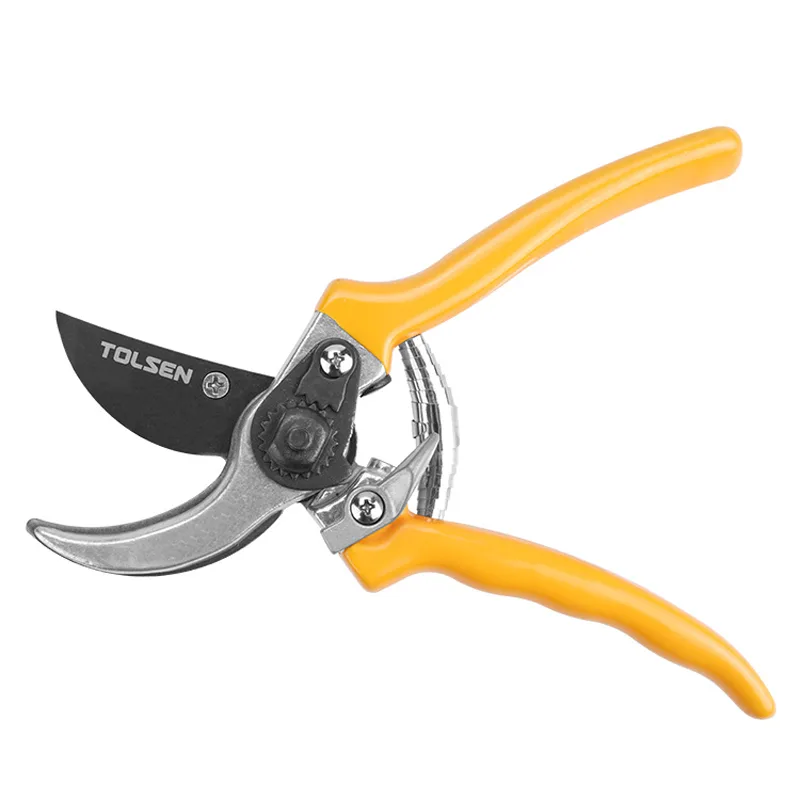
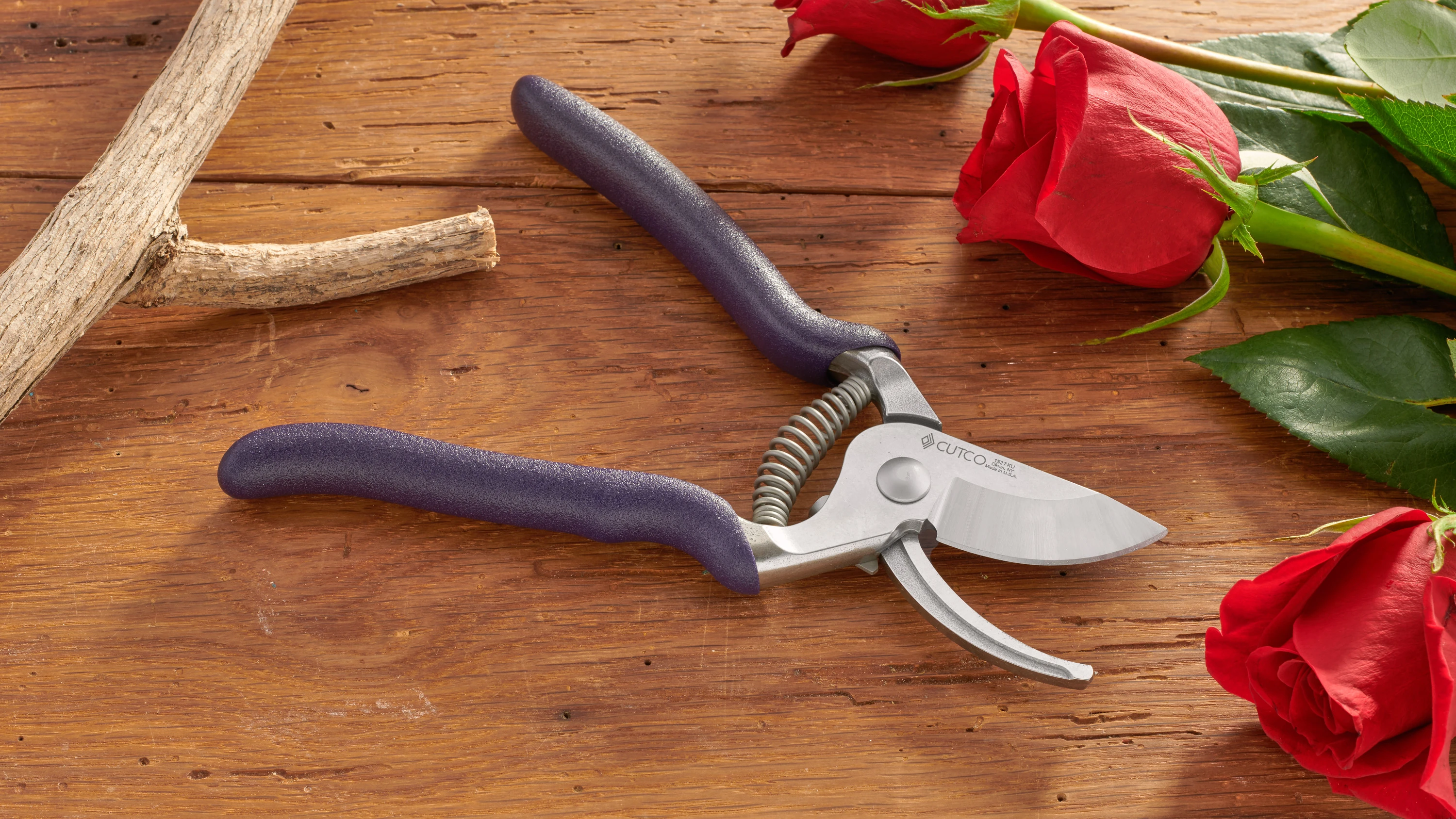
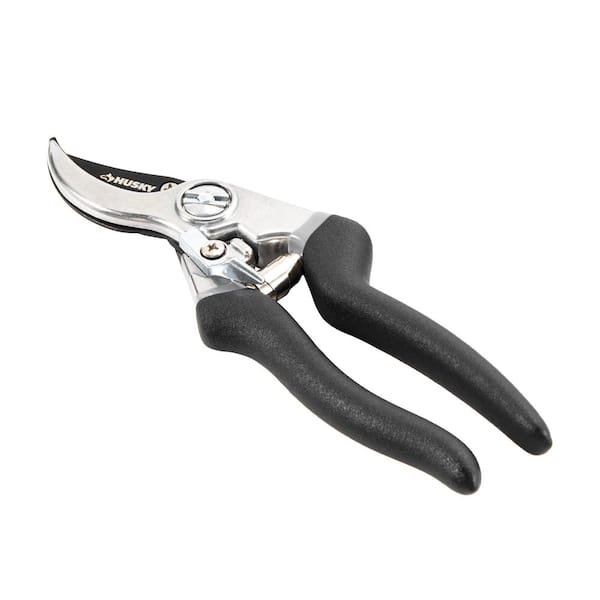
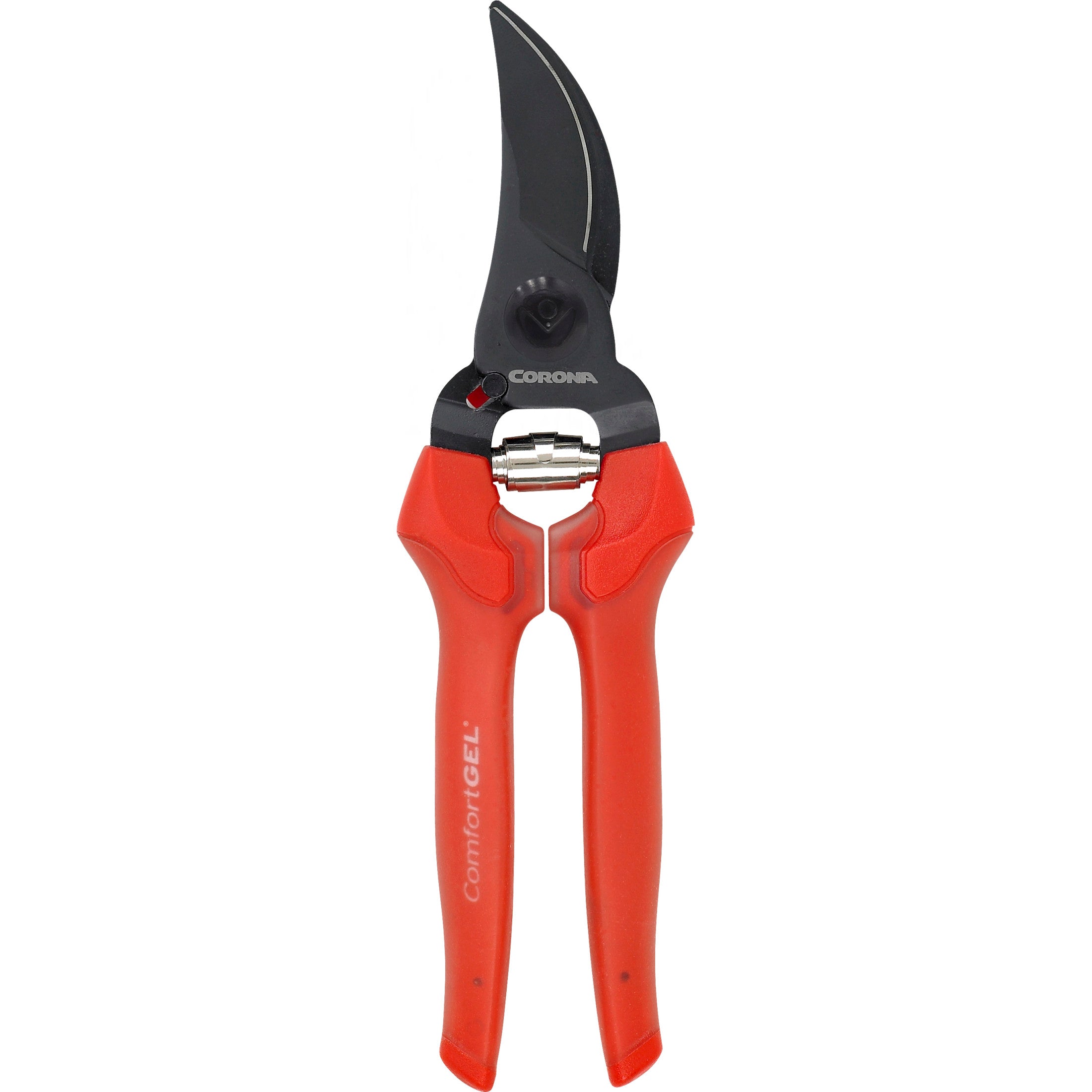
A bypass pruning shear is a small cutting tool designed to trim live plant growth. It has two curved blades that pass by each other, much like the blades of scissors. One blade is sharp and thin, while the other is thicker and supports the branch during the cut.
The word “bypass” describes the blade action. As you close the handles, the sharp blade moves past the thicker blade. This action slices through a stem instead of crushing it.
A bypass pruning shear is also called a bypass pruner, hand pruner, or secateur. Gardeners use it for branches and stems that are small enough to cut with one hand.
Most bypass pruners can cut:
• Green stems
• Young branches
• Rose canes
• Small fruit tree shoots
• Softwood shrubs
• Deadheading stems
• Houseplant growth
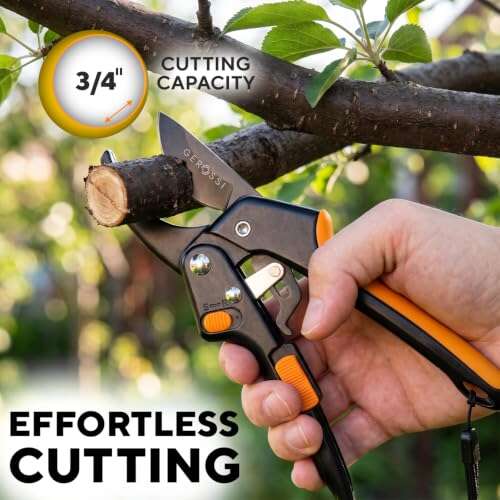
The exact cutting capacity depends on the blade quality, handle design, and the strength of the user. Many household models work best on branches up to about ¾ inch thick. Always check the maker’s guidance before cutting larger wood.
How Does a Bypass Pruning Shear Work?
The cutting action is simple but precise. The sharp upper blade slices through the plant tissue while the lower blade holds the stem in place. This creates a clean cut with less crushing than many other hand pruners.
Think of the blades as two people cutting a piece of paper with scissors. The paper stays between the blades, and the cutting edge moves through it. A bypass pruning shear uses the same basic idea, but it is built for plant material.
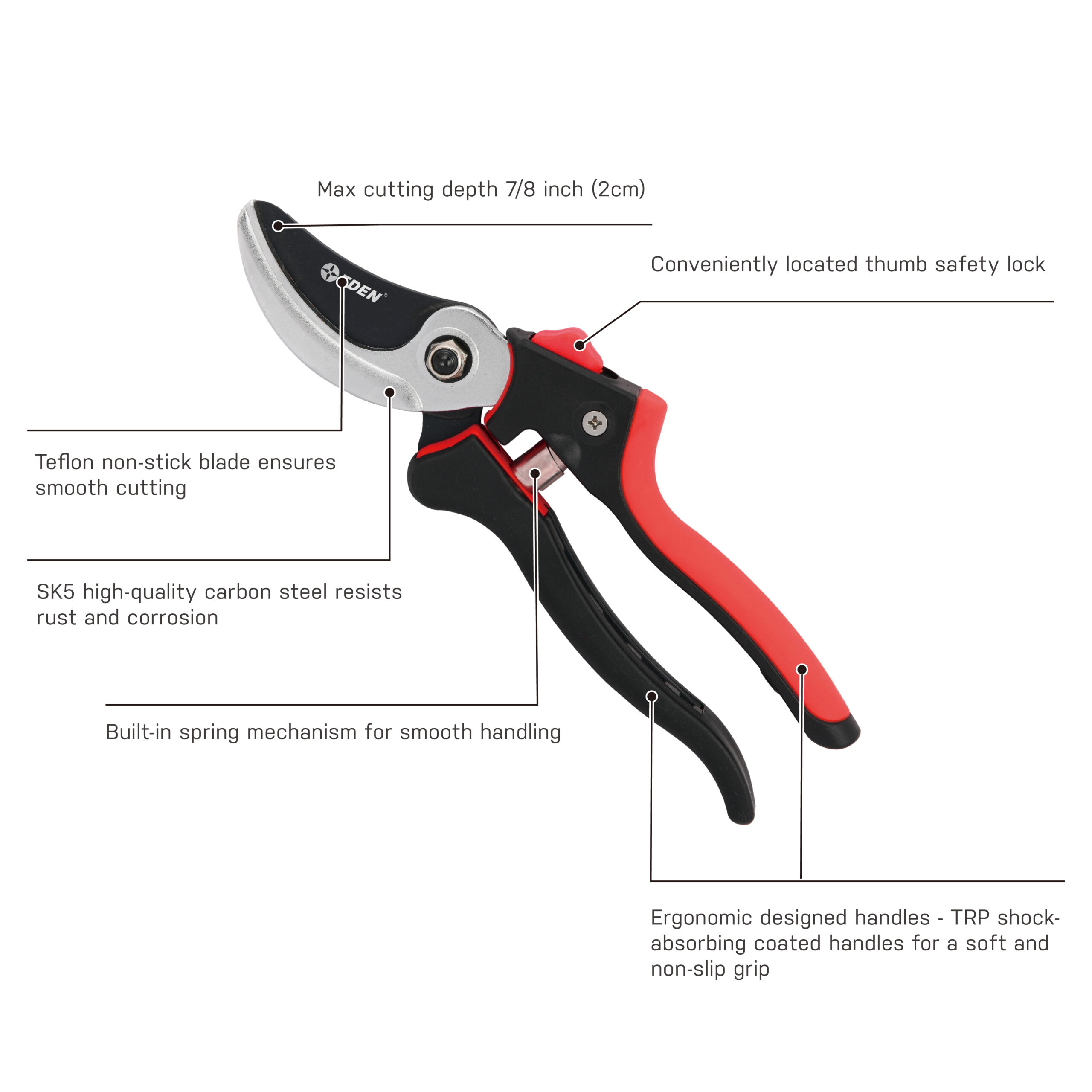
A typical bypass pruner includes:
• A sharp cutting blade that makes the main cut
• A thicker counter blade that supports the stem
• Handles that transfer hand force to the blades
• A spring that opens the handles after each cut
• A safety lock for storage
• A tension or adjustment screw on some models
The blade should pass close to the counter blade without rubbing hard against it. If the gap becomes too wide, the shear may tear stems or leave ragged edges.
A clean cut matters because damaged plant tissue takes longer to seal. It may also create a place for moisture, insects, or plant disease to enter. Good pruning does not guarantee plant health, but a sharp, well-adjusted tool supports better results.
Bypass Pruning Shears vs. Anvil Pruners
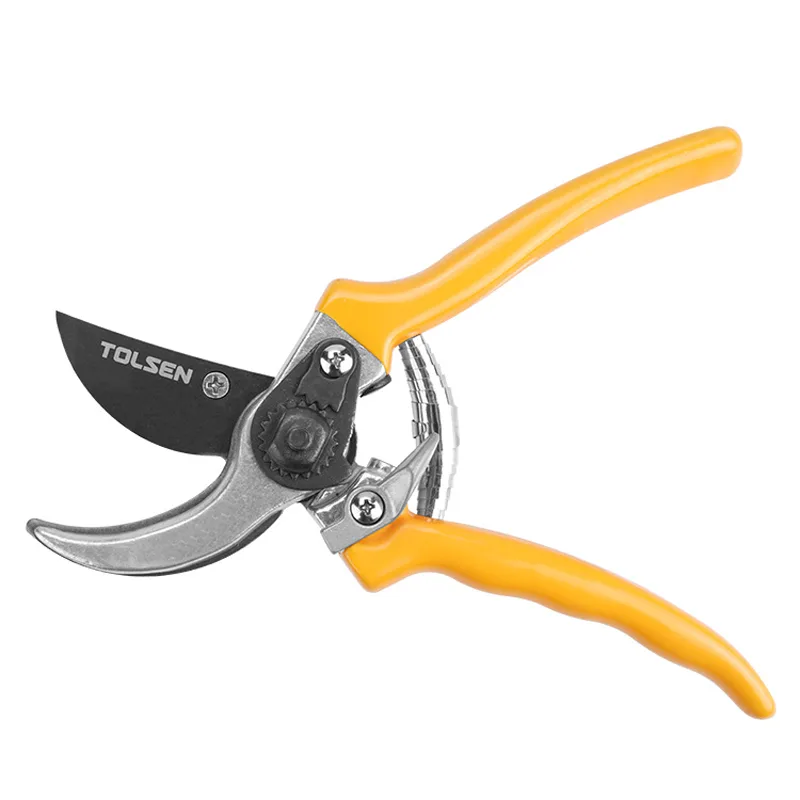
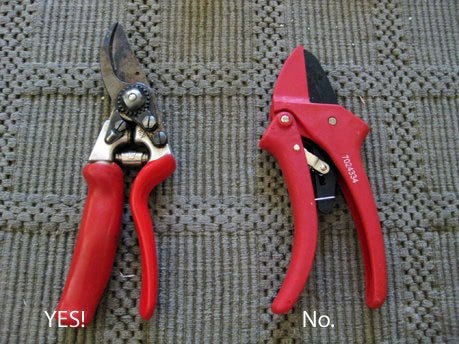
The main difference between bypass and anvil pruners is how the blades meet. A bypass pruning shear uses two blades that pass one another. An anvil pruner uses one sharp blade that presses a branch against a flat surface.
Bypass pruners usually work best for live, green wood. Anvil pruners can work well for dry, hard, or dead wood because the flat anvil gives the branch strong support.
| Feature | Bypass pruning shear | Anvil pruner |
|---|---|---|
| Blade action | Two blades pass each other | One blade presses against a flat anvil |
| Best use | Live stems and green branches | Dead or dry wood |
| Cut quality | Usually cleaner | May crush soft tissue |
| Common use | Roses, shrubs, fruit trees | Dead branches and tough dry stems |
| Cutting feel | Smooth and slicing | More like chopping or pressing |
Many gardeners own both types. Use a bypass pruning shear for healthy living growth. Use an anvil pruner for dead wood when crushing is less of a concern.
Do not force an anvil pruner onto live branches simply because the branch feels tough. A bypass model is often the better choice for plant health.
Benefits of a Bypass Pruning Shear
A bypass pruning shear offers several useful benefits for home gardeners and landscape workers.
Clean cuts
The passing blades create a smooth cut when the tool is sharp and properly aligned. A clean cut can reduce torn bark and uneven wounds.
Better control
Hand pruners let you see the exact stem you are cutting. This control is helpful when shaping roses, trimming herbs, or removing a single damaged shoot.
Easy access
The narrow blades can reach into crowded growth. This makes a bypass pruning shear useful for shrubs with many small branches.
Less damage to live stems
A sharp bypass blade slices rather than crushes. This is important when pruning young wood, fruiting branches, and ornamental plants.
Portable design
A hand pruner fits in a pocket, tool belt, or garden bag. You can carry it while inspecting plants and remove small problems right away.
Fast routine care
A good pair of bypass pruners can handle many small jobs without the setup needed for loppers or a saw.
In practical gardening, these benefits add up. A quick, clean cut can prevent a small broken stem from becoming a larger plant problem.

Limitations of Bypass Pruning Shears
A bypass pruning shear is useful, but it is not the right tool for every cut. Trying to use it beyond its capacity can damage the plant and the tool.
Common limitations include:
• It may struggle with thick branches
• It can bend or chip if used on hard wire
• Dull blades may crush live stems
• Small handles may cause hand fatigue
• Poorly adjusted blades may tear bark
• The tool may not suit people with weak grip strength
Never use a hand pruner to cut metal, fencing, plastic, or heavy roots. These materials can damage the cutting edge.
If a branch requires great force, stop and switch tools. Use loppers for medium branches and a pruning saw for larger wood. The correct tool makes the job safer and often produces a better cut.
One common mistake is holding the pruner at an awkward angle and squeezing harder. This increases strain without improving the cut. Reposition the tool, sharpen the blade, or choose a larger pruner instead.
:max_bytes(150000):strip_icc()/SPR-garden-pruner-preference-1403219-01-8d7a86937f3a453680b0252b886c33e4.jpg)
How to Use a Bypass Pruning Shear Correctly
Using a bypass pruning shear well takes only a few basic steps.
-
Inspect the branch and decide what to remove. Look for dead, damaged, diseased, or crossing growth.
-
Open the blades fully. Place the branch deep in the cutting area instead of cutting with only the blade tips.
-
Position the sharp blade toward the part of the branch you plan to keep. This helps reduce crushing on the remaining stem.
-
Make one firm cut. Avoid twisting the handles or rocking the tool from side to side.
-
Keep the cut slightly outside the branch collar. The branch collar is the swollen area where a branch joins a larger stem.
-
For a bud cut, place the blade just above a healthy outward-facing bud. A slight angle can help water run away from the bud.
-
Check the result. The cut should be smooth, with no torn bark or crushed tissue.
When removing a branch, do not cut flush against the trunk or main stem. The collar contains tissue that helps the plant close the wound. Removing it can slow recovery.
For large or heavy branches, use a three-cut method with a pruning saw. A bypass pruning shear is for small wood, not for forcing through a branch that clearly exceeds its rated capacity.
Choosing the Best Bypass Pruning Shear
The best bypass pruning shear should fit your hand, match your plants, and feel easy to control. Price matters, but blade quality and comfort often matter more.
Consider these features:
Blade material
High carbon steel can hold a sharp edge well. Stainless steel resists rust and is easier to maintain. Some blades have coatings that reduce sap buildup, but coatings can wear over time.
Handle comfort
Look for handles that fit your hand without forcing your fingers to stretch. Soft grips may improve comfort, but they should not feel slippery when wet.
Cutting capacity
Choose a model with a cutting range that matches your normal work. Do not treat the maximum capacity as a target for every cut.
Lock design
A secure lock keeps the blades closed during storage. It should be easy to operate with one hand but should not open by accident.
Spring style
A spring that opens smoothly can reduce repeated hand strain. Replaceable springs can extend the life of the tool.
Left or right hand use
Some bypass pruners are made mainly for right-handed users. If you are left-handed, check the blade position and handle shape before buying.
Replacement parts
A tool with replaceable blades, springs, or bolts may provide better long-term value. This is especially useful for frequent gardeners.
Before buying, hold the pruner in your hand if possible. Close it several times. If your knuckles hit the handles or the action feels stiff, choose another model.
How to Maintain a Bypass Pruning Shear
Regular care keeps a bypass pruning shear sharp, safe, and ready to use. Maintenance also helps prevent disease from moving between plants.
After each use:
• Brush away soil and plant pieces
• Wipe sap from the blades
• Dry the metal parts
• Add a small amount of tool oil to the joint
• Store the pruner in the locked position
Clean the blades with a suitable disinfectant when moving between plants, especially when working with diseased growth. Follow the product label and allow the blades to dry before storage.
Sharpen the cutting blade when it begins to tear stems or requires extra force. Use a sharpening stone or file at the original bevel angle. Sharpen only the cutting edge unless the manufacturer gives different instructions.
Do not sharpen the flat side of the bypass blade aggressively. Changing its shape can create a poor fit between the two blades.
Check the pivot bolt from time to time. If the blades wobble, tighten the bolt slightly. They should move freely without excessive side-to-side play.
A practical lesson is to clean the tool before putting it away, not before the next job. Sap becomes harder to remove as it dries. Two minutes of care can save a frustrating repair later.
Common Mistakes to Avoid
Even experienced gardeners can misuse hand pruners. Avoiding a few simple errors will protect both the plant and your hands.
Using dull blades
A dull bypass pruning shear crushes and tears. Sharpen or replace the blade when cuts become rough.
Cutting branches that are too thick
Forcing the handles can damage the pivot and strain your wrist. Move up to loppers or a pruning saw.
Cutting in the wrong place
Avoid leaving long stubs or cutting into the branch collar. Make a deliberate cut based on the plant’s growth pattern.
Ignoring tool hygiene
Dirty blades can spread plant pathogens. Clean the tool between plants when disease is possible.
Holding the branch with your fingers
Keep your free hand away from the blade path. Let the tool do the work and wear gloves when appropriate.
Leaving the pruner outdoors
Rain and damp soil can cause rust. Store the tool in a dry place after cleaning it.
Choosing the cheapest model only
A low-cost tool may work for light use, but weak springs, poor alignment, and soft metal can create frustration. Select a pruner that matches how often you garden.
When Should You Use a Bypass Pruning Shear?
Use a bypass pruning shear when you need to make clean cuts on small, living plant parts. It is especially useful during regular garden inspection and seasonal pruning.
Good uses include:
• Removing dead rose flowers
• Cutting back soft herb stems
• Shaping young shrubs
• Removing small suckers
• Trimming fruit tree shoots
• Cutting damaged green branches
• Harvesting some flowers and leafy stems
The best pruning time depends on the plant. Many flowering shrubs should be pruned after blooming, while some fruit trees are pruned during dormancy. Local extension guidance can help because climate and plant variety affect the ideal timing.
Avoid making heavy cuts during extreme heat, severe cold, or drought unless safety requires it. A stressed plant may recover more slowly.
When in doubt, make fewer cuts. It is easier to remove more growth later than to restore a branch that has already been cut.
What Does a Bypass Pruning Shear Cost?
The price of a bypass pruning shear varies widely. Basic models may cost around $10 to $20, while durable professional models often cost $30 to $80 or more.
Price is influenced by:
• Steel quality
• Blade coating
• Handle materials
• Ergonomic design
• Replaceable parts
• Brand quality control
• Warranty coverage
A casual gardener may do well with a sound mid-range tool. A landscape worker or serious collector may benefit from a professional model that can be sharpened and repaired.
Do not judge quality by price alone. Read the specifications, inspect the blade alignment, and consider whether replacement parts are available.
A reliable tool that lasts for years may cost less per season than several cheap tools that fail quickly.
Frequently Asked Questions About What Is a Bypass Pruning Shear
What is a bypass pruning shear used for?
A bypass pruning shear is used to cut small, living branches and stems. It works well for roses, shrubs, fruit trees, flowers, herbs, and houseplants.
What is the difference between bypass and anvil pruners?
Bypass pruners have two blades that pass each other and usually make cleaner cuts on live wood. Anvil pruners press one blade against a flat surface and are often better for dead or dry branches.
Can a bypass pruning shear cut thick branches?
Most bypass pruning shears are designed for small branches, often up to about ¾ inch thick. For larger wood, use loppers or a pruning saw instead of forcing the hand tool.
How do you sharpen a bypass pruning shear?
Clean the blade first, then use a sharpening stone or file along the original bevel. Keep the blade angle steady and avoid removing large amounts of metal.
Should you disinfect pruning shears?
Yes, disinfecting the blades can reduce the risk of spreading plant disease. Clean the tool between plants when you suspect infection or move from a diseased plant to a healthy one.
How long does a bypass pruning shear last?
A quality bypass pruning shear can last for many years with cleaning, oiling, correct sharpening, and proper storage. Its life also depends on whether you use it only for plant material.
Conclusion
A bypass pruning shear is a compact tool with passing blades made for clean cuts on live stems and small branches. Its curved blade design gives gardeners better control and usually causes less crushing than anvil-style pruners.
Choose a model that fits your hand, keep it sharp, clean it after use, and switch to loppers or a saw when branches become too thick. With the right technique, a bypass pruning shear can make routine pruning faster, safer, and kinder to your plants. Explore more pruning guides, try these care tips in your garden, and share your experience with your favorite hand pruner.

Laura Bennett is a gardening writer at MyGardenLabs who creates beginner-friendly guides focused on solving common plant care and gardening problems.