What To Use To Dig Up Roots: Best Tools And Techniques
In a U.S. yard, the best tool for digging up roots depends on the root’s size, depth, and location. For most small roots, use a sharp garden spade, digging fork, and loppers. For thick roots, add a mattock, root saw, or reciprocating saw with a pruning blade. Before you dig, contact 811 to check for buried utility lines.
Small roots usually yield to hand tools. Large roots need more leverage and a safe cutting plan. The wrong tool can bend, break, or injure you—or damage a tree that you hoped to keep.

Quick answer: Which tool should you use?
Use this guide to match the root to the tool:
| Root or soil problem | Best first tool | Helpful second tool |
|---|---|---|
| Thin roots in loose soil | Garden spade or hand trowel | Hand pruners |
| Roots in hard soil | Digging fork | Mattock or pick |
| Tough surface roots | Mattock or grub hoe | Root saw |
| Roots up to about 1 inch thick | Loppers | Pruning saw |
| Thick woody roots | Root saw | Reciprocating saw |
| Deep taproots | Narrow spade | Digging fork |
| Root ball from a shrub | Spade | Loppers or pruning saw |
| Stump roots | Mattock | Saw or stump grinder |
| Roots near a tree you want to keep | Hand tools | Certified arborist |
A sharp spade is the best all-purpose tool. Its flat blade cuts into soil and can slice small roots. A digging fork works well when you need to loosen soil without chopping through every root.
For hard ground, use a mattock. One side breaks soil, while the other side cuts roots. For thick roots, use a root saw or a pruning saw. Do not use a chainsaw in soil. Dirt can quickly dull the chain and increase kickback risk.
The basic tools for digging up roots
The right tool gives you control. Start with the least aggressive tool that can do the job.
Garden spade
A garden spade has a flat or slightly curved blade. It is useful for:
- Cutting around a shrub
- Making a trench beside a root
- Slicing small roots
- Lifting loosened soil
- Removing shallow root balls
Choose a spade with a strong shaft and a comfortable grip. A sharp blade matters more than an extra-wide blade. A dull spade forces you to use body weight and may slip.
Digging fork
A digging fork has several strong tines. It is useful for:
- Loosening soil around roots
- Lifting roots from the ground
- Working in rocky soil
- Reducing damage to nearby roots
- Breaking apart a root ball
A fork does not cut thick roots well. Use it to expose the root first, then cut the root with loppers or a saw.
Mattock or grub hoe
A mattock is a strong hand tool with a pick-like point and a cutting blade. A grub hoe has a wide blade made for chopping roots and hard soil.
Use one when:
- Soil is compacted
- Roots form a dense mat
- You need to cut through surface roots
- A shovel cannot enter the ground
swing these tools with care. Keep both hands on the handle and make controlled cuts. Avoid swinging near feet, legs, pets, or other people.
Loppers
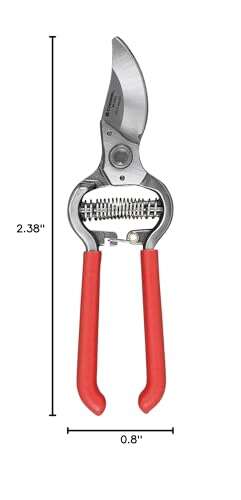
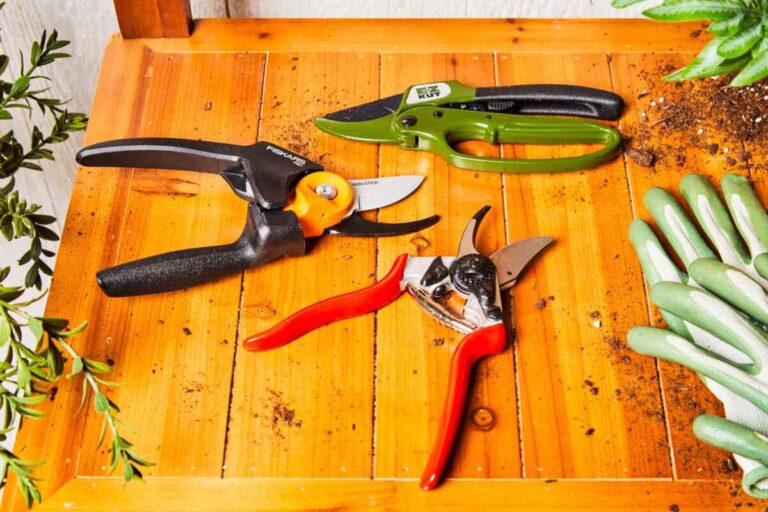
Loppers are long-handled pruners. They provide more force than hand pruners and can cut many woody roots.
They work best on roots that are:
- Exposed
- Reasonably clean
- Small enough for the tool’s rated capacity
- Not under heavy tension
Do not twist loppers to force a cut. If the handles will not close with steady pressure, use a pruning saw instead.
Root saw or pruning saw
A root saw has a coarse, strong blade made for woody roots. A folding pruning saw can work for smaller jobs.
A saw is often the safest choice for a thick root because it lets you cut slowly and see what is happening. First remove soil around the root. Then cut from the top or side without burying the blade in dirt.
Reciprocating saw
A reciprocating saw can cut thick roots quickly when fitted with a long pruning blade. It may help with a large shrub, stump, or exposed root.
Use it only when:
- The root is fully exposed
- You have checked for wires, pipes, and other hazards
- The blade will not contact soil
- You can control the saw with both hands
A reciprocating saw is not a good first tool for roots in unknown soil. It can cut hidden utilities, irrigation lines, or stones. It also throws chips and can bind in a tight cut.
Axe or hatchet
An axe can cut some roots, but it is not the best general tool. It needs room to swing and may glance off a curved root.
A root saw or mattock usually gives better control. Use an axe only when the root is exposed, stable, and away from utilities and people.

How to dig up roots step by step
The safest method is to expose the root before you cut it. This prevents blind swings and helps you choose the right tool.
1. Identify the plant and the goal
Decide whether you are:
- Removing a dead plant
- Moving a shrub
- Removing a stump
- Cutting a root that blocks a bed
- Protecting a tree while changing the soil
If you want to keep the plant alive, do not start by cutting roots. Dig farther from the stem and expose the root system first. A plant may fail if too many roots are removed.
2. Check for buried utilities
In the United States, call 811 or visit your state’s 811 service before digging. The service helps locate public underground utilities. Markings may not cover every private line, such as some irrigation pipes, landscape lighting, or private electrical cables.
Also check for:
- Sprinkler lines
- Drain pipes
- Septic systems
- Low-voltage lighting
- Invisible dog fences
- Buried cables or conduit
Do not assume that a shallow-looking area is safe.
3. Cut back the plant if needed
For a shrub, remove branches first if they block your work area. Use hand pruners, loppers, or a pruning saw.
If the plant is large, unstable, or close to a structure, stop and get professional help. A falling trunk or branch can cause serious injury.
4. Dig a trench around the root ball
Use a sharp spade to make a ring around the plant. Start wider than you think you need. For a shrub you want to move, preserving more roots usually improves its chance of recovery.
Push the spade straight down. Rock it slightly to open the cut. Remove soil in thin layers rather than trying to lift a large mass at once.
5. Loosen the soil with a fork
Switch to a digging fork near the root ball or near a tree. Push the tines into the soil and move them back and forth.
This exposes roots with less force than repeated chopping. Pull loose soil away by hand or with the fork.
6. Cut exposed roots
Choose the tool by root size:
- Use hand pruners for thin roots.
- Use loppers for medium woody roots.
- Use a root saw for thick roots.
- Use a reciprocating saw only for large, exposed roots in a controlled area.
Make a clean cut. Do not tear or yank a root if you can avoid it.
7. Lift the root mass
Work around the root ball. Cut remaining roots one at a time. Do not use the plant stem as a lever if you want to save it.
For a stump, use a mattock to break the soil and expose the main roots. Then cut each root before rocking the stump. A stump can suddenly shift when the last major root gives way.
8. Fill the hole
Remove loose wood and large root pieces. Backfill the hole with the soil you removed, unless it is contaminated or unsuitable.
Tamp the soil lightly to remove large air pockets. Do not compact it hard. Water the area if needed, then watch for settling.

What to use for different root problems
The best tool changes with the job. These examples cover common U.S. yard projects.
Removing a shrub and its root ball
Use a spade, digging fork, hand pruners, and loppers. Dig a circle around the shrub, loosen the soil, and expose the main roots.
If the root ball will not lift, do not pull harder on the stems. Dig wider and deeper. Cut only the roots that prevent removal.
Cutting a surface root in a garden bed
First confirm that the root does not belong to a tree you want to protect. Dig around it with a hand trowel or fork.
For a small root, use pruners. For a thick root, use a root saw. Avoid cutting roots flush with the soil if the cut would leave a trip hazard or create a large open wound near a valuable tree.
Removing roots from hard clay soil
A mattock can break the surface. Follow it with a digging fork to loosen the soil.
Do not pound a shovel into dry clay with excessive force. The blade may bend, and the handle may fail. Water can soften the soil, but wait until it is workable rather than muddy. Very wet clay can become sticky and compacted.
Removing a taproot
A taproot grows down more than it spreads outward. A narrow spade works well because it can reach deeper than a broad shovel.
Dig around the plant, then loosen the soil below the stem. If the taproot is too deep to pull safely, expose it and cut it with a pruning saw.
Removing roots from a stump
Use a mattock, digging bar, root saw, and loppers. A stump grinder may be more practical when the stump is large or has many thick roots.
Before using powered equipment, check for utilities and read the equipment instructions. A professional may be the better choice near buildings, slopes, sidewalks, or utility lines.
Removing tree roots
Do not remove a large tree root as a routine garden task. Large roots help support the tree and carry water and nutrients. Cutting them may cause decline, instability, or failure during wind.
The University of Florida IFAS Extension advises care when cutting roots near trees, and the International Society of Arboriculture recommends using a qualified arborist for tree-risk decisions. In the U.S., look for an arborist with relevant training and insurance. Local rules may also protect certain trees.

How to choose between a shovel, mattock, and saw
Use a shovel or spade when you are still removing soil. Use a mattock when the soil itself is hard or packed with shallow roots. Use a saw when the root is exposed and too thick for pruners.
A simple rule is:
- Expose the root.
- Loosen soil around it.
- Cut it with the smallest tool that works.
- Remove the root in sections if needed.
This method takes longer than blind chopping, but it lowers the risk of hitting utilities and reduces damage to nearby plants.
Tool choice by root thickness
The sizes below are practical guides, not fixed limits. Tool capacity varies by brand, blade condition, wood type, and root position.
- Less than ¼ inch: hand pruners or a trowel
- ¼ to 1 inch: loppers
- About 1 to 3 inches: pruning saw or root saw
- More than 3 inches: large root saw, reciprocating saw, or professional equipment
A root under tension can be dangerous even when it is not thick. If it bends, pulls, or springs as you cut, stop and reassess.

Safety rules for digging and cutting roots
Wear work gloves, safety glasses, long pants, and sturdy shoes. Use hearing protection with powered tools. Keep bystanders and pets away from the work area.
Follow these rules:
- Call 811 before digging in the United States.
- Inspect tools before use.
- Keep blades sharp and handles secure.
- Cut away from your body.
- Do not use a chainsaw in soil.
- Do not swing a mattock or axe near another person.
- Keep both hands on powered tools.
- Stop if you find a pipe, cable, wire, or unusual material.
- Do not burn or chemically kill roots near utilities or desirable plants.
- Avoid using herbicides unless the product label allows that exact use.
Chemical stump and root killers can move through soil or harm nearby plants. They also do not solve every structural problem. Mechanical removal is usually easier to control for a small root, while large stumps may need a contractor.
When to call a professional
Get help from an arborist, utility professional, or excavation contractor when:
- The root belongs to a mature tree.
- The root is near a foundation, sidewalk, or retaining wall.
- You find a utility line.
- The plant or stump is too large to move safely.
- The ground is unstable or steep.
- A root is lifting a structure.
- You are unsure whether cutting it could make a tree unstable.
A landscaping crew may handle small shrub removal. A certified arborist is the better choice for decisions involving mature trees and major roots.

Common mistakes when digging up roots
Chopping before exposing the root
Blind chopping can damage utilities and nearby roots. Dig first, then cut.
Pulling on the trunk or stem
A hard pull can break the stem and leave roots behind. It can also make the plant fall toward you. Loosen the root ball and cut the remaining roots instead.
Using the wrong saw
A chainsaw is not designed for dirty roots. Soil quickly damages its chain and can increase kickback. Use a root saw or a reciprocating saw with a suitable pruning blade.
Cutting a tree root without checking its role
A large root may support the tree. Removing it can create a hazard even if the tree looks healthy today.
Leaving a large hole open
Open holes are a fall hazard. Cover or fill the hole when you stop work, especially if children or pets use the yard.
Overworking wet soil
Wet soil can smear and compact. If the soil sticks heavily to tools, let it drain before digging again.

Key takeaways
- A sharp spade is the best general tool for digging around roots.
- Use a digging fork to loosen soil with less root damage.
- Use a mattock for hard soil and dense surface roots.
- Use loppers for exposed medium roots.
- Use a root saw for thick roots.
- Use a reciprocating saw only on large, exposed roots and with proper safety checks.
- Call 811 before digging in the United States.
- Do not cut major roots from a mature tree without qualified advice.
FAQs about digging up roots
What is the best tool for cutting roots?
A root saw is the best general tool for thick, exposed roots. Loppers work for smaller roots, while a mattock is better when hard soil and shallow roots are mixed together.
Can I use a shovel to cut roots?
Yes. A sharp spade can cut thin roots and make a clean trench around a plant. It is not a good choice for thick, woody roots because forcing it may bend the blade or damage the handle.
How do I remove roots without killing a tree?
Avoid cutting large roots. If a root must be removed, expose it first and get advice from a qualified arborist. The safe distance depends on the tree, root size, soil, and reason for removal.
Should I use a chainsaw to cut roots?
No. Soil, stones, and hidden objects can damage a chainsaw and increase the risk of kickback. Use a root saw or another tool designed for the conditions.
Does vinegar or bleach kill roots?
These products can damage soil, nearby plants, and beneficial organisms. Bleach can also create a disposal and exposure problem. Use physical removal or a labeled herbicide only when the product is legal and appropriate for that specific use.
What should I do if I hit a buried cable?
Stop digging. Do not touch or move the cable. Keep people away and contact the utility owner or emergency services if there is damage, sparking, smoke, or a gas odor. Call 811 before resuming any work.
Sources and further reading
- Call 811 before you dig
- U.S. Department of Agriculture Forest Service: Tree roots and soil resources
- University of Florida IFAS Extension: Tree root management
- International Society of Arboriculture: Find an arborist
Conclusion
For most root-removal jobs, start with a sharp spade and digging fork. Expose the root before cutting it, then choose pruners, loppers, a mattock, or a root saw based on its size and position.
The key safety step is simple: in the United States, contact 811 before you dig. If the root belongs to a mature tree or lies near a structure or utility, stop and get qualified help before cutting.

Laura Bennett is a gardening writer at MyGardenLabs who creates beginner-friendly guides focused on solving common plant care and gardening problems.