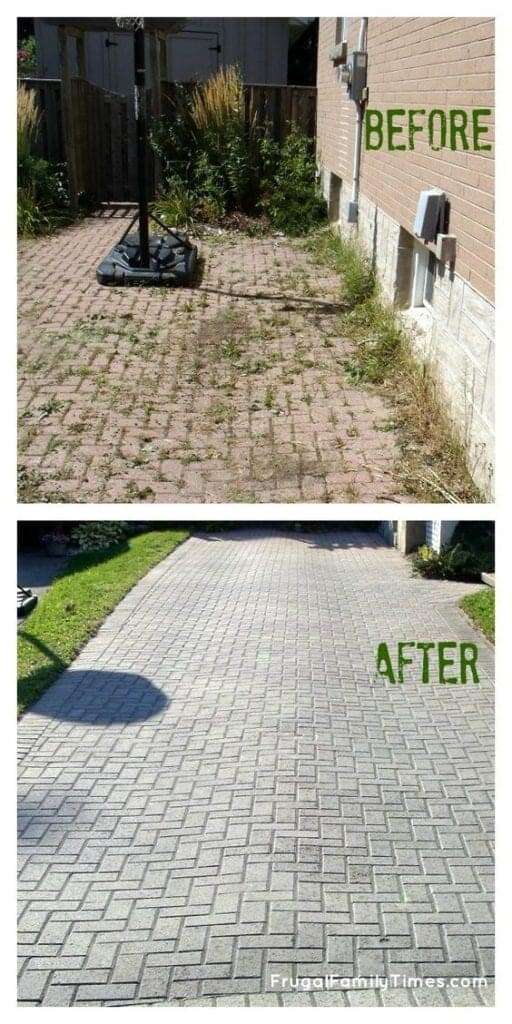
How To Remove Weeds From Between Pavers: Fast Fix
Pull weeds by hand, clean the joints, and refill gaps with polymeric sand to stop new growth.
Learning how to remove weeds from between pavers is easier when you treat both the visible weeds and the tiny seeds hiding below them. The right method depends on the weed type, paver material, joint depth, and how much time you want to spend on future maintenance. This guide explains safe, practical methods that work for patios, walkways, driveways, and pool decks.
Why Weeds Grow Between Pavers
Weeds grow between pavers because the joints collect soil, dust, leaves, and moisture. Wind and rain carry small seeds into these narrow spaces. Once a seed finds water and light, it can grow even in a very thin layer of dirt.
Some weeds also spread through roots or stems. A small piece left in the joint may grow again after you pull the top away. This is why learning how to remove weeds from between pavers involves more than simply cutting off green leaves.
Common weeds found between pavers include:
• Crabgrass and other grassy weeds
• Dandelions
• Chickweed
• Clover
• Moss and algae
• Broadleaf weeds such as plantain
• Small tree or shrub seedlings
Weeds are most common in joints that stay damp or receive little sunlight. Cracked pavers, low spots, and poorly filled joints also give weeds a better place to grow.
The Best Time to Remove Weeds
The best time for how to remove weeds from between pavers is after light rain. Moist soil makes roots easier to pull, so you are less likely to leave pieces behind. If the joints are dry, water the area for a short time before starting.
Early spring is a good time for a full cleanup. Young weeds have small roots and are easier to remove. Removing them before they flower also helps prevent new seeds from spreading across the surface.
You can remove weeds during summer, but hot weather creates two problems. The soil may be hard, and some weed killers can harm nearby grass or plants if they drift. Work during the cool part of the day and follow all product directions.
Fall is useful for sealing and joint repair. Once weeds are gone, you can refill the joints before winter rain and freezing weather create new gaps.
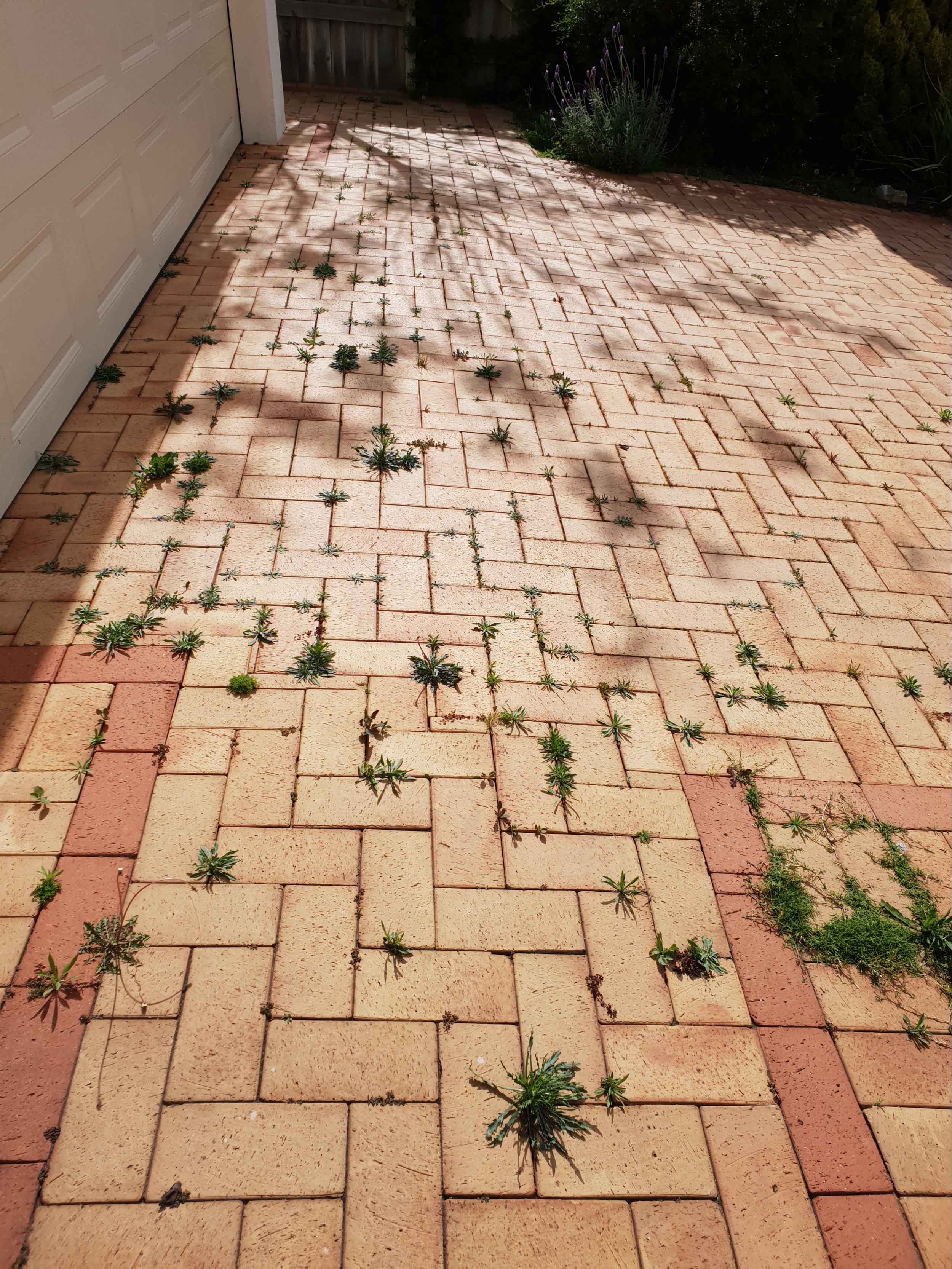
How to Remove Weeds From Between Pavers by Hand
Hand removal is the safest method for most patios and walkways. It does not use chemicals, and it gives you control around flowers, pets, vegetable gardens, and delicate surfaces.
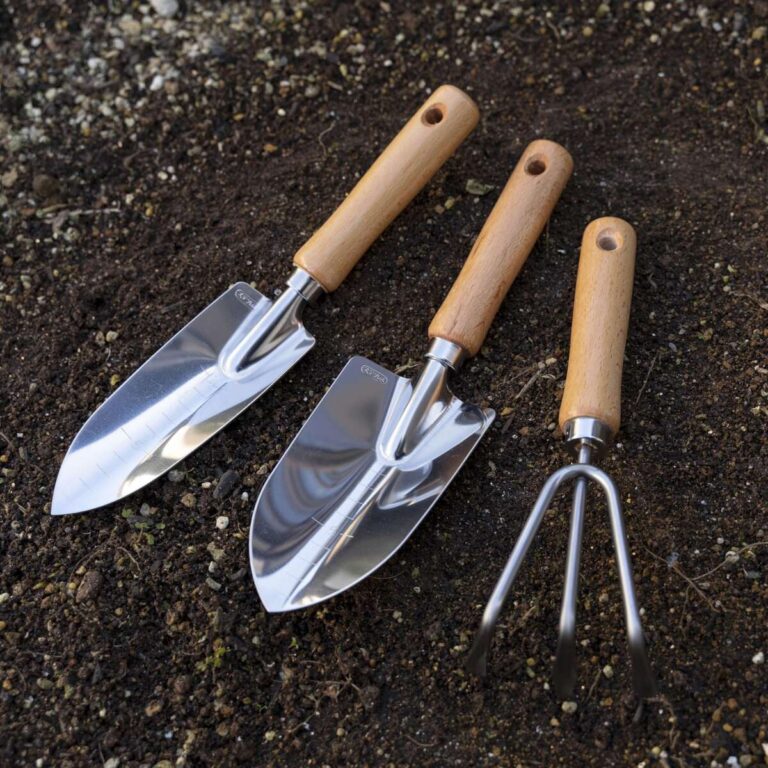
Use these tools:
• Narrow weeding knife or patio knife
• Hand trowel
• Stiff nylon brush
• Garden gloves
• Bucket or yard waste bag
• Kneeling pad
Follow these steps:
-
Wet the joints lightly. Wait 10 to 20 minutes so the soil softens.
-
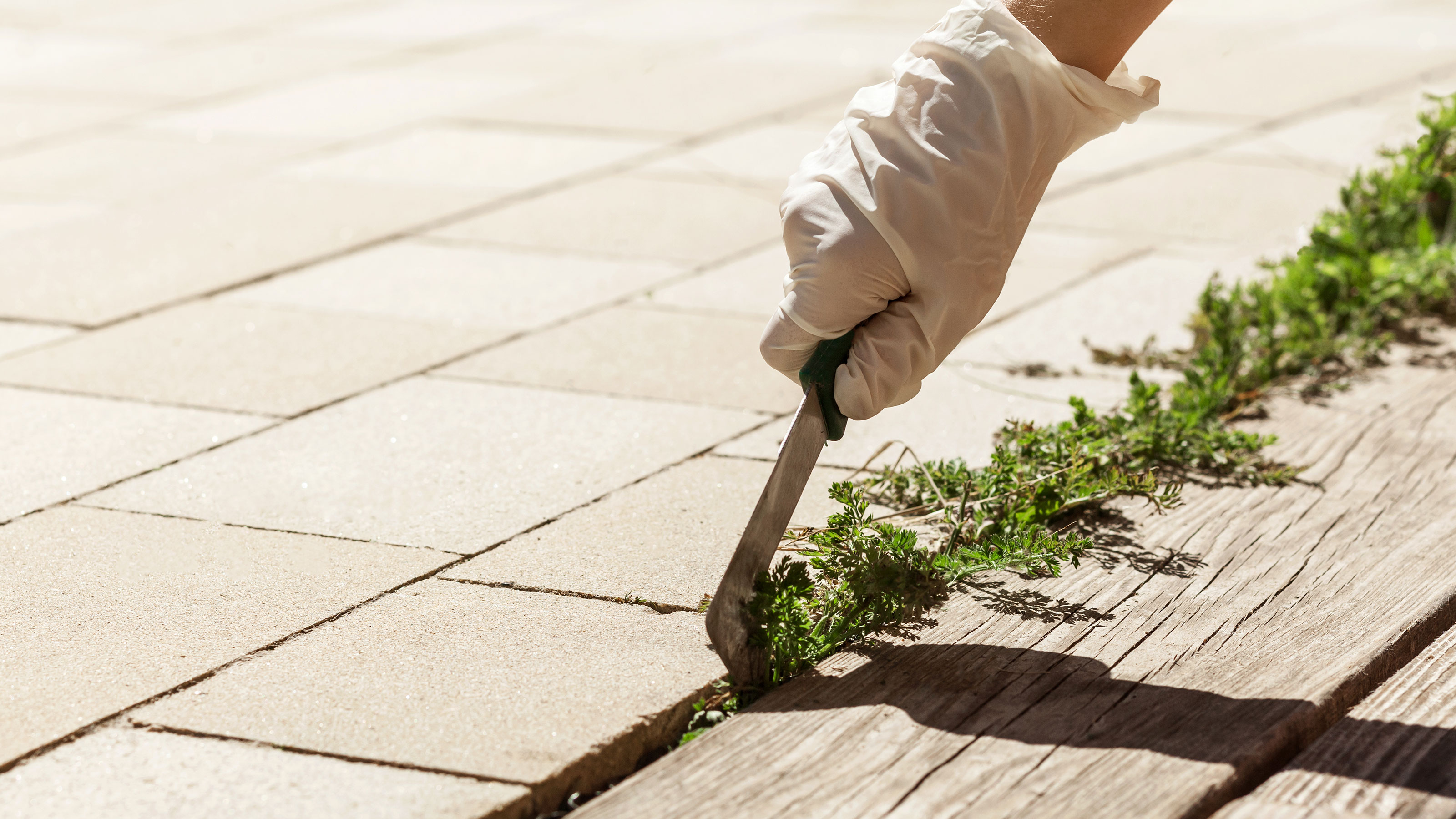
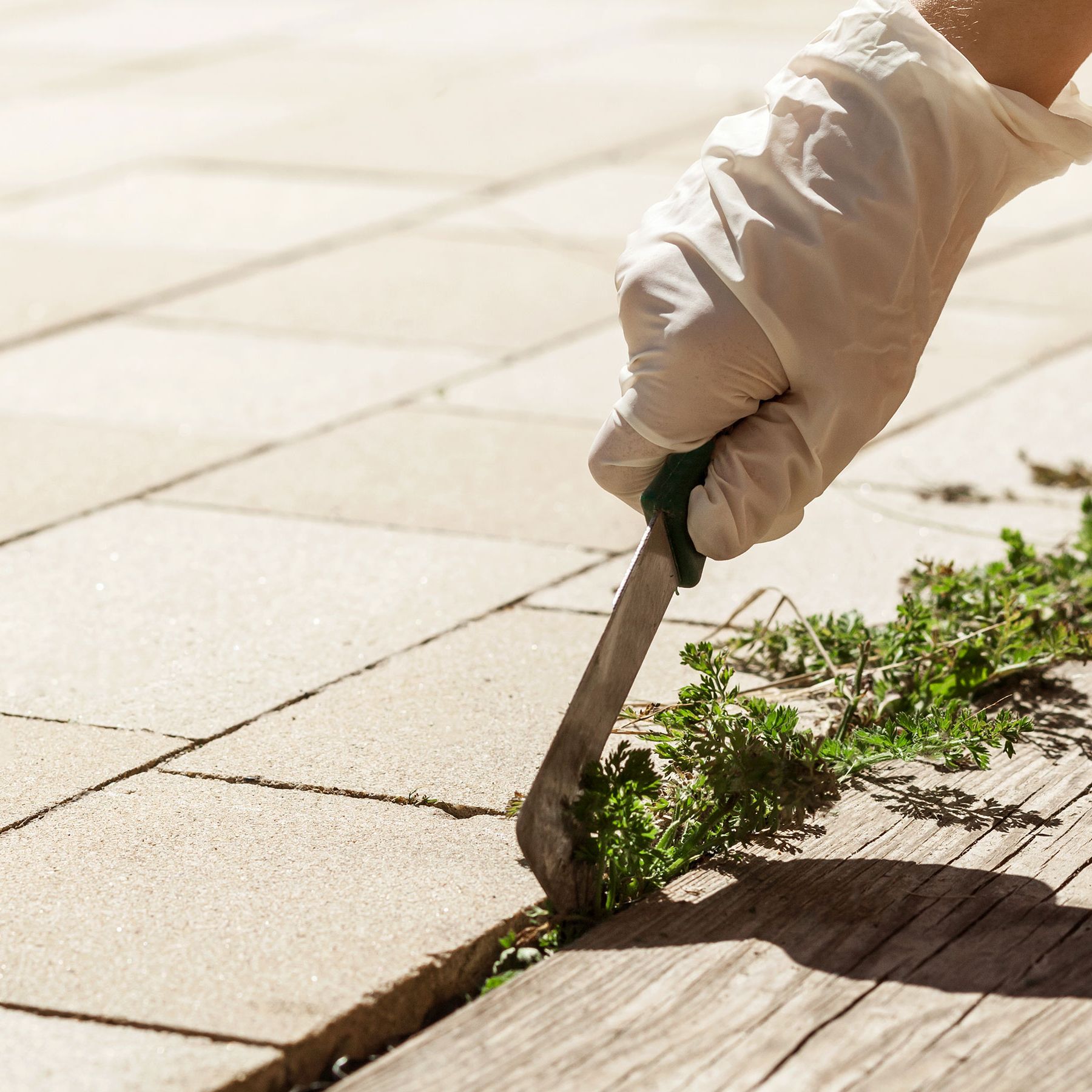
Insert the weeding knife beside the weed’s root.
-
Push the tool down as far as the joint allows.
-
Loosen the root by moving the tool from side to side.
-
Pull the weed slowly and steadily.
-
Remove loose soil, roots, and dead plant material.
-
Sweep the joint clean with a stiff brush.
-
Place the weeds in a yard waste bag rather than leaving them on the pavers.
A slow pull works better than a fast yank. When you pull too hard, the stem may break while the root remains below the surface. For taproot weeds such as dandelions, dig down several inches if the joint is deep enough.
In my experience, the most common mistake is cleaning only the top inch of the joint. The pavers may look clear for a week, but leftover roots and soil often produce fresh growth. Treat the joint like a small garden bed: remove the plant, the root, and as much loose soil as possible.
Using Boiling Water to Kill Paver Weeds
Boiling water can kill small weeds without herbicide. It works by damaging the plant’s leaves and stems and heating the shallow root zone. This method is most useful for isolated weeds on concrete or brick surfaces.
Pour the water slowly and directly onto the weed. Avoid splashing nearby plants, your skin, or painted surfaces. Wait until the area cools, then remove the dead weed and sweep out the joint.
Boiling water has limits. It may not kill deep roots, woody seedlings, or weeds protected by thick soil. You may need two or three treatments, spaced several days apart.
Use extra care around:
• Children and pets
• Wood, vinyl, or painted surfaces
• Plants near the pavers
• Sealed pavers that may react to extreme heat
Boiling water is useful for how to remove weeds from between pavers, but it should not replace joint repair. If soil remains in the gap, new seeds can still take root.
Removing Weeds With Vinegar
Household vinegar is often suggested as a natural weed killer. However, regular kitchen vinegar contains about 5% acetic acid and usually works best on young weeds. It may burn the leaves but fail to kill deep roots.
Horticultural vinegar has a much higher acid level. It can cause serious skin and eye injuries, so it requires protective gear and careful handling. It can also harm grass, flowers, shrubs, and soil organisms if it reaches nearby planting beds.
If you choose a vinegar product, read the label first. Follow the stated use, wear the required protection, and avoid spraying on windy days. Never mix vinegar with bleach, ammonia, or other cleaners. Dangerous gases or reactions can result.
Vinegar is a contact treatment. It kills the plant parts it touches, but it does not always move through the root system. For this reason, hand removal followed by joint repair is often more reliable for long-term results.

Using a Weed Killer Safely
Herbicide can help with stubborn weeds, but it should be a careful choice, not the first step for every paver job. Select a product labeled for the surface and weed type. Read the entire label before use, including instructions about pets, rain, protective clothing, and nearby plants.
A nonselective herbicide can kill almost any green plant it touches. That makes it useful for weeds in an isolated joint, but risky near lawns, flower beds, and tree roots. Spray only on calm days and use a narrow stream rather than a wide mist.
Keep these safety rules in mind:
• Do not apply more product than the label allows.
• Keep children and pets away for the stated time.
• Do not spray before rain unless the label permits it.