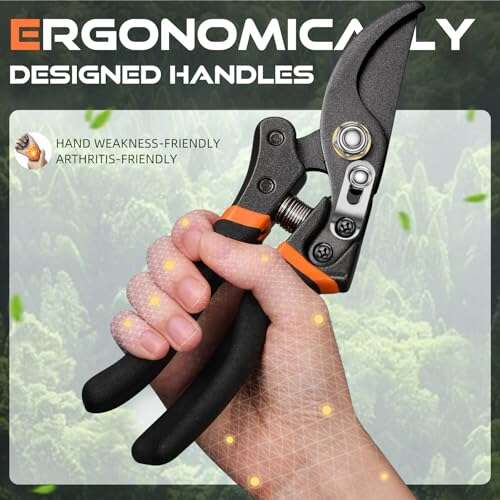
Best Ratchet Pruners For Small Hands: Top Easy-Cut Picks
The best ratchet pruners for small hands combine a slim grip, light weight, and smooth cutting power.
Small hands can make garden work feel harder than it should. A wide handle may strain your palm, while a stiff spring can leave your fingers tired after only a few cuts. Ratchet pruners help by splitting one hard cut into short steps. I reviewed the listed designs for grip size, cutting action, weight, blade style, safety, and daily comfort. The goal is simple: find the best ratchet pruners for small hands that cut well without making your wrist and fingers work too hard.
Gerossi Ratchet Pruning Shears
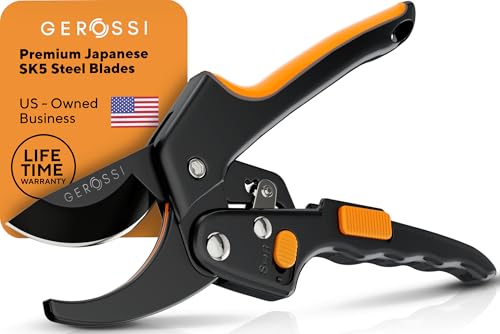
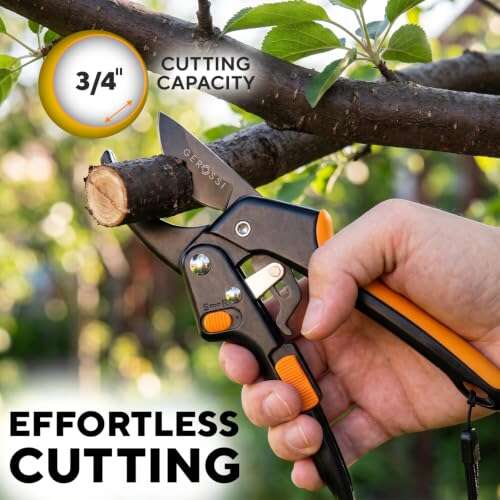
The Gerossi heavy-duty ratchet pruning shears use a step-by-step cutting action to reduce the force needed for firm stems. That makes them useful when a normal bypass pruner feels too hard to close. The handle shape looks made for a secure hold, and the bright finish should be easy to spot in grass or leaves. For gardeners with small hands, the main attraction is the added leverage without the need to squeeze the tool in one strong motion.
I would consider this model for roses, shrubs, vines, and other routine garden jobs. Ratchet tools work best when you let the mechanism do the work and avoid rushing each cut. The anvil-style action may also help with dry or woody growth, though I would still stay within the stated cutting limit. Check the current listing for the exact size, capacity, and included features before ordering.
Pros:
- Ratchet action breaks hard cuts into easier steps
- Useful for gardeners with limited hand strength
- Heavy-duty design suits regular outdoor use
- Bright color is easy to find in a busy garden
- Helpful for stems that feel too tough for light pruners
- Can reduce repeated squeezing during long pruning sessions
Cons:
- Ratchet cuts can feel slower than a sharp bypass pruner
- The heavy-duty build may feel large to very petite users
- Anvil-style cutting may crush soft green stems if used poorly
EZ Kut Ratcheting Pruning Shears

The EZ Kut ratcheting pruning shears are built around a simple idea: use several small squeezes instead of one large squeeze. That can make a real difference for people with arthritis, weak hands, or sore joints. The green handle gives the tool a clear garden look, and the ratcheting anvil design is aimed at firm stems and branches. It is a practical choice when hand comfort matters more than making every cut in one pass.
I like this style for gardeners who take their time and want steady control. You can pause between ratchet steps, reset your grip, and finish the cut with less shock to your fingers. It may also suit users who prune in short sessions throughout the day. Since anvil pruners press the stem against a flat surface, I would reserve this tool for mature, dry, or woody growth and use a bypass blade for tender stems.
Pros:
- Ratcheting action helps reduce hand pressure
- Good match for users with arthritis or weak grip
- Anvil design handles tougher garden growth
- Allows short pauses between cutting steps
- Green finish is easy to see outdoors
- Designed as a purpose-built garden hand tool
Cons:
- May not give the cleanest cut on soft green stems
- Requires more time per cut than standard shears
- Users with very small hands should check the handle reach
Gerossi Heavy-Duty Ratchet Pruner

This Gerossi listing offers another heavy-duty ratchet pruning option for gardeners who need more help at the handle. The ratchet system spreads the job over several small movements, which can feel kinder to tired fingers. Its compact hand-pruner format is suitable for common garden maintenance, such as removing dead twigs and trimming shrub growth. The design favors leverage and control rather than speed.
For small hands, I would focus on how far the handles must open before buying. A ratchet tool can be easy to use once engaged, but a wide starting position can still feel awkward. If the grip fits, this pruner may work well for people who want a firm tool with less sudden force. As with any ratchet pruner, clean the blade after use and keep the moving parts free of grit.
Pros:
- Step-by-step action can lower peak squeezing force
- Heavy-duty format suits branches and firm stems
- Useful for routine shrub and garden maintenance
- Provides control when a single squeeze is difficult
- Compact enough for common hand-pruning tasks
- Good option for users seeking extra leverage
Cons:
- Handle opening may not suit the smallest hands
- Ratchet mechanisms need cleaning to stay smooth
- May be more tool than needed for thin flowers and herbs
Corona Ratchet Hand Pruner
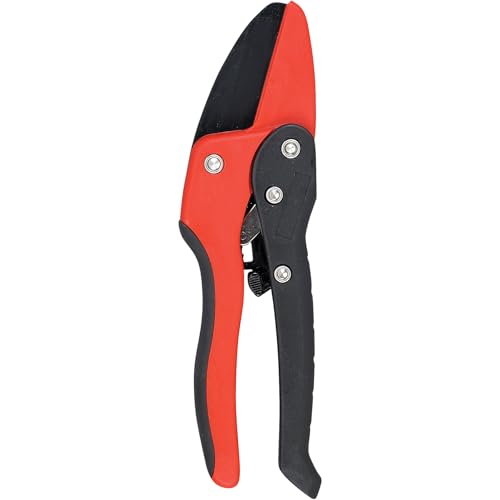
The Corona ratchet hand pruner is listed with a cutting capacity of up to three-fourths of an inch. That capacity makes it one of the more serious options in this group. The ratchet action is designed to help with stems and branches that would challenge a basic hand pruner. Its comfortable grip is also important for users who want a secure hold without pressing hard.
I see this as a strong all-purpose choice for mature shrubs, fruit trees, and general yard work. It may be especially useful when a gardener wants one tool for a wide range of firm growth. Still, a larger capacity often comes with a larger body, so small-handed users should compare the handle shape with their own reach. The best ratchet pruners for small hands should offer power without forcing the fingers to stretch around the grip.
Pros:
- Listed cutting capacity reaches up to three-fourths of an inch
- Ratchet system helps with firm branches
- Comfortable grip supports longer pruning sessions
- Versatile choice for shrubs, trees, and yard work
- Strong option for users who need extra cutting power
- Recognizable garden-tool design from an established tool brand
Cons:
- May feel bulky for very small hands
- Large cutting capacity is unnecessary for delicate plants
- Slow ratchet motion may not suit fast pruning jobs
Hooyman Ratchet Pruner

The Hooyman ratchet pruner combines a lightweight, no-slip design with an SK5 high-carbon blade. It also includes a blade lock, which helps keep the cutting edge closed during storage or transport. The no-slip grip is useful when hands are damp, gloved, or tired. Although Hooyman markets this tool for hunting and outdoor use as well as trimming, the design fits many garden tasks.
Light weight matters a lot when searching for the best ratchet pruners for small hands. A lighter tool creates less drag, and that can make repeated cuts feel less tiring. The ratchet action adds leverage, while the blade lock gives the pruner a clear storage position. I would choose this model for users who want a compact outdoor tool that can move from garden beds to general field work.
Pros:
- Lightweight design may reduce hand and wrist fatigue
- No-slip grip helps maintain control
- SK5 high-carbon blade is built for firm cutting work
- Blade lock improves storage safety
- Useful for gardening, trimming, hunting, and outdoor tasks
- Good fit for users who value portability
Cons:
- Outdoor styling may not appeal to every home gardener
- Exact cutting capacity should be checked before use
- Very hard wood may still require a larger lopper
Gerossi Ratchet Pruning Shears

This Gerossi model is another heavy-duty ratchet shear aimed at gardeners who want extra help from the tool. The ratchet cuts in stages, so the user does not need to close the handles with one hard squeeze. That feature can make pruning less painful for people with weak hands or reduced grip strength. It also gives the user time to adjust the hand position during a stubborn cut.
I would place this pruner on the shortlist for basic yard care and seasonal cleanup. It should work best when the user makes steady, measured cuts rather than forcing the handles. Small-handed gardeners should pay close attention to the handle span and overall length shown in the current product details. A tool can have strong leverage and still feel wrong if the handles open too far.
Pros:
- Ratchet steps help spread cutting effort
- Suitable for users who find standard shears too stiff
- Heavy-duty build supports regular garden use
- Allows the user to reset grip during a cut
- Useful for dry twigs and firm shrub stems
- Offers a practical balance of power and control
Cons:
- May be too large for children or very petite adults
- Several ratchet steps can make pruning slower
- Not the first choice for thin, soft plant stems
Kings County Ratchet Anvil Pruner

The Kings County Tools ratchet anvil pruner has a five-inch format and a carbon steel blade. Its design is made for weak hands and users who need more mechanical help during pruning. The anvil setup supports the stem on one side as the blade presses down from the other. This can be useful for dead wood, dry branches, and tough growth that resists a light bypass pruner.
The shorter size may appeal to people with small hands, but fit still depends on the handle shape and opening distance. I would use this tool for controlled cuts rather than delicate shaping. It is also a sensible choice for gardeners who want a dedicated arthritis-friendly pruner at a modest size. Keep the carbon steel blade dry and clean, since good care helps preserve its edge.
Pros:
- Five-inch format may suit smaller hands
- Designed with weak hands and arthritis in mind
- Carbon steel blade supports firm cutting work
- Anvil base helps with dry and woody stems
- Ratchet action lowers the need for one strong squeeze
- Compact design is easy to carry around the garden
Cons:
- Anvil action can crush green stems
- May not handle the largest branches in its stated range
- Carbon steel needs care to limit rust
P6H Hybrid Ratchet Pruner for Small Hands

The P6H Hybrid Ratchet Hand Pruner is the clearest match for the main search need because its listing says it is designed for small hands. It is also listed as lightweight and made for flowers and stems. The stated cutting capacity is up to five-eighths of an inch, or 16 millimeters. That gives it enough range for many home garden jobs without making it a large branch cutter.
The hybrid format is important because it aims to blend normal pruning feel with ratchet assistance. Small-handed users often need both a short reach and a handle that does not fight the hand. I would choose this model for roses, house plants, flowers, herbs, and light shrub work. It may be the best ratchet pruners for small hands choice for anyone who values fit first and maximum branch capacity second.
Pros:
- Specifically designed for small hands
- Lightweight format can reduce fatigue
- Listed capacity reaches five-eighths of an inch
- Suitable for flowers, stems, and light garden work
- Hybrid design may feel more natural than a large anvil tool
- Strong choice for users who need a compact grip
Cons:
- Not intended for very large branches
- May feel less powerful than a heavy-duty anvil pruner
- Users seeking fast one-cut pruning may prefer bypass shears
2-in-1 Bypass Ratchet Pruning Shears

The 2-in-1 bypass ratchet pruning shears offer two cutting modes in one hand tool. Bypass blades pass one another like scissors, which usually makes a cleaner cut on live green stems. The ratchet feature can then add help when the stem becomes harder to close in one motion. That mix gives this design more flexibility than a single-purpose anvil pruner.
I see this as a useful option for gardeners who prune several kinds of plants. You can use the bypass action for flowers and green growth, then use ratchet support for firmer stems. The main question is whether the handle and mode switch feel simple enough for your hand. For small hands, versatility helps only when the tool remains easy to hold and control.
Pros:
- Combines bypass cutting with ratchet assistance
- Bypass mode is suited to live green stems
- Ratchet mode helps with harder cuts
- One tool can cover more garden tasks
- Useful for gardeners who dislike anvil-only pruners
- May reduce the need to carry two separate shears
Cons:
- More moving parts may require extra care
- Mode changes can slow work until the user learns them
- Exact handle size and cutting capacity should be verified
Gardena SmartCut Ratchet Pruner

The Gardena 08798-81 SmartCut uses a ratchet system to help the user cut firm stems with less hand force. Gardena tools are often designed with clear controls and comfortable handling, and this model follows that practical approach. The SmartCut name points to a tool built for assisted cutting rather than raw squeezing power. It is a good candidate for gardeners who want a refined hand pruner for repeated seasonal work.
I would look closely at the grip, lock, and opening range before choosing it for very small hands. A smooth ratchet can feel like a small gear helping your fingers climb a hill, but the tool still must fit your palm. This pruner may suit rose care, shrub trimming, and general garden cleanup. It is also worth considering for users who want a known garden brand and a purpose-built ratchet mechanism.
Pros:
- Ratchet system supports easier cutting of firm stems
- Designed for regular garden pruning
- Useful for users who want controlled, assisted cuts
- SmartCut design emphasizes simple hand operation
- Suitable for seasonal shrub and flower maintenance
- Strong option for shoppers who prefer an established garden brand
Cons:
- Handle reach may not fit every small hand
- Ratchet action is slower than standard bypass shears
- Current listing details should be checked for capacity and lock design
My Recommendation
After comparing the grip needs, cutting styles, and listed features, I would start with the P6H Hybrid Ratchet Hand Pruner for most small-handed gardeners. Its listing directly says it is designed for small hands, and its light build and five-eighths-inch capacity fit common home garden work. It is not the tool for thick limbs, but it should feel more natural for flowers, stems, roses, and light shrubs. That direct focus gives it an advantage over larger heavy-duty models.
For arthritis or very weak grip, the EZ Kut, Kings County, and Gerossi models deserve attention because their ratchet action can divide a hard cut into smaller movements. For a larger capacity, the Corona is the stronger choice, although its bigger size may not suit petite users. The Hooyman is appealing when low weight and a no-slip grip matter. The 2-in-1 model is best for gardeners who want both bypass and ratchet modes.
| Best for | Why |
|---|---|
| Smallest hands and light garden work | P6H is listed as designed for small hands and remains light for flowers and stems. |
| Arthritis or weak grip | EZ Kut and Kings County models use ratchet action to reduce one-squeeze effort. |
| Firm branches and broad yard work | Corona offers a listed capacity of up to three-fourths of an inch. |
One detail matters more than many shoppers expect: handle opening. Even the best ratchet pruners for small hands can feel tiring if the fingers must stretch too far before the mechanism engages. Before ordering, check the current Amazon listing for dimensions, cutting capacity, blade type, and return terms. Product details, price, and stock can change, especially as listings update through 2026.
How I Choose Ratchet Pruners for Small Hands
I do not judge a pruner by its cutting capacity alone. A large number on a product page means little if the tool feels like a brick in a small palm. I first look at the handle span, overall weight, grip texture, lock position, and the point where the ratchet starts to engage. These details decide whether a tool feels helpful or frustrating after twenty cuts.
I also separate plant work into two groups. Live green stems usually benefit from a sharp bypass blade because it makes a neat cut with less crushing. Dry wood and hard stems often suit anvil or ratchet designs because the flat support gives the blade a firm target. A smart gardener chooses the blade style for the plant, not just for the package claim.
Finally, I consider control. Small hands need a tool that stays steady when the user changes grip. A textured handle, easy lock, and smooth spring can matter as much as steel hardness. The best ratchet pruners for small hands should feel like an extension of the hand, not a fight between the hand and the tool.
Ratchet Pruner vs. Standard Pruner
A standard pruner closes in one motion. That is fast, but it can demand a strong grip. A ratchet pruner closes in steps. Each step moves the blade a little farther, so the user can release and squeeze again. This method often helps people with arthritis, hand pain, or low grip strength.
The trade-off is speed. Ratchet pruning takes more handle cycles, and some users may find the motion slow. A standard bypass pruner can be better for many thin stems, especially when the blade is sharp. For hard stems, though, ratchet action can turn a task that feels impossible into a calm, manageable cut.
I also tell shoppers to watch for false confidence. A ratchet does not make a tool safe for every branch. For thick limbs, use long-handled loppers or a pruning saw. Pushing a small hand pruner beyond its range can damage the blade, bend the mechanism, or cause the tool to slip.
Bypass or Anvil: Which Blade Is Better?
A bypass pruner has two blades that pass each other. This action is much like a pair of scissors. It usually gives a clean cut on fresh stems, green shoots, roses, and live twigs. If plant health and a neat cut are your main goals, bypass is often the better choice.
An anvil pruner has one cutting blade and a flat surface. The blade presses the stem against the anvil. This design gives strong support and can work well on dry or hard wood. It may crush soft stems, so I would not use it for every plant in a flower bed.
Some tools, such as the 2-in-1 bypass ratchet model, try to offer both actions. That can be useful, but the controls must be clear. If a mode switch is hard to move or easy to bump, the extra feature may become more trouble than help. The best ratchet pruners for small hands should keep operation simple.
How to Use Ratchet Pruners Safely
Start by checking the tool before each use. Make sure the blade lock releases fully and that the handles move without a rough catch. Look for loose screws, damaged grips, or a blade that does not meet the cutting surface correctly. A quick check takes seconds and can prevent a bad slip.
Place the stem deep in the correct cutting area. Do not cut at the very tip unless the tool instructions allow it. Close the handles in a steady motion and let the ratchet advance. If the tool stops, do not twist your wrist or force the handles sideways. Stop and choose a larger tool if the stem exceeds the rated capacity.
Keep your free hand away from the blade and wear gloves with a good grip. After pruning, wipe away sap and plant bits. Dry the tool before storage, then use a small amount of suitable tool oil on the pivot if the manufacturer permits it. A clean blade cuts better and puts less stress on both the plant and your hand.
How to Care for Small-Hand Ratchet Pruners
Plant sap can act like glue. If it builds up around the blade or ratchet teeth, the tool may feel stiff. Wipe the blade after each session with a clean cloth. For stubborn sap, use a cleaner that is safe for garden tools, then dry the metal well.
Store the pruner in the locked position. Keep it in a dry shed, drawer, or tool bag rather than leaving it on wet soil. Moisture can dull steel and may cause rust on carbon steel blades. A light coat of tool oil can help protect exposed metal, but keep oil away from plant cuts until the blade is wiped clean.
Do not sharpen a blade unless you know its edge angle. A poor sharpening job can create a rough edge that tears stems. If the blade is replaceable, a new blade may be safer and quicker than trying to repair a damaged one. Always follow the product instructions for disassembly and maintenance.
Buying Guide: Features That Matter Most
Handle size: This is the first feature I check for small hands. The handles should close without forcing your fingers to stretch. A palm-sized grip can feel secure, while an oversized grip may cause pressure at the base of the fingers.
Tool weight: Heavy pruners can offer power, but they also add fatigue. If you trim for a long time, a lightweight model such as the Hooyman or P6H may feel easier. If you cut hard wood, a little extra weight may be a fair trade for strength.
Ratchet engagement: The mechanism should engage with a short, smooth movement. If it slips or requires a large squeeze before it catches, it will not help much. Product photos cannot always show this detail, so read current buyer feedback and check the return policy.
Blade type: Choose bypass for live, green stems and anvil for dry, tough wood. A hybrid or 2-in-1 tool can cover both jobs. Still, no small hand pruner replaces a lopper or saw for thick branches.
Lock and grip: A lock should be easy to use with one hand but firm when closed. The grip should remain steady when the handle is damp. These features are small, yet they have a large effect on confidence and safety.
Cutting capacity: Treat the listed capacity as a limit, not a goal. Cutting at the top of the range every day can wear the tool faster. Measure a branch before cutting if you are unsure. When in doubt, step up to a larger tool.
Common Mistakes to Avoid
The first mistake is buying only by the word “heavy duty.” Heavy duty can mean strong, but it can also mean bulky. A large tool may be harder for small hands to open and control. I would rather use a compact pruner that fits well than a powerful one that causes pain.
The second mistake is using an anvil blade on every plant. Anvil tools can crush fresh stems and leave a rough wound. Use bypass mode or bypass shears for live growth when possible. Save anvil action for dry and woody material.
The third mistake is forcing a ratchet pruner past its limit. When a tool stalls, many people squeeze harder. That can strain the hand and damage the pruner. A pause is not failure; it is a signal to use a larger cutting tool.
The fourth mistake is ignoring maintenance. Sap, dirt, and moisture make any pruner work harder. A quick wipe after use protects the blade and keeps the ratchet smooth. Good care can make an affordable pruner feel useful for many seasons.
FAQs Of best ratchet pruners for small hands
What are the best ratchet pruners for small hands?
The P6H Hybrid Ratchet Hand Pruner is the most direct match because its listing says it is designed for small hands. It is also listed as lightweight and suited to flowers and stems. The Kings County five-inch model is another option for users who want a compact arthritis-friendly design.
Are ratchet pruners good for arthritis?
They can help because the ratchet divides one hard cut into several smaller steps. This may reduce the peak force needed from the hand. However, people with serious joint pain should stop if a tool causes discomfort and ask a health professional about safe use.
Should I choose bypass or anvil pruners?
Choose bypass for live green stems, flowers, and fresh shoots. Choose anvil for dry twigs and hard wood. A 2-in-1 bypass ratchet model may be useful if your garden has both types of growth.
Can ratchet pruners cut thick branches?
Only within the stated capacity. The Corona listing gives a capacity of up to three-fourths of an inch, while the P6H listing gives up to five-eighths of an inch. Use loppers or a pruning saw for larger branches.
How do I make ratchet pruners last longer?
Wipe sap and dirt from the blade after every use. Keep the tool dry, store it locked, and oil the pivot when the instructions allow it. Never twist the handles to force a cut beyond the rated size.
Final Verdict: Which Should You Buy?
The P6H Hybrid Ratchet Hand Pruner is my top pick for the best ratchet pruners for small hands. Its small-hand design, light build, and five-eighths-inch listed capacity fit common garden work.
Choose EZ Kut or Kings County for weak hands, Corona for larger branches, and Hooyman for low weight. Check current size and price details before ordering.

Laura Bennett is a gardening writer at MyGardenLabs who creates beginner-friendly guides focused on solving common plant care and gardening problems.