Can I Use Scissors Instead Of Pruning Shears: Yes Or No
Yes, you can use scissors for small, soft plant cuts, but pruning shears are safer for thicker stems.
Knowing when can i use scissors instead of pruning shears helps you protect your plants and avoid damaged cuts. I have used both tools in houseplants, herb pots, flowers, and small shrubs, and the difference comes down to stem size, plant type, cleanliness, and control. This guide explains what works, what can go wrong, and which tool to choose for each job.
:max_bytes(150000):strip_icc()/spr-tier-3-primary-best-pruners-ebrockob-001-48c9346d79924ea79c8a5366c43f9604.jpeg)
Can I Use Scissors Instead of Pruning Shears?
Yes, regular scissors can replace pruning shears for some light gardening tasks. They work well on thin stems, leaves, herbs, flowers, seedlings, and indoor plants.
However, scissors are not a complete substitute for pruning shears. Their blades are often shorter and less powerful. They may crush woody stems or slip when you apply force.
A clean, sharp pair of household scissors can make a smooth cut on soft plant growth. A dull or dirty pair can tear the stem and spread disease.
Use scissors when:
• The stem is thin and soft
• You are trimming leaves or herbs
• You are deadheading small flowers
• You are shaping houseplants
• You are harvesting tender greens
• You need to remove damaged foliage
Use pruning shears when:
• The branch is woody or firm
• The stem is thicker than about ¼ inch
• You are pruning shrubs, roses, vines, or fruit trees
• You need more hand strength and control
• The plant has tough or fibrous growth

Scissors vs. Pruning Shears
Scissors and pruning shears both use sharp blades, but they serve different roles. Scissors are made for light cutting. Pruning shears are built to cut plant stems with more force and stability.
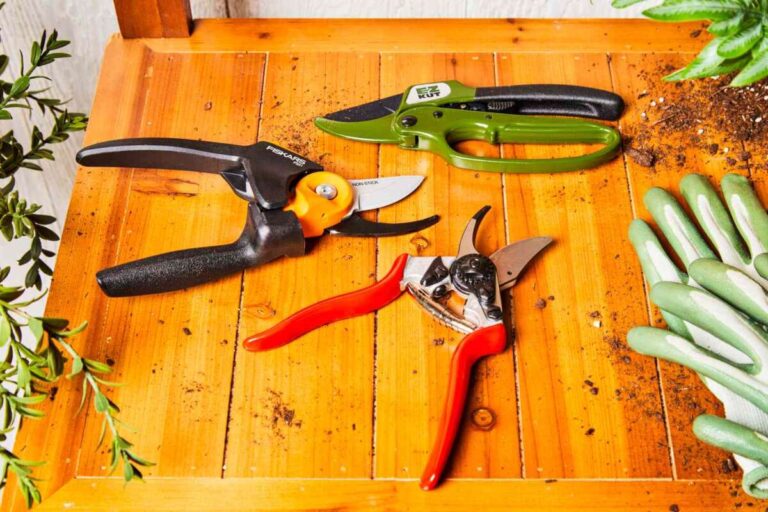
Pruning shears are also called hand pruners or secateurs. Most garden pruners have thick blades, strong handles, and a spring that opens the tool after each cut.
| Feature | Scissors | Pruning shears |
|---|---|---|
| Best use | Leaves and thin stems | Branches and firm stems |
| Blade size | Short and narrow | Thick and reinforced |
| Cutting power | Low to moderate | Moderate to high |
| Hand control | Good for fine cuts | Better for strong cuts |
| Risk of crushing | High on thick stems | Lower when used correctly |
| Ideal plants | Herbs and houseplants | Shrubs, roses, and trees |
The key issue is not only whether scissors can cut a stem. The real issue is whether they can cut it cleanly without crushing tissue.
A clean cut heals more easily. A crushed cut has torn edges that may dry out, invite pests, or create an entry point for disease.
When Scissors Are a Good Choice
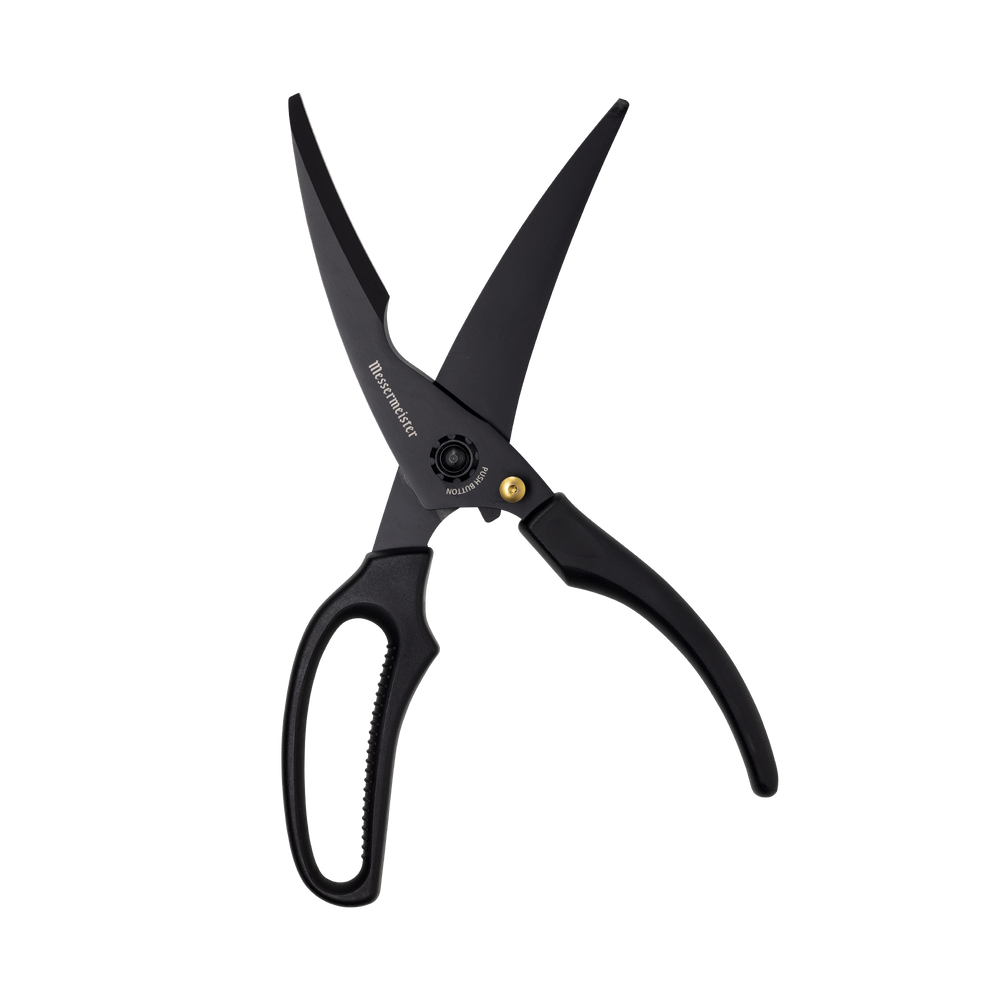
Scissors are useful for delicate work. They give you a close view of the plant and allow small, careful cuts.
Houseplants
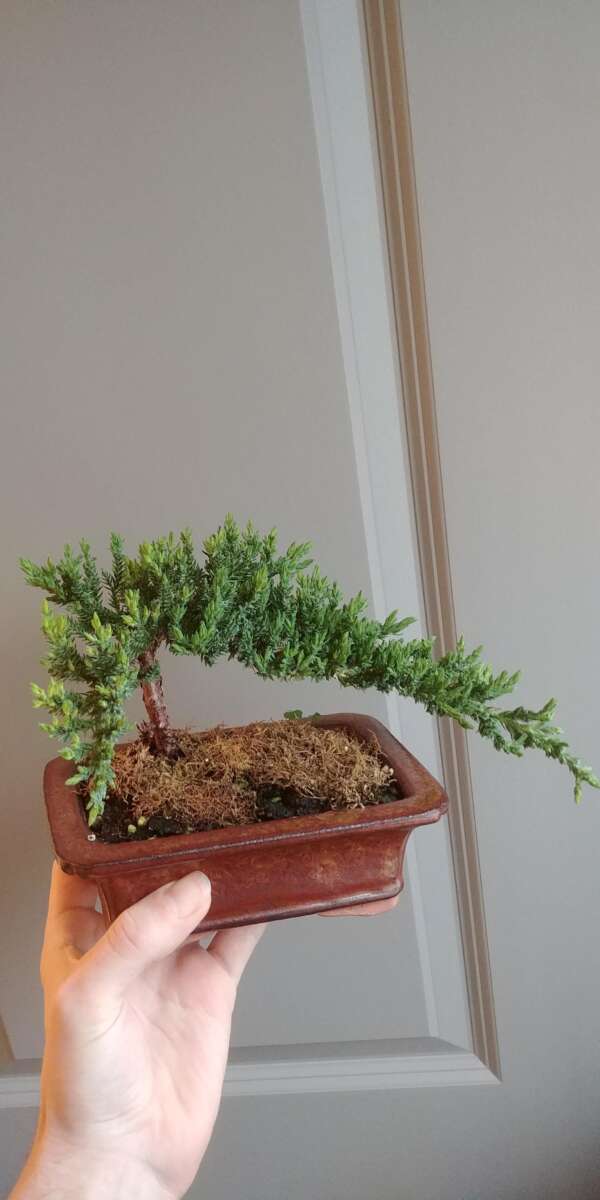
Scissors are often ideal for houseplants. You can remove yellow leaves, brown tips, spent blooms, and thin stems without carrying a large garden tool.
For example, scissors work well on pothos vines, spider plants, African violets, peace lilies, and many small herbs. Wipe the blades before moving from one plant to another.
Herbs and Soft Vegetables
Basil, parsley, cilantro, mint, lettuce, and chives have soft stems. Clean scissors can harvest these plants with little stress.
Cut herbs just above a leaf pair when you want the plant to grow bushier. Avoid pulling the stems, since pulling can damage nearby roots or branches.
Flowers and Deadheading
Small flowers often need regular deadheading. Scissors can remove faded blooms with precision.
Cut just above a healthy leaf or bud. This keeps the plant neat and may encourage more flowers, depending on the species.
Seedlings and Tender Growth
Young plants have thin stems that scissors can handle well. Use a gentle grip and avoid squeezing the stem before cutting.
For very small seedlings, fine-tip scissors may offer better control than large pruning shears.

When You Should Use Pruning Shears
Pruning shears are the better choice for tough, thick, or woody growth. They are designed to transfer force through the blades while keeping your hand stable.
Use pruning shears for:
• Rose canes
• Small tree branches
• Woody herbs such as rosemary and lavender
• Grape vines
• Berry canes
• Shrub stems
• Tough ornamental grasses
• Thick houseplant stalks
A bypass pruner is usually best for live branches. Its curved blade passes by a thicker blade, much like a pair of scissors. This creates a clean cut with less crushing.
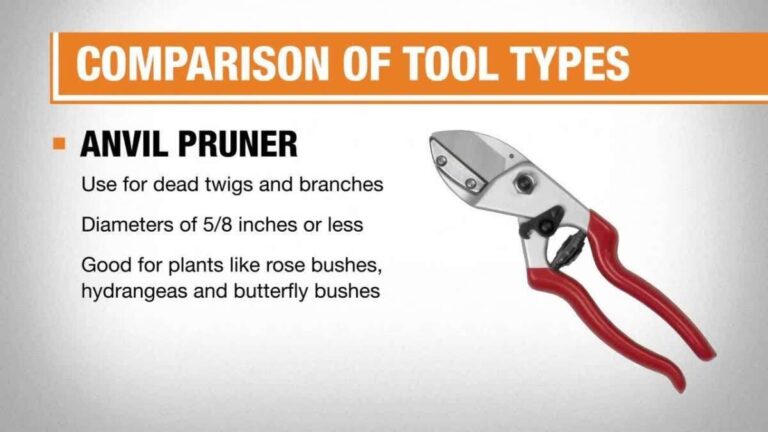
Anvil pruners have one sharp blade that closes against a flat surface. They can work well on dead wood, but they may crush living stems if used carelessly.
Choose a tool that matches the branch. Forcing scissors through a thick stem is like using a kitchen knife to split firewood. It may work once, but it is unsafe and hard on the tool.
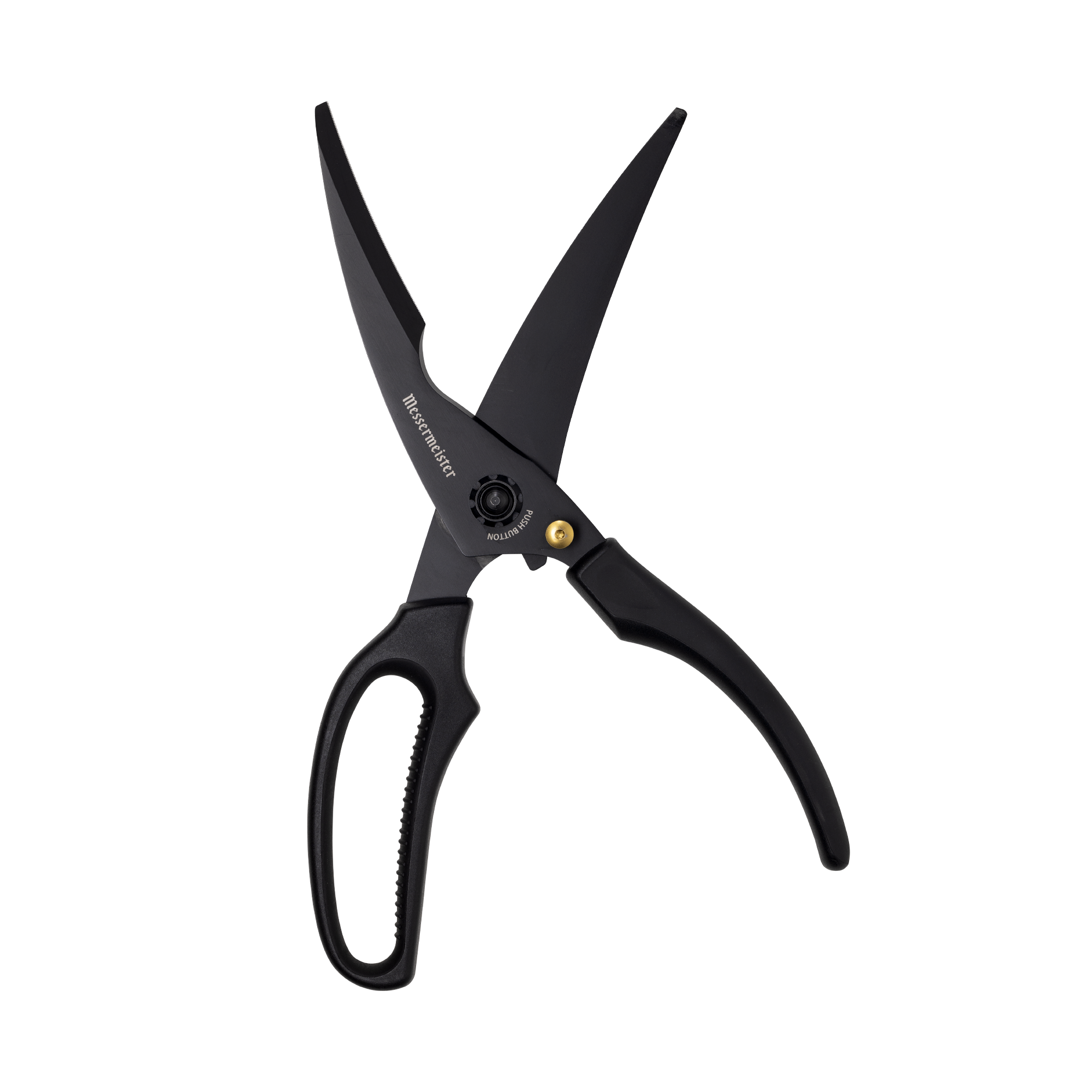
What Happens When You Use Scissors on Thick Stems?
Using scissors on thick stems can cause several problems. The blades may bend, become dull, or fail to close fully.
The plant may also suffer. Instead of making a clean cut, the scissors can pinch and tear the stem. The damaged area may take longer to dry and heal.
Common problems include:
• Crushed stem tissue
• Ragged cut edges
• Slower healing
• Increased risk of fungal infection
• Blades that become misaligned
• Hand strain or blisters
• A higher chance of slipping
In my own plant care, the most common mistake was trying to “just get one more cut” with a small pair of scissors. That final cut often left a rough stem and made the job harder than it needed to be.
Switch tools as soon as the blades begin to flex or the stem resists. A few seconds spent choosing the right pruner can prevent weeks of plant stress.
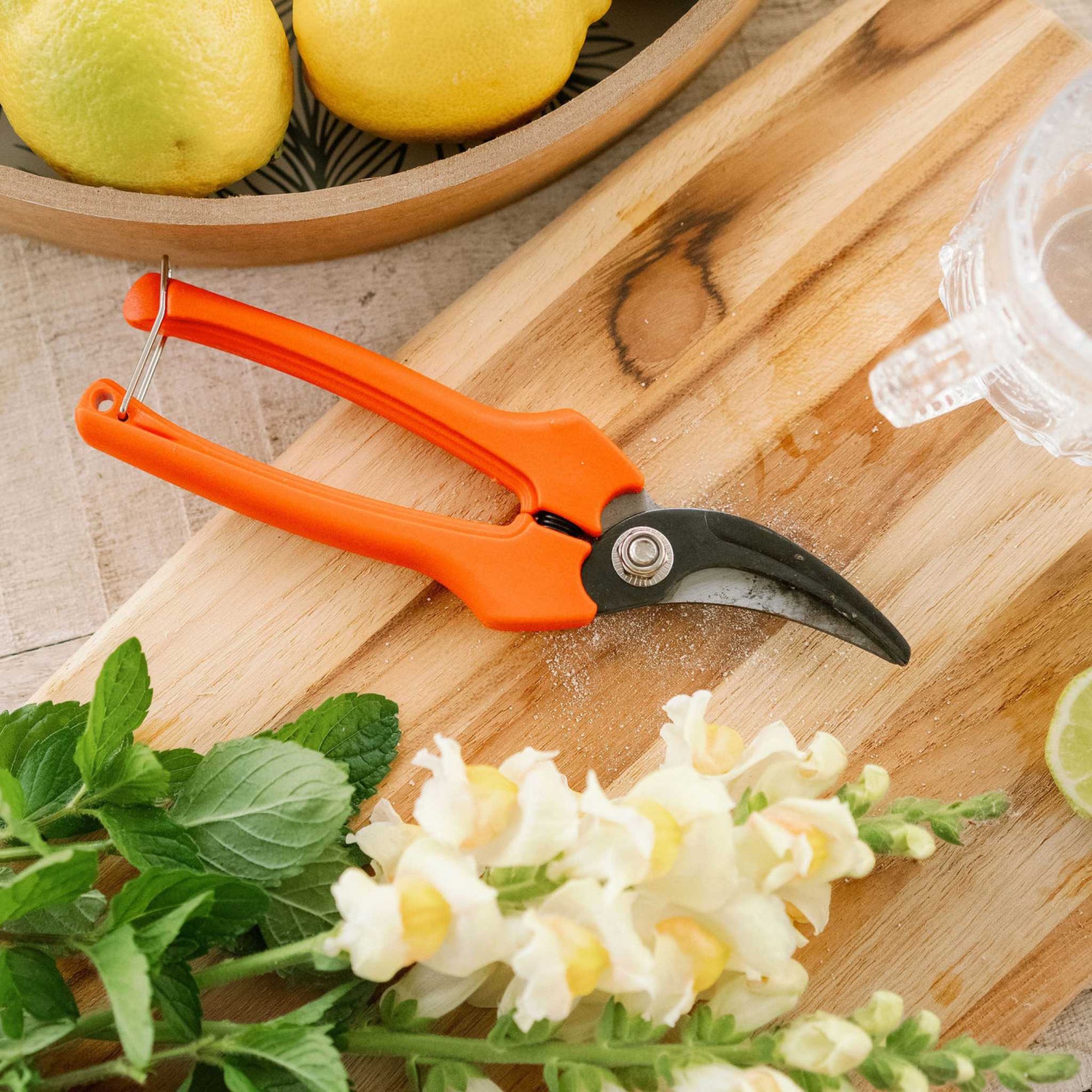
How to Use Scissors Safely on Plants
If you decide that can i use scissors instead of pruning shears is right for your task, prepare the tool first. Clean, sharp blades are more important than brand or price.
Follow these steps:
- Wash the blades with soap and water to remove dirt.
- Dry them fully to reduce rust.
- Wipe the cutting surfaces with a household disinfectant.
- Let the blades dry before cutting.
- Hold the stem steady without crushing it.
- Make one smooth cut.
- Clean the blades again after working on a diseased plant.
Do not use scissors that have sticky residue, rust, or loose handles. These flaws can make the cut uneven and increase the chance of injury.
Keep your fingers behind the blades. Cut away from your body, and store the tool closed or in a safe place.
Sanitation matters most when you move between plants. Some plant diseases can spread on tools through infected sap. Cleaning the blades between plants is a simple habit with a large benefit.

How Thick Can a Stem Be Before You Need Pruning Shears?
There is no single thickness that applies to every pair of scissors. Blade quality, stem toughness, and plant type all matter.
As a general guide, use scissors for soft stems up to about ⅛ inch thick. You may handle some soft stems close to ¼ inch, but stop if the blades crush or struggle.
Use pruning shears for woody stems and most stems over ¼ inch thick. For branches larger than about ¾ inch, you may need loppers or a pruning saw.
The cut should tell you when to stop. If the stem bends, splits, or needs repeated squeezing, scissors are no longer the right tool.
A clean cut should look smooth rather than mashed. When in doubt, choose the stronger tool with the correct blade style.

Can Kitchen Scissors Be Used for Gardening?
Kitchen scissors can be used in the garden if they are clean, sharp, and reserved for plant work. Avoid using the same scissors for food and plants, especially after cutting sap, soil-covered stems, or diseased material.
Kitchen scissors may work well for herbs, lettuce, flowers, and soft houseplant growth. They are less suitable for branches, thorny stems, and thick vines.
Keep a separate pair for gardening. Mark the handles or store them with your other plant tools so they do not get mixed with kitchen items.
Do not use paper scissors or craft scissors for pruning. Their edges may not be strong enough, and plant sap can damage their cutting performance.
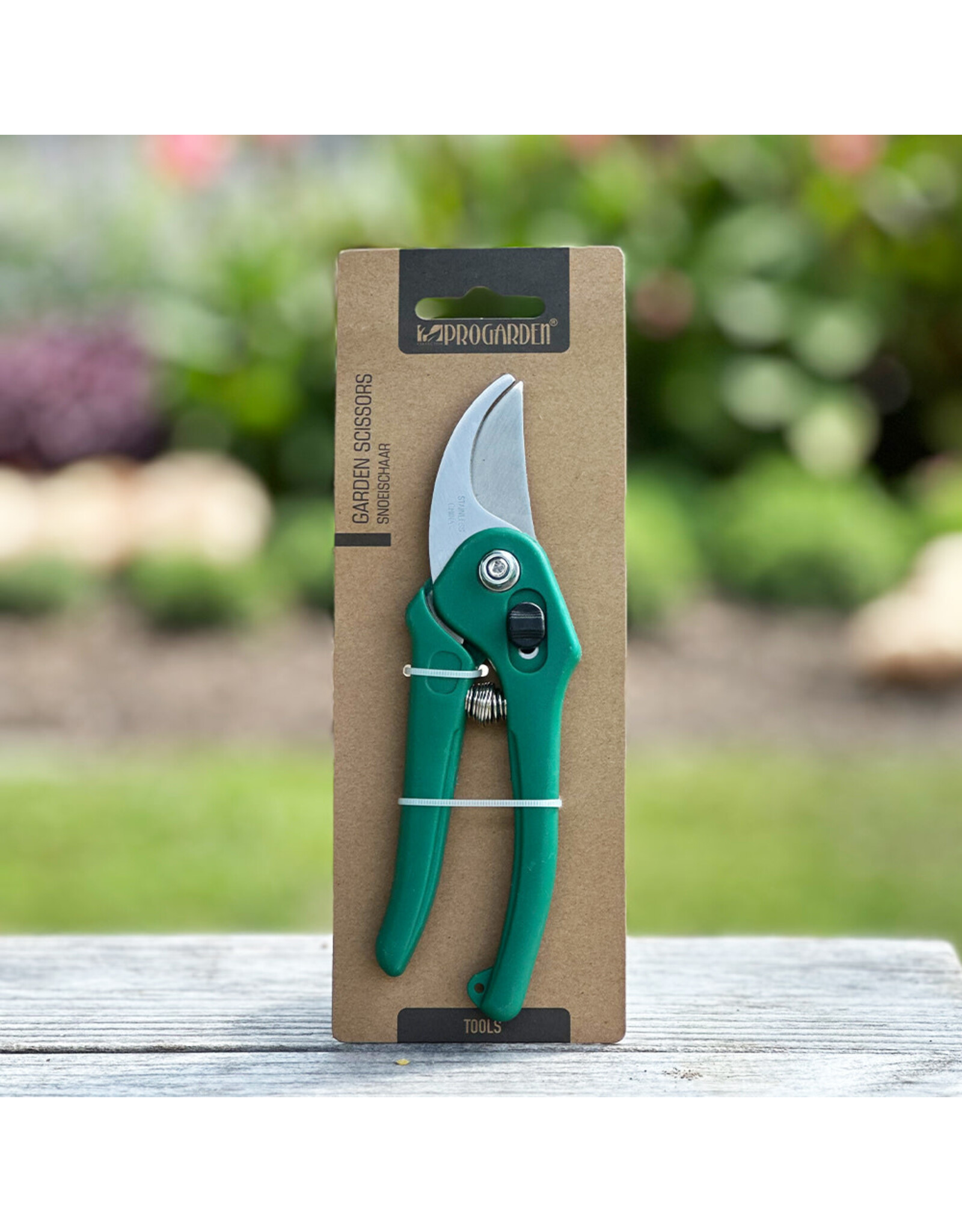
How to Make a Clean Pruning Cut
The quality of the cut matters more than the tool name. Even pruning shears can damage a plant when used at the wrong angle.
Use these practical tips:
• Cut above a healthy bud or leaf node.
• Keep the cut slightly angled when appropriate to help water run off.
• Avoid leaving long stubs.
• Do not cut so close that you damage the bud.
• Support weak stems with your free hand.
• Make one firm cut instead of several partial cuts.
• Remove broken or diseased tissue fully.
For most live branches, a bypass pruner gives the cleanest result. Place the cutting blade on the side that stays with the plant, then close the tool in one smooth motion.
Different plants have different pruning needs. Research the specific plant before making major cuts, especially with fruit trees, roses, and plants that bloom on old wood.
Scissors for Pruning: Common Mistakes to Avoid
Many gardeners search can i use scissors instead of pruning shears after reaching for the nearest tool. That is understandable, but a few mistakes can create avoidable problems.
Using Dull Scissors
Dull blades tear plant tissue. Sharpen them or replace them when they no longer make a smooth cut.
Cutting Diseased Plants Without Cleaning
Disease can move from one plant to another on dirty blades. Clean the scissors after every cut on infected growth.
Cutting Too Much at Once
Removing a large amount of foliage can stress a plant. In many cases, it is safer to remove no more than one-third of the growth at a time.
Ignoring Thorns and Sap
Thorns can injure your hands, while some plant sap can irritate skin. Wear gloves and avoid touching your face during pruning.
Using Force
If you need to squeeze hard, stop. The stem is likely too thick for scissors, or the blades may be dull.
Choosing the Right Pruning Tool
The best tool depends on the size and condition of the plant material.
Fine Scissors
Choose fine scissors for seedlings, herbs, flowers, and small houseplants. They offer precise control in tight spaces.
Bypass Pruners
Choose bypass pruners for live branches, roses, vines, and shrubs. They are the best general-purpose option for many home gardens.
Anvil Pruners
Choose anvil pruners mainly for dry or dead wood. They are powerful, but they can crush green stems.
Loppers
Choose loppers for branches that are too thick for hand pruners. Their long handles provide extra leverage.
Pruning Saws
Choose a pruning saw for large branches. Do not force scissors or hand pruners beyond their safe capacity.
A useful garden kit may include fine scissors, bypass pruners, loppers, and a small pruning saw. You do not need every tool on day one, but the right tool makes each cut safer and cleaner.
Expert-Backed Pruning Principles
Horticulture guidance commonly stresses three points: use sharp tools, sanitize them, and match the tool to the branch. These principles reduce tissue damage and limit the spread of plant pathogens.
Extension horticulturists also recommend pruning with a clear purpose. Remove dead, damaged, diseased, crossing, or unwanted growth rather than cutting at random.
Research on plant wounds shows that plants do not heal exactly like people. They seal and compartmentalize damaged areas. A clean, correctly placed cut supports this natural defense better than a ragged wound.
There are limits to general advice. Plant species, season, climate, and pruning goal can change the best method. For major tree work, contact a certified arborist rather than relying on household scissors or small pruners.
Frequently Asked Questions About Can I Use Scissors Instead of Pruning Shears
Can I use regular scissors to cut plant stems?
Yes, regular scissors can cut thin, soft stems, leaves, herbs, and flowers. They are not suitable for thick, woody, or tough stems because they may crush the plant and damage the blades.
Can I use scissors instead of pruning shears for houseplants?
Yes, scissors are often suitable for small houseplants. Use clean, sharp blades to remove brown leaves, thin vines, spent flowers, and soft growth.
Are scissors or pruning shears better for roses?
Pruning shears are better for roses because rose canes are often woody and may have thorns. Use sharp bypass pruners and wear gloves to protect your hands.
Can dirty scissors spread plant disease?
Yes, dirty scissors can carry sap and pathogens between plants. Clean and disinfect the blades before moving to another plant, especially after cutting diseased tissue.
What is the best tool for thick plant stems?
Use bypass pruning shears for many stems up to about ¾ inch thick, depending on the tool. Larger branches may require loppers or a pruning saw.
Can scissors damage a plant?
Scissors can damage a plant if they are dull, dirty, or used on stems that are too thick. A smooth cut on soft growth is usually safe, but crushed edges can slow recovery.
Should I use kitchen scissors on plants?
You can use kitchen scissors for plant work if they are clean, sharp, and kept separate from food tools. A dedicated gardening pair is safer and easier to maintain.
Conclusion
So, can i use scissors instead of pruning shears? Yes, when you are cutting thin, soft plant growth and using clean, sharp blades. For woody stems, thick branches, roses, shrubs, and tough vines, pruning shears are the safer and more effective choice.
Let the stem guide your decision. If the cut is smooth and easy, scissors may be enough; if the tool bends, crushes, or struggles, switch to the proper pruner. Build the habit of cleaning your tools, making precise cuts, and choosing equipment that fits the job.
Try these tips during your next pruning session, and share your plant-care results or questions in the comments.

Laura Bennett is a gardening writer at MyGardenLabs who creates beginner-friendly guides focused on solving common plant care and gardening problems.