Can You Trim A Tree When It Is Blooming: Best Advice
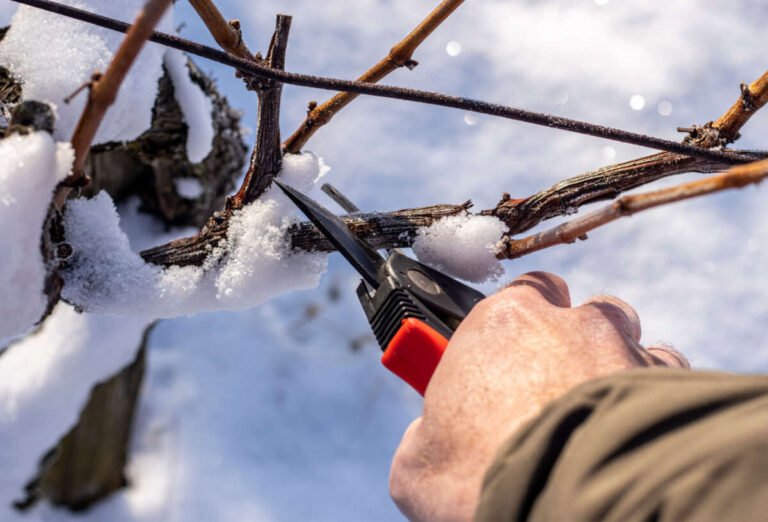
Yes, you can trim a blooming tree, but you usually should not do major pruning while flowers are open. The best choice depends on the tree species, the reason for pruning, the season, and whether the tree blooms on old or new wood.
For most flowering trees in the United States, wait until flowering ends before removing healthy branches. You can remove dead, broken, diseased, or dangerous limbs at any time, as long as the work is safe and the cuts are made correctly.
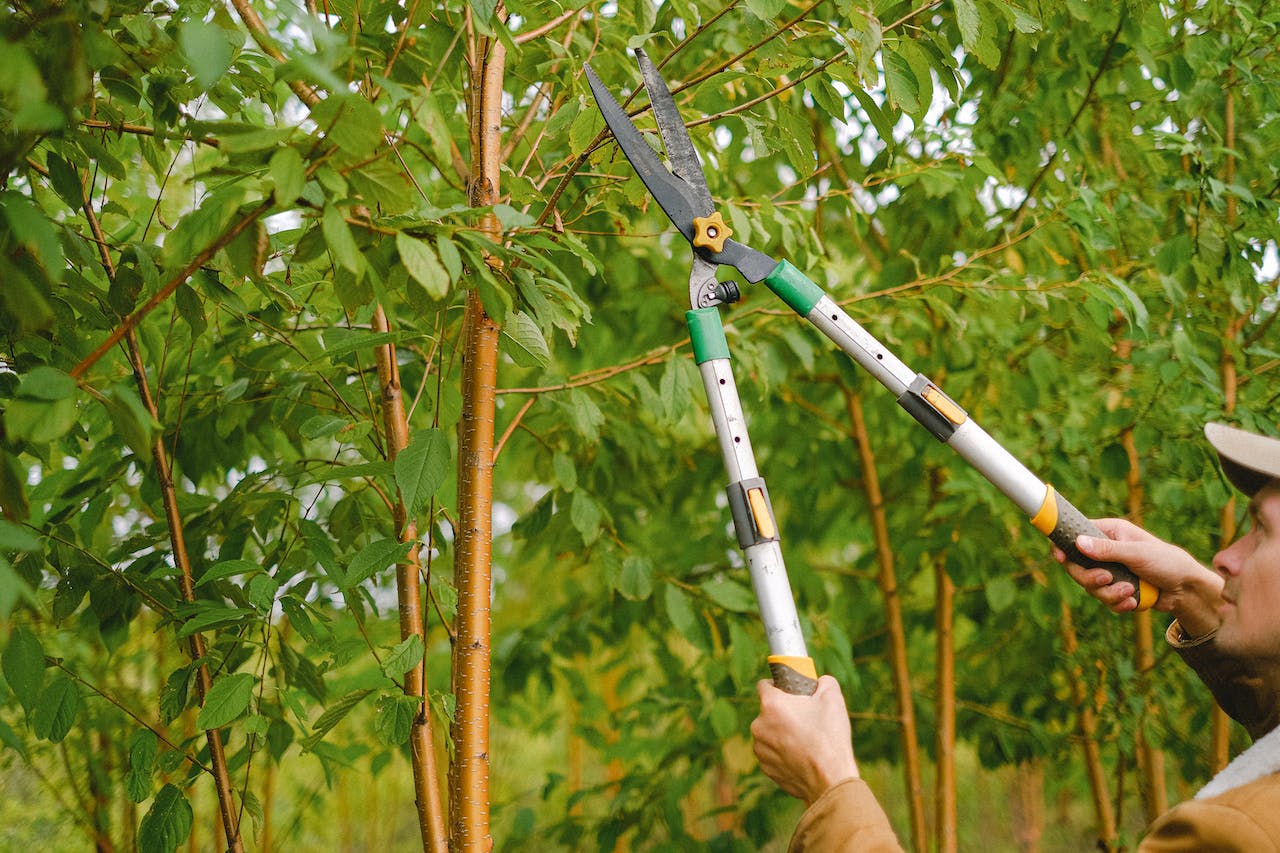
When You Can Prune a Blooming Tree
You can prune a tree during bloom when the work solves an urgent problem or involves only light trimming. Remove branches that are dead, badly damaged, diseased, or rubbing against a structure. Also address limbs that block roads, touch utility lines, or create an immediate safety risk.
Light pruning during bloom will not usually harm a healthy, established tree. However, it can remove flowers that the tree spent energy producing. Heavy pruning can also reduce food reserves and create large wounds during a time when insects and disease may be active.
Use this simple rule:
- Dead or hazardous branch: Remove it when needed.
- Small corrective cut: Usually acceptable during bloom.
- Large structural cut: Wait until the best pruning window for that species.
- Pruning for more flowers: Wait until you know whether the tree blooms on old or new wood.
- Pruning near power lines: Contact the utility company or a qualified arborist.
Do not confuse pruning with shearing. Pruning removes selected branches to improve structure, health, or clearance. Shearing cuts many branch tips at once and is rarely the right method for a mature flowering tree.
Why Bloom Time Matters
Blooming uses stored energy, and pruning changes how the tree uses that energy. A healthy tree can tolerate some cuts, but removing many branches at once can reduce leaf area and limit the tree’s ability to make food after flowering.
The timing also affects next year’s flowers. Some trees form flower buds on branches made during the current growing season. Others form buds months before they open, often on older wood.
Trees That Bloom on Old Wood
Trees that bloom on old wood set flower buds during the previous growing season. If you prune them after they form buds, you may remove many of next year’s flowers.
Examples often include:
- Flowering dogwood
- Eastern redbud
- Flowering crabapple
- Saucer magnolia
- Many ornamental cherries
- Many ornamental pears
- Azaleas and some other woody shrubs
For these plants, prune shortly after flowering if pruning is needed. This gives the tree time to grow new branches and form flower buds before the next season.
Trees That Bloom on New Wood
Trees that bloom on new wood form flower buds on growth produced during the current season. These trees are often pruned during late winter or early spring before new growth begins.
Examples may include:
- Crape myrtle
- Chaste tree
- Some summer-blooming trees and shrubs
The exact timing varies by species and climate. A tree that blooms on new wood in one region may respond differently if winter conditions, disease pressure, or local weather change its growth cycle.
Why Tree identification Comes First
A pruning calendar is not reliable unless you know the tree. “Spring” and “summer” are useful clues, but they do not identify the tree’s flowering habit.
Before making major cuts, confirm:
- The tree’s common and scientific name.
- Whether it blooms on old wood or new wood.
- Whether it is healthy enough for pruning.
- The best pruning season for your USDA hardiness zone.
- Whether local rules or utility restrictions apply.
A local county extension office, certified arborist, or reliable university plant database can help confirm the species.

When You Should Wait
Wait until flowering ends when the tree is healthy and there is no urgent reason to cut it. This is usually the best choice for routine shaping, crown thinning, size control, and removing branches that are merely inconvenient.
Waiting protects the current flowers and reduces the chance of cutting next year’s flower buds at the wrong time. It also lets you see the tree’s full shape, which makes it easier to choose sound cuts.
Delay pruning even longer if the tree is stressed by:
- Drought
- Flooding or waterlogged soil
- A recent transplant
- Severe insect damage
- A fungal or bacterial disease
- Construction root damage
- Recent storm injury
- Extreme heat or cold
A stressed tree has fewer resources for wound response and new growth. Water the root zone during dry periods if local conditions allow, but do not use frequent shallow watering as a substitute for proper care.
Situations That Need Prompt Action
Do not wait for the end of bloom when a branch creates a clear hazard. Examples include a cracked limb hanging over a driveway, a broken branch lodged in the canopy, or a limb resting on a roof.
Storm-damaged branches can shift without warning. Keep people and pets away from the area, and do not climb the tree to make a quick cut. If the branch is large, high, near a building, or close to electrical wires, call a qualified tree professional.
For branches near power lines, contact the utility company before trimming. In the United States, energized lines can cause fatal shock even when the branch itself does not look dangerous.
How to Trim a Flowering Tree Safely
If the cut is small and within reach from the ground, use clean, sharp tools and follow the tree’s natural branch structure. Do not remove large limbs simply to make the tree look more symmetrical.
1. Inspect the Tree From the Ground
Look for dead wood, hanging branches, cracks, weak forks, rubbing limbs, and branches that block a walkway or window. Check the ground for fallen branches and signs of recent storm damage.
Do not begin by cutting the largest branch. First decide whether pruning will solve the problem or whether the tree needs a professional inspection.
2. Choose the Smallest Useful Cut
A small branch is easier for a tree to close over than a large branch. Remove the least amount of live wood needed to correct the issue.
Avoid topping, which cuts major limbs back to stubs. Topping can cause weak shoots, decay, sun damage, and poor structure. It also does not reliably keep a tree small.
3. Cut Just Outside the Branch Collar
The branch collar is the slightly swollen area where a branch joins a larger limb or the trunk. Make the final cut just outside the collar without cutting into it.
Do not leave a long stub. Do not make a flush cut against the trunk. Both mistakes can slow wound closure and increase the risk of decay.
4. Use the Three-Cut Method for Larger Branches
For a branch too large for one safe cut, use three cuts:
- Make a small undercut on the lower side of the branch.
- Make a second cut from the top, a little farther from the trunk, to remove most of the branch.
- Make the final cut just outside the branch collar.
This method helps prevent the branch from tearing bark as it falls.
5. Clean Tools When Disease Is Possible
Clean tools between cuts when working on a tree with a known or suspected infectious disease. A household disinfectant or other labeled tool disinfectant may help, but follow the product label and allow the blade to dry before cutting.
Tool cleaning cannot make unsafe pruning safe. It also cannot cure an infected tree. If several branches show dieback, cankers, unusual lesions, or rapid decline, obtain a diagnosis before making many cuts.
6. Leave Wound Dressings Off
For most tree pruning cuts, do not paint or seal the wound. Research and professional guidance generally do not support routine wound dressings because they may trap moisture or interfere with the tree’s natural response.
The main exception is any specific treatment directed by a qualified plant health professional or a product label for a documented local problem.

How Much of a Blooming Tree Can You Remove?
For routine pruning, remove as little live growth as possible. A common professional guideline is to avoid removing more than about 25% of a mature tree’s live crown in one year, and less may be appropriate for stressed, young, newly planted, or poorly structured trees.
That figure is not a universal target. It is a caution against heavy pruning, not a recommendation to remove one-quarter of every tree.
Consider these factors:
| Tree condition | Safer approach |
|---|---|
| Healthy, mature tree | Make limited cuts for a clear purpose |
| Young tree | Use light structural training over several seasons |
| Recently planted tree | Remove only dead or damaged growth unless a professional advises otherwise |
| Drought-stressed tree | Delay nonessential pruning |
| Storm-damaged tree | Remove immediate hazards; seek an inspection for major damage |
| Tree with disease symptoms | Identify the cause before extensive pruning |
| Large tree near a building | Use a qualified arborist |
A tree may appear to need a lot of pruning because its canopy is dense. Thinning too much can expose bark and branches to intense sunlight, increase stress, and trigger vigorous but weakly attached shoots.
Should You Prune a Flowering Tree to Get More Flowers?
Usually, pruning at the wrong time reduces flowers rather than increasing them. Heavy cuts remove flower-bearing wood, while topping can produce many water sprouts that grow leaves but few useful flowers.
To encourage flowering:
- Prune spring-flowering trees soon after they finish blooming.
- Prune summer-flowering trees during the recommended dormant or late-winter window.
- Remove dead, crossing, and weak branches first.
- Avoid cutting healthy branch tips unless you know where flower buds form.
- Do not apply high-nitrogen fertilizer just to force growth.
Sunlight also affects flowering. A crowded canopy may need selective thinning, but this should be done gradually. Good pruning improves light and air movement without stripping the tree’s natural shape.
What About Fruit Trees in Bloom?
Avoid routine pruning of fruit trees during full bloom unless there is a clear management reason. Flowering is the stage when pollination and fruit set may occur, so unnecessary cuts can remove fruiting wood and reduce the crop.
Fruit-tree pruning depends on the type of tree and the training system. Apples, pears, peaches, plums, cherries, citrus, and other fruit trees do not all follow the same schedule.
Some light corrective work may be appropriate, but extensive pruning during bloom can:
- Remove flowers and developing fruit sites.
- Reduce the current crop.
- Create wounds when disease or insect activity is present.
- Change the balance between leaf growth and fruit growth.
If a fruit tree is young, overgrown, diseased, or damaged, use guidance for that specific crop and region. University extension services in the United States often publish crop-specific pruning calendars.
Can You Trim a Tree While Bees Are Visiting the Flowers?
Avoid pruning when many bees or other pollinators are actively working in the canopy. Pruning can disturb them, and any pesticide use creates a separate risk.
Choose a cool, calm time when pollinator activity is low, and never spray an insecticide on an actively blooming tree unless the product label specifically allows that use. Pesticide labels are legally enforceable in the United States.
Before cutting, check for:
- Honey bees
- Bumble bees
- Native solitary bees
- Wasps
- Bird nests
- Bats or other protected wildlife
A few bees do not mean you must leave a dangerous branch in place. They do mean you should plan the work carefully and avoid unnecessary disturbance.
Common Mistakes to Avoid
Pruning by the Calendar Alone
A date that works for a flowering cherry may be wrong for a crape myrtle or fruit tree. Use the tree’s species, flowering habit, and local weather as the guide.
Cutting Every Branch With Flowers
Flowers are not a sign of poor structure. Removing them simply because they are present wastes the tree’s stored energy and reduces its display.
Making Flush Cuts
A flush cut removes the branch collar and can create a larger wound than necessary. Leave the collar intact.
Topping the Tree
Topping creates stubs and weak regrowth. It may also make the tree more hazardous over time.
Using Dull Tools
Dull blades crush bark and make uneven cuts. Sharpen or replace tools before pruning.
Climbing With Household Equipment
Do not stand on a chair, roof, or unstable ladder to reach a branch. Do not use a chainsaw from a ladder. High or large branches require professional equipment and training.
Removing Too Much at Once
A tree is not improved by taking off every branch that looks inconvenient. Make a few purposeful cuts, then step back and reassess.
When to Hire an Arborist
Hire a qualified arborist when the tree is large, the work requires climbing, or the branch is near a home, road, or utility line. Professional help is also appropriate when you see a large crack, a split trunk, root damage, extensive decay, or widespread dieback.
Look for an arborist with recognized professional credentials, proof of insurance, and clear written estimates. In the United States, the International Society of Arboriculture maintains a directory of credentialed professionals, although a credential alone does not guarantee a particular result.
Ask the arborist:
- What problem does each proposed cut solve?
- How much live crown will be removed?
- Why is this timing appropriate for this species?
- Are there signs of decay or structural weakness?
- What work is urgent, and what can wait?
- How will branches near wires or buildings be handled?
Be cautious if a contractor recommends topping, removes large amounts of healthy wood without explanation, or claims that every pruning cut must be sealed.
Quick Decision Guide
Use this guide before you cut:
-
Is the branch dead, broken, or dangerous?
Remove it if you can do so safely. Otherwise, call a professional. -
Is the branch merely unattractive or inconvenient?
Wait until flowering ends and confirm the species’ pruning window. -
Is the tree a fruit tree?
Use crop-specific guidance before pruning during bloom. -
Does the tree bloom on old wood?
Prune after flowering to protect next year’s buds. -
Does the tree bloom on new wood?
Prune during the recommended dormant or late-winter period. -
Are bees, birds, or other wildlife using the tree?
Delay nonessential work and avoid pesticides during bloom. -
Is the tree tall, large, damaged, or near wires?
Hire a qualified arborist or contact the utility company.
Key Takeaways
- You can trim a blooming tree, but routine heavy pruning is usually best delayed.
- Remove dead, broken, diseased, or hazardous branches when needed.
- Prune spring-flowering trees after bloom if they flower on old wood.
- Confirm the species before choosing a pruning date.
- Never top a tree or make flush cuts.
- Keep pruning light on stressed or newly planted trees.
- Use a qualified professional for large trees, major damage, and work near power lines.
Frequently Asked Questions
Will trimming a blooming tree kill it?
Light, correct pruning usually will not kill a healthy tree. Heavy pruning, poor cuts, topping, or damage to the trunk can cause lasting harm and increase the risk of decay, pests, and stress.
Can I remove dead branches while a tree is flowering?
Yes. Dead branches can be removed at any time if the work is safe. Cut just outside the branch collar, and hire a professional if the limb is large, high, unstable, or near a power line.
What is the best time to prune a flowering tree?
The best time depends on when the tree forms flower buds. Many spring-flowering trees should be pruned soon after flowering. Many summer-flowering trees can be pruned during late winter or early spring, before new growth begins.
Should I prune a tree before or after it blooms?
For most spring-flowering trees, prune after it blooms. Pruning before bloom may remove the buds that would have produced flowers. For trees that bloom on new wood, dormant-season pruning may be better.
Can pruning during bloom stop a tree from flowering next year?
It can reduce next year’s flowers if the tree blooms on old wood and you remove branches carrying flower buds. Correct timing protects the buds that will open in the next season.
Conclusion
You can trim a tree when it is blooming, but the safest answer is usually “only when necessary, and only lightly.” Remove hazards and dead wood when needed, then wait for routine pruning until flowering ends or until the species’ recommended dormant-season window.
Identify the tree before making major cuts. When the tree is large, damaged, near utility lines, or difficult to reach, professional pruning is the safer choice.
Research and Reference Sources
- U.S. Department of Agriculture Plant Hardiness Zone Map
- U.S. Forest Service — Tree Pruning
- International Society of Arboriculture — Tree Care Information
- University of Minnesota Extension — Pruning Trees and Shrubs
- Penn State Extension — Pruning Ornamental Plants
- University of California Statewide Integrated Pest Management Program

Laura Bennett is a gardening writer at MyGardenLabs who creates beginner-friendly guides focused on solving common plant care and gardening problems.