Can I Prune My Trees In The Fall: Expert Pruning Guide
Yes, you can prune some trees in fall, but timing, tree type, and cut size matter.
As an arboriculture writer, I know fall pruning is not a simple yes-or-no choice. The best answer depends on your tree species, local climate, tree health, and the reason for pruning. This guide explains when fall pruning helps, when it can cause harm, and how to make clean, safe cuts.
Can I Prune My Trees in the Fall?
Yes, you can prune trees in fall, but light and targeted pruning is usually safest. Removing dead, broken, diseased, or dangerous branches is often appropriate at any time of year. Large structural cuts, however, may be better left until the tree’s dormant season.
Fall weather can feel ideal for yard work. The leaves drop, branches become easier to see, and cooler days make outdoor work more pleasant. Still, trees respond to pruning based on their growth cycles, not your calendar.
When asking, “Can I prune my trees in the fall?” first consider these factors:
• Tree species and age
• Your local hardiness zone
• The tree’s current health
• The size and purpose of the cuts
• Local pests and disease risks
• Whether the tree is still actively growing
In many parts of the United States, late winter is the best time for major pruning of mature deciduous trees. The tree is dormant, its branch structure is easy to inspect, and fresh wounds have time to begin closing before spring growth.

When Fall Tree Pruning Is Safe
Fall pruning is often safe when you remove small amounts of growth for a clear reason. The goal should be to improve safety or health, not to reshape the whole tree.
You can usually prune in fall when:
• A branch is dead or broken
• A limb hangs over a walkway, roof, or driveway
• A branch rubs against another branch
• Diseased wood must be removed
• A small branch blocks visibility
• Water sprouts or suckers need light control
• Storm damage creates an immediate hazard
Dead branches do not benefit the tree. They can break during wind or ice, and they may attract insects or decay fungi. Removing them is one of the safest forms of fall pruning.
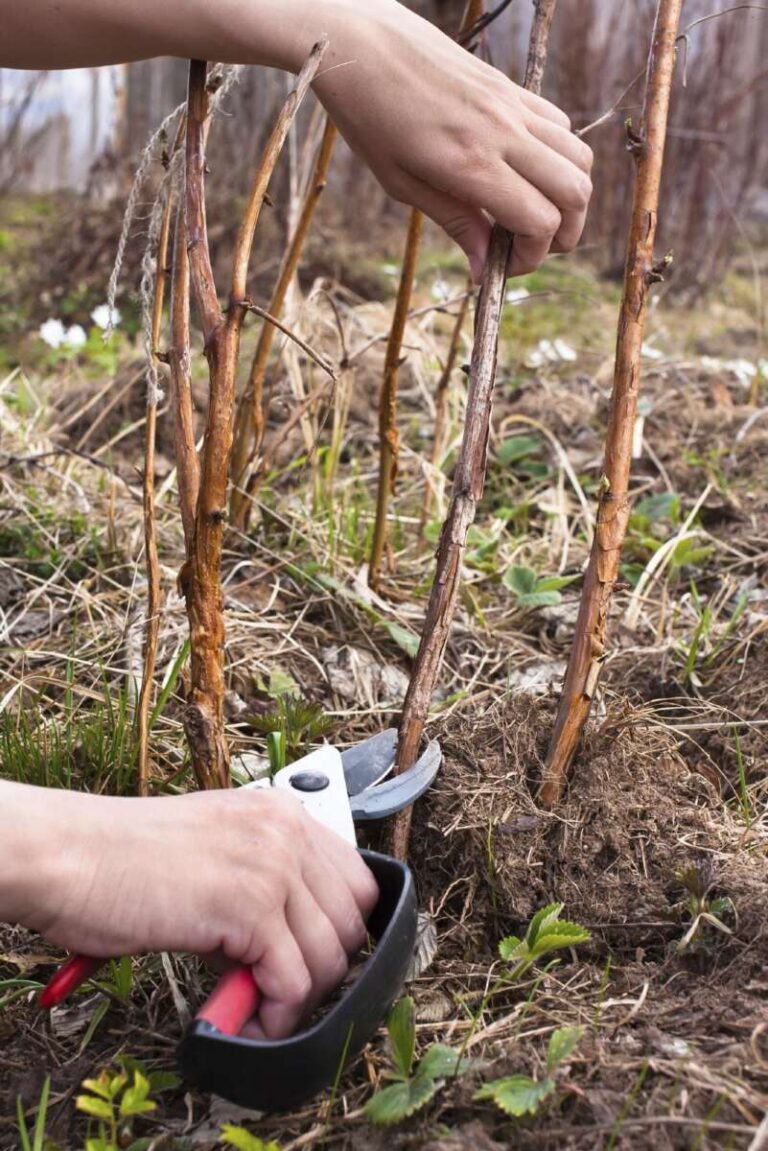
Use clean, sharp tools. Make a proper cut just outside the branch collar. The branch collar is the slightly raised area where a branch joins the trunk or a larger limb. Do not cut flush against the trunk, and do not leave a long stub.
For larger branches, use the three-cut method:
- Make a small undercut several inches from the final cut.
- Make a top cut farther out to remove most of the branch.
- Make the final cut just outside the branch collar.
This method helps prevent the branch from tearing bark from the trunk.

When You Should Avoid Pruning Trees in Fall
Fall is not always the right season for major pruning. Heavy cuts can trigger unwanted growth, expose sensitive tissue, or spread disease. The risk is higher when the tree is stressed or when pests remain active in your area.
Avoid major fall pruning when:
• The tree is still losing a large number of leaves
• The tree has drought stress
• The tree has a serious disease or insect problem
• You plan to remove many large branches
• Freezing weather is close
• The species is prone to fall disease infection
• You are pruning a newly planted tree without a clear need
Heavy pruning removes stored energy. A tree uses leaves to make food, then stores some of that energy in its roots and wood. Removing too much live growth can reduce those reserves before winter.
Fresh cuts may also attract insects or allow disease organisms to enter. This matters most in areas where fungal diseases or insect pests are active during fall. Oak trees, for example, may face oak wilt risks in some regions. Local guidance is important because disease pressure varies by state.
A common mistake is to treat fall as a universal pruning season. It is not. A light cleanup and a full canopy reduction are very different jobs.

Which Trees Can You Prune in the Fall?
Tree type matters more than many homeowners realize. Some trees tolerate fall pruning well, while others should receive only minor cuts until winter or another recommended season.
Deciduous shade trees
Many mature deciduous trees, such as oak, ash, honey locust, and elm, are best pruned during dormancy. Late winter often provides the clearest view of the branches and reduces stress from active growth.
Fall pruning can still remove dead, broken, or dangerous wood. Delay major shaping unless a certified arborist recommends it.
Maple trees
Maples may release sap after pruning. This can look alarming, but sap flow is usually not harmful to a healthy tree. If appearance matters, prune maples during the recommended dormant window for your region.
Fruit trees
Fruit trees need careful timing. Apple and pear trees are often pruned in late winter, while peaches, nectarines, cherries, and plums may have different needs based on climate and disease risk.
Fall pruning of fruit trees can remove flower buds or encourage weak growth. Always follow guidance for the specific fruit tree and your growing region.
Flowering trees and shrubs
Spring flowering trees set many flower buds on old wood. Fall pruning may remove next spring’s flowers. Examples include dogwood, magnolia, redbud, and ornamental cherry.
If these plants need shaping, prune them after flowering unless dead or hazardous branches require earlier removal.
Evergreen trees
Most evergreen trees need little pruning in fall. Remove dead or damaged branches, but avoid cutting into bare inner wood unless you know the species can produce new growth there.
Arborvitae, juniper, and spruce often respond best to limited cuts. Many evergreens do not replace growth from old, bare branches.

The Best Time to Prune Trees in Fall
If fall pruning is needed, choose the timing with care. In general, wait until the tree has entered dormancy, but do not wait until severe cold or ice is likely.
A useful sign is leaf drop. Once a deciduous tree has lost most of its leaves, its growth has slowed. However, leaf drop alone does not guarantee that every pruning task is safe.
The safest fall window often occurs:
• After most leaves have fallen
• During a dry period
• Before the ground freezes hard
• Before winter storms become common
• When insect activity is low
Local climate changes this window. In northern states, fall may be short, and late winter is often better for major work. In warmer states, trees may remain active longer, and pests may remain present through much of the season.
For this reason, “Can I prune my trees in the fall?” should always include the question, “What is happening in my local climate right now?”
Do not prune during wet weather. Wet bark and tools can increase the spread of some pathogens. Let the branches dry, and disinfect tools between trees if disease is suspected.

How Much Can You Prune in the Fall?
A healthy tree can usually tolerate light pruning better than heavy pruning. As a general rule, avoid removing more than about 10% to 25% of the live crown in one year. Younger or stressed trees may tolerate much less.
The exact amount depends on:
• Tree age
• Tree species
• Crown condition
• Root health
• Recent storms or construction
• Drought or heat stress
• The type of cut being made
Never remove the top of a tree to control its height. This practice, called topping, creates weak shoots and large wounds. It can also make the tree more dangerous over time.
Instead, reduce selected branches back to a strong lateral branch. A lateral branch should be large enough to support the remaining growth. If you are unsure, stop and seek professional advice.
A practical lesson from routine tree care is simple: make fewer cuts, but make better cuts. A small correction today is often safer than a dramatic makeover.

Proper Tools and Pruning Methods
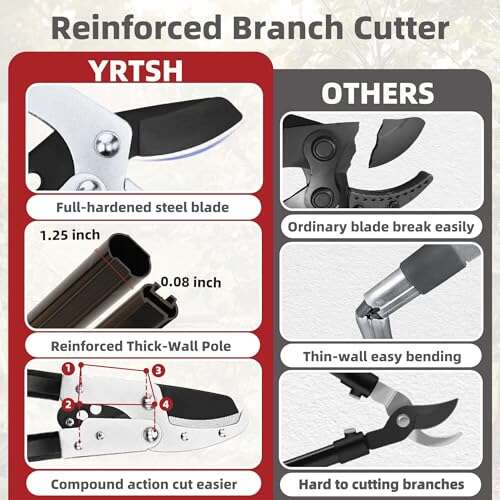
Good tools make safer cuts. Dull blades crush bark and leave ragged wounds that close slowly.
For basic fall pruning, you may need:
• Hand pruners for small twigs
• Loppers for medium branches
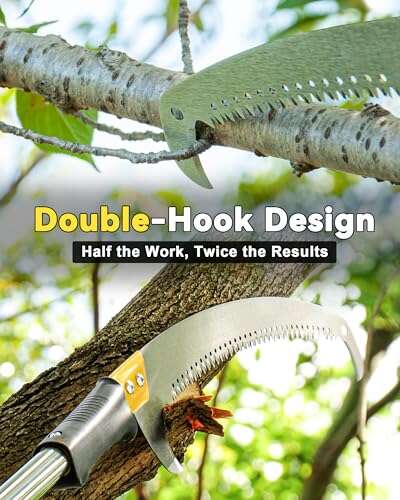
• A pruning saw for larger limbs
• Clean gloves and eye protection
• A disinfectant for tools
• A stable ladder only when appropriate
Avoid climbing a tree with a chainsaw. Do not prune near power lines. Utility-line pruning should be handled by trained professionals because one mistake can cause severe injury or death.
Clean tools before and after use. If you cut diseased wood, disinfect the blade before moving to another tree. Follow the product label and allow the tool to dry before cutting again.
Do not paint most pruning wounds. Modern tree-care guidance generally recommends proper cuts rather than routine wound paint. Some special disease situations may require specific treatment, but that decision should come from a local arborist or plant health expert.

Fall Pruning for Tree Health and Safety
Pruning can improve safety, airflow, clearance, and branch structure. It can also create problems when done without a plan.
Before cutting, walk around the tree and inspect it from several angles. Look for cracks, cavities, mushrooms near the base, loose bark, hanging branches, and branches touching structures.
Prioritize branches that:
• Are dead or partly dead
• Have cracks or weak unions
• Rub against another branch
• Touch a roof or utility line
• Block road or sidewalk visibility
• Hang over areas where people gather