Can I Trim Fruit Trees In The Fall: Pruning Guide
Yes, you can trim fruit trees in the fall, but timing and tree type determine whether it helps or harms.
Knowing whether you can trim fruit trees in the fall is key to avoiding winter damage, weak growth, and disease. The safest approach depends on the fruit species, your local climate, and whether you need light shaping or major pruning. This guide explains when fall pruning works, when to wait, and how to make clean, healthy cuts.
Can You Trim Fruit Trees in the Fall?
In many cases, you can trim fruit trees in the fall. However, fall is not always the best time for heavy pruning. Most deciduous fruit trees respond best to major pruning during late winter or early spring, while they are dormant.
Fall trimming can be useful for removing:
• Dead branches
• Broken limbs
• Diseased wood
• Water sprouts
• Branches that rub together
• Low limbs that create a safety risk
The main concern is new growth. Pruning can encourage a tree to produce tender shoots. These shoots may not harden before freezing weather arrives. Cold temperatures can then damage the new growth and leave the tree more open to pests and disease.
You can trim fruit trees in the fall more safely when you make only small, targeted cuts. Avoid removing large parts of the canopy unless a storm, disease, or safety concern makes it necessary.
A good rule is simple: use fall pruning for cleanup, not major tree remodeling.

The Best Time to Prune Fruit Trees
The ideal pruning time varies by fruit type and region. In general, late winter is the safest season for most apple, pear, peach, plum, and cherry trees.
Fall pruning
Fall pruning is best for limited work. Wait until most leaves have dropped, but do not wait until severe cold has arrived. The tree should be slowing down and entering dormancy.
Fall is a good time to:
• Remove damaged limbs after storms
• Cut out clearly diseased wood
• Remove dead branches
• Clear branches from roofs, paths, and power lines
• Remove suckers growing from the trunk or rootstock
Late winter pruning
Late winter is often the best time for structural pruning. The tree is dormant, the branch structure is easy to see, and fresh cuts have less time to attract some insects.
Pruning in late winter also lets you inspect the tree for winter damage. You can remove limbs that cracked under ice or snow before spring growth begins.
Summer pruning
Summer pruning can slow overly strong growth. It is often useful for removing water sprouts and controlling the size of vigorous apple and pear trees. However, it can expose fruit and limbs to sunburn if you remove too much foliage.
Your local climate matters. A mild fall in Oregon is different from an early freeze in Minnesota. When in doubt, contact a local county extension office for advice based on your hardiness zone.

Which Fruit Trees Can You Trim in the Fall?
Different fruit trees respond to pruning in different ways. The species, age, health, and climate all matter.
Apple and pear trees
You can trim fruit trees in the fall when they are apple or pear trees, but keep the work light. Remove dead, broken, diseased, or crossing branches after leaf drop.
Save major cuts for late winter. Heavy fall pruning may stimulate tender growth or reduce the tree’s stored energy before winter.
Apple and pear trees often produce water sprouts. These are fast-growing, upright shoots that shade fruit and crowd the center of the canopy. A few can be removed in fall, but a full cleanup is usually better during the dormant season.
Peach and nectarine trees
Peach and nectarine trees are more sensitive to cold injury. Avoid heavy fall pruning, especially in regions with harsh winters.
Remove damaged or diseased wood if needed, but wait until late winter for most shaping. In colder areas, pruning too early can expose large cuts to freezing temperatures.
Peach trees also fruit on one-year-old wood. Poor timing can remove the branches that would produce next season’s crop.
Plum and cherry trees
Plums and cherries need careful timing because large pruning wounds can invite disease. In many areas, pruning during dry weather in late spring or summer reduces the risk of some fungal infections.
Light fall trimming may be acceptable for dead or damaged branches. Avoid making many large cuts just before wet, cold weather.
Sweet cherries can become large and difficult to manage. Regular light pruning is safer than letting the tree become crowded and then removing a large amount at once.
Apricot trees
Apricots can be vulnerable to disease and winter injury. Limit fall pruning to necessary cleanup, such as removing broken or clearly diseased limbs.
A dry pruning day is best. Major shaping should follow local recommendations because apricot performance differs widely by climate.
Citrus and other evergreen fruit trees
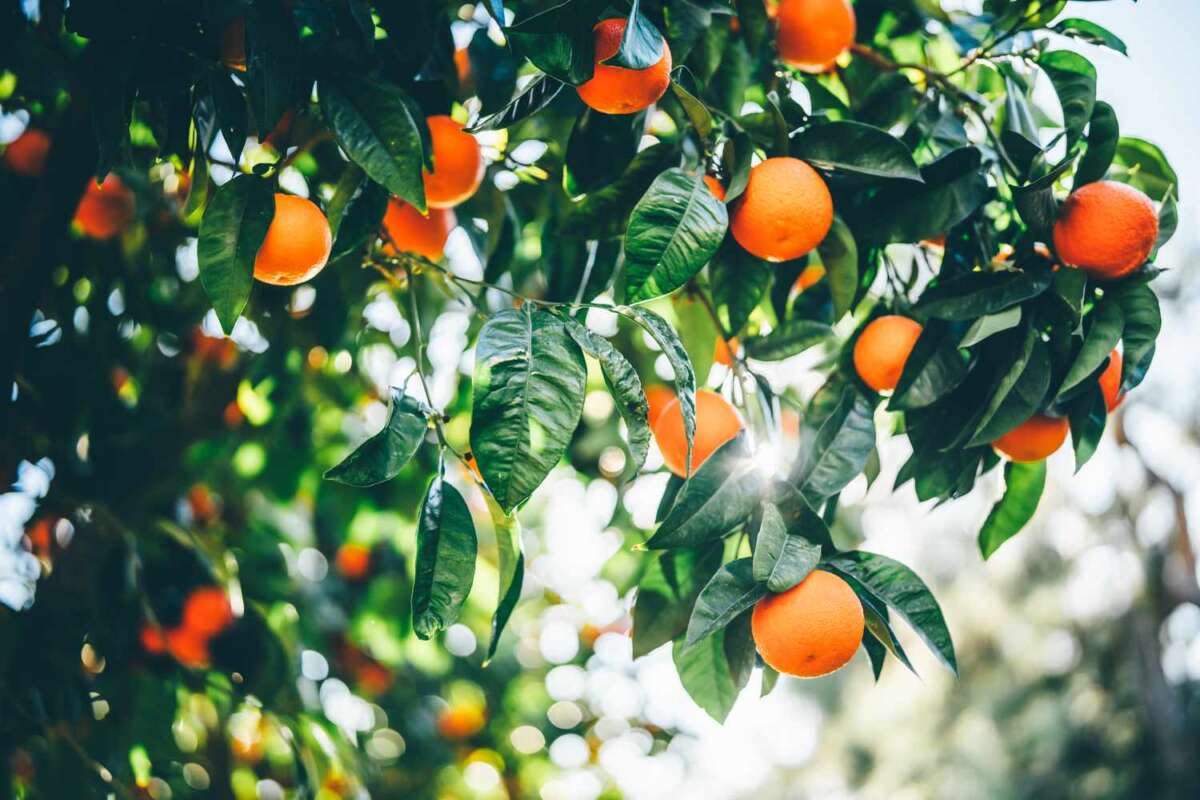
Citrus trees do not enter deep dormancy like apples or peaches. In frost-free areas, light pruning can happen after harvest or when damaged growth is easy to identify.
Do not prune citrus heavily before a freeze. Removing leaves can expose branches and fruit to cold injury and sunburn.
Avocado, olive, and other evergreen fruit trees also need climate-specific care. In frost-prone regions, protect the canopy rather than opening it too much before winter.

When You Should Not Trim Fruit Trees in the Fall
There are times when the answer to “can I trim fruit trees in the fall?” should be no, or at least not yet.
Avoid pruning when:
• The tree still has strong new growth
• A hard freeze is expected within days
• The weather is wet for long periods
• The tree is stressed by drought
• The tree has a serious pest problem
• You would remove more than about 15 to 20 percent of the canopy
• You cannot identify the branch collar clearly
• The tree is very young and needs its leaves for energy storage
Do not prune a tree simply because it looks messy in autumn. Leaves hide branch structure, and it is easy to remove productive wood by mistake.
Also avoid topping. Topping means cutting large limbs back to stubs. It creates weak shoots, large wounds, and an unattractive shape. A tree should be reduced with proper branch cuts, not chopped flat across the top.
If a large branch threatens people, buildings, or power lines, safety comes first. Hire a certified arborist for hazardous work.

How to Trim Fruit Trees in the Fall Safely
If fall pruning is appropriate, use a careful process. The goal is to make clean cuts while keeping the tree’s natural structure.
1. Inspect the tree first
Walk around the tree and look for dead, broken, rubbing, or diseased branches. Mark the limbs you want to remove before picking up your tools.
Ask yourself whether each cut solves a real problem. Unnecessary cuts create wounds without adding value.
2. Use clean, sharp tools
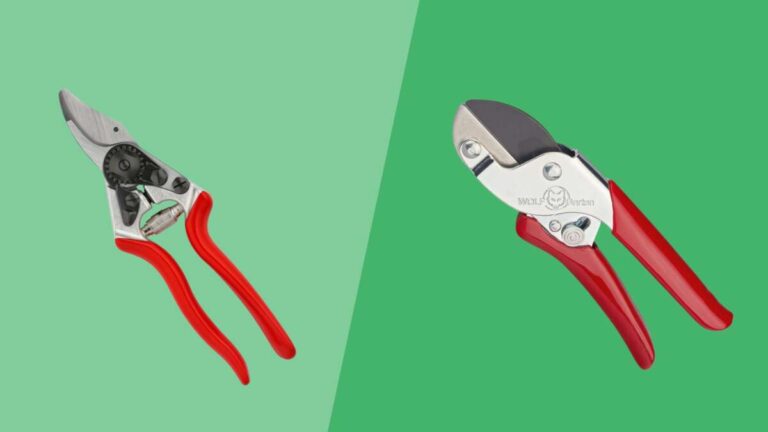
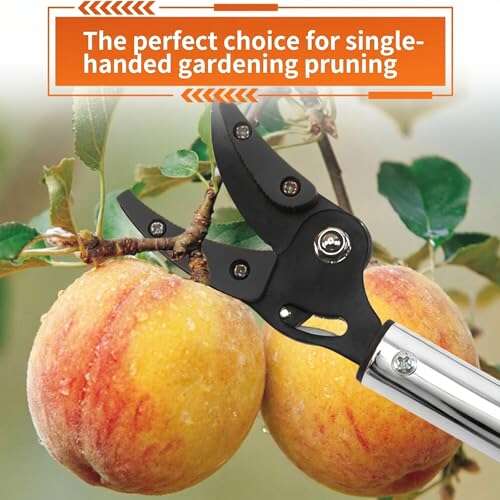
Use hand pruners for small twigs, loppers for medium branches, and a pruning saw for larger limbs. Sharp tools make smooth cuts and reduce crushing.
Clean tools between trees, especially when working with diseased wood. Wipe blades with a household disinfectant or an appropriate sanitizing solution. Follow product directions and let the tool dry before cutting.
3. Remove damaged and diseased wood
Cut diseased branches back to healthy wood. The cut surface should show clean, sound tissue rather than dark streaks or decay.
Do not leave a long stub. Stubs die back and can attract insects. Do not cut flush against the trunk, either. Make the cut just outside the branch collar, which is the slightly swollen area where the branch joins the trunk.
4. Remove crossing branches
Branches that rub can lose bark and create entry points for disease. Remove one of the competing branches, usually the weaker or less useful one.
Keep branches with wide attachment angles when possible. Very narrow, V-shaped joints are often weak, while wider U-shaped joints tend to be stronger.
5. Keep cuts small
Small cuts heal more easily than large cuts. If a branch is too large to remove safely with a hand saw, consider waiting until the proper pruning season or hiring a professional.
Do not paint routine pruning wounds. Research and extension guidance generally find that wound dressings do not improve natural healing and may trap moisture or interfere with the tree’s defense system.
6. Clean up the debris
Remove pruned wood from beneath the tree. This is especially important when branches show signs of disease or insect activity.
Do not compost diseased wood unless your compost system reaches temperatures high enough to destroy the pathogen. Bag or dispose of infected material according to local rules.

Common Fall Pruning Mistakes
The most common mistake is doing too much. Many homeowners see a crowded tree and try to fix it in one afternoon. That can remove fruiting wood, expose the trunk, and trigger vigorous shoots the next season.
Another mistake is cutting at the wrong place. A cut made too close to the trunk can damage the branch collar. A cut made too far away leaves a stub. Both problems slow natural healing.
I have seen this mistake often: a gardener removes every upright shoot because the tree looks cleaner afterward. The next year, the tree produces even more vigorous shoots. Removing the worst offenders and saving major thinning for late winter usually gives better results.
Other errors include:
• Pruning during wet weather
• Using dull or dirty tools
• Removing fruit spurs without recognizing them
• Cutting healthy branches because they look old
• Leaving large stubs
• Topping the tree
• Ignoring the tree’s rootstock and mature size
• Pruning young trees too heavily