What Are Bypass Secateurs Used For: Uses And Tips
Bypass secateurs are hand tools used to make clean cuts through small, living branches, stems, and twigs.
Understanding what are bypass secateurs used for helps you choose the right tool, protect plant health, and avoid rough cuts. These compact pruners are a favorite among gardeners because their curved blades work like scissors, making neat cuts with less crushing. In this guide, you will learn where bypass secateurs work best, where they struggle, and how to use them safely.
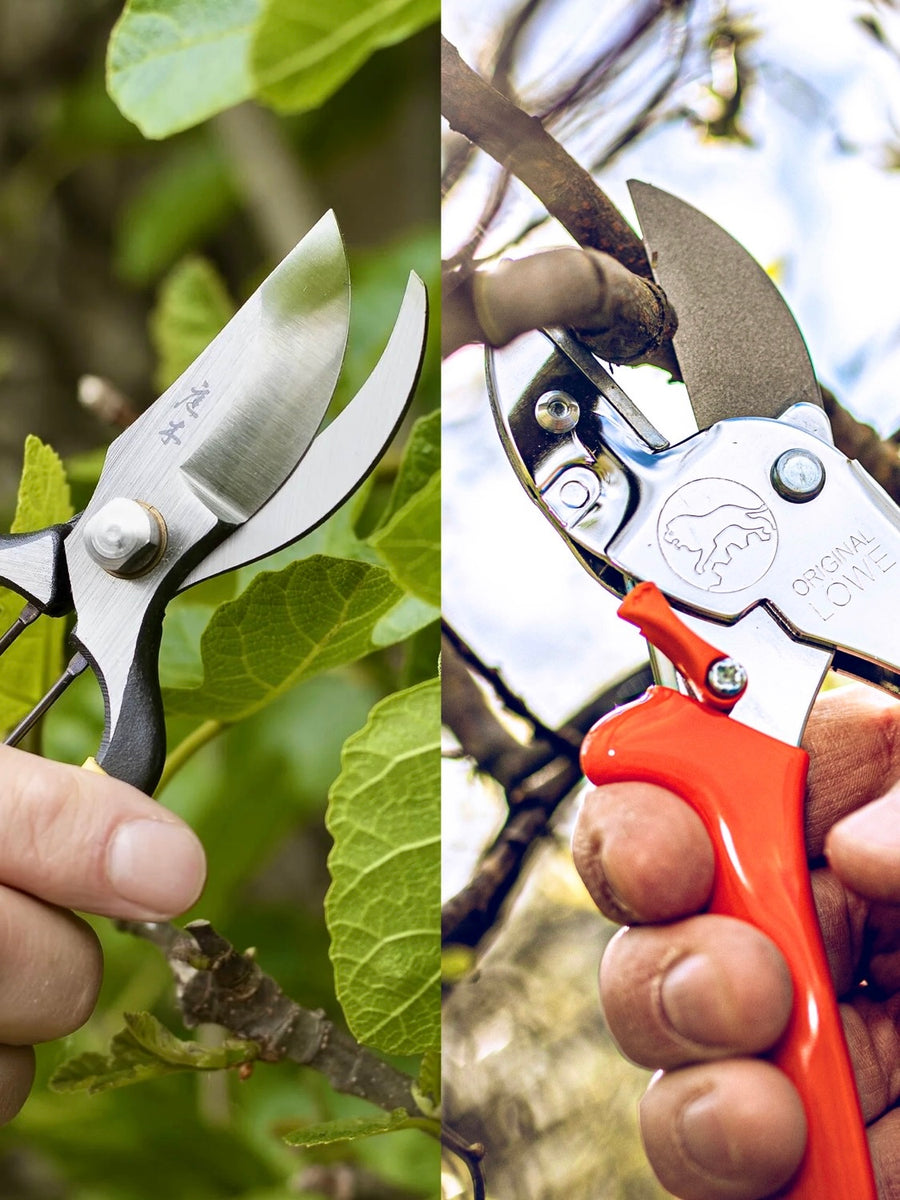
What Are Bypass Secateurs?
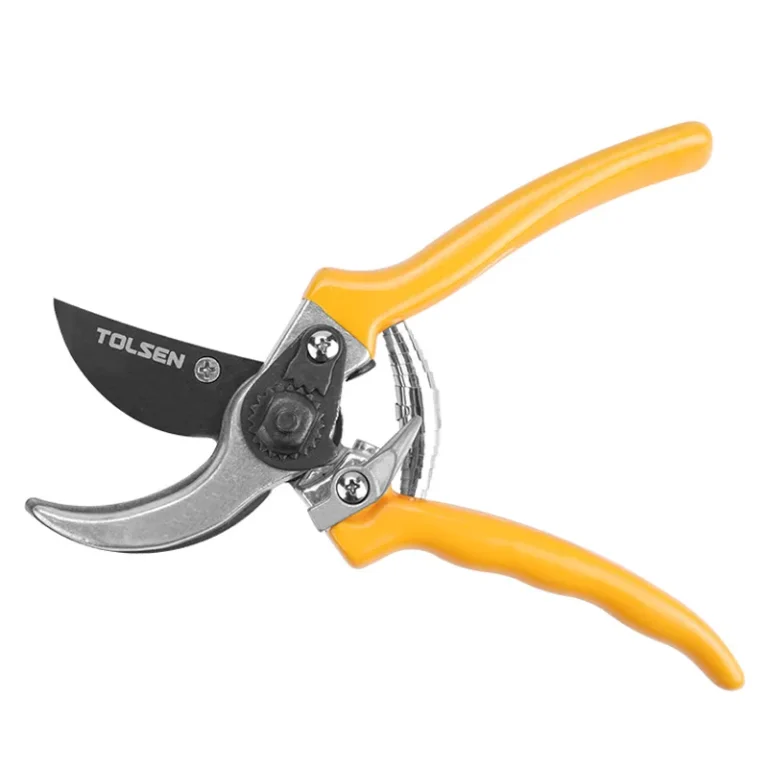
Bypass secateurs are small pruning tools with two curved blades that pass by each other. One blade is sharp and thin, while the other is thicker and supports the branch during the cut.
This action is much like a pair of scissors. The sharp blade slices through the stem instead of pressing it against a flat surface. As a result, bypass secateurs usually leave a cleaner wound than anvil-style pruners.
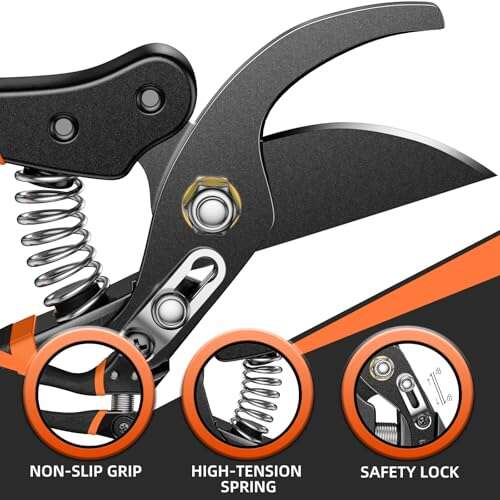
Most bypass secateurs have these parts:
• A sharp cutting blade for slicing through plant tissue
• A supporting counter blade that passes the cutting blade
• Handles with grips for comfort and control
• A spring that opens the handles after each cut
• A locking catch for safe storage
• A tension or blade adjustment system on some models
The answer to what are bypass secateurs used for is mainly fresh, green growth. They are made for small branches and stems that need a precise, clean cut.

What Are Bypass Secateurs Used For?
Bypass secateurs are used for pruning, shaping, and maintaining plants with small, flexible stems. They are especially useful when the cut must be accurate and gentle.
Here are the most common uses.
Pruning live branches
Bypass secateurs are ideal for cutting live wood on shrubs, trees, vines, and ornamental plants. The sharp blade can make a smooth cut without heavily crushing the branch.
A clean cut helps the plant seal the wound more easily. It can also reduce the chance of torn tissue, which may attract pests or allow disease to enter.
Removing dead or damaged growth
Gardeners often use bypass secateurs to remove small dead, broken, or diseased stems. Cut back to healthy wood when possible, and clean the blades after cutting diseased material.
Do not cut through thick, dry branches simply because bypass secateurs can fit around them. Hard wood can damage the blade or strain your hand.
Deadheading flowers
Deadheading means removing faded flowers. Bypass secateurs are useful for cutting flower stems just above a healthy leaf set or side bud.
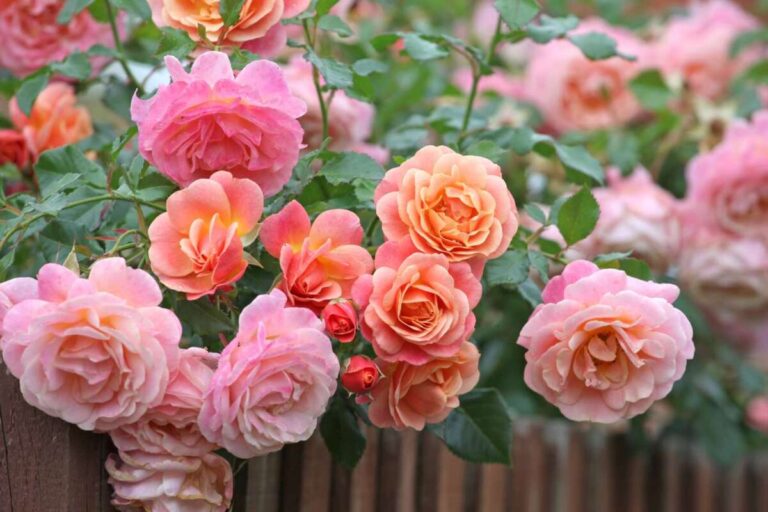
This keeps plants looking tidy and may encourage more blooms. Roses, lavender, dahlias, and many flowering shrubs benefit from regular deadheading.
Shaping shrubs and small plants
You can use bypass secateurs to control the size and shape of small shrubs. They are better for selective pruning than for cutting an entire hedge.
For example, you can remove one long shoot from a hydrangea or shorten a wayward rose stem without disturbing nearby growth.
Pruning fruit trees
Bypass secateurs are commonly used on young fruit trees and small fruiting branches. They can remove water sprouts, crossing shoots, suckers, and weak growth.
Good pruning improves light and air movement within the canopy. However, larger fruit tree limbs require loppers or a pruning saw.
Harvesting herbs, vegetables, and fruit
Many gardeners use bypass secateurs to harvest crops without pulling or tearing the plant. They work well for:
• Herbs such as rosemary, basil, and sage
• Grapes and small fruits
• Peppers and tomatoes
• Cut flowers
• Soft stems on vegetable plants
A clean cut is often kinder to the parent plant than twisting or snapping the stem by hand.

How Do Bypass Secateurs Work?
Bypass secateurs work through a sliding cut. As you close the handles, the sharp blade moves past the thicker blade and slices the stem between them.
The stem is supported as the blade moves through it. This reduces crushing and produces a more controlled cut. Think of the blades as two train tracks meeting at one point rather than a hammer pressing down on a nail.
For the best result, place the branch deep in the cutting area. Avoid using only the tips of the blades for thick stems, as this can create extra pressure and reduce control.
The blade should usually face the part of the branch you want to keep. This helps you make a clean cut close to a bud or branch collar without damaging nearby tissue.
The best cutting position
Use these steps for a clean pruning cut:
-
Find a healthy bud or side branch.
-
Position the sharp blade slightly above the bud.
-
Angle the cut so water can run away from the bud.
-
Close the handles in one smooth motion.
-
Check the cut for crushing, tearing, or split bark.
Do not leave a long stub unless you have a specific reason. Stubs can die back and may become entry points for pests and disease.

Bypass Secateurs vs. Anvil Secateurs
The main difference between bypass and anvil secateurs is how the blades meet.
Bypass secateurs have two blades that pass each other. Anvil secateurs have one sharp blade that closes against a flat surface called an anvil.
Bypass secateurs
Bypass secateurs are best for:
• Live green stems
• Fresh branches
• Precise pruning
• Roses and flowering plants
• Young fruit trees
• Cuts near buds and branch joints
They are usually the better choice when plant health and cut quality matter.
Anvil secateurs
Anvil secateurs are more suited to:
• Dead wood
• Very hard stems
• Dry branches