What Is Carbon Steel Transplanter Used For: Uses And Benefits
A carbon steel transplanter is used to move seedlings into soil, create planting holes, and place young plants with care.
Understanding what is carbon steel transplanter used for helps gardeners, farmers, and landscapers choose the right hand tool for safe, accurate planting. This guide explains its main uses, benefits, limits, care needs, and best practices based on common horticultural methods and field experience with hand planting tools.
What Is a Carbon Steel Transplanter Used For?
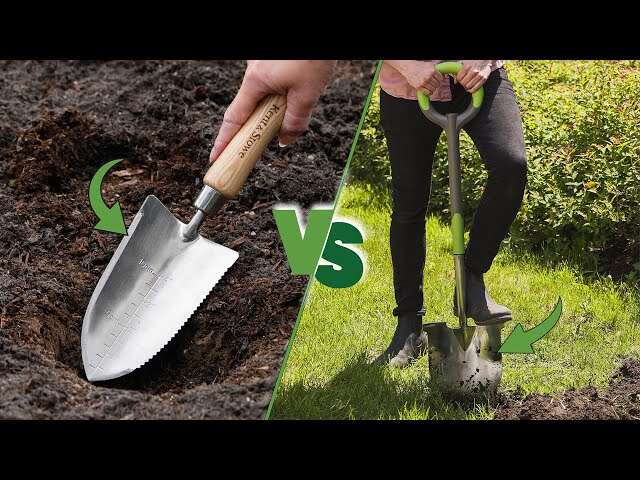
A carbon steel transplanter is a narrow hand tool used to plant seedlings, bulbs, herbs, flowers, and small vegetable starts. It usually has a pointed metal blade that enters the soil with little effort.
The tool helps you make a small hole, guide a plant into place, and firm soil around its roots. Unlike a wide garden trowel, its slim shape works well in tight spaces and near existing plants.
The answer to what is carbon steel transplanter used for also includes transplanting young plants from trays, nursery pots, or garden beds. It gives the gardener more control than using a large shovel or digging fork.

Main Uses of a Carbon Steel Transplanter
A carbon steel transplanter has several practical uses in home gardens, nurseries, raised beds, and small farms.
Planting Seedlings
The most common use is planting young seedlings. The narrow blade makes a hole that is close to the size of the root ball. This reduces loose soil around the roots and helps the plant stand upright.
It works well for:
• Tomato and pepper seedlings
• Lettuce and spinach starts
• Marigolds, petunias, and other flowers
• Herb plants such as basil, parsley, and cilantro
• Small strawberry plants
When considering what is carbon steel transplanter used for, seedling planting is the main purpose. The tool is especially useful when plants must be spaced in neat rows.
Transplanting Small Plants
A transplanter can lift or move small plants with less root disturbance than a broad tool. You can use it to loosen soil around a seedling before lifting it from a crowded tray or garden bed.
Still, the blade is not designed for large root balls. A shovel or nursery spade is safer for shrubs, trees, and mature perennials.
Planting Bulbs and Small Tubers
The pointed end can make holes for small bulbs. It is useful for crocuses, snowdrops, garlic cloves, and similar crops.
For large bulbs, a bulb planter may work better. The transplanter gives more control, but it may take longer when planting many bulbs across a large area.
Weeding Around Young Plants
Some gardeners use the narrow blade to loosen shallow-rooted weeds. This works best when the soil is moist and the weeds are small.
Use care near crop roots. A sharp blade can cut healthy roots as easily as it cuts weeds.
Working in Containers and Raised Beds
A carbon steel transplanter fits well in pots, window boxes, and raised beds. Its narrow blade can reach between plants without disturbing a large area.
This makes it useful for intensive planting, where crops grow close together and every inch of soil matters.

Why Carbon Steel Is Used for This Tool
Carbon steel is an iron-based metal with a higher carbon content than mild steel. Tool makers use it because it can be strong, stiff, and easy to sharpen.
A well-made carbon steel blade can enter firm soil without bending. That strength matters when planting in compact garden beds or clay-rich soil.
The material also holds a sharp edge well. A sharp point creates a clean planting hole and needs less force from your hand.
However, carbon steel can rust. It needs more care than stainless steel, especially when it stays wet or is stored in a damp shed.
The practical value of what is carbon steel transplanter used for depends on both the metal and the tool design. A strong blade is helpful, but a poor handle, weak connection, or thin metal can still make the tool uncomfortable or unsafe.

Carbon Steel Transplanter Benefits
A carbon steel transplanter offers several benefits for routine planting work.
• Strong digging action: The blade can break through firm soil better than many lightweight plastic tools.
• Accurate planting: The slim point helps create holes at a consistent depth.
• Good root control: You can work close to roots without opening a wide trench.
• Long service life: Properly cared-for carbon steel can last for many seasons.
• Easy sharpening: A dull edge can often be restored with a file or sharpening stone.
• Compact storage: Most models fit in a small tool box or garden shed.
• Lower hand strain: A sharp, narrow blade reduces the force needed for small planting jobs.
One important lesson is that sharpness often matters more than size. A small sharp tool may perform better than a large dull one because it enters the soil cleanly.
How to Use a Carbon Steel Transplanter Correctly
Using the tool correctly protects both the plant and your hands. Follow these basic steps:
-
Water dry soil before planting. Moist soil is easier to open and causes less stress to young roots.
-
Check the root ball. Remove the plant gently from its tray or pot without pulling hard on the stem.
-
Make a hole with the transplanter. The hole should be deep and wide enough for the roots to spread without bending sharply.
-
Set the plant at the right depth. Most vegetable seedlings should sit at a depth similar to their original growing level, though some plants, such as tomatoes, can tolerate deeper planting.
-
Backfill with fine soil. Avoid leaving large air pockets around the roots.
-
Press the soil lightly. Firm the soil around the plant without crushing it.
-
Water the plant. Water helps settle the soil and reduces transplant shock.
-
Clean the blade. Remove soil before storing the tool.
The best answer to what is carbon steel transplanter used for is not just “digging holes.” It is also about placing each plant at the correct depth with minimal root damage.
Choosing the Right Transplanter
Not every carbon steel transplanter has the same design. Look at these features before buying one.
Blade Shape
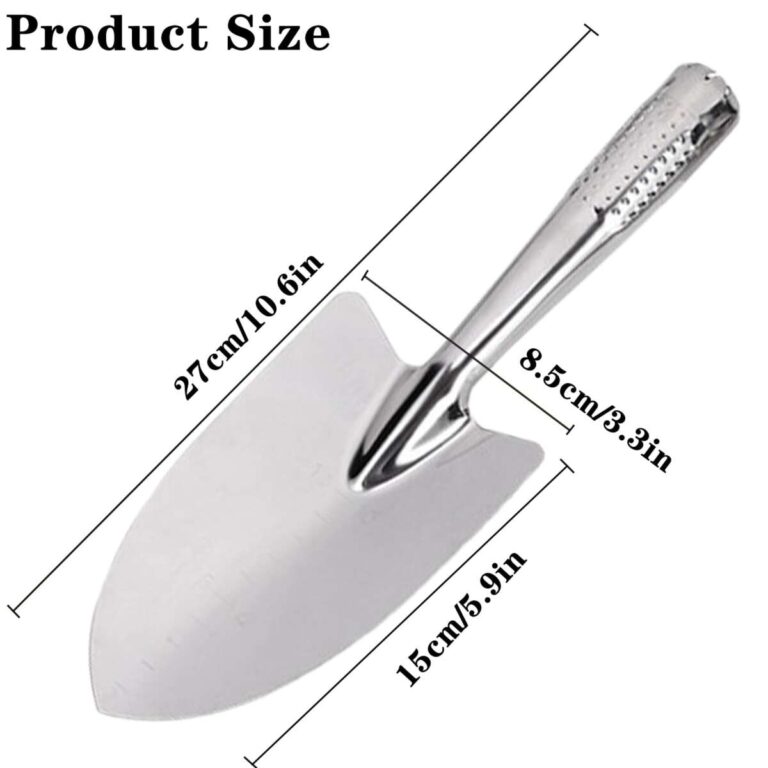
A narrow, pointed blade suits seedlings and small bulbs. A slightly wider blade works better in loose soil and for larger starts.
Look for a blade with smooth edges and no deep dents. Rough welds or sharp flaws can damage roots and weaken the tool.
Blade Markings
Depth markings can help you plant seeds and seedlings at a consistent level. They are useful for crops that need even spacing and depth.
Markings may fade over time, so use them as a guide rather than a permanent measuring system.
Handle Design
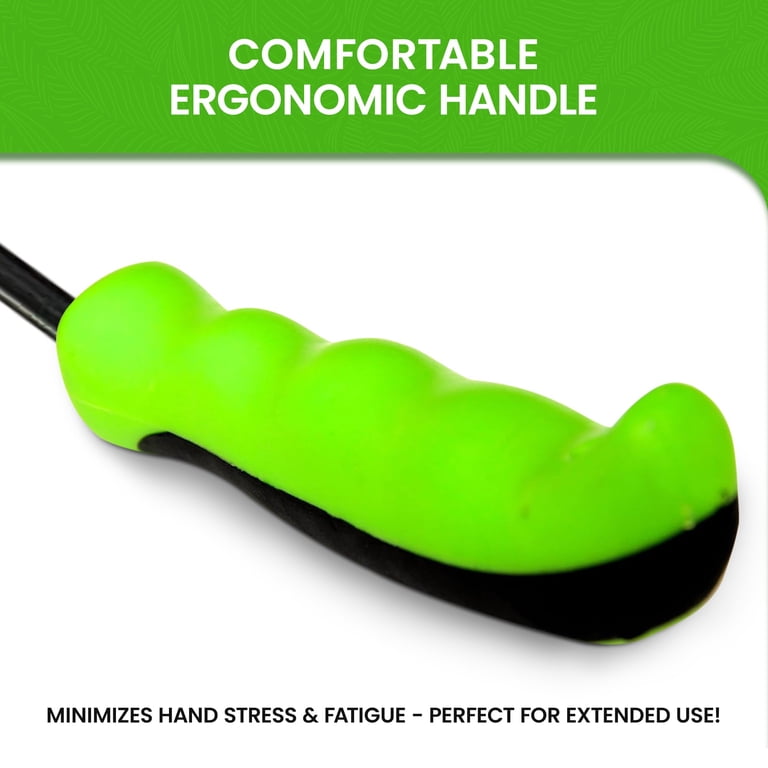
A comfortable handle should provide a firm grip without sharp edges. Wood, rubber, and molded plastic handles each have advantages.
Choose a handle that fits your hand. A handle that is too short may force your wrist into an awkward angle.
Tang and Joint
The tang connects the blade to the handle. A full tang or strong socket usually offers better durability than a thin connection.
Check that the blade does not wobble. Movement at the joint can waste effort and cause injury.