How To Use A Crack Weeder: Easy Step Guide
Use a crack weeder by loosening weeds at the root, pulling them out, and clearing the joint before regrowth starts.
Learning how to use a crack weeder is simple, but good results depend on the right tool, timing, and technique. I have found that small details—such as working after rain and brushing out loose soil—make a big difference. This guide explains the process clearly, along with safety tips, tool choices, common mistakes, and ways to keep weeds from returning.
What Is a Crack Weeder?
A crack weeder is a narrow gardening tool made to remove weeds from tight spaces. These spaces often include cracks in sidewalks, driveways, patios, brick paths, and stone walls.
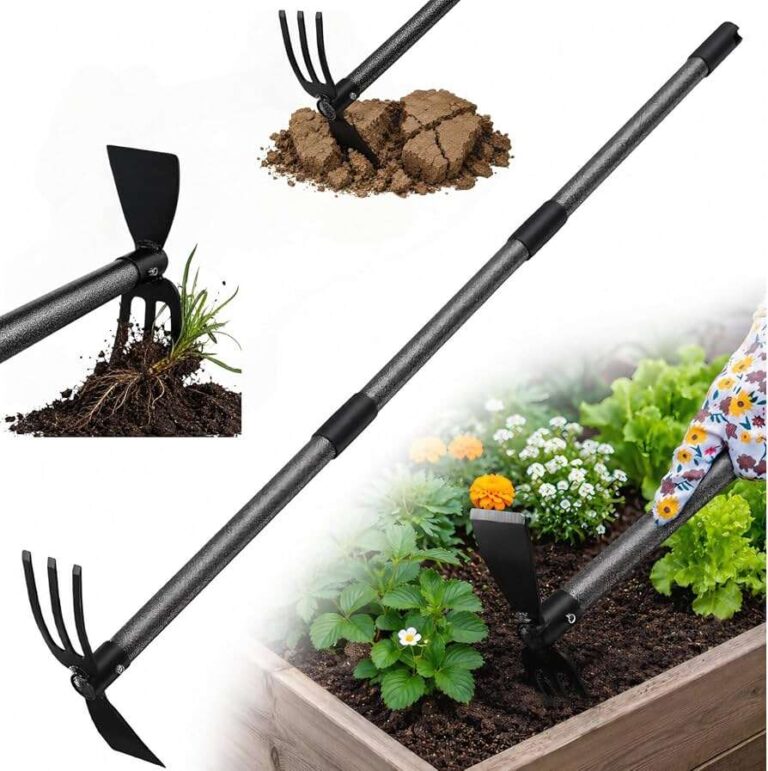
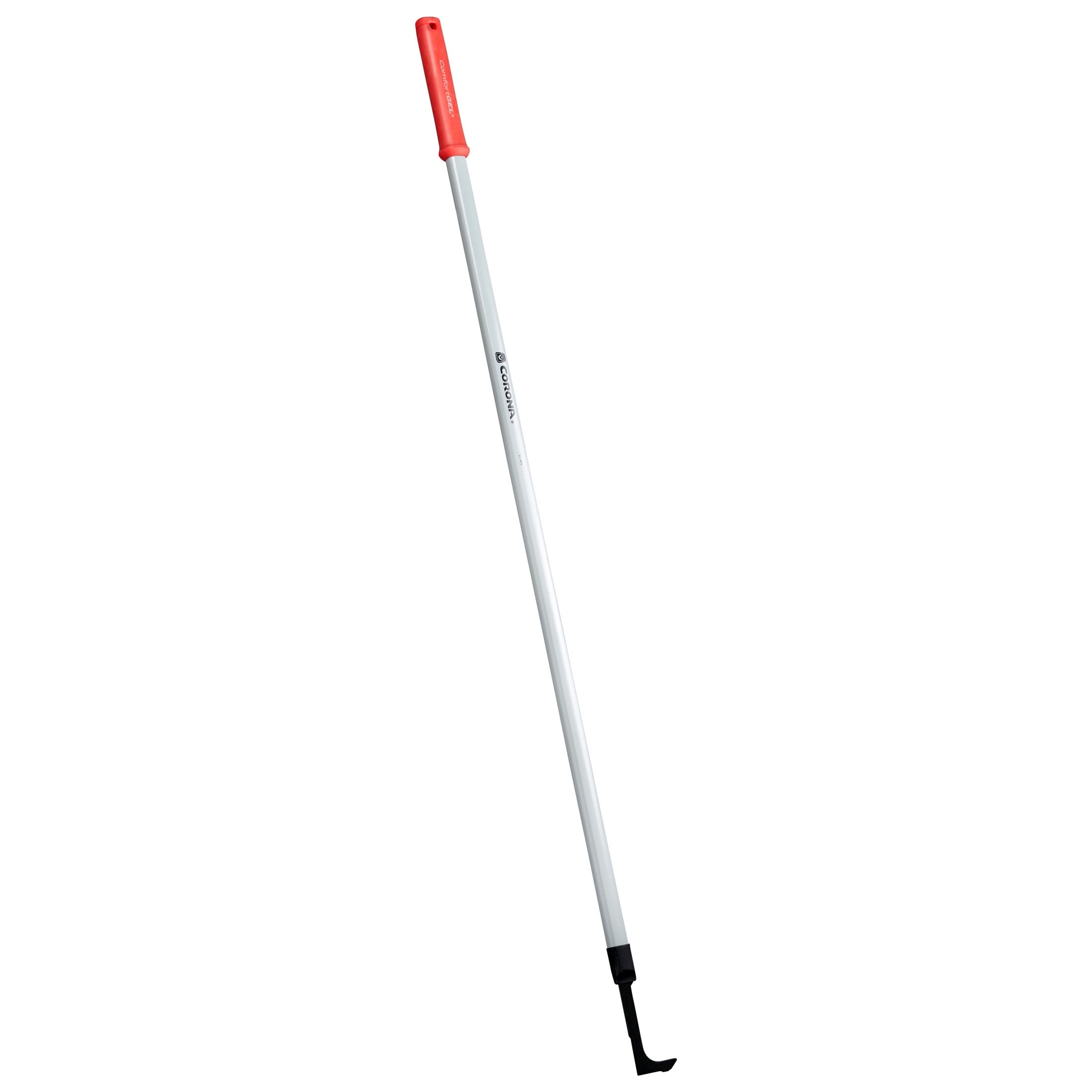
Most crack weeders have a thin metal blade, hook, or angled tip. The tool fits into a joint where a normal hoe or hand trowel cannot reach. Some models have short handles, while others have long handles for easier work while standing.
The goal is not only to cut off the visible leaves. Effective weed removal means reaching below the crown and removing as much of the root as possible.
Crack weeds often grow because wind carries seeds into small gaps. Dust, sand, and fallen leaves then collect around the seeds. Over time, the crack becomes a tiny garden.
Using a crack weeder helps by:
• Removing weeds without spraying chemicals
• Clearing soil and plant debris from joints
• Reducing competition between weeds and nearby plants
• Improving the appearance of hard surfaces
• Slowing future weed growth when followed by joint maintenance

Choose the Right Crack Weeder
Knowing how to use a crack weeder starts with choosing a tool that matches the surface and weed type. A thin blade works well for narrow concrete joints. A hooked tool can be better for roots that spread beneath pavers.
Consider these common types:
Handheld crack weeder
A handheld model gives you strong control and good visibility. It works well for small patios, steps, and a few stubborn weeds.
Its main drawback is bending or kneeling for long periods. Use knee pads or a small garden seat to protect your joints.
Long-handled crack weeder
A long-handled tool lets you work while standing. It is useful for large driveways and people who have trouble bending.
The handle may reduce control in very narrow cracks. Use slow movements so you do not chip the edge of a paver or scrape a finished surface.
V-shaped weeder
A V-shaped blade can slide under a weed crown and lift it out. This design is useful when the root sits close to the surface.
Hook-style weeder
A hook can pull out grass runners, creeping weeds, and roots that grow sideways. It is especially useful in brick and stone joints.
Wire or brush tool
A stiff wire brush can remove moss, small seedlings, and loose organic matter. It is less effective against deep roots by itself.
Before buying, check the blade width, handle length, grip, and metal quality. Stainless steel resists rust, while coated carbon steel can also work well if you dry it after use.
How to Use a Crack Weeder Step by Step
The best method for how to use a crack weeder is slow, steady, and close to the root. Rushing often breaks the stem and leaves the root behind.
1. Pick the right day
Work after light rain or water the area first. Moist soil is softer, so the tool can enter the crack with less force.
Avoid working on very wet surfaces if they become slippery. Also avoid extreme heat if you plan to spend a long time kneeling or bending.
2. Remove loose debris
Sweep away leaves, gravel, and dirt before you begin. This exposes the weed crown and helps you see how deep the crack is.
A stiff broom works for wide joints. Use a hand brush for narrow gaps.
3. Position the blade
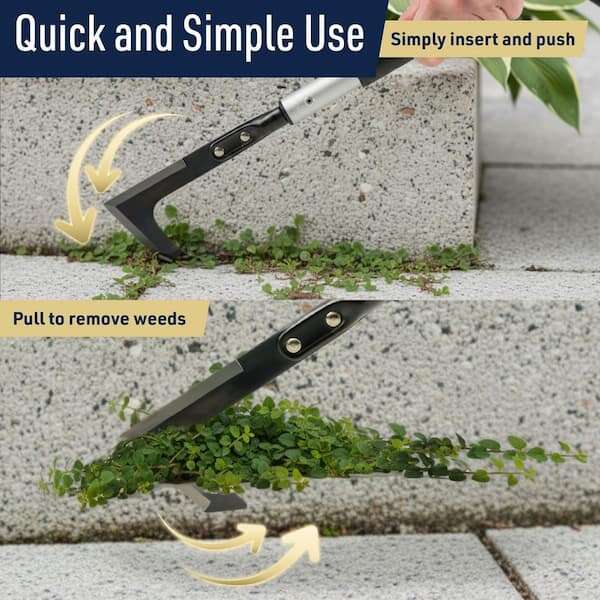
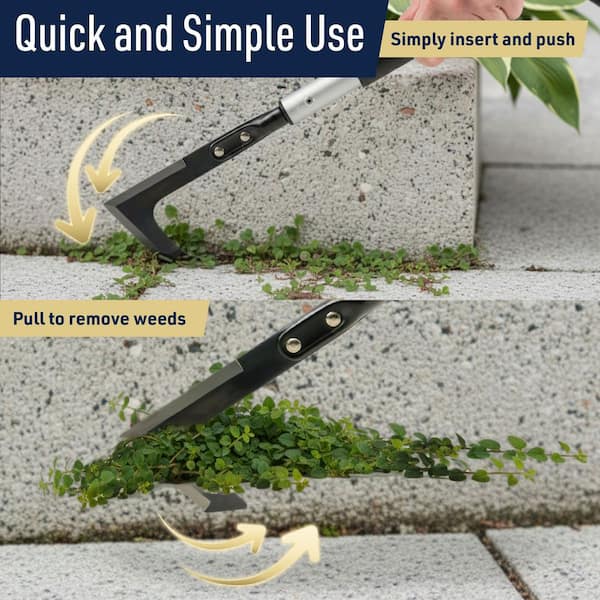
Place the blade or hook beside the weed stem. Push it down along the edge of the crack rather than straight through the plant.
Try to get below the crown. The crown is the point where the roots and stems meet. Removing this part gives you a better chance of stopping regrowth.
4. Loosen the root
Rock the tool gently from side to side. Do not twist hard, especially between fragile bricks or old concrete.
For deep roots, make two or three passes. First loosen one side, then loosen the other side.
5. Lift the weed
Pull upward with steady pressure. If the stem breaks, do not simply leave it. Insert the tool again and search for the remaining crown.
Long grass roots may come out in strands. Pull slowly to avoid snapping them.
6. Clear the crack
After removing the plant, scrape out loose soil and dead roots. This step matters because leftover material can hold moisture and new seeds.
Use a brush, narrow scraper, or small vacuum designed for outdoor debris. Do not force a large tool into a narrow joint.
7. Sweep and rinse
Sweep the surface again. A light rinse can remove fine dirt, but avoid washing soil into nearby drains or garden beds.
If the crack contains joint sand, do not remove more material than needed. Deeply empty joints can allow pavers to shift.
8. Check the area later
Inspect the spot after several days. A second pass may be needed if a root fragment remains.
This step-by-step approach to how to use a crack weeder works best when weeds are small. Large, woody weeds may need pruning shears before the roots can be removed.

Best Technique for Different Surfaces
How to use a crack weeder safely depends on the material beneath the weed. Concrete, brick, pavers, and natural stone each have different risks.
Concrete sidewalks and driveways
Use a narrow blade and keep it inside the joint. Avoid scraping across the concrete face because metal can leave marks.
Old concrete may have weak edges. If the joint begins to crumble, stop and repair it rather than forcing the tool deeper.
Brick paths
Brick edges can chip, especially when the mortar is old. Use a hook or thin blade with light pressure.
Work along the mortar line. Do not lever hard against the brick itself.
Paver patios
Pavers often rely on joint sand for stability. Remove the weed and loose roots, but avoid hollowing out the entire joint.
After cleaning, you may need to add new polymeric sand or joint sand. Follow the product directions and keep the surface dry during application.
Natural stone
Natural stone can have uneven edges and hidden gaps. Choose a flexible approach and avoid sudden pressure.
Test your technique in a less visible area first. Some stones can scratch more easily than concrete.
Asphalt
Asphalt softens in strong heat. A sharp tool can tear the surface if you pry too hard.
Use gentle scraping and focus on removing the root without lifting chunks of asphalt.
When Is the Best Time to Remove Crack Weeds?
The best time for how to use a crack weeder is after rain or watering, when the soil around the roots is damp. Spring and early summer are good times because many weeds are still small.
Remove weeds before they flower or produce seeds. One mature weed can spread many seeds across a driveway or walkway.
Late summer and fall also offer useful cleanup opportunities. Removing weeds before winter reduces the plant material that can decay inside the crack.
Avoid using a metal weeder on frozen ground. Frozen soil can make the tool slip and can increase the chance of damaged joints.
A simple schedule works well:
• Inspect cracks every two to four weeks during the growing season