Can I Prune Fruit Trees In The Fall: Pruning Guide
Yes, but fall pruning suits only certain fruit trees, climates, and light corrective cuts.
The answer to “can I prune fruit trees in the fall” depends on the tree type, your local weather, and the reason for pruning. Fall can be a useful time to remove dead wood and damaged limbs, but major cuts may trigger new growth or leave wounds exposed to winter injury. This guide explains when fall pruning helps, when it hurts, and how to make safe, clean cuts.

Can I Prune Fruit Trees in the Fall?
Yes, you can prune fruit trees in the fall, but timing matters. Light pruning is often safe after leaves drop and the tree enters dormancy. Heavy pruning is usually better saved for late winter or early spring.
A tree stores energy in its roots and branches before winter. Large cuts made too early can encourage fresh shoots. These shoots may not harden before freezing weather arrives. Tender new growth is more likely to suffer winter damage.
Fall pruning also creates open wounds. In cold or wet areas, these wounds may heal slowly. Some fungal diseases and insects can enter through fresh cuts, especially if pruning takes place during rainy weather.
Fall pruning is most useful for:
• Removing dead, broken, or diseased branches
• Cutting out branches that rub together
• Removing water sprouts and root suckers when needed
• Taking off fruit or branches that still pose a safety risk
• Making small cuts to improve access and visibility
The safest rule is simple: use fall for cleanup, not a major tree makeover.
When Fall Pruning Is Safe
The best time for fall pruning is after the leaves have dropped and the tree has entered dormancy. Leaf drop shows that the tree is slowing down and moving stored energy into its roots.
Wait until the tree is fully dormant if possible. In many parts of the United States, this means late fall or early winter. The exact date varies by climate and fruit type.
Choose a dry day when the temperature is above freezing. Wet conditions spread disease, while freezing wood can split under pressure from pruning tools.
Fall pruning is usually safe when you remove:
• Dead branches with no living buds
• Broken limbs after storms
• Diseased wood, as long as you cut well below the infected area
• Branches that touch roofs, wires, fences, or walkways
• Suckers growing from the trunk base
• Crossed branches that rub and damage bark
Make each cut just outside the branch collar. The branch collar is the slightly raised area where a limb joins the trunk or another branch. Do not cut flush against the trunk, and do not leave a long stub.
During hands on orchard work, one lesson becomes clear: small, well placed cuts are much easier for a tree to recover from than a few large cuts. A pair of sharp hand pruners can often solve a problem that would otherwise tempt a gardener to use a saw.
When You Should Not Prune Fruit Trees in the Fall
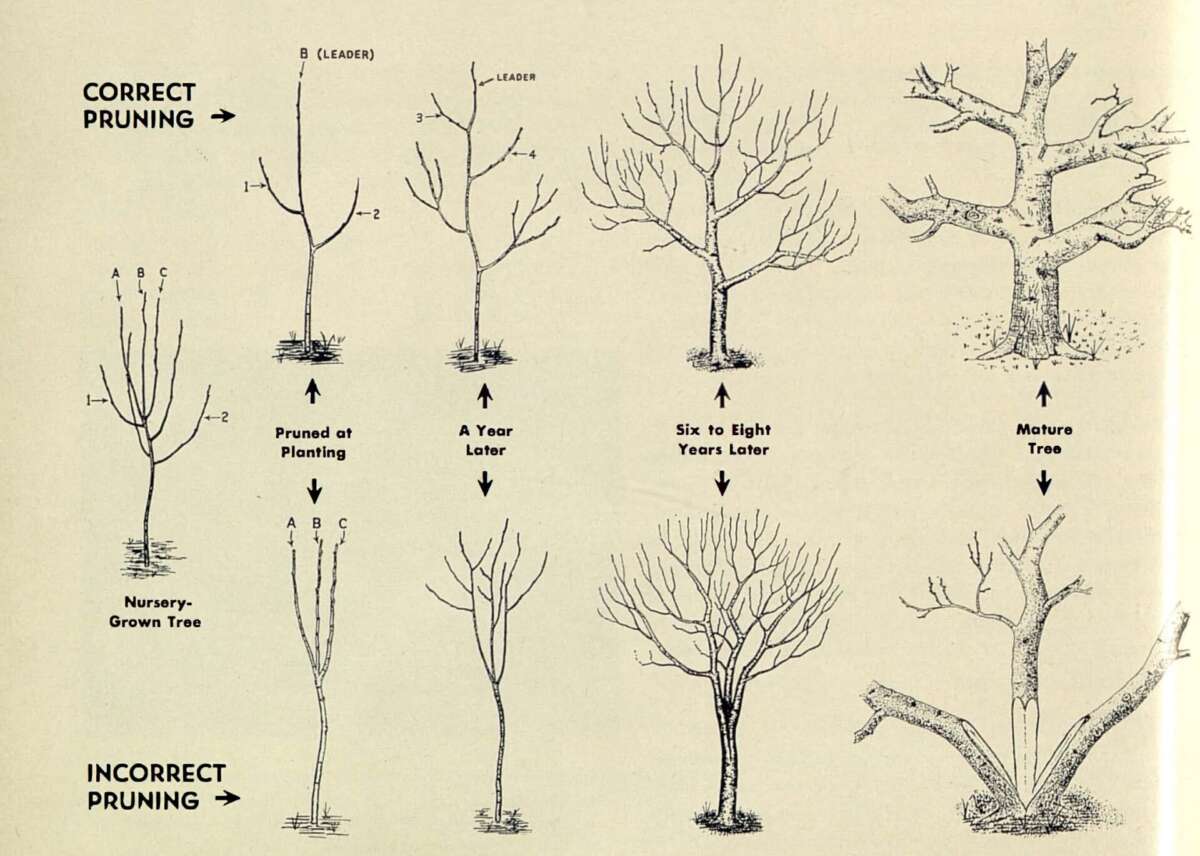
Fall is not the best time for heavy structural pruning. Avoid removing many large branches at once unless a tree is damaged or unsafe.
Do not prune when:
• The tree still has many green leaves
• New shoots are still growing
• Rain is expected for several days
• The wood is frozen
• A hard freeze is likely within a few days
• The tree has a serious disease that needs expert diagnosis
• You plan to remove more than about one quarter of the canopy
Young trees need extra care. They need leaves to build roots and trunk strength. Heavy fall pruning can slow their growth and make them more vulnerable to cold.
Avoid fall pruning on trees that are weak from drought, pests, disease, or transplant stress. Water and care for the tree first, then wait for a better pruning season.
If a large limb threatens people or property, safety comes first. Call a certified arborist for large, high, or storm damaged branches. A ladder, chainsaw, and weak branch can create a serious accident.
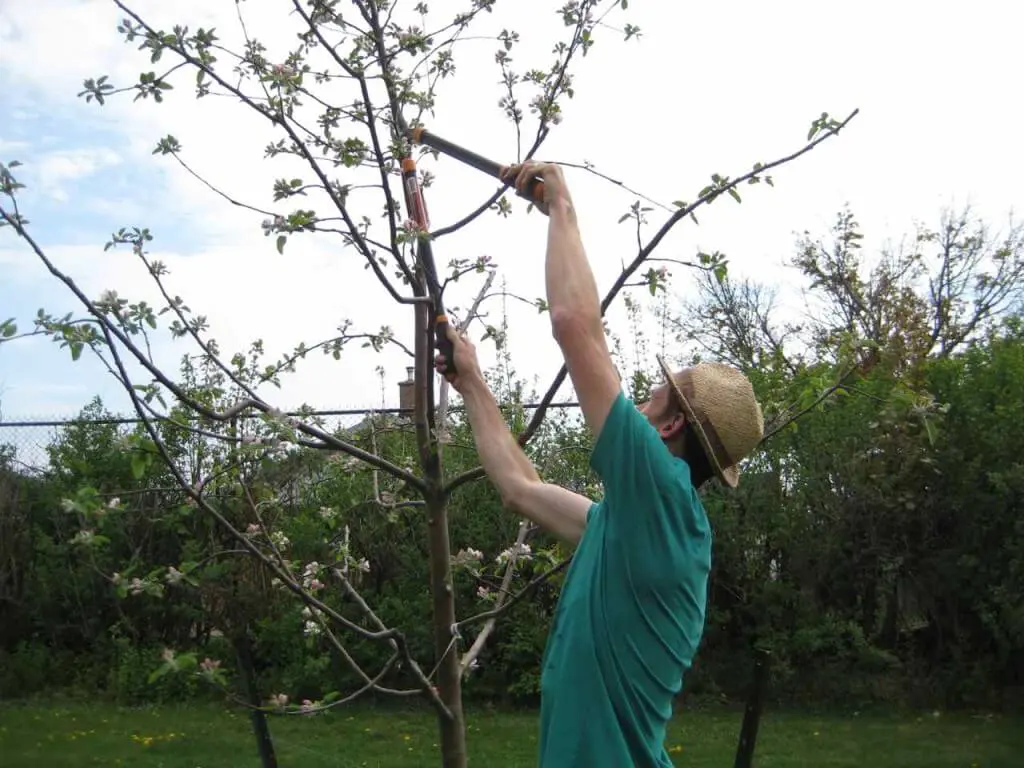
Which Fruit Trees Can Be Pruned in the Fall?
Not all fruit trees respond to fall pruning in the same way. The best approach depends on the species and the disease risks common in your region.
Apple and pear trees
Apple and pear trees are usually pruned in late winter. However, light fall pruning can remove dead, damaged, or diseased branches.
You can also remove a few water sprouts or branches that clearly rub together. Save major thinning cuts and height reduction for late winter, just before new growth begins.
Peach, nectarine, and plum trees
Peach, nectarine, plum, cherry, and apricot trees need more caution. These stone fruits can suffer from fungal and bacterial diseases when cuts stay wet.
In many regions, late winter or early spring is safer for major pruning. Avoid fall pruning if your area has wet autumn weather or early winter freezes.
Peach trees often need regular pruning to keep fruiting wood young. Still, a major peach tree pruning session is usually best done near bud swell in late winter, not in early fall.
Cherry trees
Sweet and sour cherries can be sensitive to pruning wounds. Remove dead or broken wood when needed, but avoid heavy fall cuts.
Some cherry diseases spread through wet pruning wounds. Dry weather and proper tool cleaning are especially important.
Fig trees
Fig trees may receive light fall pruning in warm climates. In colder regions, wait until late winter because figs can suffer winter dieback.
Do not remove healthy branches simply because the tree looks untidy. A fig may lose some branch tips during winter and still recover well.
Citrus trees
Citrus trees do not follow the same dormancy pattern as apples or peaches. In frost free areas, light pruning may occur after harvest, but major cuts should be limited.
Remove dead wood, suckers, and branches that cross. Avoid pruning before a cold spell because exposed branches may suffer sun or frost damage.
Persimmon and mulberry trees
Persimmon and mulberry trees can often tolerate light fall cleanup. Large cuts are still better made during dormancy or late winter.
Always consider your local climate. A pruning calendar for Georgia may not work in Minnesota, Oregon, or Arizona.
How to Prune Fruit Trees in the Fall
If fall pruning is appropriate, use a careful and limited process. Think of the job as removing problems rather than reshaping the entire tree.
1. Inspect the tree first
Walk around the tree and look for dead, broken, diseased, or rubbing branches. Mark the limbs you plan to remove before making any cuts.
This prevents random pruning. It also helps you avoid taking off healthy fruiting wood.
2. Clean and sharpen your tools
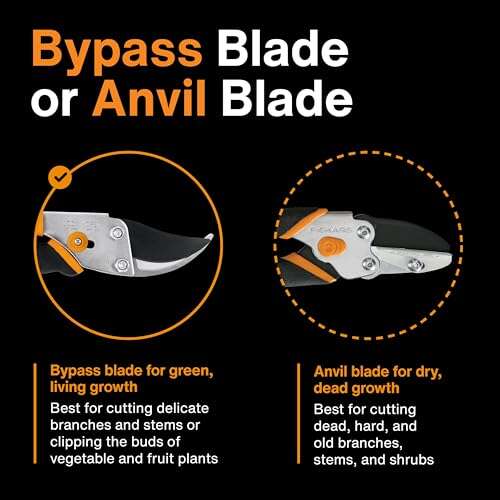
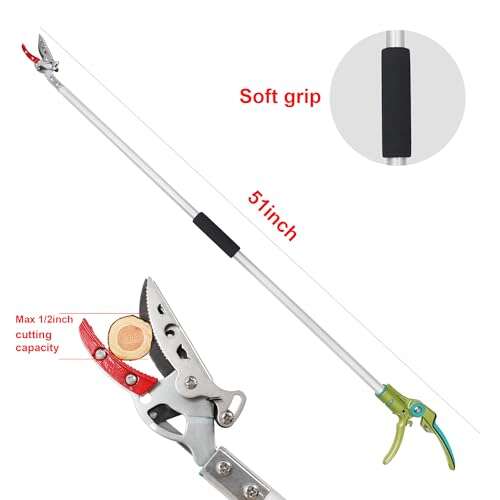
Use sharp bypass pruners for small branches and a pruning saw for larger limbs. Clean tools with rubbing alcohol before moving from a diseased branch to healthy wood.
Sharp tools make smooth cuts. Dull blades crush bark and create larger wounds.
3. Remove damaged wood
Start with dead or broken branches. Cut back to healthy wood or remove the entire branch at its natural joint.
If the wood shows cankers, discoloration, or fungal growth, cut below the affected area. Disinfect the tool between cuts.
4. Remove branches that rub
Two branches that rub create wounds in the bark. Over time, these wounds can invite insects and disease.