How To Use A Bypass Pruner: Easy Pruning Guide
Use a bypass pruner by opening its blades, placing the curved blade near the branch base, and making one clean cut.
Learning how to use a bypass pruner well can save your plants from torn stems, slow healing, and needless damage. After years of pruning roses, shrubs, herbs, and young fruit trees, I have found that good results come from three things: the right tool, the right cut, and the right timing. This guide explains each step in simple terms, including safety tips, common mistakes, cleaning, and care.
What Is a Bypass Pruner?
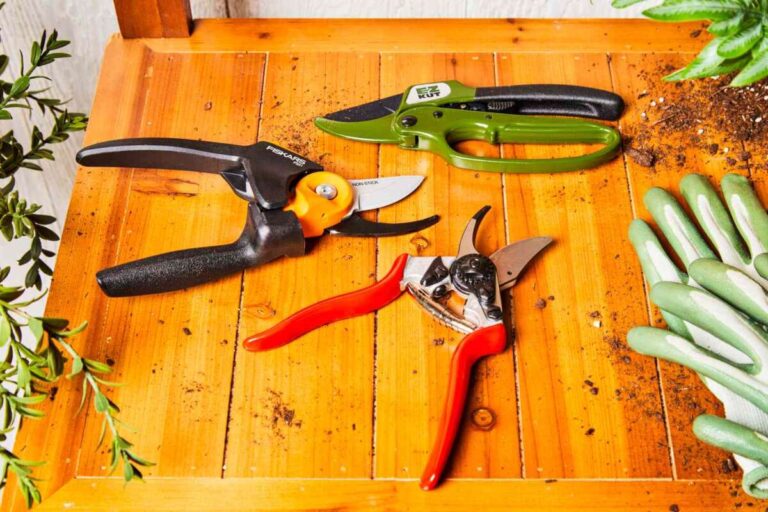
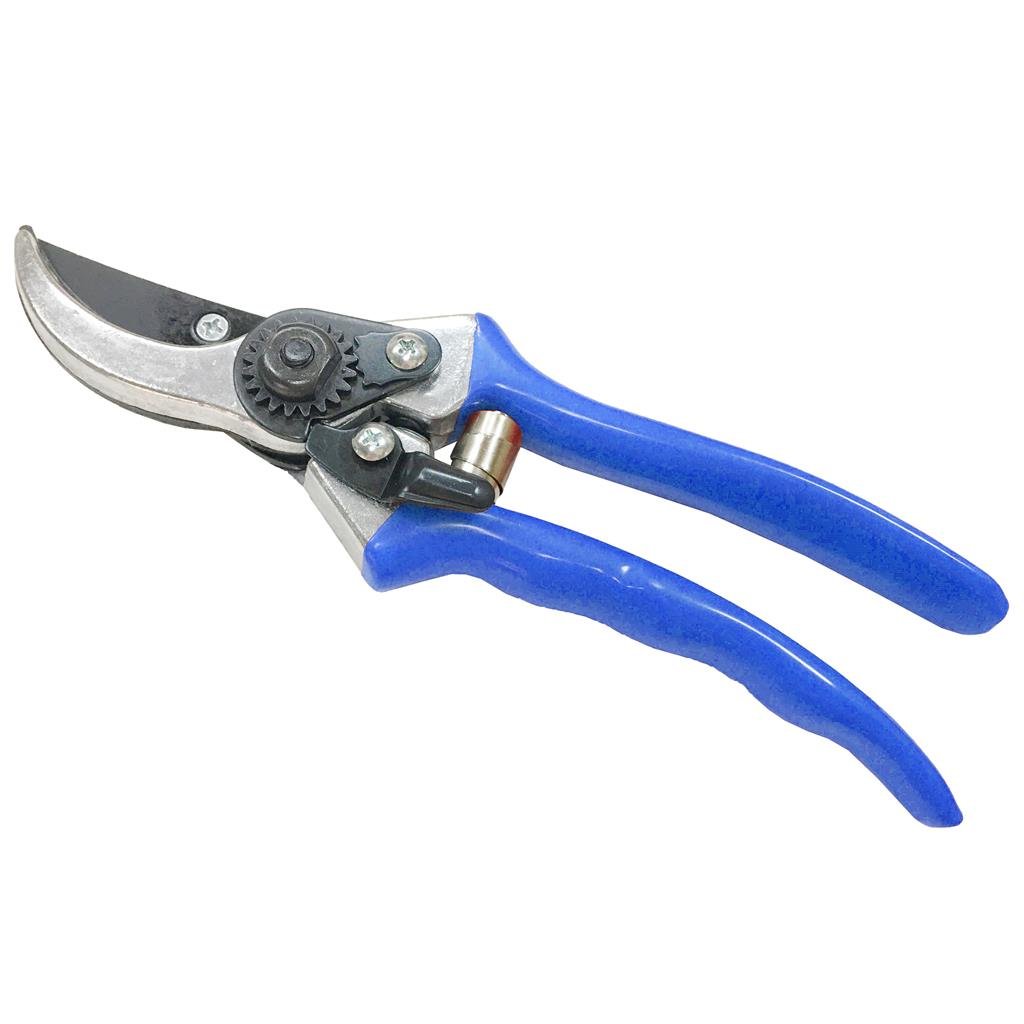
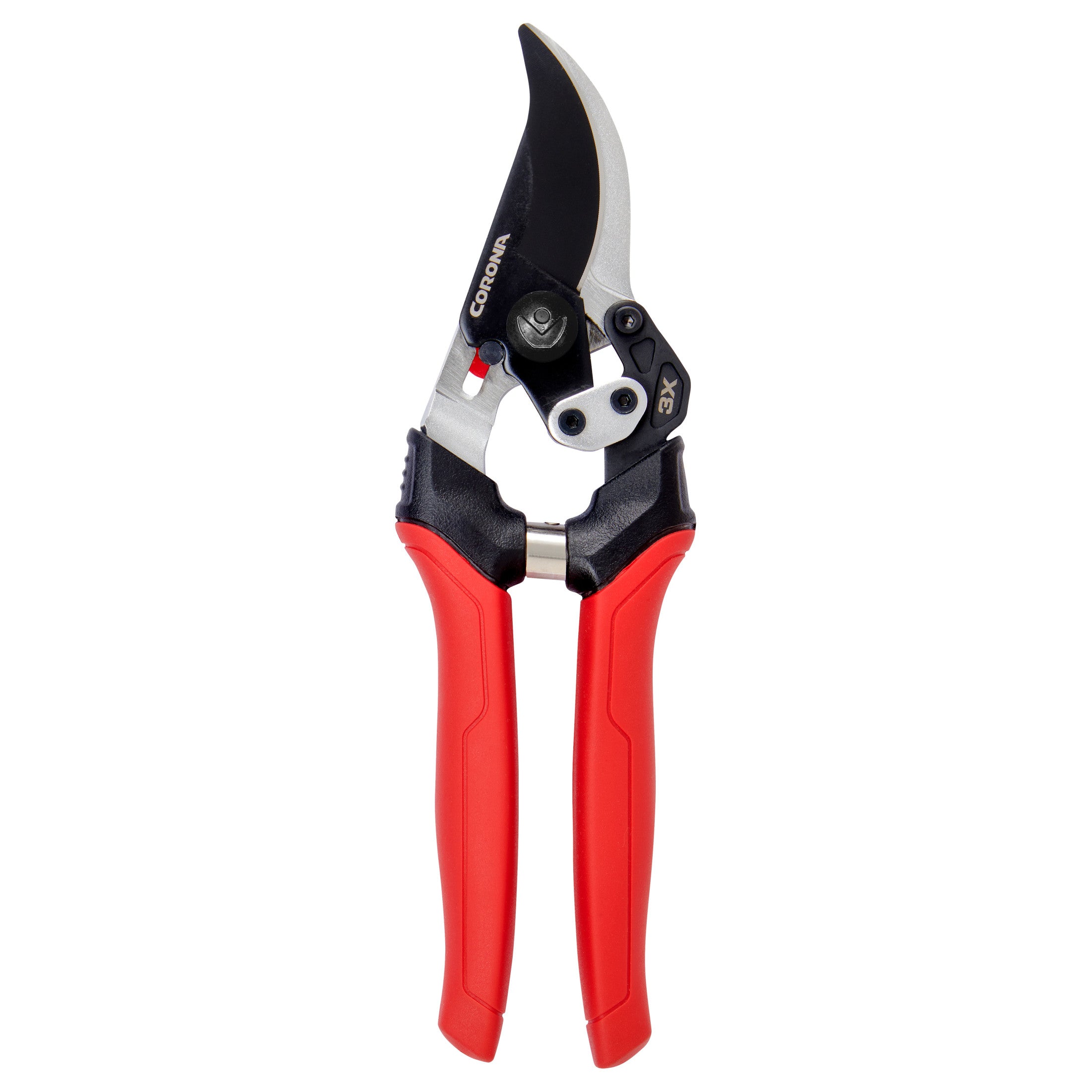
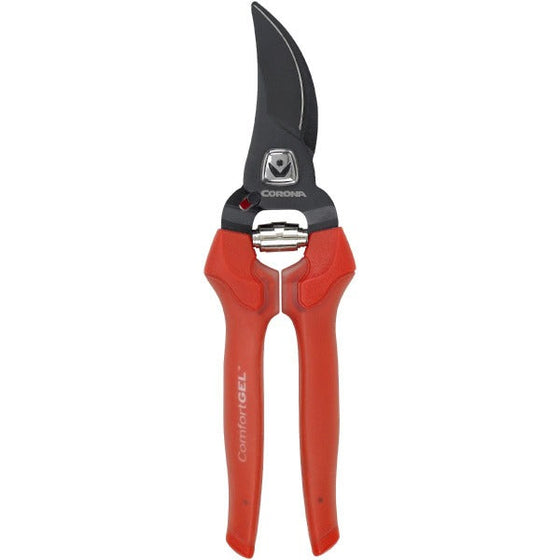
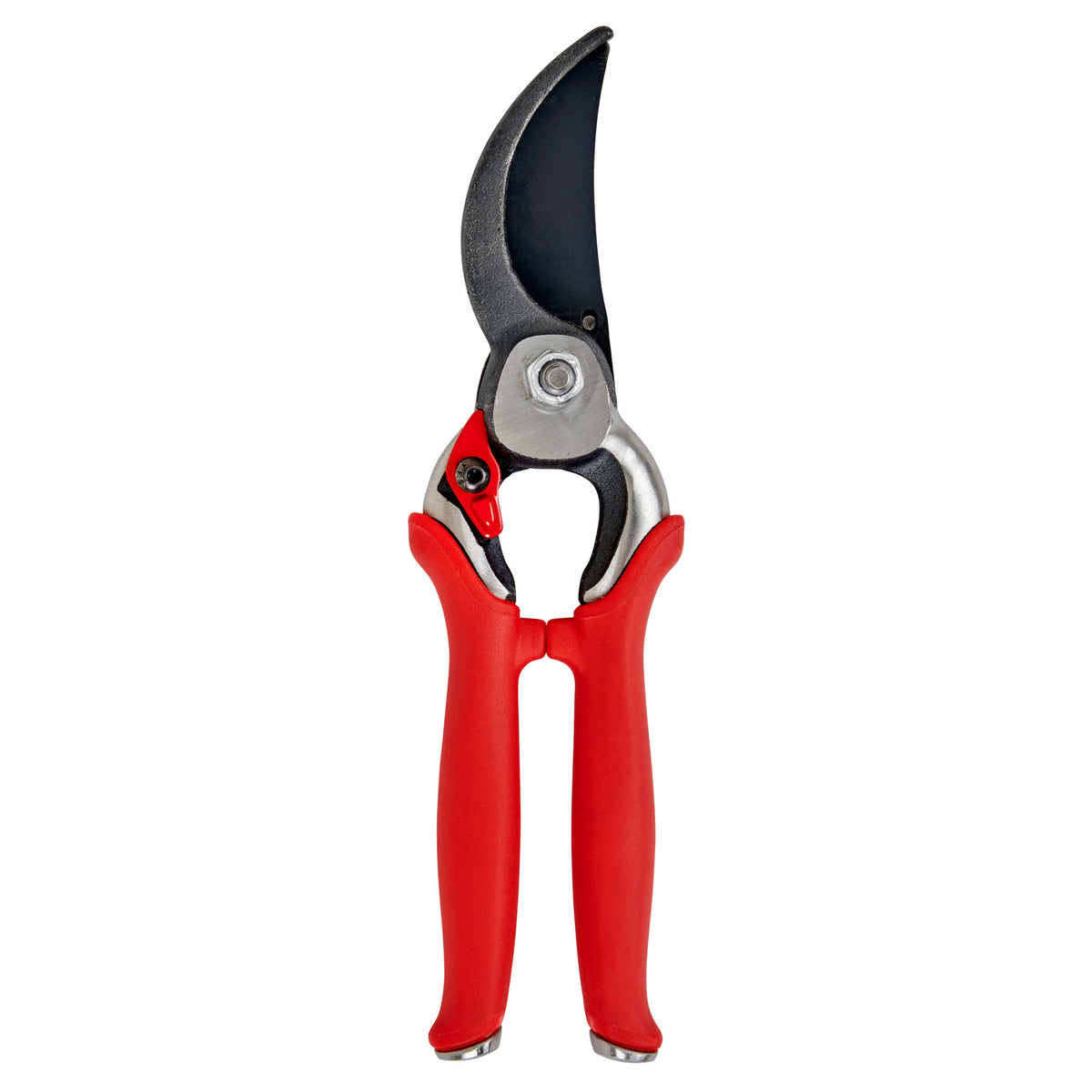
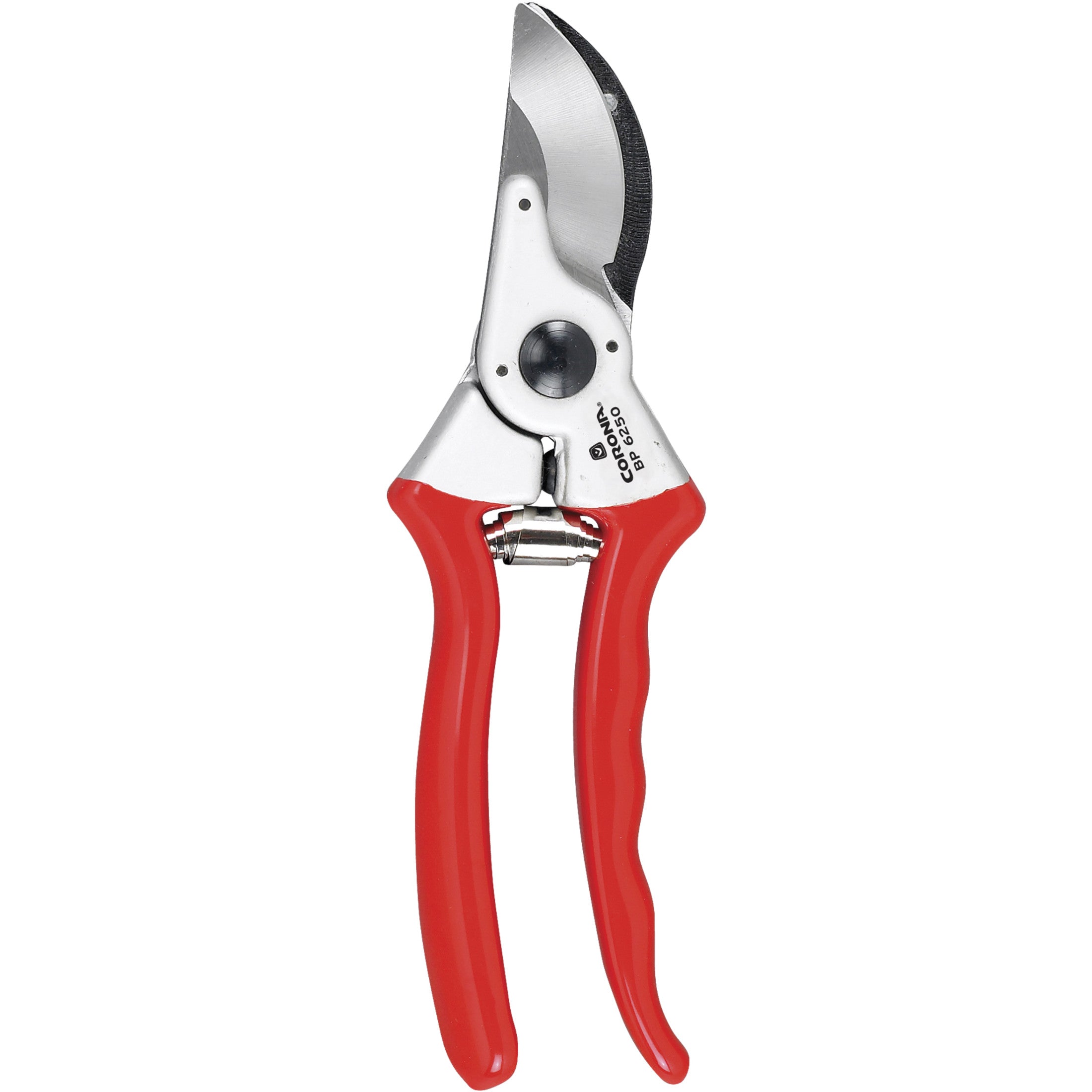
A bypass pruner is a small hand tool used to cut live stems and branches. Its two blades pass by each other like scissors. One blade is sharp and curved, while the other is thicker and acts as a support edge.
This design makes a bypass pruner useful for living wood. It creates a clean cut instead of crushing the stem. Clean cuts usually heal more easily and leave less damaged tissue open to pests and disease.
A bypass pruner is best for:
• Rose stems
• Fresh shoots
• Flower stalks
• Small fruit tree branches
• Green shrub stems
• Herb and vegetable stems
• Branches up to the tool’s rated capacity
Most hand pruners work best on branches about ½ to ¾ inch thick. The exact limit depends on the model, your hand strength, and the type of wood. Always check the product instructions before cutting thick or hard branches.
A bypass pruner is not the same as an anvil pruner. Anvil pruners have one sharp blade that closes against a flat surface. They can work well on dry or dead wood, but they may crush fresh stems if used poorly.
How to Use a Bypass Pruner Step by Step
Learning how to use a bypass pruner starts with a calm look at the plant. Do not begin by cutting at random. First, find the stem, its growth direction, and the point where the cut will help the plant.
1. Choose the right branch
Look for dead, broken, diseased, crossing, or unwanted growth. On a healthy plant, remove branches that rub against each other or grow toward the center.
For simple trimming, select a stem that is within the pruner’s cutting range. If the branch feels too hard or thick, use loppers or a pruning saw instead. Forcing a hand pruner can hurt your hand and damage the tool.
2. Hold the pruner correctly
Place the sharp, curved blade on the side of the branch that you want to keep. The thicker support blade should rest on the side that will be removed.
This blade position matters. If you place the support blade against the part you want to keep, it may crush the plant tissue. Think of the sharp blade as the part that makes the final clean line.
3. Find the best cutting point
Make the cut just above a healthy bud, leaf node, or branch collar. A branch collar is the slightly swollen area where one branch joins another branch or the main stem.
Cut at a slight angle so water can run off the wound. Do not leave a long stub. Do not cut flush against the trunk or main stem, because that can remove the plant’s natural protective tissue.
4. Open the blades fully
Open the handles before placing the pruner around the stem. This gives the blades room to close in one smooth motion.
Avoid making tiny, repeated bites. Small bites can crush the stem and make the cut uneven. One firm cut is usually better than several weak cuts.
5. Make one clean cut
Squeeze the handles with steady pressure. Keep your wrist straight and let the tool do the work.
If the pruner does not cut easily, stop. The branch may be too thick, the blade may be dull, or the tool may need cleaning. Learning how to use a bypass pruner also means knowing when not to force it.
6. Check the cut
The cut should look smooth, with no torn bark or crushed edge. If the cut is rough, use a clean, sharp tool to correct it without removing more plant tissue than needed.
Step back and check the plant’s shape. Good pruning should improve airflow, light, structure, or growth. It should not leave the plant looking stripped.
Where to Place the Bypass Pruner Blade
Blade placement is one of the most important parts of learning how to use a bypass pruner. The curved sharp blade should face the part of the branch that remains on the plant.
For a cut above a bud, place the blade slightly above the bud. The new growth will usually develop in the direction the bud faces. If you want outward growth on a shrub, choose an outward-facing bud.
Use these basic placement rules:
• Cut about ¼ inch above a healthy bud.
• Keep the cut angled away from the bud.
• Cut just outside a branch collar when removing a side branch.
• Avoid cutting into the collar.
• Remove torn or split tissue with a clean finishing cut.
A cut that is too far above the bud leaves a stub. That stub can die back and become an entry point for pests. A cut that is too close can injure the bud and reduce new growth.
In my own pruning work, I once left several long stubs on a young lilac because I was afraid of cutting too close. The ends dried out and looked messy. The next season, I corrected the shape with cleaner cuts, and the plant produced stronger shoots.
How to Prune Different Types of Plants
The best method depends on the plant. Learning how to use a bypass pruner is not only about the tool. It is also about understanding how each plant grows.
Roses
Remove dead, weak, and crossing stems first. Cut healthy stems above an outward-facing bud to keep the center of the rose open.
For many roses, a slight angle helps shed water. Wear sturdy gloves, since rose thorns can cause deep scratches and punctures.
Shrubs
Start by removing dead or damaged branches. Then shorten long shoots only when needed. Avoid cutting every branch to the same height, as this can create an unnatural shape and dense outer growth.
Some shrubs flower on old wood, while others flower on new wood. Pruning at the wrong time can remove next season’s flowers. Check the plant’s care needs before making major cuts.
Fruit trees
Use a bypass pruner for small shoots and young branches. Remove suckers, water sprouts, and branches that cross or rub.
Fruit trees need careful structure. Do not remove large limbs with a hand pruner. Use a pruning saw for bigger wood, and seek professional help for high or hazardous branches.
Herbs and vegetables
A bypass pruner works well for basil, mint, sage, tomatoes, peppers, and similar plants. Cut just above a leaf pair or growing point to encourage fuller growth.
Use clean blades when moving from one plant to another. This step is especially important if you see spots, wilt, rot, or other signs of disease.
Houseplants
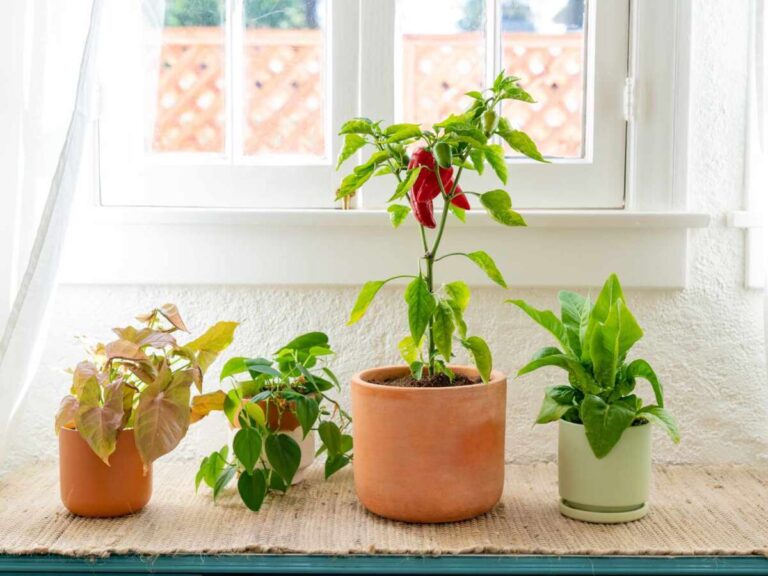
Use a small bypass pruner for woody stems and thick flower stalks. Make sure the tool is clean before working near indoor plants, where poor air flow can allow disease to spread.
The Best Time to Use a Bypass Pruner
Timing depends on the plant, climate, and reason for pruning. Dead or broken branches can often be removed as soon as you notice them. Diseased parts should also be removed promptly, with the blade disinfected between cuts when needed.
Many deciduous plants are easiest to prune during dormancy. Their structure is clear, and there are fewer leaves in the way. Spring-flowering shrubs often need pruning after they bloom because they may set flower buds on older wood.
Avoid heavy pruning during extreme heat, drought, or severe cold. A stressed plant may recover slowly. Also avoid pruning wet foliage when possible, since moisture can help some plant diseases spread.
A local extension office, nursery professional, or plant care guide can help you confirm the right season for a specific species. There is no single pruning calendar that fits every plant in every part of the United States.
Safety Tips for Using a Bypass Pruner
A bypass pruner is small, but its blade can cause a serious cut. Safe habits protect your hands, eyes, and plants.
• Wear eye protection when cutting stiff or thorny branches.
• Use gloves that fit well and allow a firm grip.
• Keep your free hand behind the blades.
• Do not hold a branch close to the cutting point.
• Keep children and pets away from the work area.
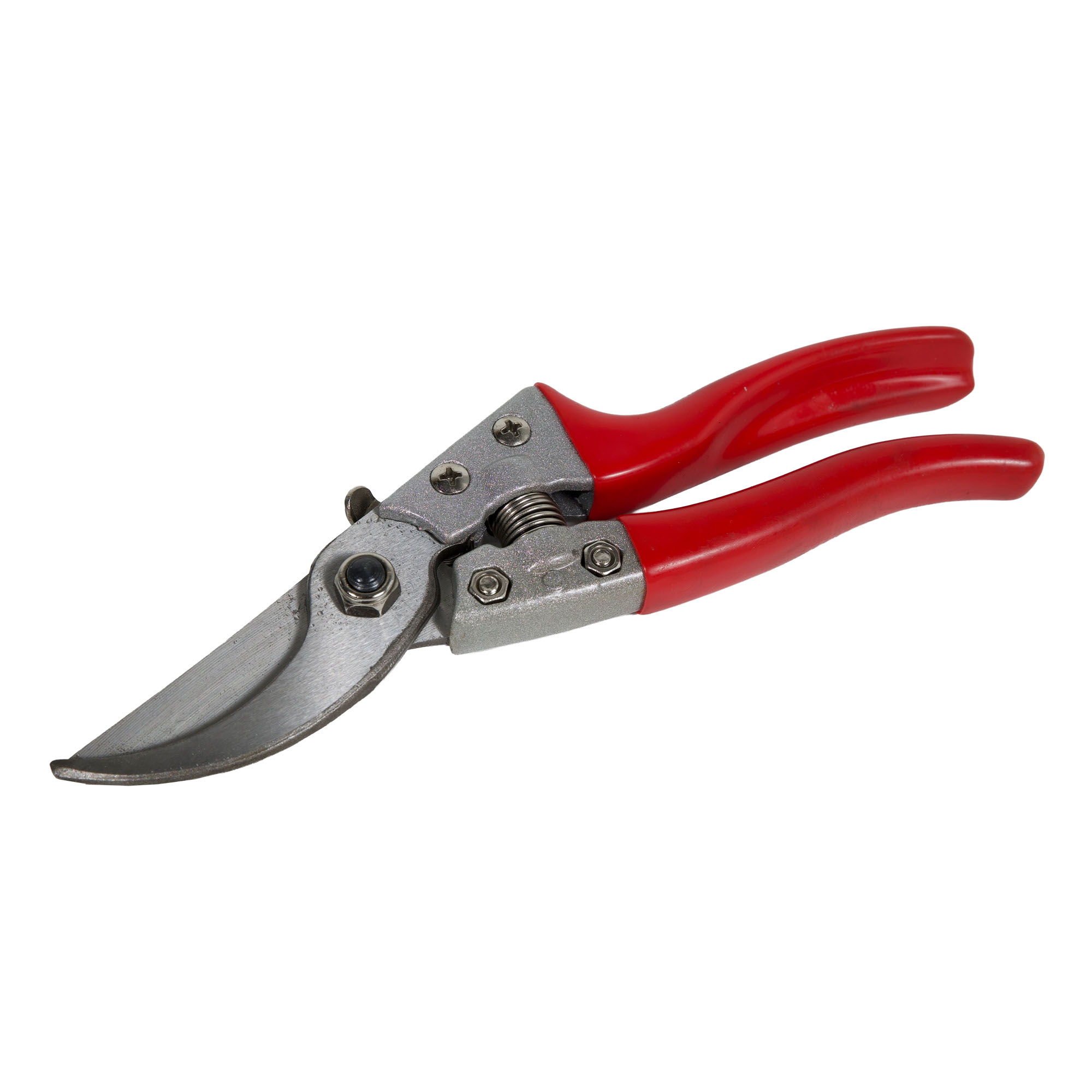
• Close and lock the pruner when carrying it.
• Do not cut wire, nails, plastic, or metal with the blade.
• Use loppers or a saw for wood beyond the tool’s capacity.
• Stop if your hand or wrist begins to ache.
Repetitive squeezing can irritate the hand and wrist. If you have arthritis or reduced grip strength, choose a model with a rotating handle, lighter spring, or ergonomic grip. An electric pruner may help some users, but it still requires careful handling.
Common Bypass Pruner Mistakes to Avoid
Many pruning problems come from small errors. The good news is that most are easy to fix.
Using a dull blade
A dull blade tears bark and requires extra force. It can also make your hand tired quickly. Sharpen the blade according to the manufacturer’s instructions or have it serviced by a tool professional.
Cutting too far from a bud
Long stubs often die back. They can look untidy and may invite insects or disease. Make a neat cut close to, but not inside, the correct growth point.
Cutting flush with a trunk
A flush cut removes the branch collar. This can slow the plant’s natural sealing process. Cut just outside the collar instead.
Crushing the stem
Crushing often happens when the pruner is backward, dull, dirty, or too small for the branch. Check the blade position and switch to a larger tool if needed.
Making too many cuts
Pruning is not a race. Removing too much at once can stress a plant and expose it to sun damage. When in doubt, make a few purposeful cuts, then pause and reassess.
Ignoring diseased plant tissue
Do not move from a diseased stem to a healthy stem without cleaning the blades. A household disinfectant or product labeled for garden tools may help reduce spread. Follow the label directions and allow the blade to dry before cutting again.

How to Clean and Maintain a Bypass Pruner
Proper maintenance keeps a bypass pruner sharp, safe, and easy to use. Clean the blades after each gardening session, especially after cutting sap, diseased wood, or sticky stems.
Follow this basic routine:
- Brush away soil and plant scraps.
- Wipe the blades with a clean cloth.
- Wash away sap with mild soap and water if needed.
- Dry the tool completely.
- Disinfect the blades when disease may be present.
- Apply a thin coat of tool oil to the pivot and metal surfaces.
- Check the spring, lock, and handle screws.
- Store the pruner closed in a dry place.
Do not soak the entire tool unless the manufacturer allows it. Water can reach the pivot and cause rust. If the blades become loose, tighten the pivot carefully. They should meet cleanly without feeling stiff.
A sharp blade should glide through suitable wood with moderate pressure. If you must squeeze with your whole hand, the tool needs attention or the branch needs a larger cutter.

Bypass Pruner vs. Other Pruning Tools
Choosing the right tool prevents damage and makes the job easier.
• Bypass pruner: Best for live stems and small branches.
• Anvil pruner: Useful for some dry or dead wood, but may crush fresh stems.
• Loppers: Best for thicker branches that need longer handles and more leverage.
• Pruning saw: Best for large branches beyond the reach of loppers.
• Hedge shears: Best for shaping soft, thin growth across many stems.
• Floral snips: Best for delicate flowers, herbs, and small indoor plants.
A bypass pruner should not replace every pruning tool. It is more like a chef’s small kitchen knife: useful for many jobs, but not the right choice for every task.
How to Use a Bypass Pruner for a Clean Cut
For the cleanest result, combine good blade placement with good body position. Stand so you can see the branch clearly. Keep the pruner aligned with the stem instead of twisting it sideways.
Use your dominant hand to control the handles. Support the branch with your other hand only when that hand is safely away from the blades. If the branch moves, pause and reposition it rather than pulling against the cutter.
When pruning a branch under tension, be careful. The branch may spring back when cut. For large or awkward branches, make smaller relief cuts with the correct tool and wear eye protection.
Clean cuts are not only about appearance. They reduce torn tissue and help the plant begin its normal healing response. Still, pruning does not guarantee that a plant will avoid disease. Weather, plant health, pests, and soil conditions also affect recovery.
Frequently Asked Questions About How to Use a Bypass Pruner
Which way should the blade face on a bypass pruner?
Place the sharp, curved blade against the part of the branch that will remain on the plant. The thicker blade should support the section you plan to remove.
How thick a branch can a bypass pruner cut?
Many hand bypass pruners can cut branches up to about ½ to ¾ inch thick. Check the tool’s instructions, and never force the handles through wood that feels too large or hard.
Should I cut above or below a bud?
Cut slightly above a healthy bud, usually about ¼ inch away. Angle the cut away from the bud so water does not collect on it.
Can I use a bypass pruner on dead wood?
You can use one on small dead twigs if the tool maker permits it, but very dry wood may be hard on the blade. Anvil pruners, loppers, or a pruning saw may work better for larger dead branches.
How often should I clean a bypass pruner?
Wipe the blades after each use and clean them more deeply when they touch sap, soil, or diseased tissue. Dry the tool and add a small amount of oil to the pivot before storage.
Do I need to seal pruning cuts?
Most small pruning cuts do not need wound paint or sealant. Good blade hygiene, correct timing, and a clean cut are usually more useful than covering the wound.
Conclusion
A bypass pruner works best when you match the tool to the branch, place the sharp blade on the keeper side, and make one smooth cut above a healthy bud or outside a branch collar. Clean tools, safe hand placement, and regular maintenance help protect both you and your plants.
Start with a few small cuts on a healthy shrub or herb. Check each cut before moving on, and let the plant’s natural shape guide you. With practice, learning how to use a bypass pruner becomes a simple garden skill that leads to healthier growth and cleaner results. Share your pruning tips or explore more plant care guides to keep improving.

Laura Bennett is a gardening writer at MyGardenLabs who creates beginner-friendly guides focused on solving common plant care and gardening problems.