
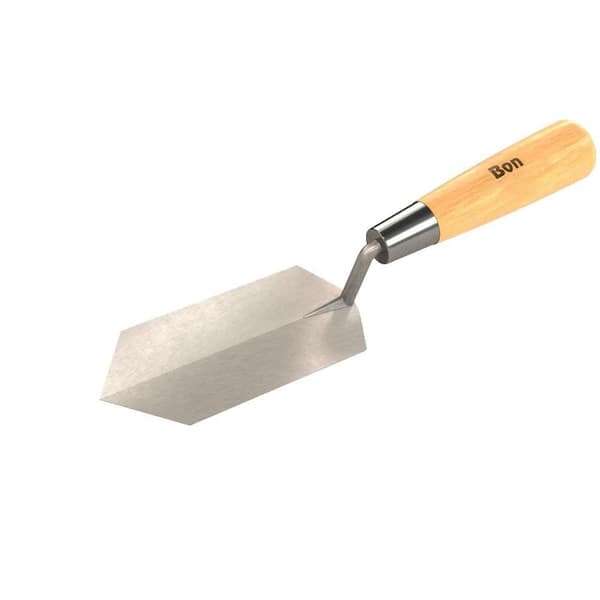
What Are Wooden Trowels Used For: Uses And Benefits
Wooden trowels are used for gentle mixing, spreading, shaping, and finishing tasks in crafts, gardens, and masonry.
If you have ever wondered what are wooden trowels used for, the answer depends on the tool’s size, shape, and wood type. They are simple, low-cost tools that offer a soft touch where metal may scratch, stain, or damage a surface. This guide explains their main uses, benefits, limits, care needs, and practical buying tips.
What Are Wooden Trowels?
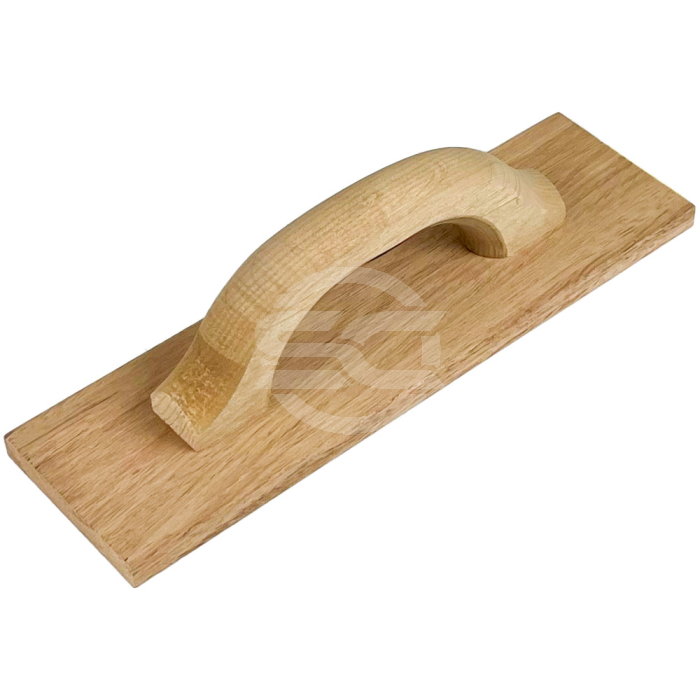
A wooden trowel is a hand tool made from solid wood. It usually has a flat or slightly curved blade and a short handle. Some designs look like small garden trowels, while others resemble flat paddles for mixing or spreading.
The answer to what are wooden trowels used for starts with their gentle working edge. Wood is firm enough to move soft materials, yet soft enough to protect many delicate surfaces. This makes wooden trowels useful in crafts, cooking, gardening, pottery, plaster work, and light masonry.
Common woods include beech, maple, ash, bamboo, and hardwood blends. The best choice depends on the task. Dense hardwoods resist wear, while bamboo is light and often used for food and craft work.

What Are Wooden Trowels Used For?
Wooden trowels have several uses. Their main value is control without harsh contact. Here are the most common applications.
Mixing Soft Materials
Wooden trowels can mix soil, compost, clay, plaster, mortar, and other soft materials. They work well in small batches where a large mixer would be excessive.
For example, a craft worker may use one to blend paper clay. A gardener may mix potting soil with compost. A homeowner may use a broad wooden trowel to stir a small amount of patching compound.
Spreading and Smoothing
A flat wooden blade can spread soft materials across a surface. It may help apply:
• Clay and modeling compounds
• Wax and polish
• Plaster and filler
• Soil in small planters
• Natural adhesives
• Food mixtures in some kitchen settings
Wooden edges are less likely to leave deep scratches than steel edges. This matters when working on wood, painted surfaces, ceramic pieces, or finished countertops.
Shaping Clay and Pottery
Potters and craft makers use wooden trowels to shape wet clay. The tool can smooth a wall, press a corner, or remove small ridges. It is also useful for making simple textures.
A wooden trowel does not replace a full pottery tool set. Still, it offers a broad surface for gentle shaping. It is especially useful for beginners because it gives steady control and feels less aggressive than metal.
Light Garden Work
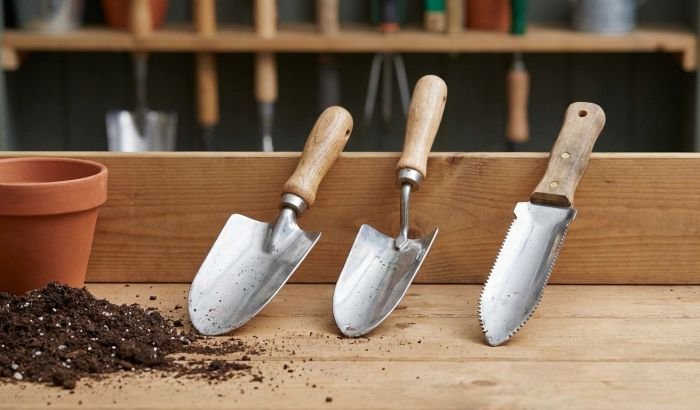
Small wooden trowels can move loose soil, fill pots, and place small amounts of compost. They are best for indoor plants, seed trays, and light planting jobs.
They are not ideal for hard ground or rocky soil. A steel garden trowel is stronger for digging. The wooden version is better when the goal is to handle roots, seedlings, or fragile containers with care.
Food Preparation
Some wooden trowels are made for food use. These tools may spread dough, stir thick mixtures, scrape bowls, or portion soft foods. Their smooth surface can be useful with cookware that has a nonstick coating.
Only use a wooden trowel for food if the product is labeled food-safe. A tool used for plaster, soil, paint, or chemicals should never enter a kitchen.
Wooden Trowels in Crafts and DIY Projects
Many people ask what are wooden trowels used for when they see them in a craft shop. In this setting, the tool acts like a soft scraper, paddle, or spreader.
Wooden trowels can help with:
• Applying glue to paper or fabric
• Spreading papier-mâché paste
• Smoothing air-dry clay
• Pressing leather or soft material
• Mixing paint or pigment
• Applying wax to small surfaces
• Shaping handmade soap
• Spreading plaster in model making
Their broad blade can cover an area faster than a narrow craft stick. Their rounded edge also lowers the risk of cutting soft material.
In hands-on work, one lesson becomes clear: the edge matters more than the handle. A smooth, slightly rounded edge gives better results than a rough or sharply chipped blade. Before using a new wooden trowel, inspect the blade and sand away any splinters.
A common mistake is pressing too hard. Wood can flex or snap when used as a lever. Use steady pressure and let the tool move the material rather than forcing it through a hard mass.
Wooden Trowels for Gardening
Gardeners often use small wooden trowels for delicate tasks. They can scoop potting mix, fill seed cells, and move loose soil around plant stems.
They are especially handy for:
• Repotting houseplants
• Covering seeds with a thin soil layer
• Mixing compost into potting soil
• Filling narrow containers
• Removing loose soil from plant roots
• Working around shallow roots
Wood does not conduct heat as quickly as metal. This can make it more comfortable in cold weather. It also feels lighter and quieter when used around indoor plants.
However, a wooden trowel is not a replacement for a digging tool. Do not use it to break compacted clay, pry stones, or cut through thick roots. Those tasks can split the blade or loosen the handle.
Rinse soil from the tool after use. Let it dry fully before storing it. Moist soil left on wood can encourage swelling, staining, mold, or rot.
Wooden Trowels for Masonry and Plaster
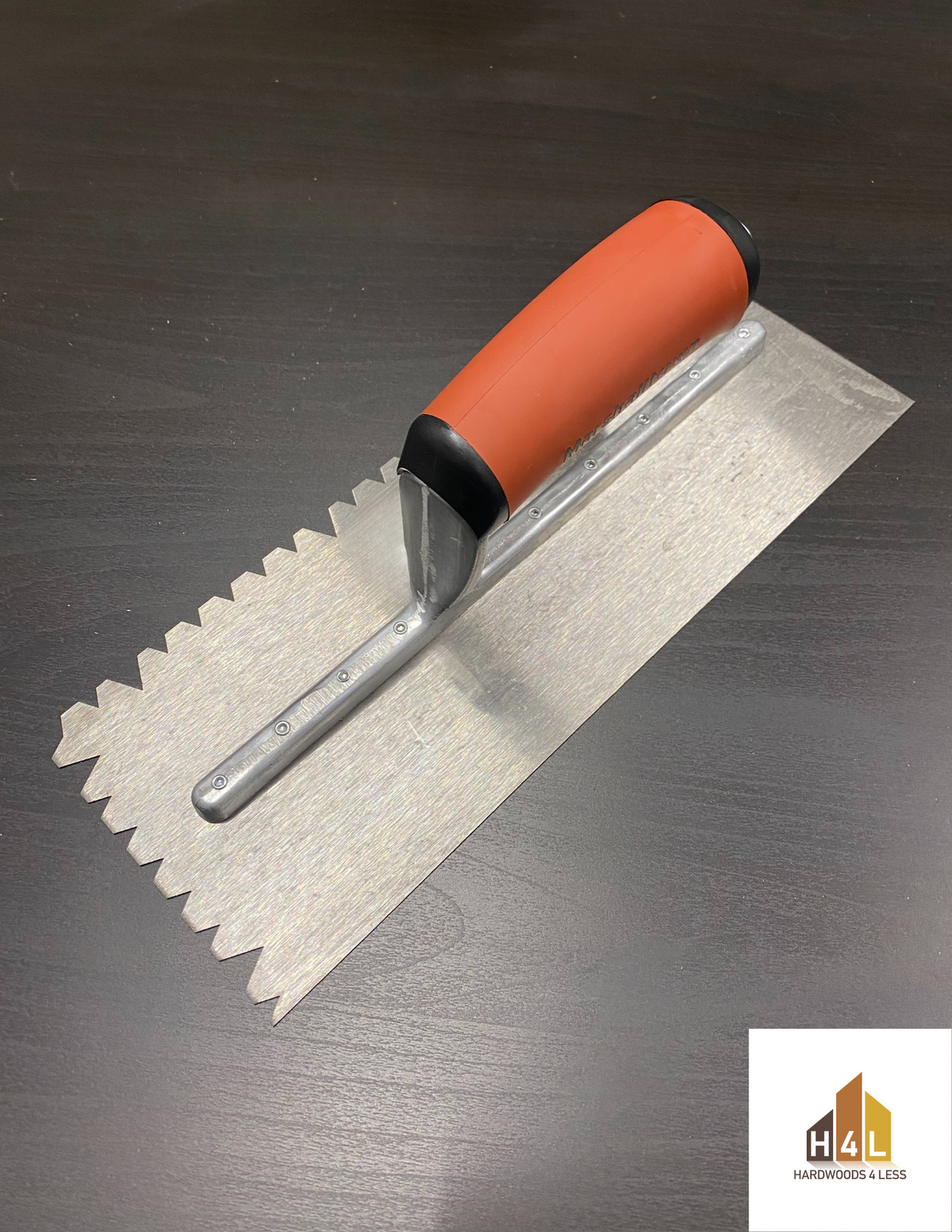
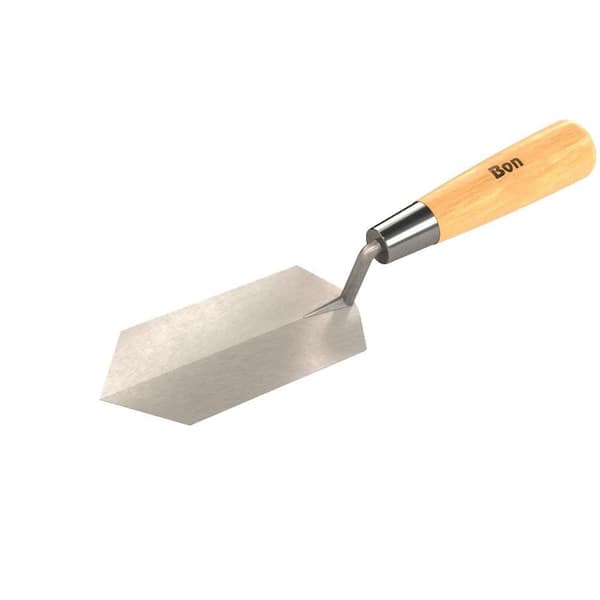
When asking what are wooden trowels used for in building work, the key answer is light finishing and mixing. A wooden trowel may be used to mix a small amount of plaster, mortar, grout, or patching material.
Some traditional plaster methods use wood to rub or close a surface. The tool can help compress fine material and create a smooth texture. It may also help workers test consistency or move material in a small repair area.
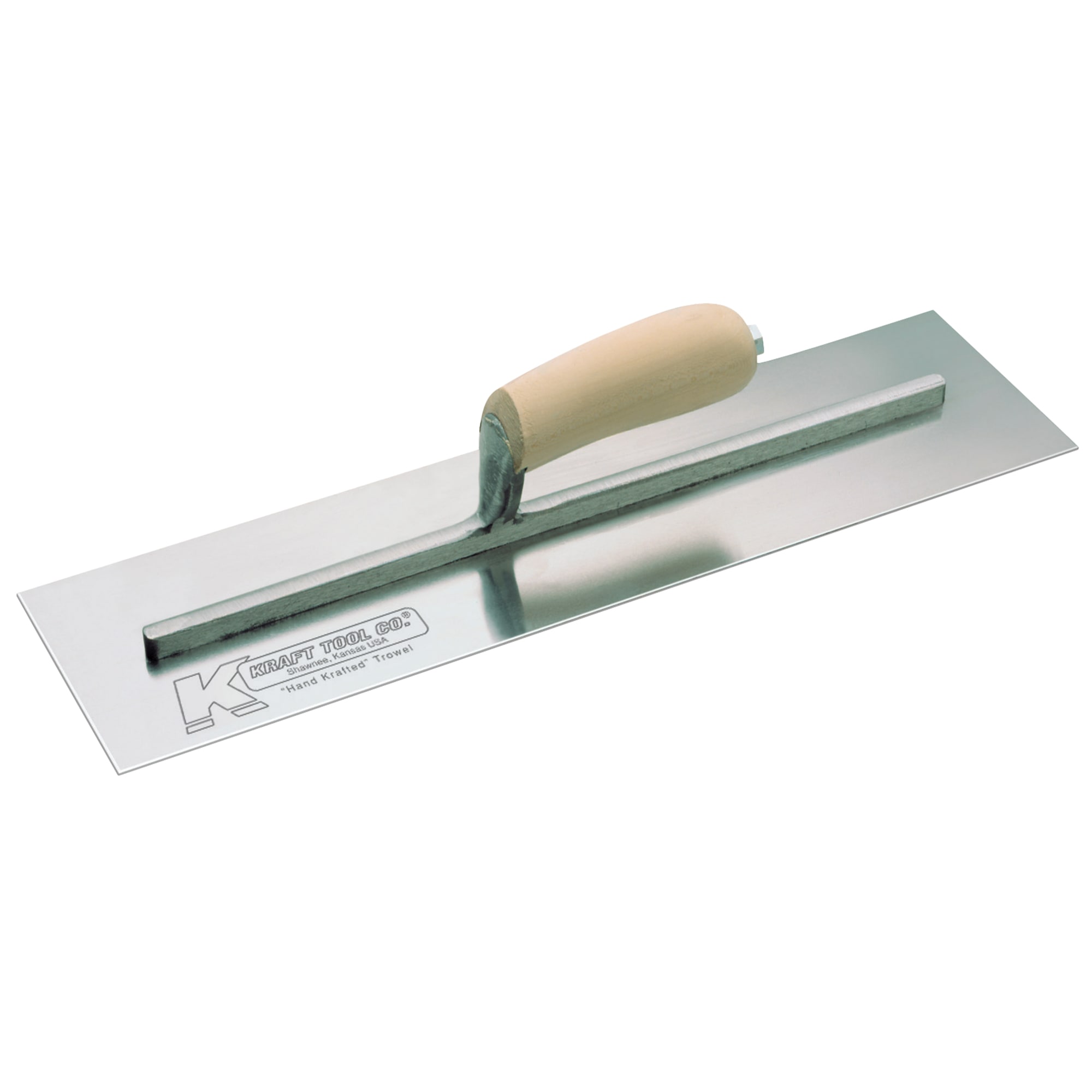
Wooden trowels have limits in masonry. They do not provide the strength, stiffness, or long service life of stainless steel or carbon steel. Cement-based products also contain alkaline compounds that can dry and damage wood.
Use a wooden trowel for small, controlled jobs, not heavy production work. Clean it right away after use. If mortar hardens on the blade, scraping it off may remove wood fibers and ruin the edge.
Benefits of Wooden Trowels
Wooden trowels remain popular because they offer several practical benefits.
They Protect Delicate Surfaces
A wooden edge is less likely to scratch glass, soft wood, ceramic, or coated surfaces. This makes the tool useful for finishing and craft work.
They Are Easy to Handle
Wood is light and warm in the hand. A well-shaped handle can reduce hand fatigue during short jobs.
They Do Not Rust
Unlike steel, wood does not rust. This is useful in damp work areas, although wood can still absorb water and decay if it stays wet.
They Are Often Affordable
Most wooden trowels cost less than specialty metal tools. They are a practical choice for beginners, classrooms, hobby rooms, and occasional home repairs.
They Are Easy to Modify
You can sand the edge, round a corner, or adjust the handle. This allows users to shape the tool for a specific craft or garden task.
They Can Be a Lower-Waste Choice
Wood is a renewable material when it comes from responsibly managed forests. Some wooden tools also have fewer mixed materials than plastic and metal products. Still, sustainability depends on how the wood was sourced, treated, used, and discarded.

Limitations and Safety Concerns
Knowing what are wooden trowels used for also means knowing when not to use them. Wood is useful, but it is not suited to every job.
Important limits include:
• It can absorb water and chemicals
• It may crack under heavy force
• It can hold bacteria if poorly cleaned
• It may splinter with age
• It wears faster than quality steel
• It should not touch open flames
• It may stain from soil, dyes, paint, or mortar
• It is not suitable for cutting hard material
Do not use a wooden trowel to pry, hammer, chop, or break compacted material. The blade may snap, and broken fibers can cause cuts.
For food use, wash the tool with warm water and mild soap. Avoid long soaking unless the maker allows it. Dry it upright or in a well-ventilated place. Replace it if it develops deep cracks, a rough surface, mold, or a lingering odor.
For garden and masonry use, keep the tool separate from kitchen tools. Labeling or storing tools by purpose helps prevent accidental cross-use.
How to Choose the Right Wooden Trowel
The best tool depends on the material and the amount of force required. Consider these points before buying.
Blade Shape
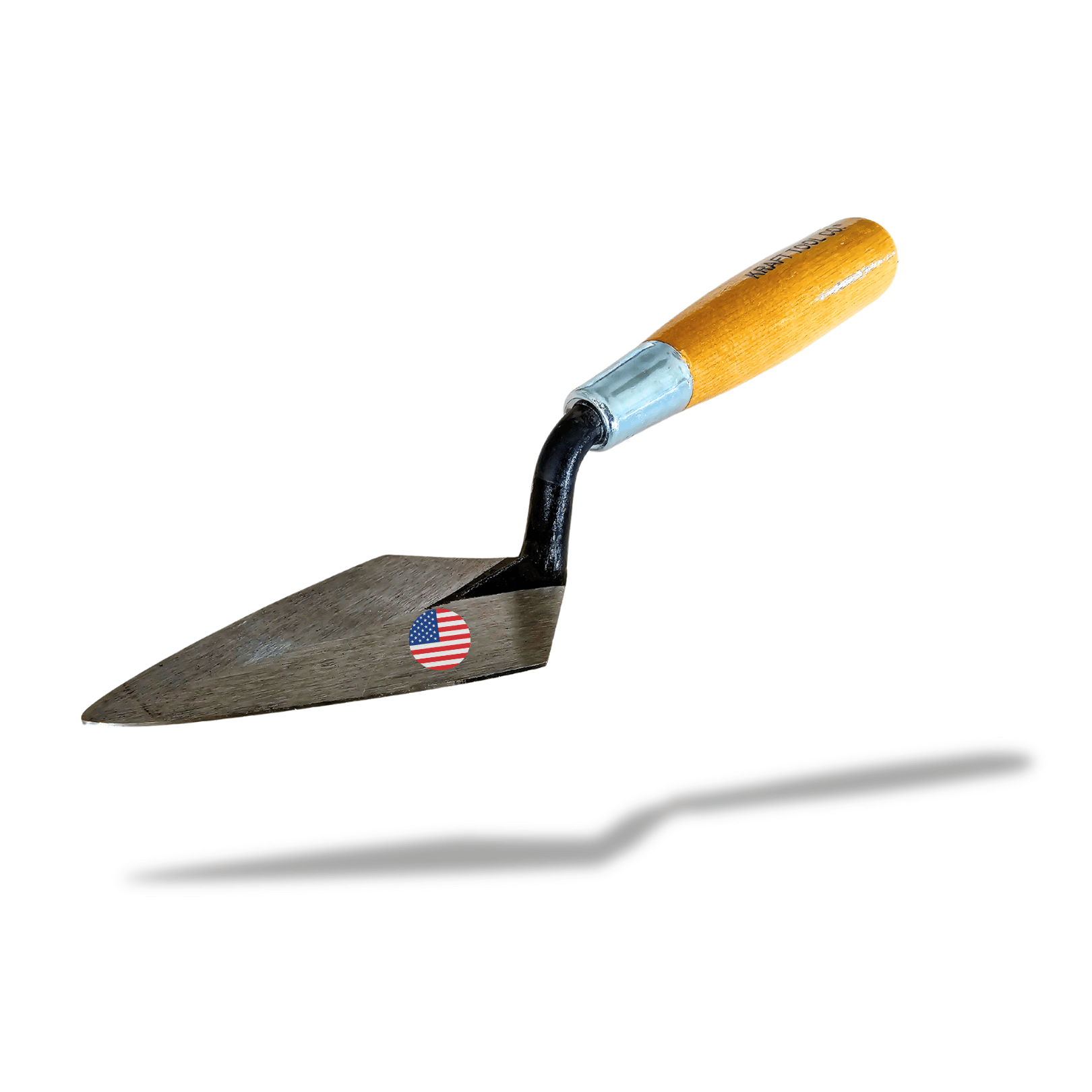
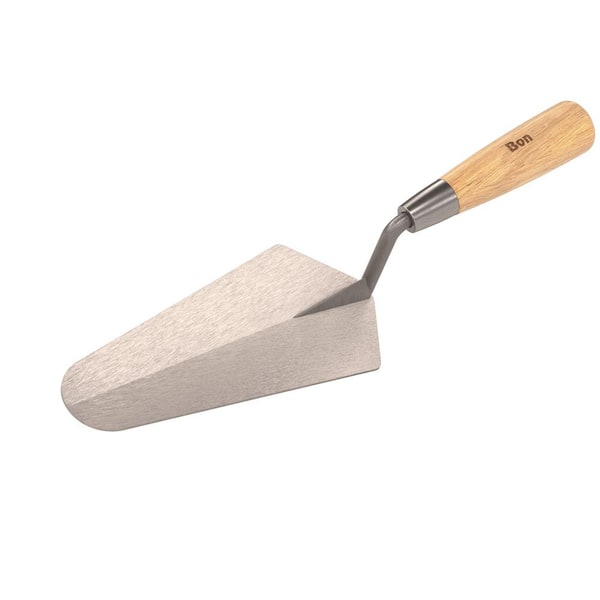
A flat blade works well for spreading and mixing. A narrow blade offers more control in pots and small spaces. A rounded blade is useful for smoothing and shaping.
Blade Thickness
Thin blades offer flexibility. Thick blades provide more support. Choose a thicker blade for dense clay or heavy soil, but remember that no wooden blade should be treated like a pry bar.
Wood Type
Hardwoods such as maple, beech, and ash often resist wear better than softwoods. Bamboo is light and useful for many food and craft tasks, but quality varies.
Handle Design
Look for a handle that feels secure without sharp corners. A hanging hole can help with storage. A one-piece design may reduce the chance of handle separation.
Surface Finish
The blade should feel smooth but not overly slippery. For food use, choose a finish approved for food contact. For gardening or masonry, avoid products with unknown coatings.
Size
A small trowel suits pots, models, and detailed craft work. A wider blade covers more area when spreading plaster, clay, or paste.
The most useful wooden trowel is not always the largest or strongest one. It is the tool that matches the material and gives you control.
How to Clean and Maintain a Wooden Trowel
Proper care can extend the life of a wooden trowel. The routine is simple.
- Remove loose material after each use.
- Wash food-safe tools with mild soap and warm water.
- Rinse garden tools to remove soil and plant residue.
- Wipe masonry tools before cement or plaster dries.
- Dry the tool fully in moving air.
- Sand small rough spots with fine sandpaper.
- Apply a suitable oil only when the maker recommends it.
- Store the tool away from standing water and direct heat.
Do not put most wooden trowels in a dishwasher. High heat and long exposure to water can warp the blade or split the handle.
Check the tool before each use. A small crack may grow when pressure is applied. If the blade feels soft, bends too much, or sheds fibers, replace it.
In practical use, storage causes many more problems than the work itself. A tool left in a wet bucket may fail faster than one used every week but dried after each job.
Wooden Trowel vs. Metal and Plastic Trowels
The choice between wood, metal, and plastic depends on the task.
| Feature | Wooden trowel | Metal trowel | Plastic trowel |
|---|---|---|---|
| Surface protection | Very good | May scratch | Good |
| Heavy digging | Poor | Excellent | Poor to fair |
| Heat resistance | Low | High | Low to moderate |
| Rust risk | None | Possible | None |
| Chemical resistance | Limited | Varies | Varies |
| Weight | Light | Moderate to heavy | Light |
| Flexibility | Low to moderate | Low to moderate | Moderate to high |
| Food use | Good if food-safe | Good if approved | Good if approved |
Wood is often the middle ground between gentle handling and useful strength. Metal wins for hard soil, stone, and heavy mortar. Plastic may be better when moisture and chemical resistance matter.
Ask three questions before choosing:
• Will the tool touch a delicate surface?
• Will the material be wet, hot, or chemical-based?
• Will the task require force or digging?
Your answers will usually make the right material clear.
Frequently Asked Questions About What Are Wooden Trowels Used For
What are wooden trowels used for in gardening?
Wooden trowels are used for moving loose soil, filling pots, mixing compost, and working around delicate roots. They are best for light gardening rather than hard digging or prying.
Can you use a wooden trowel for plaster?
Yes, a wooden trowel can mix or spread small amounts of soft plaster and patching material. It will not last as long as a metal trowel, especially if plaster dries on the blade.
Are wooden trowels safe for cooking?
A wooden trowel is safe for cooking only when it is made from food-safe materials and has not been used with soil, paint, mortar, or chemicals. Wash it gently, dry it well, and replace it if it cracks.
Are wooden trowels better than metal trowels?
Neither is best for every job. Wooden trowels protect delicate surfaces and feel light, while metal trowels provide better strength for digging, cutting, and heavy masonry work.
How do you clean a wooden trowel?
Remove material soon after use, wash the tool with mild soap when appropriate, and dry it fully. Avoid soaking and dishwashers because excess water and heat can warp or split the wood.
Can a wooden trowel scratch a surface?
A smooth wooden trowel is less likely to scratch than a metal one, but dirt, sand, or a rough splinter can still cause damage. Inspect and clean the blade before using it on a finished surface.
How long does a wooden trowel last?
Service life depends on wood quality, moisture, pressure, and care. With proper cleaning and dry storage, a good wooden trowel can last for years during light use.
Conclusion
Wooden trowels are used for gentle mixing, spreading, smoothing, shaping, light gardening, pottery, crafts, and small repair jobs. Their main advantage is simple: they offer control while reducing the risk of scratches and harsh contact.
They are not built for hard digging, prying, heavy construction, or long exposure to water and chemicals. Choose a smooth, well-sized tool, use it only for its intended task, and dry it after every use.
Now that you know what are wooden trowels used for, choose one that matches your project and put these care tips into practice. Explore more hands-on tool guides, and share your own wooden trowel experience in the comments.

Laura Bennett is a gardening writer at MyGardenLabs who creates beginner-friendly guides focused on solving common plant care and gardening problems.


