How To Grow A Bonsai Tree: Complete Beginner Guide
Start with a healthy young tree, prune roots and branches, use well-draining soil, and water consistently.
I have grown and cared for bonsai for years, and I will walk you through how to grow a bonsai tree step by step. This guide covers species choice, tools, soil, pruning, wiring, repotting, pest care, and seasonal tips. Read on for clear, practical steps you can start using today to shape a healthy, beautiful bonsai.

Understanding bonsai: what it is and why it matters
Bonsai is the art of growing a small tree in a pot. The aim is to mimic a full-size tree in nature. Learning how to grow a bonsai tree is a mix of horticulture and design. You care for the plant and shape it over time.
Bonsai is not a plant species. It is a method. Many trees can become bonsai. You will learn styles, terms, and basic goals here.
:strip_icc()/conifer-bonsai-5b4a29c9-363681044cd84f8c927adf91f21ed9b2.jpg)
Choosing the right tree for your goals
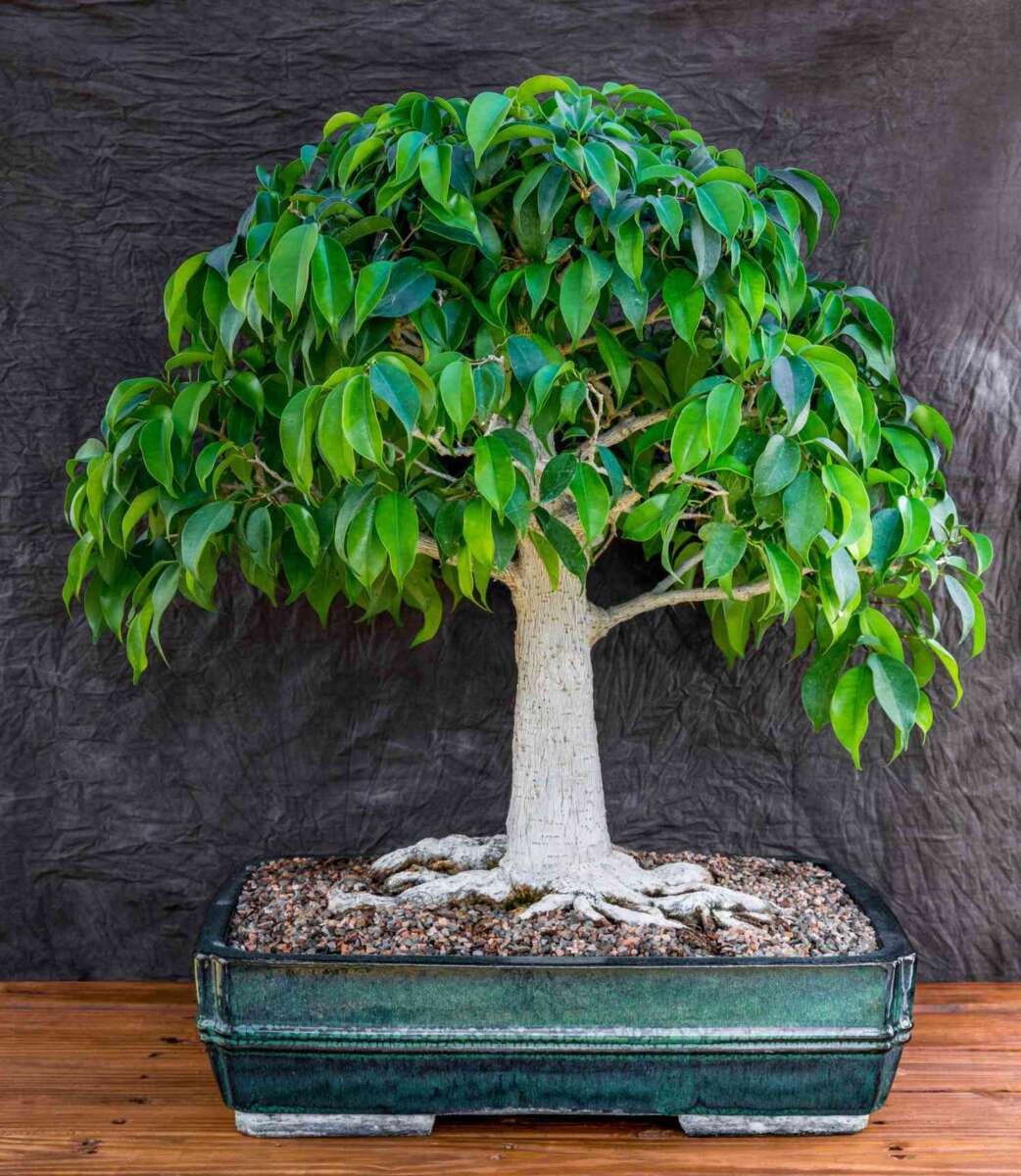
Pick a tree that fits your climate and skill level. For beginners, choose hardy, forgiving species. Good choices include ficus, jade, juniper, Chinese elm, and serissa.
Decide indoor or outdoor. Tropical species like ficus live indoors. Temperate trees like maple and pine need a winter rest. Matching tree and location is a key step in how to grow a bonsai tree that thrives.
From my experience, starting with a healthy nursery stock tree is faster than seed. I once trained a nursery ficus into a pleasing form in about two years. That success came from steady care and patient pruning.

Tools, soil, and pots you need
Basic tools help you shape the tree safely. Essentials include:
- Wire cutters for shaping branches.
- Concave cutters for pruning branches cleanly.
- Sharp shears for leaf trimming.
- Root rake for repotting.
- Bonsai wire in several thicknesses.
Soil must drain well and hold some moisture. Use a mix that often contains:
- Akadama or equivalent clay granules for water retention.
- Pumice for aeration.
- Lava rock or coarse grit for drainage.
Choose pots that match the tree size and style. The pot should allow good root spread and have drainage holes.

Basic bonsai techniques
Learn core techniques to shape and care for the tree. These are the building blocks of how to grow a bonsai tree.
Pruning
- Prune for shape and health.
- Remove crossing branches and weak growth.
- Perform trunk and branch pruning in the right season for the species.
Wiring
- Wrap wire neatly to bend branches.
- Check wire every few weeks to avoid wire cutting into bark.
- Remove wire once the branch holds shape.
Root pruning and repotting
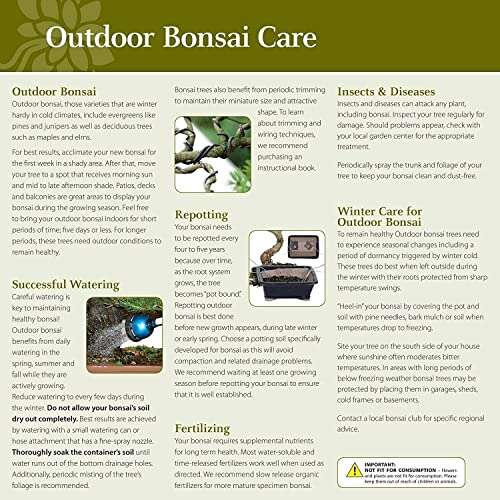
- Repot every 1–3 years for young trees, less often for older trees.
- Prune roots gently and remove old soil.
- Replace with fresh bonsai soil.
Watering
- Water when the top soil feels slightly dry.
- Use a fine nozzle to wet soil evenly.
- Avoid letting soil dry completely or stay waterlogged.
Feeding
- Use a balanced fertilizer during the growing season.
- Slow-release or liquid feed both work well.
- Reduce feeding in winter or dormancy.
:strip_icc()/GettyImages-598322873-409b66c4895d492eb28fde9e752d98ad.jpg)
Step-by-step: how to grow a bonsai tree from nursery stock
Follow these practical steps to begin shaping your tree.
- Pick a healthy nursery tree. Look for a strong trunk and good root ball.
- Remove the tree from its pot and trim 20–30% of long roots.
- Place the tree in a bonsai pot with fresh bonsai soil.
- Prune branches to create a rough shape. Keep a clear top and open center.
- Wire major branches to start shaping the silhouette.
- Water daily until established; then follow regular care.
- Repot after one year to refresh soil and check roots.
- Continue pruning and wiring over seasons to refine the design.
- Adjust feeding, water, and sun based on the tree’s response.
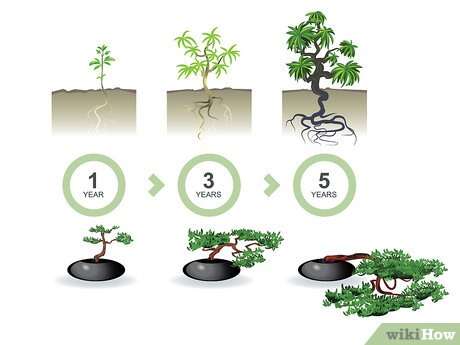
- Be patient. Style and trunk character take years to develop.
In my early bonsai work, I over-wired and caused scars on a juniper. I learned to wire less and check wires weekly. That mistake taught me to be gentle and patient.
:max_bytes(150000):strip_icc()/ML_Grow_Bonsai-8-2000-54d3d1a7424b4359b44e52383f40b834.jpg)
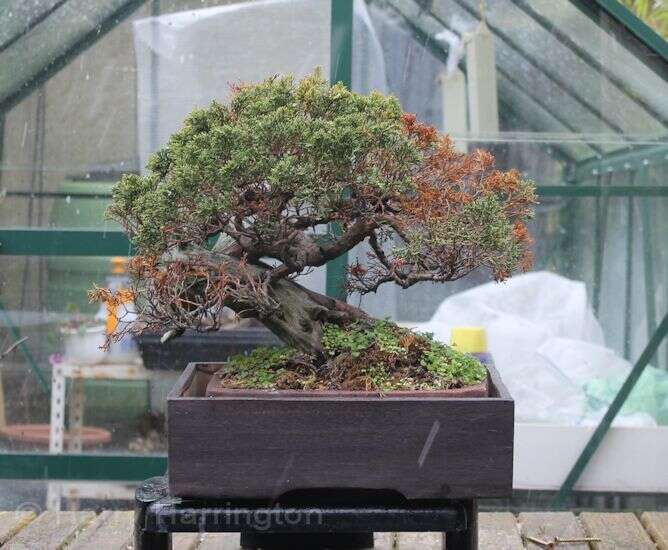
Common problems and how to fix them
You will meet issues as you learn how to grow a bonsai tree. Here are common problems and simple fixes.
Pests and disease
- Look for scale, aphids, and spider mites.
- Treat with gentle insecticidal soap or horticultural oil.
- Isolate infected plants.
Overwatering
- Symptoms: yellow leaves, soft roots.
- Fix: improve drainage and reduce watering frequency.
- Repot if roots are rotting.
Underwatering
- Symptoms: dry, brittle leaves.
- Fix: soak the pot and check soil mix for too much grit.
Leaf drop or bud failure
- Often caused by stress, light change, or wrong season.
- Adjust light and watering. Be patient as the tree recovers.
Advanced care and styling
Once you master basics, try advanced methods to add age and character.
Techniques to learn
- Jin and shari to create deadwood and age.
- Grafting to add branches or change foliage type.
- Nebari work to expose surface roots for a mature look.
Refinement
- Work in phases: structure first, refinement later.
- Train a branch over multiple seasons for a natural curve.
- Use careful pruning and selective wiring to keep the tree healthy.
Advanced work is slow. It rewards patience and steady care.

Seasonal care and climate considerations
Adjust care by season to help the tree thrive. Season matters when you learn how to grow a bonsai tree well.
Spring
- Growth is active. Feed and shape new shoots.
- Repot if needed before strong growth starts.
Summer
- Provide shade in hot midday sun for sensitive species.
- Water more often in heat.
Autumn
- Reduce feeding as growth slows.
- Harden off the tree for winter.
Winter
- Many bonsai need a cool rest. Protect tender species from frost.
- Indoor bonsai may need extra light and humidity.
Match your care plan to the tree species and local climate. Small steps each season keep the tree strong.
Frequently Asked Questions of how to grow a bonsai tree
How often should I water my bonsai?
Water when the topsoil feels slightly dry to the touch. Most bonsai need daily checks; water deeply when you do.
Can I start a bonsai from seed?
Yes, but starting from seed takes years for trunk age and shape. Many beginners start from nursery stock for faster results.
What soil mix is best for bonsai?
Use a well-draining mix with clay granules, pumice, and grit. The exact mix depends on your tree and climate.
How long does it take to grow a bonsai?
You can shape a basic bonsai in 1–3 years, but well-aged trunks take decades. Patience is part of the art.
Do indoor bonsai need sunlight?
Yes, indoor bonsai still need bright light. Place them near a south or west window and supplement with grow lights if needed.
How do I prevent wire scarring?
Check wire every few weeks and remove or adjust it as the branch sets. Use padded wire on soft bark and be conservative with wire tightness.