How Do You Spell Bonsai: Correct Spelling And Tips
Bonsai is spelled B-O-N-S-A-I — six letters taken from the Japanese phrase for tray planting.
I’ve worked with bonsai enthusiasts and written about the word many times, so I know how readers search for its spelling, meaning, and correct use. This article explains exactly how to spell bonsai, how to pronounce it, common misspellings, grammar rules, and easy ways to remember the word. Read on for clear examples and practical tips from real experience with bonsai culture and language.

Spelling and pronunciation
Bonsai is spelled B-O-N-S-A-I. Each letter matters because the word comes from Japanese and keeps that original form in English. Pronounce it like "bon-sigh" or "bone-sigh" with a short "o" sound. Many English speakers say it slightly differently, but "bon-sigh" is the most accepted pronunciation.
- B — as in "bon" (short o)
- O — short vowel sound
- N — sound stays as in English
- SAI — pronounced like "sigh"
Origin and meaning
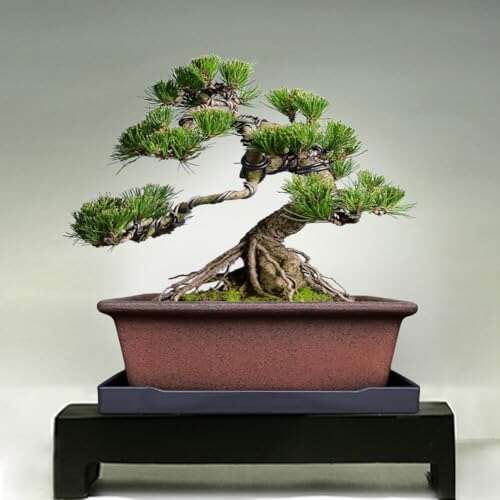
The word bonsai comes from Japanese. It combines two characters: 盆 (bon), meaning tray or pot, and 栽 (sai), meaning planting or cultivation. The literal idea is "tray planting." The term refers to the art of growing small trees that mimic full-size trees in nature.
Bonsai entered English in the early 20th century. It kept its original spelling and meaning. Knowing the origin helps you spell the word confidently and use it correctly in writing.
Common misspellings and mistakes
People often spell bonsai incorrectly. Here are frequent errors and how to fix them.
- bonzai — replaces the S with Z; incorrect but common
- bon-sai or bonshai — adding hyphens or extra letters is wrong
- bonsay or bonsaie — wrong vowel substitutes
- banzai — different Japanese word; not related to the plant art
Tip: If you remember the parts "bon" and "sai," you avoid most mistakes. Visualize the tray ("bon") and the planting ("sai") to lock the spelling.
Plural, capitalization, and grammar
The plural of bonsai remains bonsai in English. You can also say bonsais, but bonsai is preferred. The word is not capitalized unless it begins a sentence or is part of a title.
- Singular: a bonsai
- Plural: many bonsai (preferred) or many bonsais (less common)
- Capitalization: bonsai, Bonsai (only at sentence start or title)
Use bonsai like any countable noun in a sentence. For formal writing, stick to bonsai for both singular and plural.

How to use bonsai in sentences
Here are simple, correct examples you can copy and use.
- I gave her a small bonsai for her desk.
- The bonsai on the windowsill needs a new pot.
- He studies bonsai techniques every weekend.
- Those bonsai trees are over fifty years old.
- Our club shows bonsai at the community fair.
These short examples show common contexts. They also help you see grammar and plural use in action.
Mnemonics and tips to remember the spelling
Simple memory tricks help you spell bonsai fast. Try these:
- Think "BON" like a tray or "bon" in French (good) and "SAI" like "sigh." Say "bon-sigh" aloud.
- Picture the letters B O N on a tray, and S A I as the small tree roots.
- Use the rhyme: "Spell bonsai the easy way — B O N S A I."
Practice writing the word in short daily exercises. Repetition makes the correct spelling stick.
Personal experience and practical advice
I first learned the spelling by writing bonsai labels for a community show. I misspelled it at first as bonzai. Correcting that mistake taught me a useful habit: write the word slowly and say each syllable aloud. When I teach beginners, I show them the kanji 盆栽 and the two parts. That visual cue helps students remember the letters.
Practical tips from my experience:
- Label your plants with a small card that reads "bonsai." Seeing it daily reinforces spelling.
- Use the word in short sentences when you write care notes or captions.
- If you type often, add bonsai to your personal spell-check dictionary.
Related concepts and brief care notes
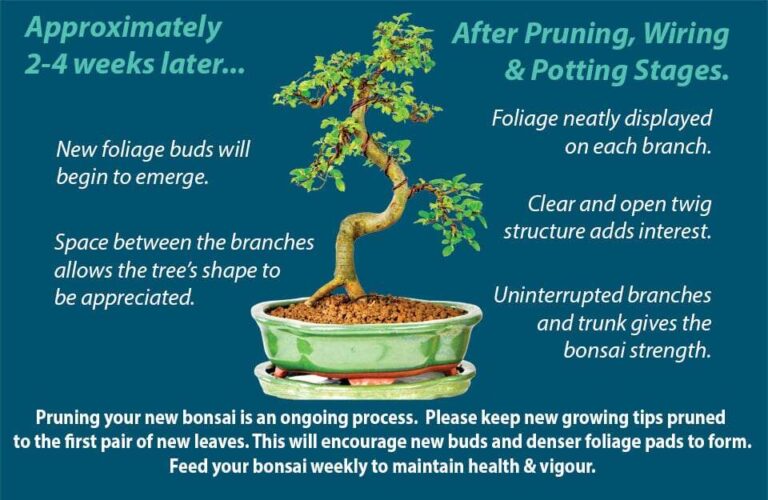
Covering related terms helps you use bonsai correctly in wider contexts. Related words include pruning, wiring, potting, root pruning, and repotting. These terms often appear with bonsai in articles and labels.
Quick care notes:
- Bonsai need regular pruning and seasonal care.
- Soil, watering, and light are key topics often tied to bonsai descriptions.
- Use correct terms like "bonsai pot" or "bonsai soil" when you write product descriptions.
Understanding these related ideas improves how you write about bonsai and keeps your spelling accurate.
Frequently Asked Questions of how do you spell bonsai
How do you spell bonsai?
Bonsai is spelled B-O-N-S-A-I. Say it aloud as "bon-sigh" to remember the syllables.
Is bonsai capitalized?
Only capitalize bonsai at the start of a sentence or in a title. Otherwise keep it lowercase.
What is the plural of bonsai?
The preferred plural is bonsai. Some people use bonsais, but it is less common.
Is bonzai correct?
No. Bonzai with a Z is a common misspelling. The correct spelling uses an S: bonsai.
How do you pronounce bonsai?
Pronounce it like "bon-sigh." Some say "bone-sigh," but "bon-sigh" matches the Japanese pronunciation best.
Can I use bonsai as an adjective?
Yes. You can say bonsai tree, bonsai pot, or bonsai care. Use it like any descriptive noun.
Conclusion
You now know how to spell bonsai, why that spelling matters, and how to use the word correctly in writing. Remember B-O-N-S-A-I, think "tray planting," and say "bon-sigh" to lock it in. Try labeling a plant or writing three sentences using bonsai today to make the spelling stick. If you found this helpful, leave a comment, share your bonsai stories, or subscribe for more clear, practical language tips.

Laura Bennett is a gardening writer at MyGardenLabs who creates beginner-friendly guides focused on solving common plant care and gardening problems.