Can I Prune Loropetalum In The Fall: Best Timing Tips
Yes, you can prune loropetalum in fall, but limit cuts to light cleanup and safety.
Knowing whether you can prune loropetalum in the fall depends on the type of cut, your climate, and the plant’s bloom cycle. After caring for loropetalum in warm and cold garden settings, I have found that careful fall pruning protects next year’s flowers, while heavy pruning can leave the shrub bare and weak.
Can You Prune Loropetalum in the Fall?
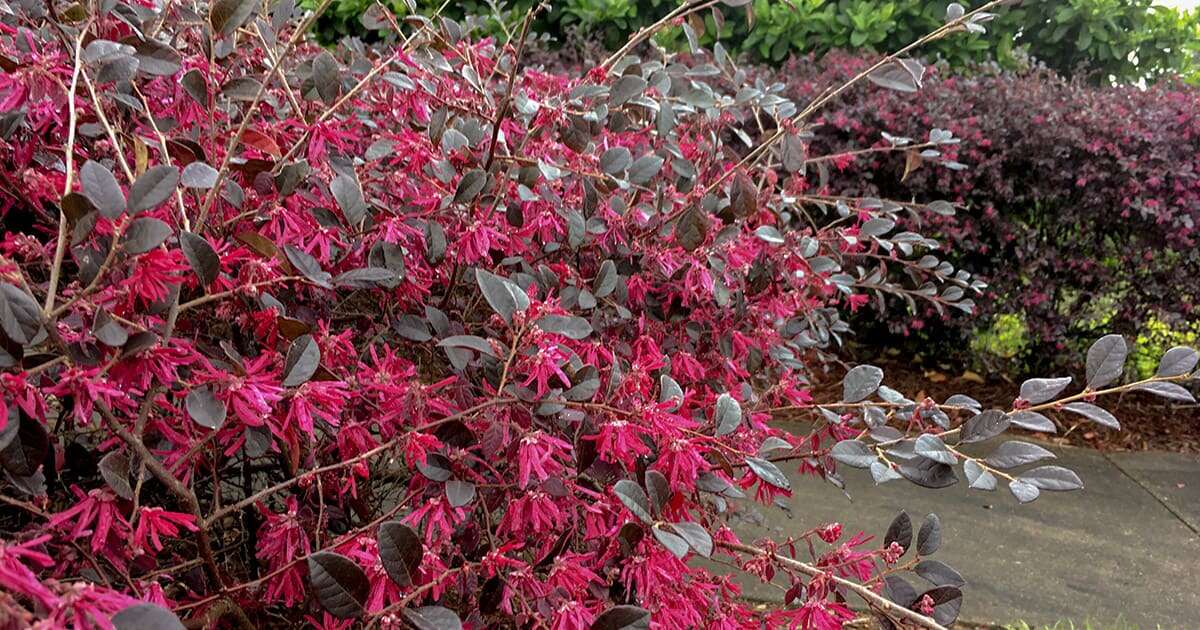
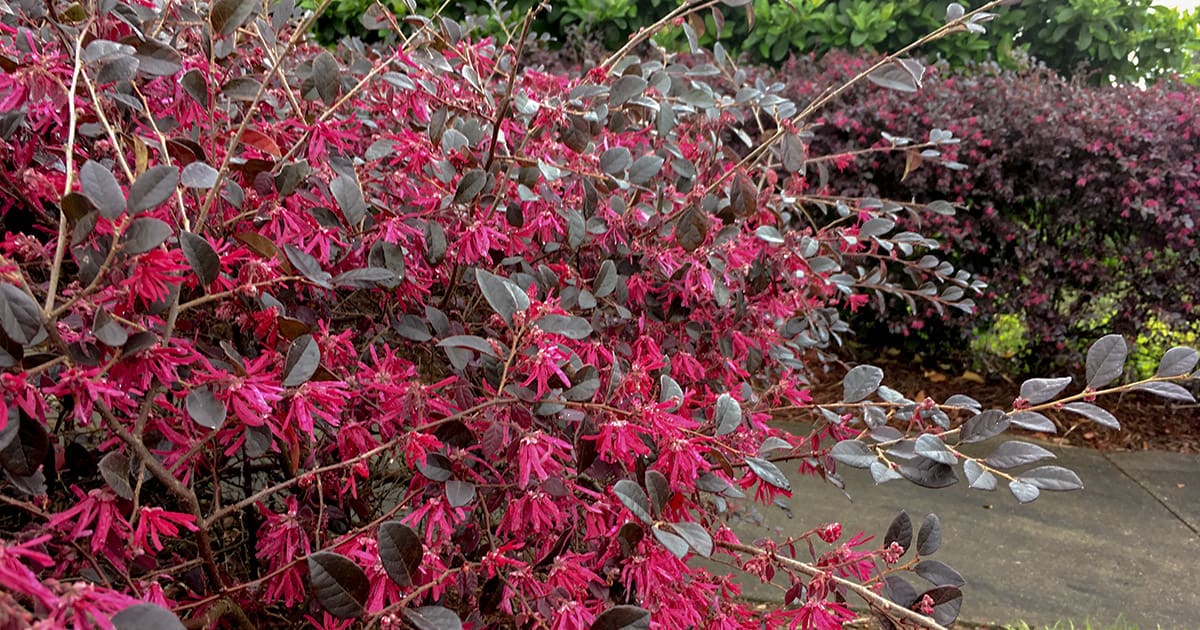
Yes, you can prune loropetalum in the fall, but fall is not the best time for major shaping or size reduction. Loropetalum, also called Chinese fringe flower, often forms flower buds on older wood. A hard trim in autumn may remove those buds before they open in late winter or spring.
Fall pruning is best for small, targeted cuts. Remove dead, broken, diseased, or unsafe branches. You can also remove a few stems that rub against each other or block a walkway.
Use this simple rule:
• Light cleanup is usually safe in fall.
• Heavy pruning should wait until after flowering.
• Avoid pruning just before a hard freeze.
• Do not shear the entire shrub unless you accept fewer flowers.

Why Fall Pruning Can Reduce Flowers
Loropetalum flower buds may develop on the previous season’s growth. This means the branches growing now may carry next year’s pink, red, or white fringe-like flowers.
When you prune loropetalum in the fall, you may cut away these flower-bearing stems. The shrub can still grow well, but its spring display may be smaller. This is one reason many horticulture experts recommend pruning after the main bloom period.
Heavy fall pruning can also encourage new growth. That growth may be soft and tender when cold weather arrives. A sudden freeze can damage the new shoots, causing brown tips and dieback.
Think of the plant as preparing for winter by slowing down. A major trim tells it to start growing again at the wrong time.

The Best Time to Prune Loropetalum
The best pruning time depends on your goal. For most loropetalum plants, the ideal time for shaping is shortly after flowering ends.
Pruning after flowering gives the shrub time to make fresh growth during the warm season. It also lets you see the plant’s natural shape before making cuts.
Here is a helpful seasonal guide:
• Late winter: Remove damaged wood before new growth begins, but avoid cutting off many flower buds.
• Spring after flowering: Use this as the main pruning window for shaping and size control.
• Summer: Make light cuts if needed, especially for wayward branches.
• Fall: Remove dead, diseased, broken, or hazardous branches only.
• Winter: Avoid routine pruning during freezing weather.
In mild climates, loropetalum may bloom more than once or flower over a long period. In that case, wait until the main bloom flush has ended before doing more than light trimming.

What You Can Safely Prune in Fall
You can prune loropetalum in the fall when a branch poses a clear problem. The goal is to improve plant health without changing the shrub’s basic shape.
Safe fall cuts include:
• Dead branches with no living buds
• Broken limbs after wind or storms
• Diseased stems with clear signs of decay
• Branches that touch the ground and stay wet
• Shoots that rub against healthy branches
• Growth blocking doors, paths, windows, or signs
• Thin suckers growing from the base
Make each cut just outside the branch collar. The branch collar is the slightly swollen area where a branch joins a larger stem. Do not cut flush against the trunk, and do not leave long stubs.
If you are unsure whether a branch is dead, lightly scratch the bark with a clean fingernail. Green tissue below the bark often means the branch is alive. Brown, dry tissue may indicate dead wood.

How to Prune Loropetalum in the Fall
If you decide to prune loropetalum in the fall, work slowly and remove only what is needed. A few careful cuts are better than a rushed haircut.
Follow these steps:
-
Choose a dry day with mild weather.
-
Inspect the entire shrub before cutting.
-
Remove dead, broken, and diseased branches first.
-
Cut back branches that rub or cross.
-
Thin crowded areas with selective cuts.
-
Step back often to check the shape.
-
Stop when the plant looks balanced.
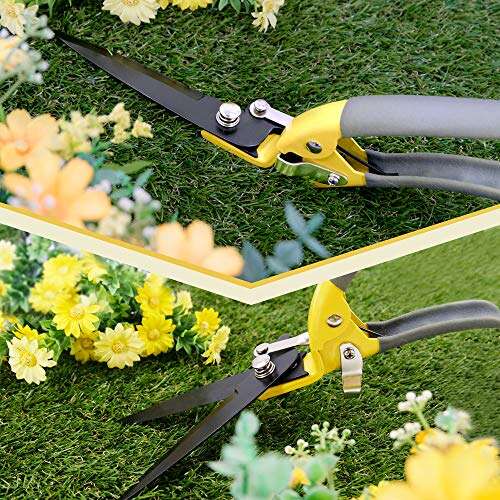
Use sharp bypass pruners for small stems. Use loppers for larger branches. Clean tools with rubbing alcohol before and after pruning, especially when cutting diseased wood.
Do not remove more than about 10 percent of the shrub during fall cleanup. This is a cautious guideline, not a strict law. A very healthy, established plant may tolerate more, but there is little benefit to taking that risk before winter.

Should You Shear Loropetalum in the Fall?
Shearing is usually not the best way to prune loropetalum in the fall. A hedge trimmer cuts many branches at the same height and creates a dense outer shell. This can make the shrub look neat for a short time, but it may hide weak growth inside.
Shearing can also remove many flower buds at once. Over time, repeated shearing may produce a stiff, unnatural shape.
Selective pruning is better for most loropetalum shrubs. Remove individual branches at different heights. This keeps the plant’s arching form and allows sunlight to reach the inner branches.
Some compact cultivars can tolerate light trimming as low hedges. Even then, prune after flowering when possible. Check the mature size of the cultivar before cutting it into a shape it cannot naturally maintain.
Fall Pruning by Climate
Your local weather matters when deciding whether you can prune loropetalum in the fall. Loropetalum grows best in warm regions, often in USDA hardiness Zones 7 through 10, though cold tolerance varies by cultivar.
In warm areas, fall pruning may cause new growth during mild weather. That growth can be damaged if a sudden cold front arrives.
In colder areas, the risk is higher. Late-season cuts may leave exposed wounds before freezing temperatures. Plants near the cold edge of their hardiness range may also suffer winter burn or branch dieback.
Use these regional tips:
• Warm climates: Limit fall pruning to cleanup and small corrections.
• Areas with early freezes: Finish any necessary cuts well before the first expected freeze.