Can I Trim My Bushes In The Fall: Best Pruning Tips
Yes, you can trim some bushes in the fall, but heavy pruning is risky for many shrubs.
The best answer to “can I trim my bushes in the fall?” depends on the plant, your climate, and the type of cut you plan to make. Light cleanup is often safe, while hard pruning can trigger tender new growth or remove next spring’s flowers. This guide explains when fall pruning works, when to wait, and how to protect your shrubs through winter.

Can I Trim My Bushes in the Fall?
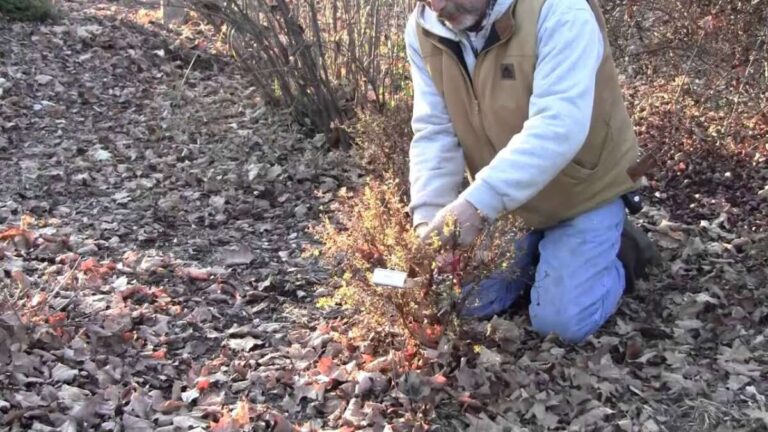
Yes, you can trim your bushes in the fall in many cases. However, fall is not the best season for every pruning job. A small cleanup differs greatly from cutting a shrub back by one-third or more.
In general, fall pruning is safest when you remove:
• Dead branches
• Broken or diseased wood
• Branches that touch the ground
• Branches that rub against each other
• Small growth that blocks a walkway
• A few stray stems that spoil the shrub’s shape
Avoid major shaping once the shrub is moving toward winter dormancy. A hard cut can encourage fresh shoots. These shoots may not have enough time to mature before freezing weather arrives.
The simple rule is this: trim only what needs attention in fall, and save major pruning for the plant’s proper season.

Why Fall Pruning Can Be Risky
Shrubs respond to pruning by producing new growth. In warm weather, that growth has time to harden and prepare for cold. In fall, the growing season may be nearly over.
New shoots made after a late cut can be soft and full of water. A sudden freeze may kill the tips or cause winter dieback. The plant may then spend spring energy repairing damage instead of making healthy leaves and flowers.
Heavy fall pruning can also reduce the shrub’s natural winter protection. Branches and leaves help shield inner stems from cold wind, snow, and rapid temperature changes. Removing too much is like taking away part of the plant’s winter coat.
Another concern is flower loss. Many spring flowering shrubs set their flower buds on old wood during the summer and fall. If you prune these bushes in autumn, you may cut off the buds that would have opened next spring.
Common examples include:
• Lilac
• Forsythia
• Azalea
• Rhododendron
• Viburnum
• Weigela
• Flowering quince
• Bigleaf hydrangea
This is why the answer to “can I trim my bushes in the fall?” is not the same for every species.
When Fall Trimming Is Safe
Fall trimming is usually safe when the work is light and focused. Think of it as cleanup, not a full makeover.
Remove dead or damaged wood as soon as you notice it. Dead branches can harbor pests and disease. Broken limbs may also fall during storms or scrape healthy stems.
You can also remove diseased branches in fall. Cut well below the infected area and disinfect your pruners between cuts. A simple wipe with a household disinfectant can help prevent the spread of some plant diseases.
Light trimming may also work for shrubs that bloom on new wood. These plants form flower buds on growth made during the next growing season. Even so, major pruning is often better in late winter or early spring.
Fall trimming is most reasonable when:
• The shrub has finished active growth
• The weather is still mild
• You make only a few small cuts
• The plant does not bloom on old wood
• You remove a safety hazard
• The shrub has become too wide for a path or window
Stop pruning several weeks before your area’s usual first hard freeze. This gives the plant time to close wounds and settle into dormancy.

Bushes You Should Usually Not Prune in Fall
Some bushes should be left mostly alone in autumn. Spring flowering shrubs are the main group to protect.
Lilacs, forsythias, and many viburnums bloom on old wood. Their flower buds form on last year’s branches. Pruning in fall may remove those buds before winter even arrives.
Many hydrangeas need special care. Bigleaf hydrangeas often bloom on old wood, while smooth hydrangeas and panicle hydrangeas usually bloom on new wood. Cultivars can vary, so check the plant tag or a trusted local extension guide before making a large cut.
Evergreen shrubs also need caution. Boxwood, arborvitae, holly, and yew can suffer winter injury after late, heavy pruning. The cut surfaces and new growth may be more exposed to cold wind and sun.
Avoid fall pruning on these plants unless you are removing dead, broken, or dangerous branches:
• Spring blooming shrubs
• Broadleaf evergreens
• Young shrubs with thin stems
• Recently planted bushes
• Shrubs showing drought stress
• Plants with active disease or pest damage
When unsure, make the smallest cut possible. Waiting is often safer than guessing.

The Best Time to Prune Different Bushes
The best pruning time depends on when the shrub makes flowers and new growth. Knowing this cycle makes the answer to “can I trim my bushes in the fall?” much clearer.
Spring flowering bushes
Prune these shortly after they finish flowering. This timing lets them grow new branches and set flower buds for the following year.
Examples include lilac, forsythia, weigela, and many viburnums.
Summer flowering bushes
Many summer flowering shrubs bloom on new wood. These can often be pruned in late winter or early spring before fresh growth begins.
Examples include panicle hydrangea, smooth hydrangea, butterfly bush, and rose of Sharon.
Evergreen bushes
Evergreen shrubs usually need only light shaping. Late winter or early spring is often safer than fall, though local weather and plant type matter.
Examples include boxwood, yew, holly, and arborvitae.
Hedges
Formal hedges may need more than one trim each year. Stop shaping early enough for new growth to harden before freezing temperatures. In cold regions, avoid a severe trim in late fall.
Roses
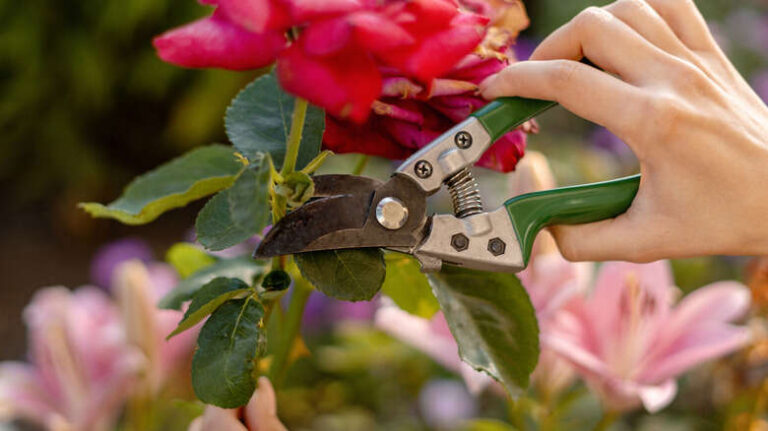
Rose pruning depends on the rose type. In fall, remove dead flowers and damaged canes, but avoid a major cut unless your local rose-growing guidance recommends it.

How to Trim Bushes in the Fall
If fall pruning is suitable for your shrub, use a careful method. Good tools and clean cuts reduce stress and help the plant recover.
1. Check the shrub first
Identify the plant before you cut. Look for its name on the tag, or compare its leaves, flowers, and growth pattern with a reliable plant guide.
Check for:
• Flower buds
• Disease spots
• Dead wood
• Crossing branches
• New, soft shoots
• Signs of winter stress
If you cannot identify the bush, limit your work to dead or broken branches.
2. Choose a dry day
Prune on a dry day when the air is calm. Wet foliage and open cuts can increase the chance of disease spread. Avoid pruning right before heavy rain or a sharp freeze.
3. Use sharp, clean tools
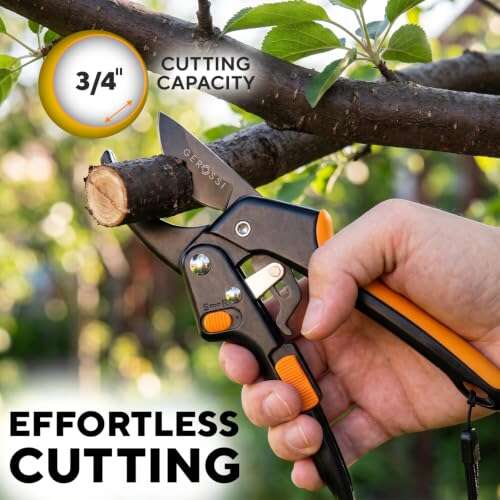
Use hand pruners for small stems and loppers for thicker branches. A pruning saw is better for large limbs.
Clean tools before and after use. Make sure the blades are sharp. Dull tools crush stems and leave ragged wounds.
4. Remove damaged wood first
Cut broken branches back to healthy wood. Make the cut just outside the branch collar, which is the slightly swollen area where the branch joins a larger stem.
Do not leave long stubs. Do not cut flush against the trunk or main branch. Both mistakes can slow healing.
5. Thin crowded areas
If the shrub is dense, remove a few older branches at the base. This opens the center and improves air flow without giving the plant a harsh, round shape.
Do not shear every branch to the same height unless the shrub is a formal hedge. Natural cuts often look better and create stronger growth.
6. Keep the cut modest
As a general fall guideline, remove no more than necessary. If the shrub needs major renovation, plan that work for the proper pruning season.
A good fall trim should leave the bush looking much like it did before, only cleaner and safer.

Should You Shape Hedges in the Fall?
You can lightly shape some hedges in early fall, but timing matters. A hedge that is trimmed too late may produce tender shoots that suffer winter damage.
Stop formal hedge trimming several weeks before the first expected hard freeze. In cold areas, this may mean finishing in late summer rather than fall.