What Tool Can Uproot The Ground For Gardening: Best Tools
A mattock, garden fork, or broadfork can uproot compact soil, deep roots, and stubborn weeds.
Knowing what tool can uproot the ground for gardening helps you work faster, protect your back, and avoid damaging healthy soil. The best choice depends on soil type, root depth, bed size, and whether you want to loosen, dig, or fully remove the ground. This guide explains each tool in clear terms, with practical tips for choosing and using the right one.

What tool can uproot the ground for gardening?
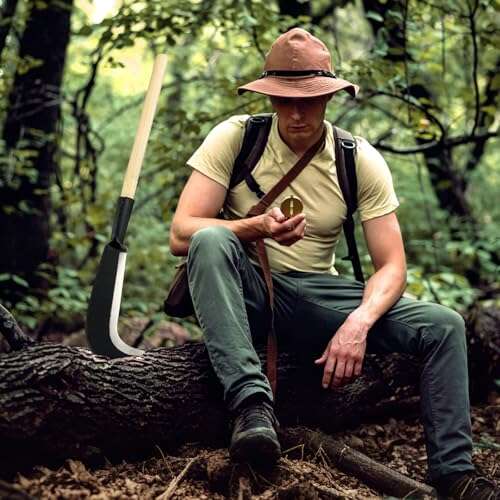
The mattock is usually the best all-purpose tool for uprooting hard ground. It has a long handle and a strong metal head with a pick on one side and a broad blade or adze on the other. The pointed end breaks compact soil, while the blade cuts roots and lifts packed earth.
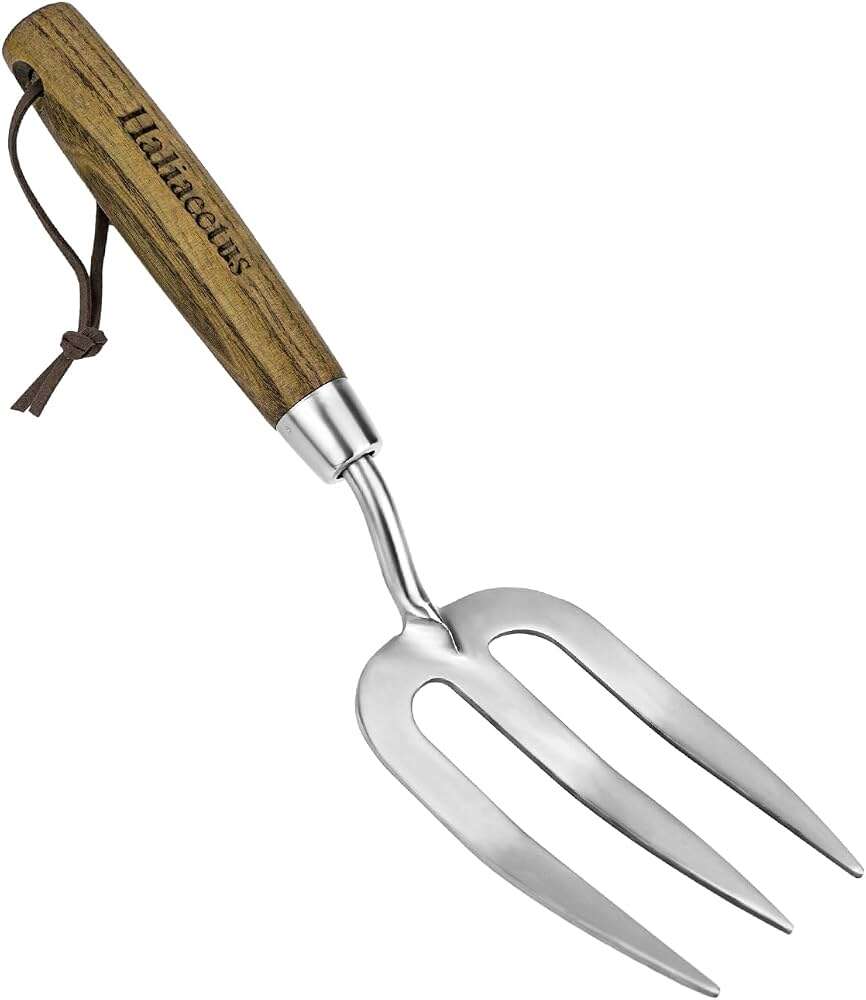
A garden fork is better when the soil is already fairly loose. Its strong tines slide under roots, clumps, and old plants. You can then lift the material without turning the soil into a fine dust.
A broadfork works well for large garden beds. It loosens a wide strip of soil with less bending and less digging. However, it does not cut through thick roots as well as a mattock or grub hoe.
Here are the main tools for uprooting ground:
• Mattock: Best for hard soil, rocks, thick roots, and neglected beds.
• Garden fork: Best for lifting plants, roots, compost, and loose soil.
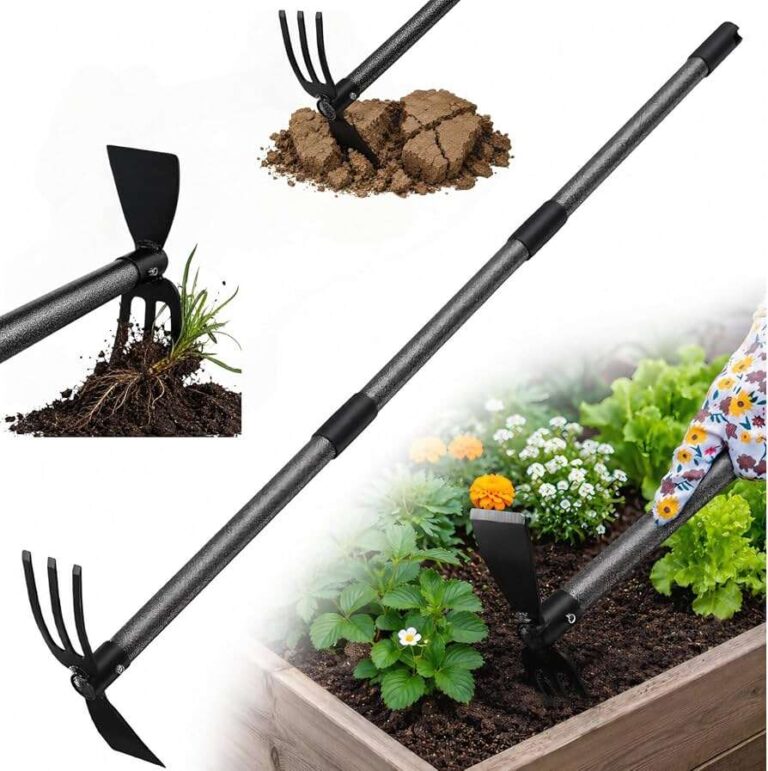
• Grub hoe: Best for cutting roots and chopping hard soil near the surface.
• Broadfork: Best for loosening wide garden beds without deep digging.
• Spade: Best for cutting clean edges and removing small sections of soil.
• Pickaxe: Best for very hard, rocky, or clay-heavy ground.
• Shovel: Best for moving loosened soil rather than breaking hard ground.
If you are asking what tool can uproot the ground for gardening in most home settings, start with a mattock or digging fork. These tools cover the widest range of common garden tasks.

How to choose the right ground-uprooting tool
The right tool depends on the job. Trying to use a shovel on hard clay, for example, can waste energy and bend the blade. Matching the tool to the soil is like choosing the right shoe for a long walk: comfort and control matter.
Check your soil first
Push a hand trowel or metal rod into the ground. If it enters easily, the soil may only need a garden fork or broadfork. If it stops after an inch or two, you may need a mattock, grub hoe, or pickaxe.
Avoid working very wet clay. Wet clay sticks to tools and forms dense clumps. Very dry clay can become almost as hard as brick. Slightly moist soil is usually easier to break and causes less damage to soil structure.
Consider the root size
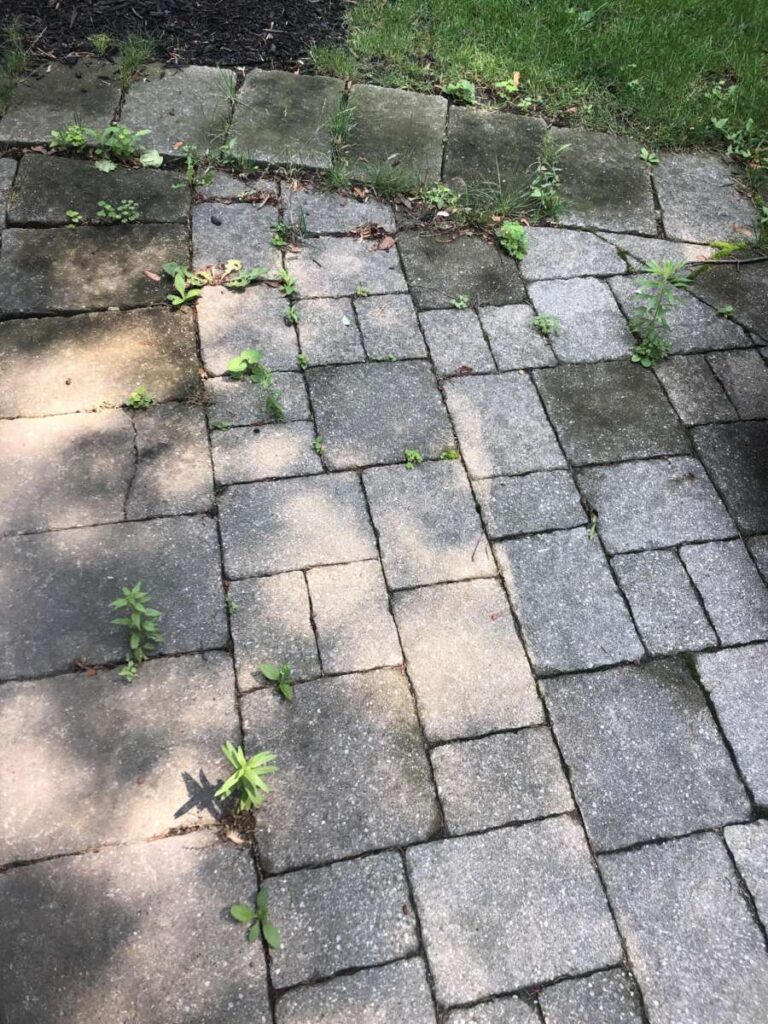
Small annual weeds have shallow roots. A hoe, hand cultivator, or garden fork can usually remove them.
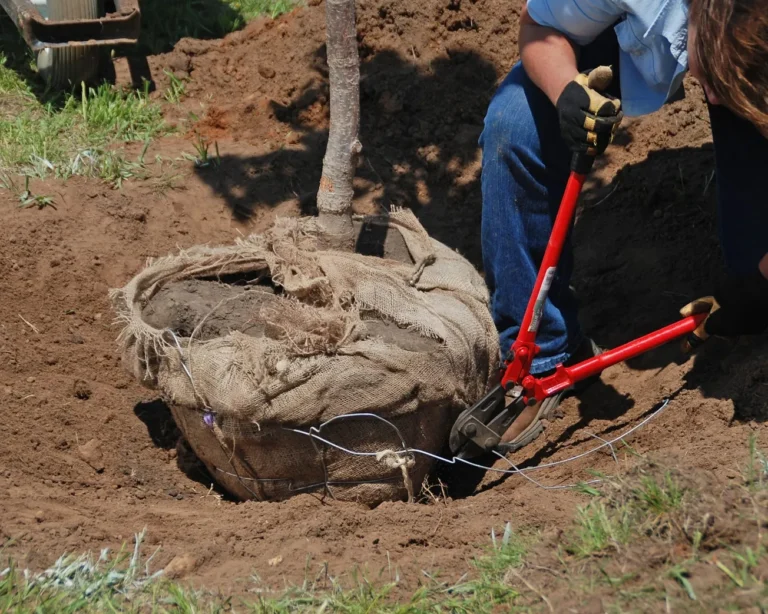
Large weeds, shrubs, and old perennial plants may have thick crowns or deep taproots. A mattock or sharp spade can cut below the crown and help you lift the full root system.
For woody roots, use loppers or a pruning saw before digging. Do not force a garden fork through a root that is too thick. The tool may bend, or the handle may snap.
Think about the size of the area
A hand tool works well for a small flower bed. A long-handled tool is better for a large plot because it gives you more leverage and reduces bending.
Use a broadfork when you need to loosen a full bed. Use a mattock when you need to attack specific hard spots. For a large area with deep compaction, a mechanical tiller may save time, but it can disturb soil life and spread perennial weed roots.
Compare effort and soil impact
Deep digging can expose weed seeds and disturb earthworms, fungi, and soil layers. In many gardens, shallow loosening is enough.
The best tool is not always the most powerful one. It is the tool that solves the problem with the least unnecessary disturbance.

The best tools for uprooting soil and roots
Each tool has a clear purpose. Learning the difference will help you avoid using a weak tool for a hard task or a heavy tool for a simple one.
Mattock
A mattock is the strongest hand tool for breaking hard ground. The pick end pierces dry soil, while the blade end cuts roots and pries up clumps.
Use a mattock for:
• Hard clay
• Compacted paths
• Rocky beds
• Thick grass roots
• Old shrubs
• Neglected garden plots
Swing it with control, not force. Let the weight of the head do most of the work. Strike shallowly at first, then deepen the cut as the soil opens.
Garden fork
A digging fork has four or more thick tines. It is useful for lifting soil and roots while leaving larger soil crumbs in place.
Use a garden fork to:
• Lift weeds after loosening the soil
• Divide perennials
• Break up moderate compaction
• Mix compost into the top layer
• Remove old plant roots
A garden fork is often the safest answer to what tool can uproot the ground for gardening when the soil is not severely compacted.
Choose a digging fork, not a lightweight manure fork. Digging forks have thicker tines and stronger connections between the head and handle.
Grub hoe
A grub hoe has a narrow, sharp blade. It cuts through roots and hard soil with a pulling motion.
This tool is excellent for removing weeds with tough crowns. It also works well between rows, along fence lines, and around old plants.
A grub hoe gives you more control than a pickaxe. It is a smart choice when you need to uproot ground in tight spaces.
Broadfork
A broadfork has several long tines attached to two handles. You step on the bar, push the tines into the soil, and pull back gently.
It loosens soil without turning the layers over. This can help protect soil structure and reduce disruption to worms and beneficial organisms.
A broadfork is not designed to chop thick roots or break large rocks. It works best after heavy roots and stones have been removed.
Pickaxe
A pickaxe is useful for ground that is extremely hard or filled with rocks. Its pointed end breaks hard material, and the flat end can cut or pry.
It is powerful but tiring. Use it for short periods and take regular breaks. A pickaxe is often more tool than a small garden bed requires.
Spade and shovel
A sharp spade cuts straight into soil. It is useful for edging beds, slicing through sod, and removing square sections.
A shovel has a curved blade that moves soil well. It is better for lifting and carrying loosened material than for breaking hard ground.
Many gardeners ask what tool can uproot the ground for gardening when they really need two tools: a spade to cut and a fork or mattock to lift.

How to uproot ground without damaging the garden
Uprooting ground does not mean destroying the entire bed. A careful method preserves good soil while removing the problem area.
-
Mark the work area. Use a string, hose, or small stakes to define the section you want to remove.