How To Remove Weeds From Between Patio Stones: Easy Fixes
Pull roots, scrape joints, clean debris, and refill gaps to stop weeds returning between patio stones.
Learning how to remove weeds from between patio stones starts with treating the cause, not just cutting off the green tops. I have cleaned many paver paths and patios, and the lasting fix is simple: remove the full root, clear the joint, and seal the open space with suitable jointing material. This guide explains safe methods, common mistakes, and easy ways to prevent weeds from coming back.
Why Weeds Grow Between Patio Stones
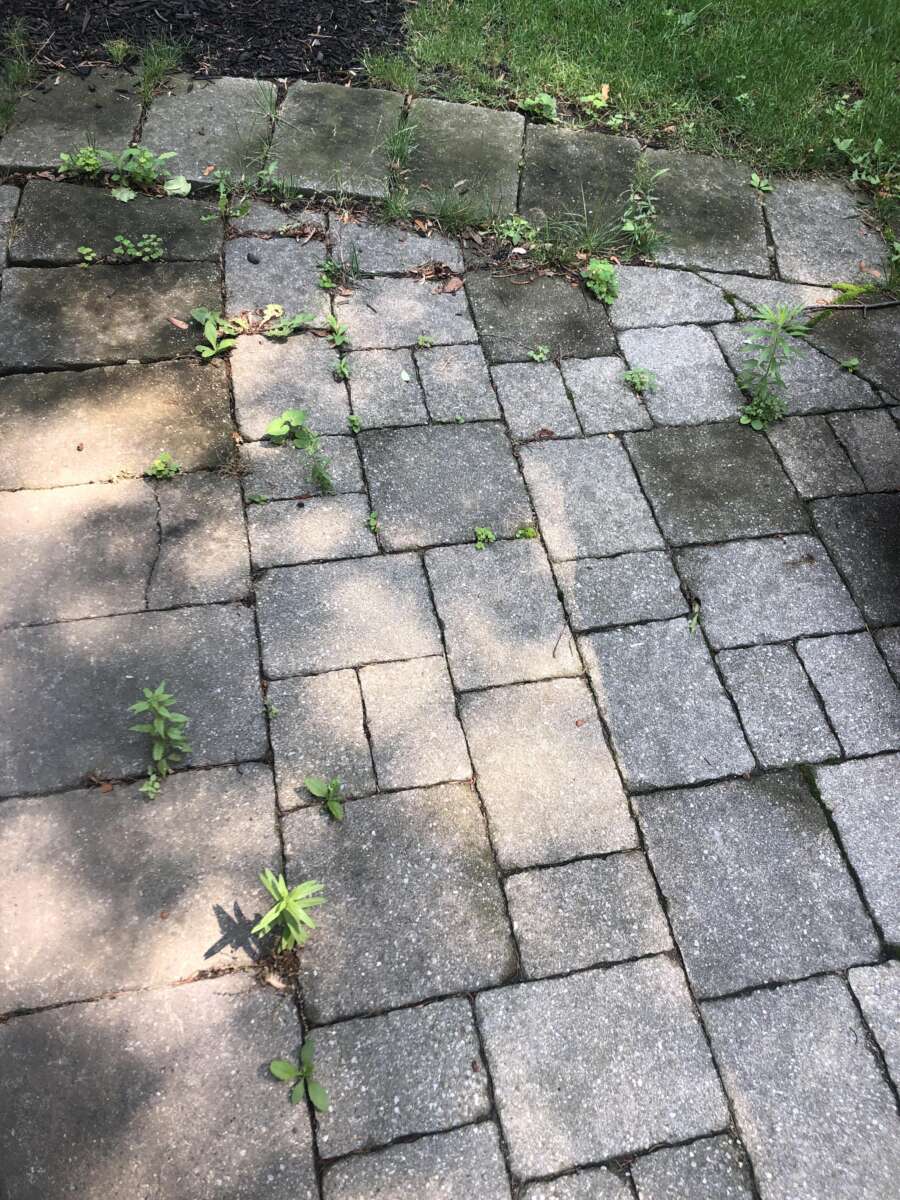
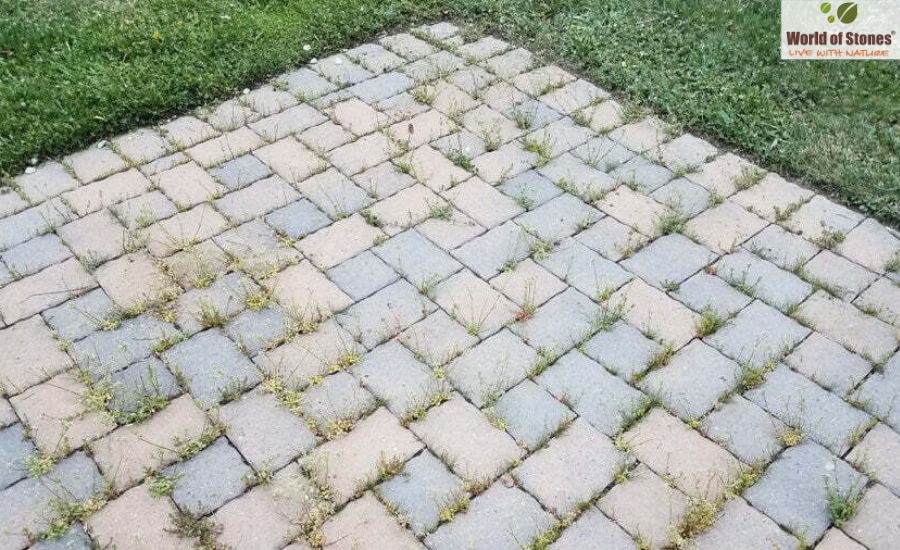
Weeds grow between patio stones because the joints collect soil, dust, leaves, and decaying plant matter. Wind and rain slowly fill these small gaps with a thin layer of growing material. Once a seed lands there, it can sprout even when the patio seems clean.
Some weeds also spread through roots or runners. A small piece left under a stone may grow again after rain. This is why cutting weeds at the surface often gives only a short-term result.
The most common causes include:
• Loose or missing joint sand
• Poor drainage
• Cracked or lifted patio stones
• Nearby grass and garden beds
• Fallen leaves and other organic debris
• Regular foot traffic that pushes dirt into the joints
Patio weeds are often annual plants, such as chickweed or small grasses. Others are tougher perennial weeds, such as dandelions, plantain, and creeping weeds. Perennial weeds need extra care because their roots can remain alive below the surface.
Tools and Safety Gear You Need
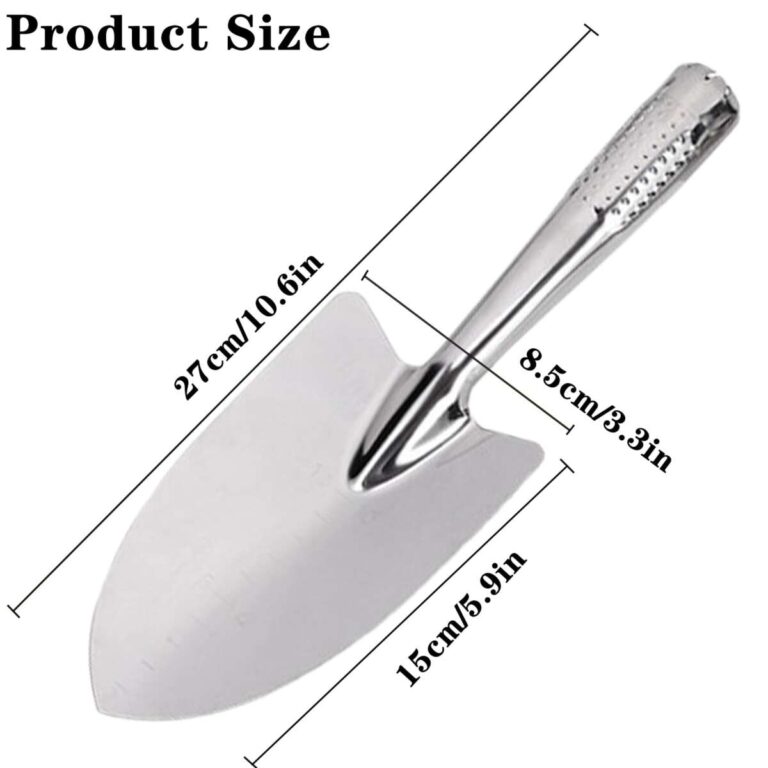
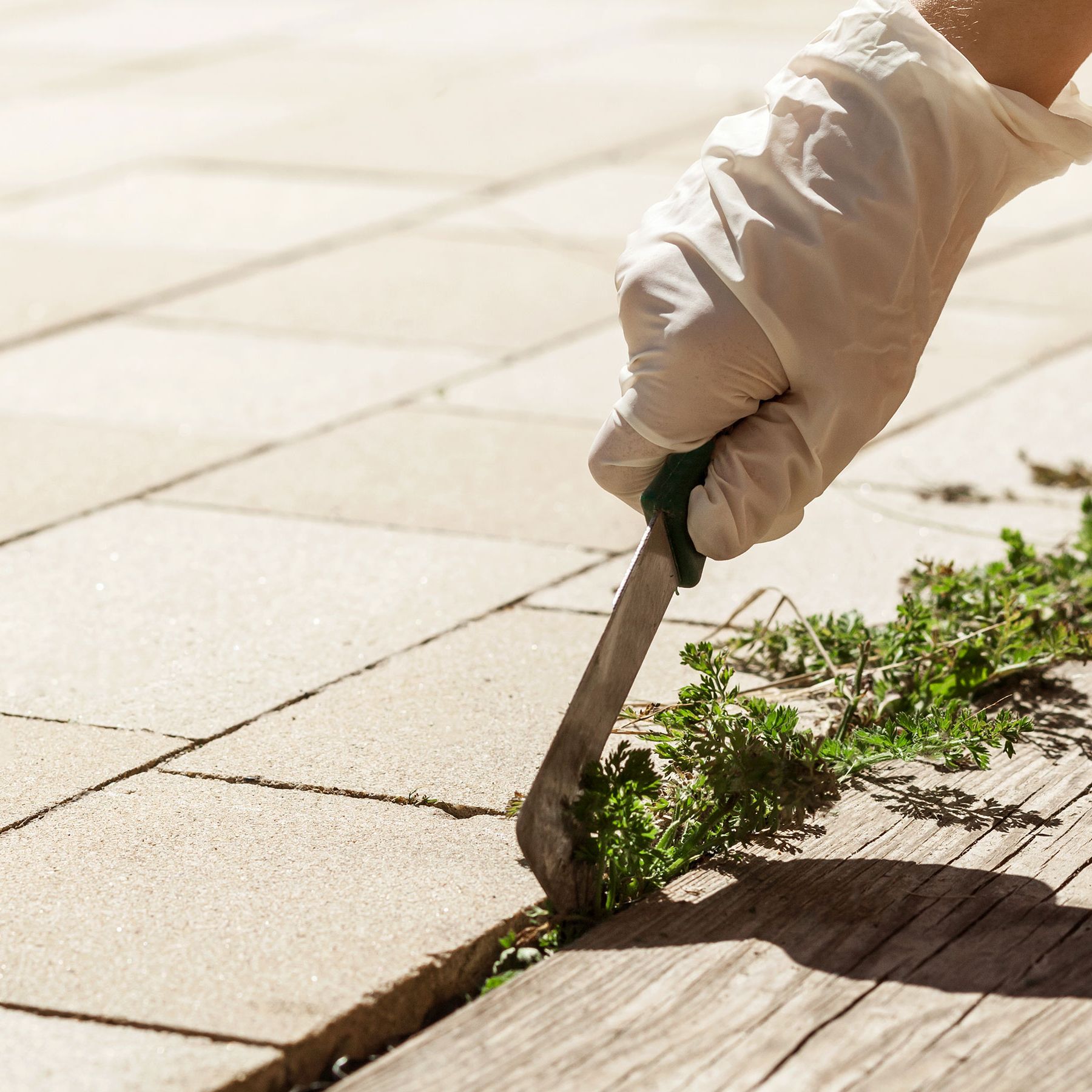
The right tools make it easier to learn how to remove weeds from between patio stones without damaging the pavers. A narrow tool works best because patio joints are small and often packed with hard soil.
Gather these items before you begin:
• Patio weeding knife or old flat screwdriver
• Stiff hand brush or wire brush
• Garden hose with a spray nozzle
• Bucket or garden bag
• Knee pads and work gloves
• Safety glasses
• Boiling water kettle, if using heat
• Jointing sand or polymeric sand
• Broom with firm bristles
Avoid using a sharp tool with heavy force near the edge of a stone. You can chip concrete pavers or loosen the setting bed below them. Work slowly, especially on older patios.
If you use a weed killer, wear the protective clothing listed on the product label. Keep children and pets away until the label says the area is safe. Never mix herbicides, vinegar, bleach, or other household chemicals.

How to Remove Weeds From Between Patio Stones by Hand
Hand removal is the safest method for most patios. It works well when weeds are young, the affected area is small, or you want to avoid chemicals near pets and plants.
Follow these steps:
-
Choose a dry day. Dry soil and dry weeds are easier to remove and sweep away.
-
Cut tall growth near the base. This gives you a clear view of the joint.
-
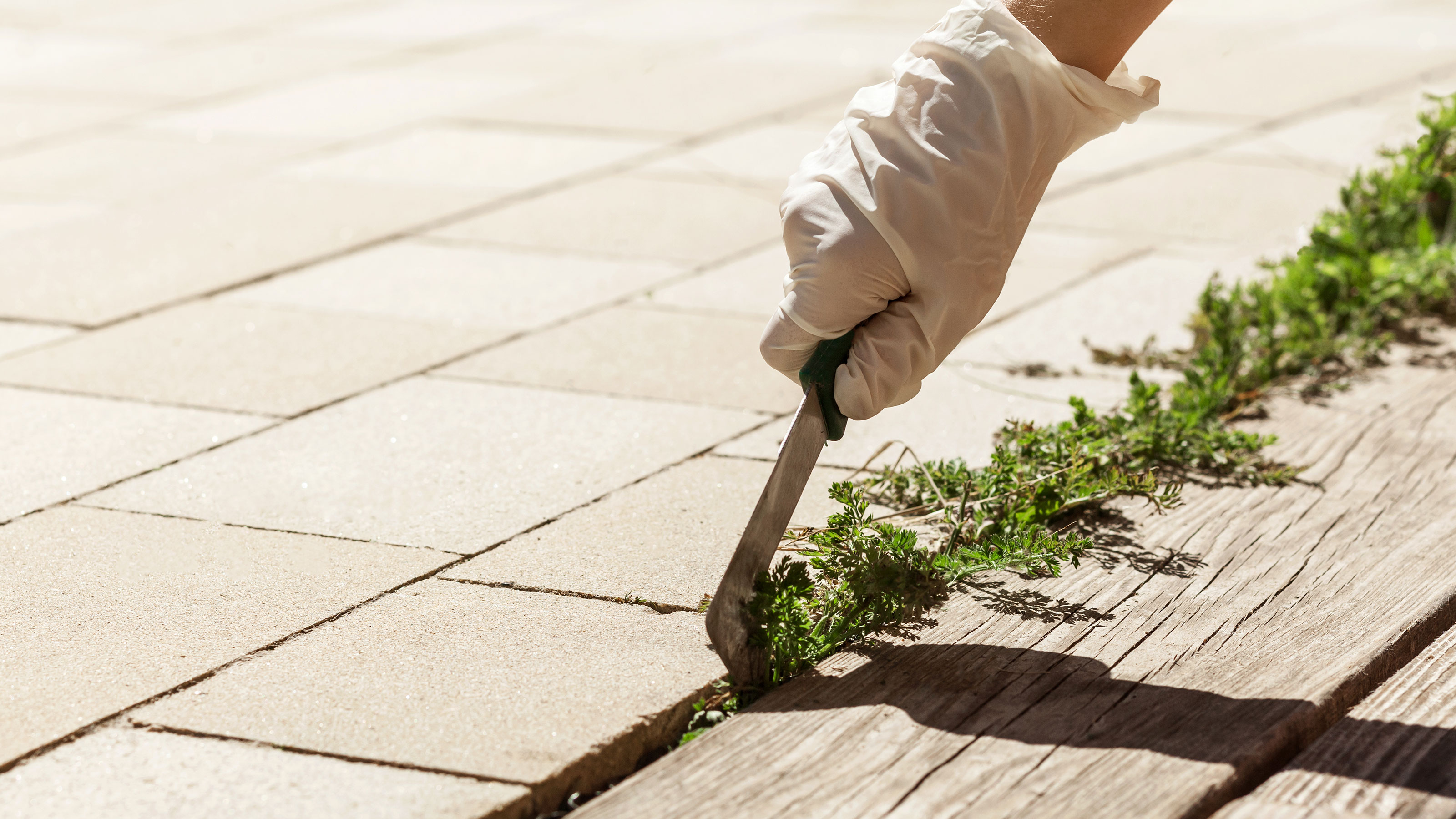
Insert a weeding knife beside the root. Push it down as far as the joint allows.
-
Loosen the soil around the root. Move the tool gently from side to side.
-
Pull the weed slowly. Try to remove the root in one piece.
-
Scrape out loose soil and old organic matter.
-
Brush the joint clean with a stiff brush.
-
Sweep up the debris and place it in a yard waste bag.
Do not simply pull the leaves and leave the root behind. That is one of the most common mistakes people make when learning how to remove weeds from between patio stones. If the root breaks, dig out the remaining piece before the gap is refilled.
For deep-rooted weeds, a narrow dandelion tool can help. If a paver moves while you work, stop and check its base. The stone may need to be lifted, leveled, and reset after the joint is clean.
Using Boiling Water to Kill Patio Weeds
Boiling water can kill small weeds by damaging their leaves and plant tissue. It is a low-cost option for cracks and joints where you do not want to use herbicide.
Pour the water slowly and close to the ground. Aim at the center of the weed, not across the whole patio. You may need to repeat the treatment after several days if the root survives.
Boiling water has limits. It can harm nearby grass, flowers, moss, and beneficial insects. It can also cause serious burns, so carry the kettle with care and keep children and pets away.
This method works best on young weeds. Large perennial weeds may need hand removal first. Boiling water also does not stop new seeds from blowing into the joint later.
Natural Weed Control Options
Some homeowners prefer natural methods for how to remove weeds from between patio stones. Hand pulling, brushing, and boiling water are usually the simplest choices.
A stiff brush can remove small weeds and moss from shallow joints. Brush back and forth until the plant material and loose soil are gone. This method is useful for routine patio care, but it may not remove deep roots.
Household vinegar can burn the leaves of weeds, but it is not a complete solution. Strong vinegar products may harm nearby plants and soil life. Repeated use can also affect the soil near garden beds. Common kitchen vinegar is often too weak to provide reliable control.
Salt is not a good general patio treatment. It can move into nearby soil with rain and damage grass, flowers, shrubs, and trees. It may also affect soil structure for a long time.
Bleach is also a poor choice. It can harm plants, stain surfaces, irritate skin and eyes, and pollute runoff. It does not provide a safe or dependable long-term weed solution.

When to Use a Weed Killer
A labeled patio or hardscape herbicide may help when weeds cover a large area or return after careful hand removal. Choose a product that is approved for the intended surface and target plants.
Read the full label before use. The label explains the right dose, weather limits, protective gear, storage rules, and reentry time. More product does not mean better control.
Avoid spraying when:
• Rain is expected soon
• Wind may carry spray to plants
• The surface drains toward a pond or storm drain
• Children or pets may enter the area
• Nearby plants could be damaged
A nonselective herbicide can kill almost any green plant it touches. Use a shield or targeted spray nozzle when appropriate. Spot treatment is usually better than covering the entire patio.