What Is The Difference Between Spade And Hand Spade: Guide
A spade is a full-size digging tool, while a hand spade is a small tool for close, light gardening work.
Understanding what is the difference between spade and hand spade helps you choose the right tool for digging, planting, edging, and moving soil. The terms can vary by country and store, so this guide explains their size, design, uses, strengths, limits, and safe handling in clear, practical terms.
What Is a Spade?
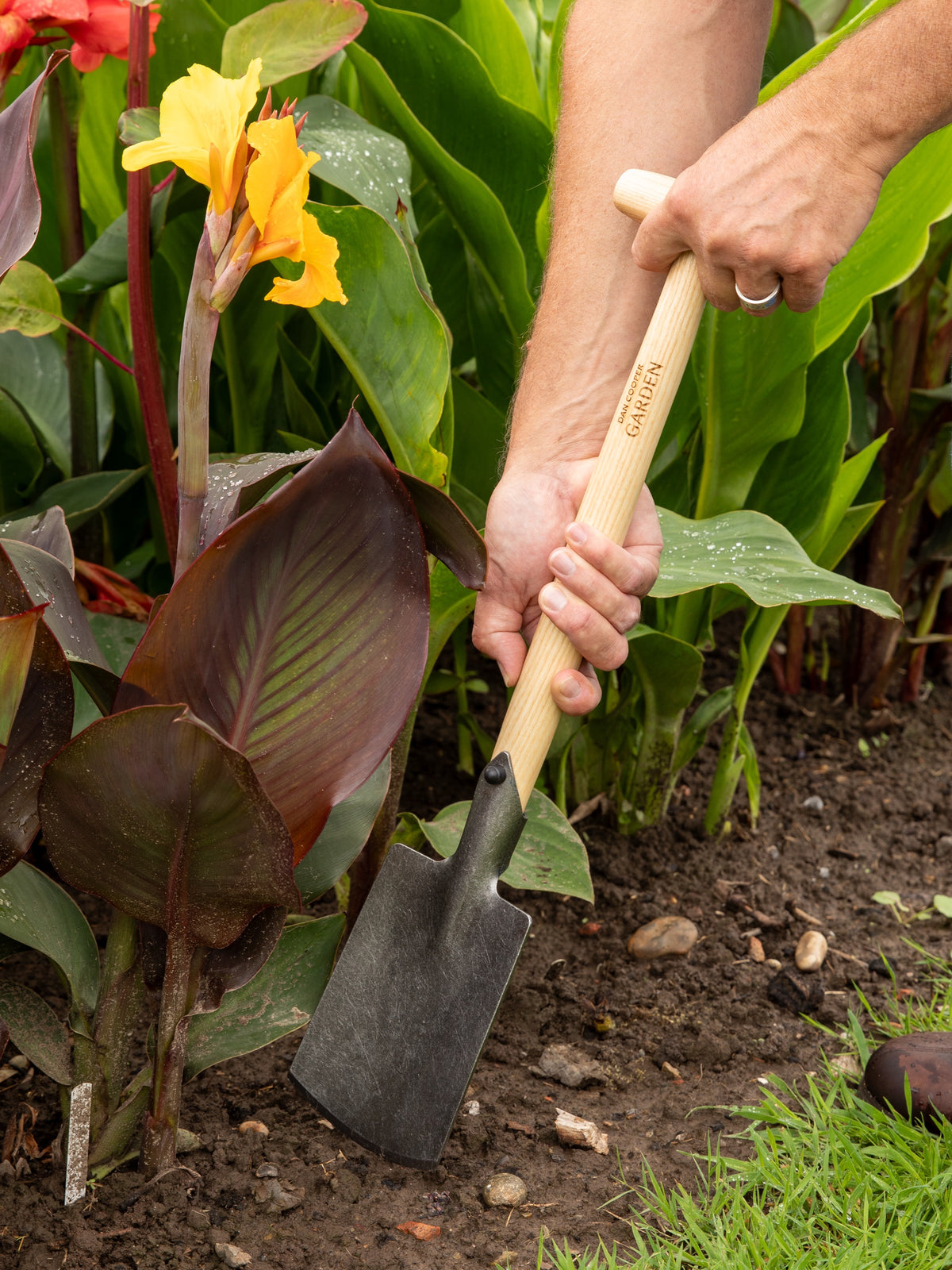
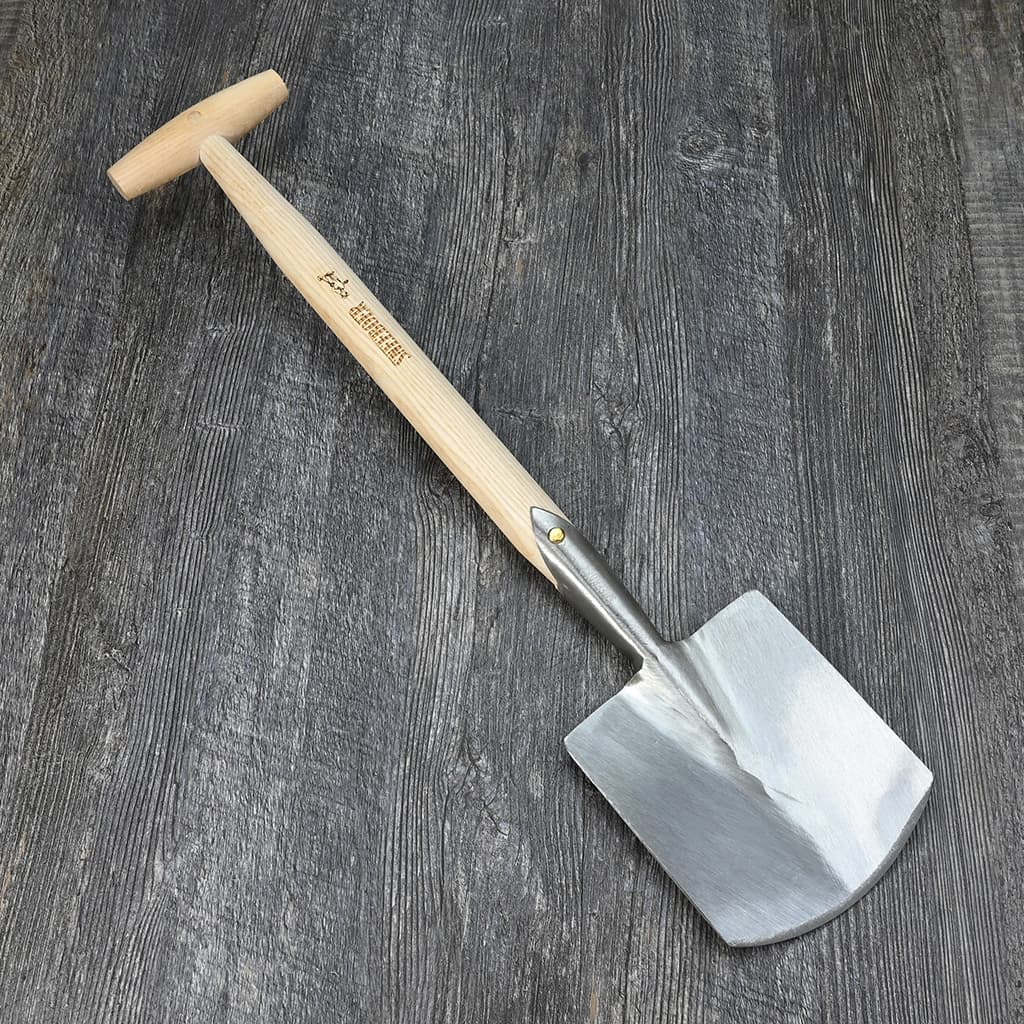
A spade is a long-handled garden tool with a broad, mostly flat blade. It is made for pushing into soil, lifting earth, cutting roots, turning beds, and creating clean edges. Most garden spades have a shaft made from wood, fiberglass, or metal.
The blade is often square or slightly rounded. Its shape gives it good control when you need a straight trench or a neat border around a lawn. A spade is also strong enough for firm soil, compost, and some light root cutting.
In the United States, people often use “spade” to describe a full-size digging tool. It is different from a shovel, which usually has a deeper, curved blade for scooping and moving loose material.
What Is a Hand Spade?
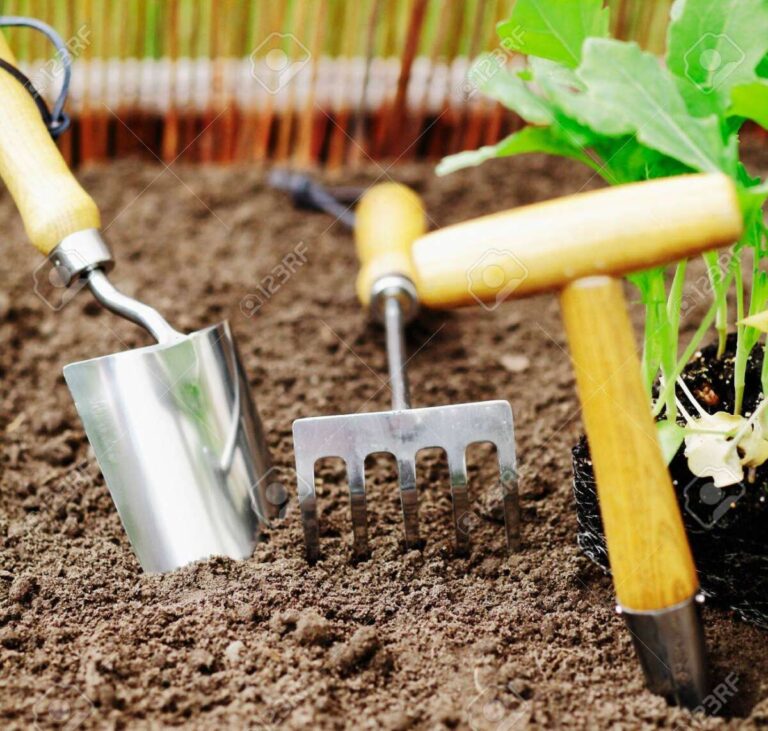
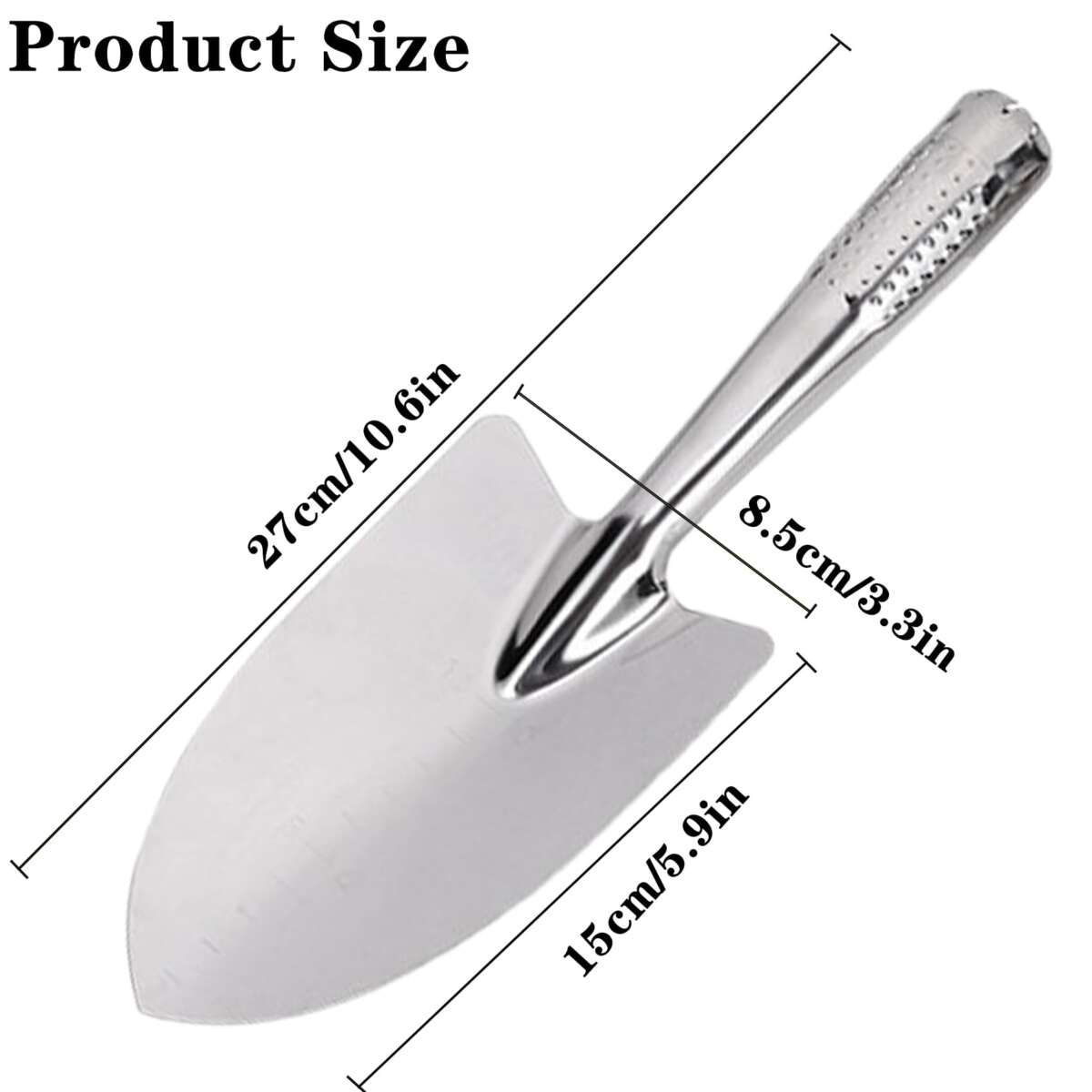
A hand spade is a small, handheld digging tool. In many U.S. garden stores, it is also called a garden trowel. It has a short handle and a narrow or rounded metal blade that fits easily into one hand.
A hand spade is useful for planting flowers, herbs, bulbs, and small vegetable seedlings. It also works well in pots, window boxes, raised beds, and tight spaces where a full-size tool would be awkward.
The name can cause confusion. Some brands call a small pointed tool a hand spade, while others use the term only for a narrow transplanting trowel. Always check the blade size and handle length rather than relying on the product name alone.

What Is the Difference Between Spade and Hand Spade?
The main difference is scale and purpose. A spade is built for heavier work with both hands and the power of your body, while a hand spade is designed for light, precise work with one hand.
Here is a simple comparison:
| Feature | Full-size spade | Hand spade |
|---|---|---|
| Handle | Long shaft | Short handle |
| Typical use | Digging beds, edging, cutting roots | Planting, potting, transplanting |
| Work area | Large outdoor spaces | Pots, beds, and small spaces |
| Force | Uses body weight and both hands | Uses hand and wrist strength |
| Blade size | Broad and deep | Small and narrow |
| Soil capacity | Moves more soil | Moves a small amount of soil |
| Best for | Firm ground and large tasks | Detail work and shallow holes |
| Storage | Needs more space | Fits in a small tool box |
This comparison explains what is the difference between spade and hand spade in practical terms. A full-size spade is like a long-handled work boot for the soil. A hand spade is more like a gardening pencil: smaller, more precise, and easier to control.

Spade vs. Shovel: Are They the Same?
A spade and a shovel are related, but they are not identical. A spade usually has a flatter blade with a sharper edge for cutting and digging. A shovel often has a curved blade that holds and moves soil, gravel, snow, or mulch.
Use a spade when you need to:
• Cut a straight trench
• Divide a plant
• Slice through roots
• Shape a garden edge
• Break into firm soil
Use a shovel when you need to:
• Scoop loose soil
• Move compost
• Load mulch
• Clear snow
• Transfer gravel or sand
Some tools combine features from both designs. This is why labels can vary between manufacturers. The blade shape tells you more about the tool’s job than the name printed on the package.

When Should You Use a Full-Size Spade?
A full-size spade is the better choice when the task covers a wide area or requires strong downward pressure. Its long handle lets you use your legs and body weight instead of relying only on your arms.
Common uses include:
• Turning a vegetable bed
• Digging planting holes for shrubs
• Cutting sod
• Dividing large perennials
• Making garden borders
• Removing small plants
• Breaking compacted soil
A full-size spade is not ideal for delicate seedlings or crowded beds. Its large blade can damage nearby roots, bulbs, or young plants.
One lesson many gardeners learn quickly is to match the tool to the soil. A sharp spade can enter moist, workable ground with ease. The same tool may struggle in dry clay, where soaking the area first can reduce effort and protect your back.

When Should You Use a Hand Spade?
A hand spade is best for jobs that need control rather than force. You can place its small blade close to a plant without disturbing the surrounding soil.
Use a hand spade for:
• Planting annual flowers
• Setting bulbs at the correct depth
• Transplanting seedlings
• Filling containers
• Removing weeds near young plants
• Mixing small amounts of compost
• Digging in raised beds
A hand spade also helps when gardening at ground level or in narrow spaces. Its short handle gives you a better view of the blade, which makes it easier to avoid stems and roots.
For container gardening, a hand spade is often the only digging tool you need. For a large yard, however, using it for every task can cause hand fatigue and slow progress.
How Blade Shape Changes Tool Performance
Blade shape affects how a tool enters soil and how much earth it can move. It also affects the amount of force needed for each task.
Square-edged blades
Square blades are useful for clean cuts. They work well for lawn edging, dividing soil, and shaping straight planting lines.
Pointed blades
Pointed blades enter hard or rocky soil more easily. They are helpful when you need to pierce compact ground or work around roots.
Narrow blades
Narrow blades are designed for transplanting. They make deep, slim holes and reduce damage to nearby plants.
Rounded blades
Rounded blades are more comfortable for general scooping and loose soil. They are common on hand trowels and multipurpose garden tools.
When deciding what is the difference between spade and hand spade, blade design matters as much as size. A small pointed hand spade may dig firm soil better than a wide, blunt one, but it still cannot move soil as quickly as a full-size spade.

How to Choose the Right Spade or Hand Spade
Choose the tool based on the work, your soil, and your physical comfort. A strong tool is helpful, but the best tool is the one you can control safely.
Consider these points:
- Check the blade material. Stainless steel resists rust, while carbon steel is strong and can hold a sharp edge.
- Inspect the handle. Look for a secure grip, smooth finish, and no cracks.
- Match the blade to the soil. A pointed edge suits firm ground, while a wider blade suits loose soil.
- Consider your height. A handle that is too short may cause bending and back strain.
- Test the weight. The tool should feel balanced, not heavy at the blade or handle.
- Look for a strong connection. The socket or joint between blade and shaft should not wobble.
- Think about storage. A hand spade is easier to keep in a small shed or apartment balcony.
For larger tasks, choose a full-size spade with a comfortable shaft and a foot rest on top of the blade. For detailed planting, choose a hand spade with clear depth marks if possible.

Common Mistakes to Avoid
Many tool problems come from using the right tool in the wrong way. Understanding what is the difference between spade and hand spade can prevent several common mistakes.
• Do not use a hand spade to break hard, dry ground for a long time. This can strain your wrist and bend the blade.
• Do not use a full-size spade near delicate roots unless you can clearly see where the roots are.
• Do not stand on a thin hand spade blade. Most hand tools are not built for full body weight.
• Do not leave steel tools wet or covered in soil. Moisture can lead to rust.
• Do not use a blunt blade for difficult soil. A sharp edge usually needs less force.
• Do not ignore handle damage. A cracked shaft can fail suddenly and cause an injury.
A practical habit is to pause before digging. Look at the soil, estimate the depth, and choose the smallest tool that can complete the task without extra force.

Safe and Efficient Digging Techniques
Good technique protects your back, shoulders, wrists, and knees. It also helps the tool last longer.
With a full-size spade, place one foot on the blade step and keep your back as straight as possible. Push with your leg, then lift the soil by bending your knees rather than rounding your back.
With a hand spade, keep your wrist in a neutral position. Push the blade into workable soil with short movements instead of twisting it from side to side.
Follow these simple safety steps:
• Wear gloves to protect your hands from blisters and sharp plant material.
• Use sturdy shoes with a firm sole.
• Check for irrigation lines, cables, and buried pipes before deep digging.