Best Shovel For Edging Garden Beds: Top Garden Picks
The best shovel for edging garden beds combines a sharp blade, strong handle, and steady foot platform.
A ragged bed line can make a neat yard look unfinished. I have seen grass creep into flowers, roots block a clean cut, and weak tools bend after one hard pass. The right edging shovel turns that chore into a smooth, clear job. It cuts a crisp border, removes a narrow strip of soil, and helps mulch stay in place. In this guide, I compare ten popular manual edgers and spades for soil, grass, roots, sidewalks, and flower beds. I focus on blade design, control, comfort, value, and the type of gardener each tool suits best.
CKLT 41-Inch Border Edger

The CKLT 41-inch border edger uses a half-moon style blade to cut a clear line between lawn and garden soil. Its tempered spring steel blade is made for firm ground and repeated foot pressure. The long shaft lets me work while standing, which saves my back during long edging sessions. The blade shape also helps create a narrow trench without disturbing nearby flowers.
I like this style for straight borders and gentle curves. The 41-inch length gives most users good reach, though very short gardeners may prefer a shorter tool. The blade needs a firm step in dry soil, but that is common with manual lawn edgers. For routine bed care, this tool offers the balanced feel I expect from a practical best shovel for edging garden beds.
Pros:
- Tempered spring steel blade handles firm soil
- Long shaft reduces bending
- Half-moon shape makes clean border cuts
- Useful for lawns, beds, and walkways
- Simple manual design needs no fuel or charging
Cons:
- May need several passes in very hard clay
- Fixed length may not suit every user
- Does not remove wide amounts of soil
My Recommendation
I recommend the CKLT for homeowners who want a classic, full-size edging tool for flower beds and lawn borders. It suits users who value a strong blade and a simple method over extra features. The CKLT is a sound best shovel for edging garden beds when you need clean lines at a fair price. It is especially useful for seasonal touch-ups and medium-size yards.
Root Slayer Serrated Garden Edger

The Root Slayer garden edger stands out with its serrated blade. Instead of relying only on downward force, the teeth help saw through turf, roots, and packed soil. That makes it a useful choice for older beds where grass has formed a thick mat. The red finish also makes the tool easy to spot in tall grass or a crowded shed.
In use, the serrated edge works best with a steady rocking motion. I would not treat it like a broad digging shovel because its main job is cutting a border. It can handle more resistance than a smooth blade, but roots still require care and patience. Gardeners with mature shrubs or spreading turf may find this one of the strongest choices in this best shovel for edging garden beds review.
Pros:
- Serrated edge helps cut roots and turf
- Useful for neglected or overgrown bed lines
- Bright red color improves visibility
- Strong design supports repeated manual use
- Good choice for cutting narrow borders
Cons:
- Serrations can snag in loose weeds
- May require more control than a smooth blade
- Not designed for moving large piles of soil
My Recommendation
I recommend the Root Slayer for gardeners who battle roots, thick sod, or beds that have not been edged for months. Its serrated edge gives it a clear advantage over a basic flat blade in tough ground. If your main goal is a crisp border through normal lawn soil, another tool may feel faster. For root-heavy yards, however, it is a strong best shovel for edging garden beds and a worthwhile long-term tool.
HANTOP Sharp Blade Spade

The HANTOP sharp blade spade takes a more traditional approach to edging. Its flat, pointed design can cut soil, divide plants, open trenches, and shape a garden border. A spade gives me more control over depth than a narrow rotary edger. It also works well when the edge needs small corrections around rocks or plant roots.
This tool is a good fit for gardeners who want one shovel to handle several tasks. The flat blade can lift small pieces of turf after the cut, which reduces the need for a second tool. It may not glide through long lawn runs as quickly as a half-moon edger. Still, its versatility makes it a practical best shovel for edging garden beds for small gardens and mixed tasks.
Pros:
- Sharp blade makes controlled cuts
- Flat shape helps lift turf and soil
- Useful for edging, planting, and dividing
- Works well around tight plant spaces
- Versatile choice for small garden jobs
Cons:
- Flat blade may need more effort in sod
- Less specialized than a half-moon edger
- Not ideal for very long borders
My Recommendation
I recommend the HANTOP spade for people who want a multi-use garden shovel rather than a single-purpose edger. It is especially helpful in small beds where precision matters more than speed. Its sharp, flat blade lets you cut, lift, plant, and shape with one tool. For flexible garden work, this can be the best shovel for edging garden beds in a compact yard.
Garden Weasel Edger Chopper
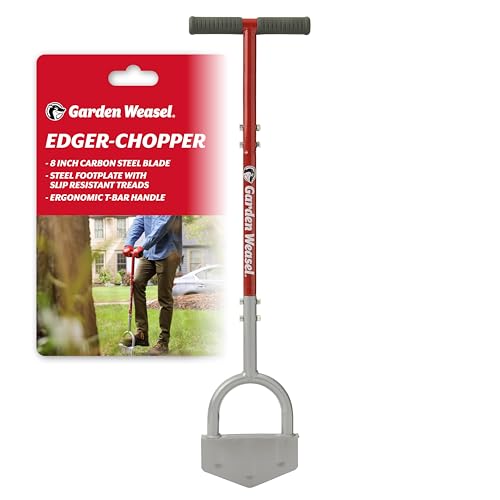
The Garden Weasel edger chopper is built for borders near garden beds, patios, and sidewalks. Its chopper-style head gives the user a direct downward cut, which helps define edges where grass meets a hard surface. The design feels useful for short sections and detail work. It can also help chop through small weeds that spread over a border.
I find this type of tool most useful when I need control rather than speed. It lets me place each cut exactly where I want it, much like using a firm garden knife on a larger scale. Long runs may take more steps than a rolling edger, but the result can look very tidy. It deserves consideration as a best shovel for edging garden beds near walkways and patios.
Pros:
- Works well along patios and sidewalks
- Direct cutting action offers good control
- Useful for short edges and detail work
- Can chop small weeds and thin roots
- Suitable for beds with tight boundaries
Cons:
- May feel slow on very long borders
- Requires repeated foot pressure
- Less suited to deep soil removal
My Recommendation
I recommend the Garden Weasel for homeowners who edge beside hard surfaces or maintain small, detailed beds. It is a helpful choice when exact placement matters more than covering ground quickly. Users with wide lawns may prefer a longer half-moon blade. For patio borders and careful touch-ups, this model can serve as the best shovel for edging garden beds.
KYEEN-TOOLS Serrated Half-Moon Edger
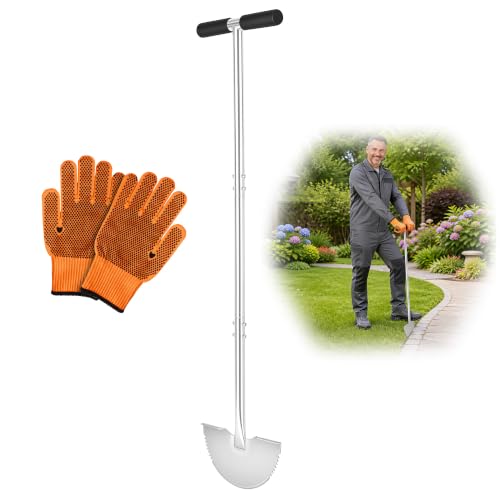
The KYEEN-TOOLS edger combines a half-moon blade with a serrated cutting edge. This pairing gives it a useful mix of speed and bite. The softer T-handle is designed to make the tool more comfortable during repeated pushes. At about 38 inches, it offers a workable height for many users without feeling overly long.
The serrated blade can help when grass runners or shallow roots cross the planned line. I suggest using short, firm steps rather than forcing the entire blade at once. Its rust-proof design should also make routine outdoor storage easier, although every metal tool benefits from being dried after use. For comfort and cutting power together, it is a strong candidate for the best shovel for edging garden beds.
Pros:
- Serrated blade handles grass roots well
- Half-moon shape creates even borders
- Softer T-handle feels comfortable in use
- Rust-proof construction suits outdoor work
- Useful for lawns, sidewalks, and bed lines
Cons:
- Teeth need cleaning after muddy work
- May not suit very small users
- Hard clay can still require multiple cuts
My Recommendation
I recommend the KYEEN-TOOLS model for gardeners who want a comfortable handle and a blade that can deal with more than thin grass. It is a good middle ground between a plain spade and a heavy root cutter. The design fits regular bed care, sidewalk edging, and light landscape work. For many home users, this is a well-rounded best shovel for edging garden beds with useful comfort features.
Radius Garden Pro-Lite Carbon Steel Edger

The Radius Garden Pro-Lite edger uses a carbon steel blade for a firm, stable cut. Its green finish gives it a clean garden-tool look, while the focused blade keeps the tool easy to guide along a border. Carbon steel offers the toughness I want in a tool that must take repeated foot pressure. This edger is designed for users who prefer a dedicated border tool.
The Pro-Lite name suggests a lighter approach, which can matter during a long session. A lighter edger is easier to lift and reposition, especially for gardeners with smaller frames or limited strength. It still needs sound technique in dry ground: water the area first if the soil is brick hard. This is a strong best shovel for edging garden beds when low fatigue and steady control matter.
Pros:
- Carbon steel blade supports regular use
- Lighter feel helps reduce arm fatigue
- Dedicated shape guides clean border cuts
- Easy to reposition between sections
- Good fit for routine garden maintenance
Cons:
- Lightweight design may feel less forceful
- Very dry ground may slow progress
- Needs proper drying to limit surface rust
My Recommendation
I recommend the Radius Garden Pro-Lite for gardeners who want a capable edger that does not feel bulky. It suits medium-size beds, seasonal touch-ups, and users who prefer less weight in hand. It may not be the first pick for dense roots or hard clay. For comfort-focused maintenance, it is a dependable best shovel for edging garden beds.
Steel Flat Spade Garden Shovel
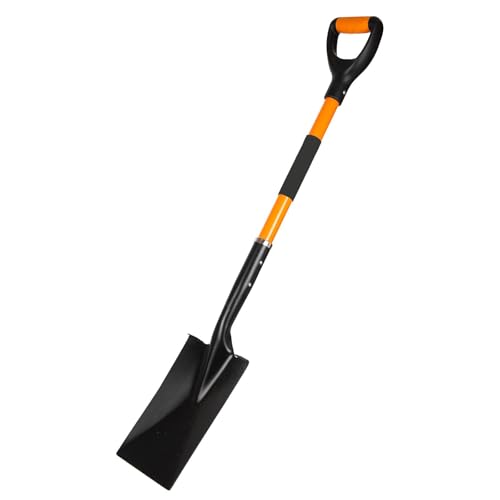
A steel flat spade is a classic choice for shaping garden beds. The flat blade makes a straight cut and can lift sod, scrape loose soil, or move small amounts of mulch. Unlike a narrow specialty edger, it can handle many common garden jobs. That makes it attractive to anyone who wants fewer tools in the shed.
I use a flat spade when an edge needs close work around stones, shrubs, or existing plants. It gives excellent placement control, but it does not always move as quickly through a long lawn edge. The user must keep the blade angle steady to maintain a smooth line. For broad utility and simple design, it can be the best shovel for edging garden beds on a budget.
Pros:
- Versatile flat blade handles many jobs
- Can cut and lift small turf sections
- Useful near plants and landscape stone
- Steel construction supports routine use
- Often offers good value for the price
Cons:
- Less fast than a dedicated half-moon edger
- Needs careful angle control for a smooth line
- May be tiring during long edging sessions
My Recommendation
I recommend this flat spade for new gardeners and practical homeowners who need one basic tool for several tasks. It is a smart choice for small beds, repairs, planting, and light digging. Choose a dedicated serrated edger if roots are your main problem. For low-cost versatility, this steel spade remains a useful best shovel for edging garden beds.
Fiskars Ergo Garden Trowel

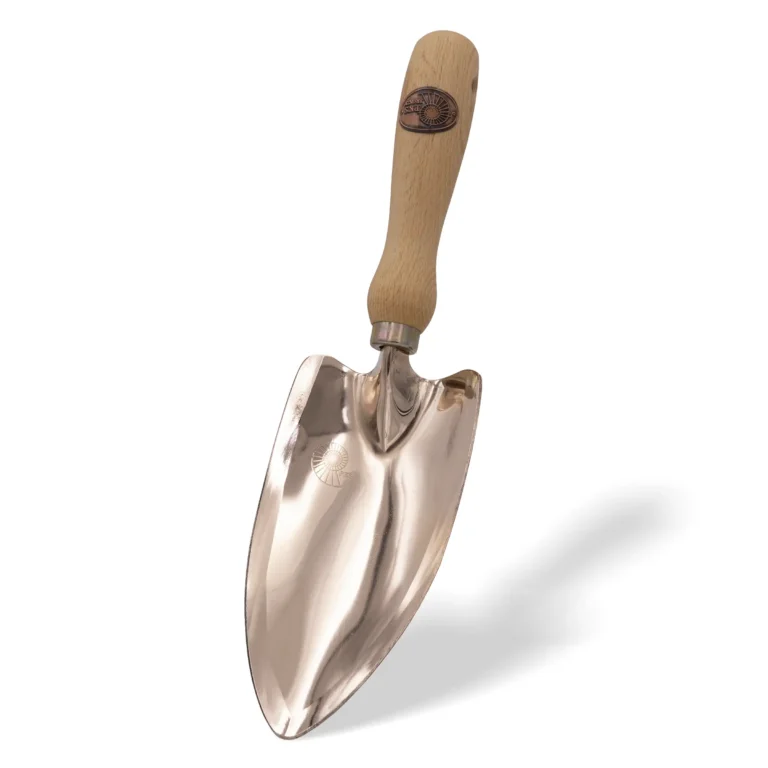
The Fiskars Ergo Garden Trowel is a hand tool, not a full-size lawn edger. Its value comes from precision. I use a trowel for tiny borders, container beds, plant pockets, and spots where a long shovel would harm nearby roots. The ergonomic handle helps keep the wrist in a more natural position during careful digging.
This tool cannot replace a long-handled edging shovel for a large yard. It is better suited to finishing work after a full-size tool creates the main line. It can also remove small weeds and shape soil around delicate plants. For fine detail, it is a useful companion to the best shovel for edging garden beds rather than a complete substitute.
Pros:
- Excellent control in tight garden spaces
- Useful around flowers and shallow roots
- Ergonomic grip supports hand comfort
- Good for planting and small soil cuts
- Easy to store and carry
Cons:
- Not suitable for long lawn borders
- Small blade cannot cut deep sod quickly
- Requires kneeling or bending for most jobs
My Recommendation
I recommend the Fiskars trowel for detail work, raised beds, and gardeners who need close control. It is also a good partner for a full-size edger because it can clean up corners and protect plants. I would not choose it as the only tool for a large border. It is best for precision, while the best shovel for edging garden beds handles the main cut.
WORKPRO 40-Inch Half-Moon Edger
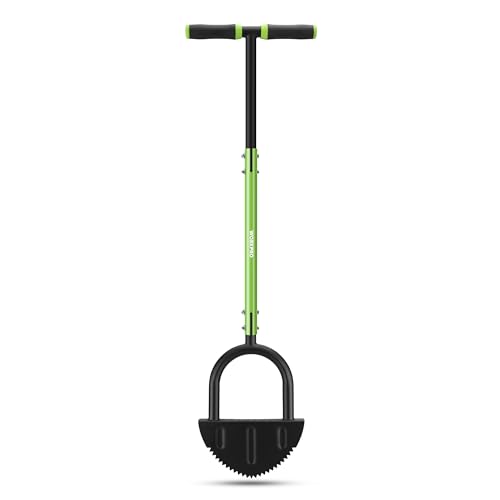
The WORKPRO 40-inch edger uses a half-moon, saw-tooth blade for lawn and garden borders. Its long handle gives good reach, while the toothed edge helps break through grass and light root growth. The tool suits users who want a familiar manual edger with enough length for standing work. It is a practical match for beds beside lawns, paths, and driveways.
A saw-tooth edge can make the first cut easier when the turf is thick. I still recommend marking the line before starting, since a strong blade can remove more soil than expected. The 40-inch size offers a useful balance between leverage and control for many adults. It is one of the better choices for the best shovel for edging garden beds when you want speed without an engine.
Pros:
- Saw teeth help cut through turf
- 40-inch shaft supports upright work
- Half-moon profile creates clear edges
- Good for lawn, path, and driveway borders
- Manual operation keeps upkeep simple
Cons:
- Tooth design may collect soil
- Fixed length may not fit every user
- Not intended for heavy digging
My Recommendation
I recommend the WORKPRO for homeowners who need to edge several beds each season. It offers useful reach and a blade that can handle normal turf with less sawing than a smooth edge. It is not a root saw, but it should manage common lawn growth well. For quick, upright maintenance, it is a strong best shovel for edging garden beds.
Adjustable Half-Moon Lawn Edger

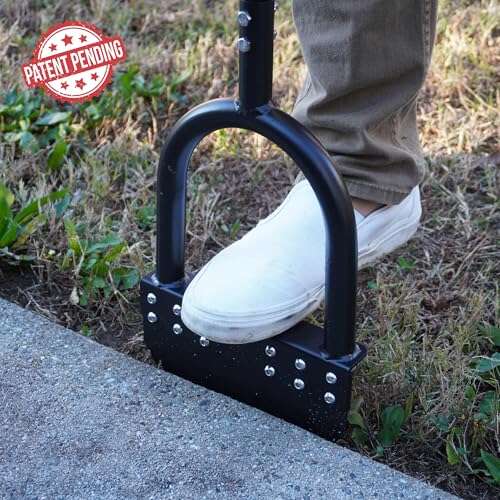
This adjustable lawn edger offers a length range of about 38 to 42 inches. That feature lets users set the handle to a more comfortable working height. Its half-moon saw-tooth blade is made for flower beds, landscape borders, sidewalks, and yard edges. The wide footplate gives the shoe more room to press against, which can improve control and comfort.
Adjustability matters when more than one person shares the tool. It can also help users find a posture that reduces back strain. The broad foot area spreads pressure, but very hard ground may still call for moistening the soil first. Among the models reviewed here, it is a strong best shovel for edging garden beds for families with different heights.
Pros:
- Adjustable length suits different users
- Wide footplate supports steady pressure
- Saw-tooth blade cuts common lawn growth
- Useful beside beds, walks, and sidewalks
- Helps promote a more comfortable posture
Cons:
- Adjustment parts may need periodic checking
- More moving parts than a fixed edger
- Hard roots may still need a stronger cutter
My Recommendation
I recommend this adjustable edger for shared homes, community gardens, and users who care about handle height. The wide footplate is useful when a clean edge needs many firm steps. It may not be as simple as a fixed shaft, but the added flexibility can improve comfort. For an adaptable best shovel for edging garden beds, this model is worth considering.
Best For Comparison
| Best for | Why |
|---|---|
| Root-heavy beds | The Root Slayer and KYEEN-TOOLS serrated blades help cut through turf and shallow roots. |
| Long, straight borders | The CKLT and WORKPRO offer long shafts and half-moon blades for steady standing work. |
| Small or mixed gardens | The HANTOP spade and Fiskars trowel give better control for planting, corners, and detail cuts. |
How to Choose the Best Shovel for Edging Garden Beds
The right tool depends on your soil, border length, and body comfort. A half-moon edger works well for a clear line between lawn and soil. A flat spade offers more control and can lift turf. A serrated blade is often better when grass runners or roots cross the edge.
Blade material also matters. Steel is common because it balances strength and cost. Carbon steel can take repeated impact, but it needs basic care after wet use. I always wipe off mud, let the blade dry, and store the tool under cover. A thin coat of tool oil can help protect exposed metal.
Handle length affects your posture. A shaft around 38 to 42 inches suits many adults, but comfort varies. If two people use the same tool, an adjustable model may be a better choice. A wide footplate can spread pressure and make each cut feel more secure.
Do not judge an edger only by its blade. Look at the grip, shaft strength, foot area, weight, and balance. A tool that feels steady in your hands will usually produce a straighter line. In my experience, good technique matters as much as a sharp edge.
How I Use a Garden Edging Shovel
I begin by marking the border with a hose, string, or garden paint. This step prevents uneven curves and protects plants from an accidental cut. I then remove loose leaves and mulch from the line. A clear work area lets me see the blade and keep the border at a consistent depth.
For a half-moon edger, I place the blade on the marked line and press down with one foot. I pull the handle back slightly to open the cut, then lift the tool. I repeat the motion with small overlaps. This creates a clean trench instead of a series of gaps.
If the soil is dry, I water the area several hours before edging. Wet soil should feel damp, not muddy. In hard clay, short cuts work better than trying to force the whole blade at once. I wear work boots with a firm sole and keep both hands on the handle.
After the line is cut, I lift out the narrow strip of grass or soil. I use a flat spade or trowel for corners and small repairs. Finally, I sweep loose soil back into the bed and add mulch if needed. The finished line should look like a quiet frame around the plants.
Common Edging Mistakes to Avoid
The first mistake is cutting too deep. A shallow, clean trench often looks better than a deep trench that exposes roots. Most beds only need a clear separation from the lawn. Cutting too far into the bed wastes soil and may harm plants.
Another mistake is working without a guide. Even skilled gardeners can drift when they follow an old, uneven edge. A hose gives a smooth curve, while string helps with straight lines. Take a few minutes to set the shape before you begin.
Do not use a light hand trowel on a large lawn border. It may work near a rose bush, but it will make a long job slow and tiring. Likewise, do not expect a standard flat spade to slice thick roots as easily as a serrated edger. Match the blade to the work.
Finally, avoid leaving tools wet and dirty. Soil can hide small chips, rust, or loose parts. Rinse the blade, dry it, and inspect the handle after each major job. Small care steps help a good edging shovel last for many seasons.
FAQs Of best shovel for edging garden beds
What type of shovel is best for edging garden beds?
A half-moon edger with a sharp steel blade is usually best for long lawn borders. A flat spade works better for corners, small beds, and mixed garden tasks. Choose a serrated blade when roots and thick turf are common.
Can I use a regular spade to edge a flower bed?
Yes. A flat spade can make a clean cut and lift small pieces of sod. It may take more effort than a dedicated half-moon edger on long borders.
Should I choose a smooth or serrated edging blade?
Choose smooth for soft soil and simple, clean cuts. Choose serrated when grass runners, roots, or dense turf slow down a plain blade.
How deep should I edge a garden bed?
A cut of about two to four inches is enough for many home beds. Adjust the depth for your soil and plants. Avoid cutting into visible roots.
How can I keep my edging shovel from rusting?
Rinse off soil, dry the blade, and store the tool in a dry place. A light coat of protective oil can help exposed steel resist moisture.
Final Verdict: Which Should You Buy?
The CKLT 41-inch edger is my top all-around pick for the best shovel for edging garden beds. It offers a strong blade, good reach, and clean control. Choose the Root Slayer for roots, or the adjustable model for shared use.
Match the blade to your soil and keep the edge shallow and even. With the right garden edging shovel, neat beds are easier to shape and maintain.

Laura Bennett is a gardening writer at MyGardenLabs who creates beginner-friendly guides focused on solving common plant care and gardening problems.