How Many Trowels Do You Need To Buy: Complete Buying Guide
Most home projects need one trowel, while larger or specialized jobs may need two to four.
Knowing how many trowels do you need to buy can save money, reduce tool clutter, and help your project run smoothly. The right number depends on your material, work area, trowel shape, and whether you need a clean backup. This guide explains the best buying plan for gardening, masonry, tile, concrete, and general home repairs.
How many trowels do you need to buy for most projects?
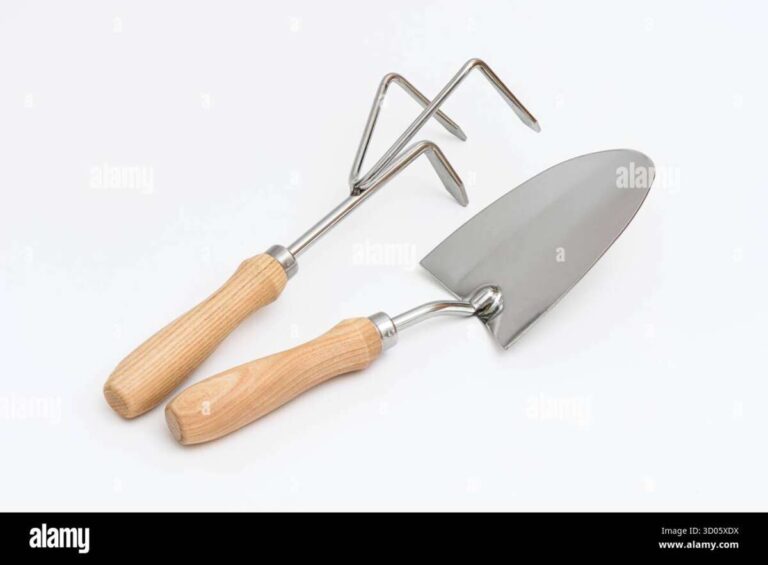
For most homeowners, one good trowel is enough. A standard garden trowel can handle planting, digging small holes, mixing potting soil, and moving loose material.
Buy two trowels if you often switch between tasks. For example, one narrow trowel can help with bulbs and tight spaces, while one wider trowel can move more soil. A second tool also helps when the first one is dirty, wet, or misplaced.
A simple rule is:
• One trowel for occasional home use
• Two trowels for regular gardening or repair work
• Three to four trowels for active gardeners, tile work, or masonry projects
• More than four only for teams, large work sites, or several specialized tasks
The answer to how many trowels do you need to buy is usually based on function, not quantity. One durable tool is better than a drawer full of cheap tools that bend or rust.

Choose the number based on your project
Different jobs need different trowel designs. A garden trowel is not the same as a tile trowel, and a masonry trowel is built for a different type of force.
Gardening
For basic gardening, start with one medium garden trowel. Look for a strong blade, a comfortable grip, and a clear depth mark if you plant bulbs or seedlings.
You may need two or three garden trowels when you grow many plants or work with different soils:
• A narrow blade for pots, seedlings, and rocky soil
• A medium blade for everyday planting
• A wide blade for moving compost, mulch, or loose soil
If you garden with children, buying a separate small trowel can make the work easier and safer. It also prevents adults from handing over a sharp, heavy tool that may be hard for a child to control.
Tile installation
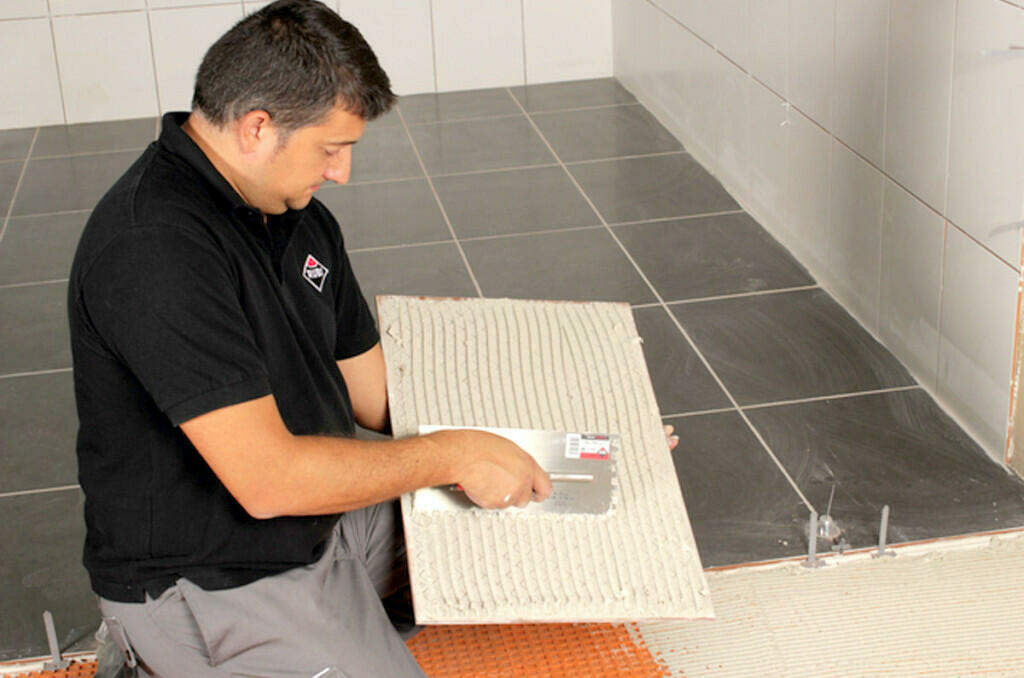
Tile work often requires more than one trowel. A notched trowel spreads thin-set mortar, while a margin trowel helps mix mortar, fill gaps, and clean edges.
For a small backsplash, two trowels are often enough:
• One notched trowel with the correct notch size
• One margin trowel for detail work
A larger floor project may need two notched trowels with different notch sizes. The correct notch depends on tile size, tile thickness, substrate condition, and mortar instructions. Always follow the mortar manufacturer’s guidance rather than guessing.
Masonry and brickwork
Masonry work usually benefits from at least two tools. A brick trowel places mortar, while a pointing trowel fills and shapes joints.
For a small repair, buy:
• One brick or masonry trowel
• One pointing trowel
A professional or frequent DIY user may also need a margin trowel, tuck-pointing tool, and finishing tool. These tools improve control and help create cleaner joints.
Concrete and patching
Small concrete repairs rarely need a large collection. One margin trowel or finishing trowel may handle patching compound, mortar repair, and small surface fixes.
For a wider repair, use a larger finishing tool. A small trowel is better for corners and narrow cracks, while a broad trowel smooths more surface in less time.
What trowel types should you buy?
The best answer to how many trowels do you need to buy starts with the types of work you expect to do. Avoid buying several tools that perform the same task.
Garden trowel
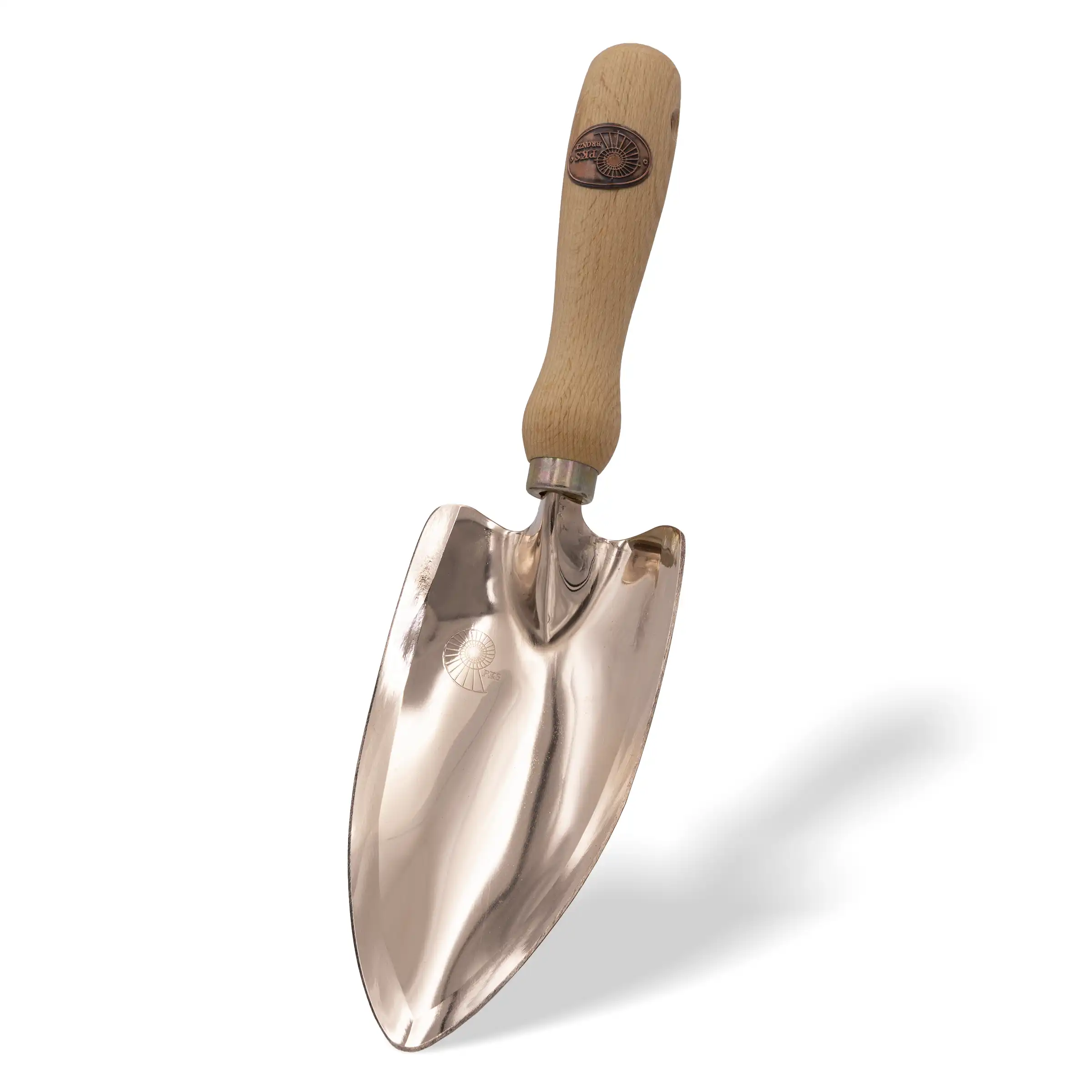
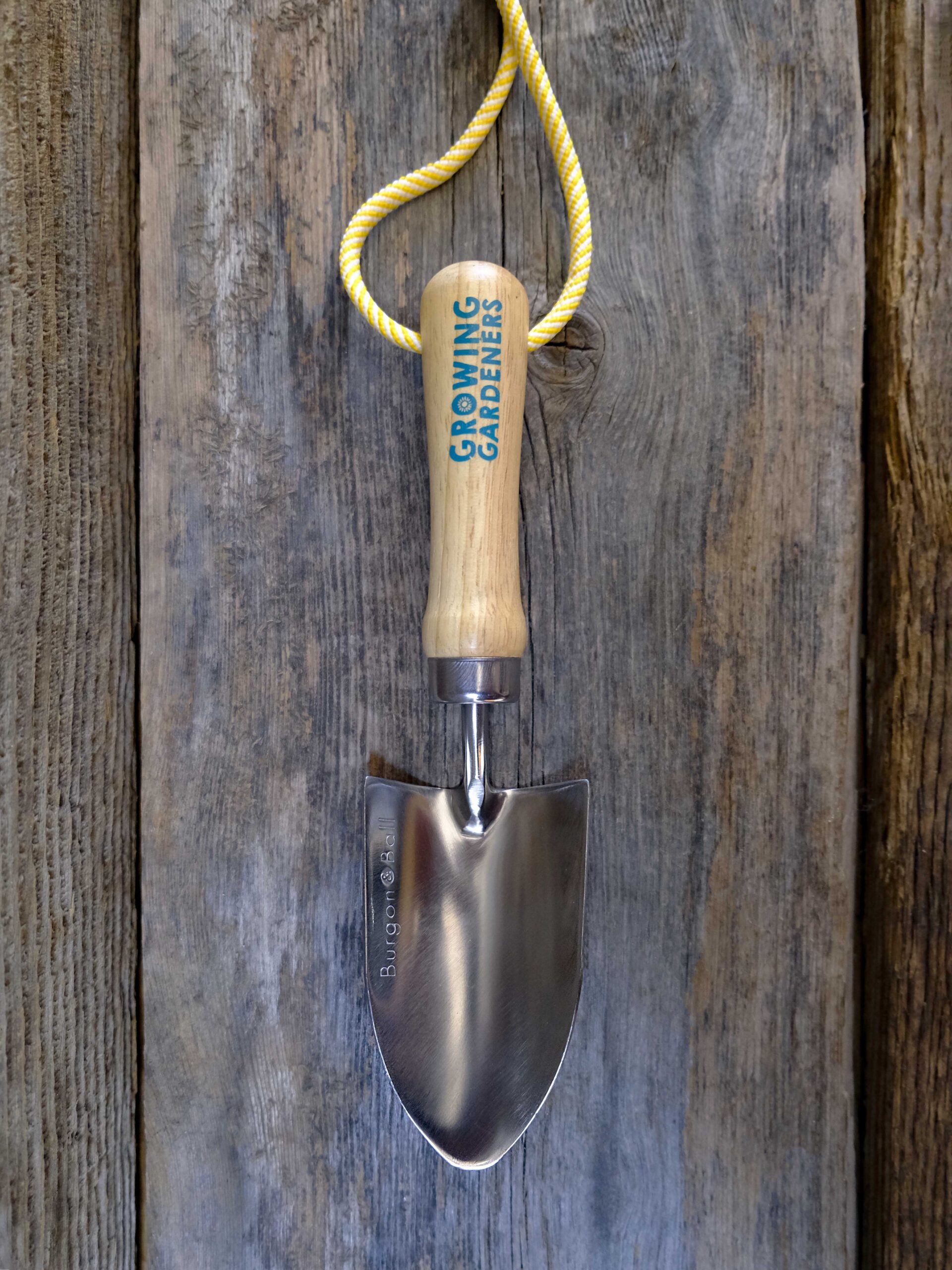
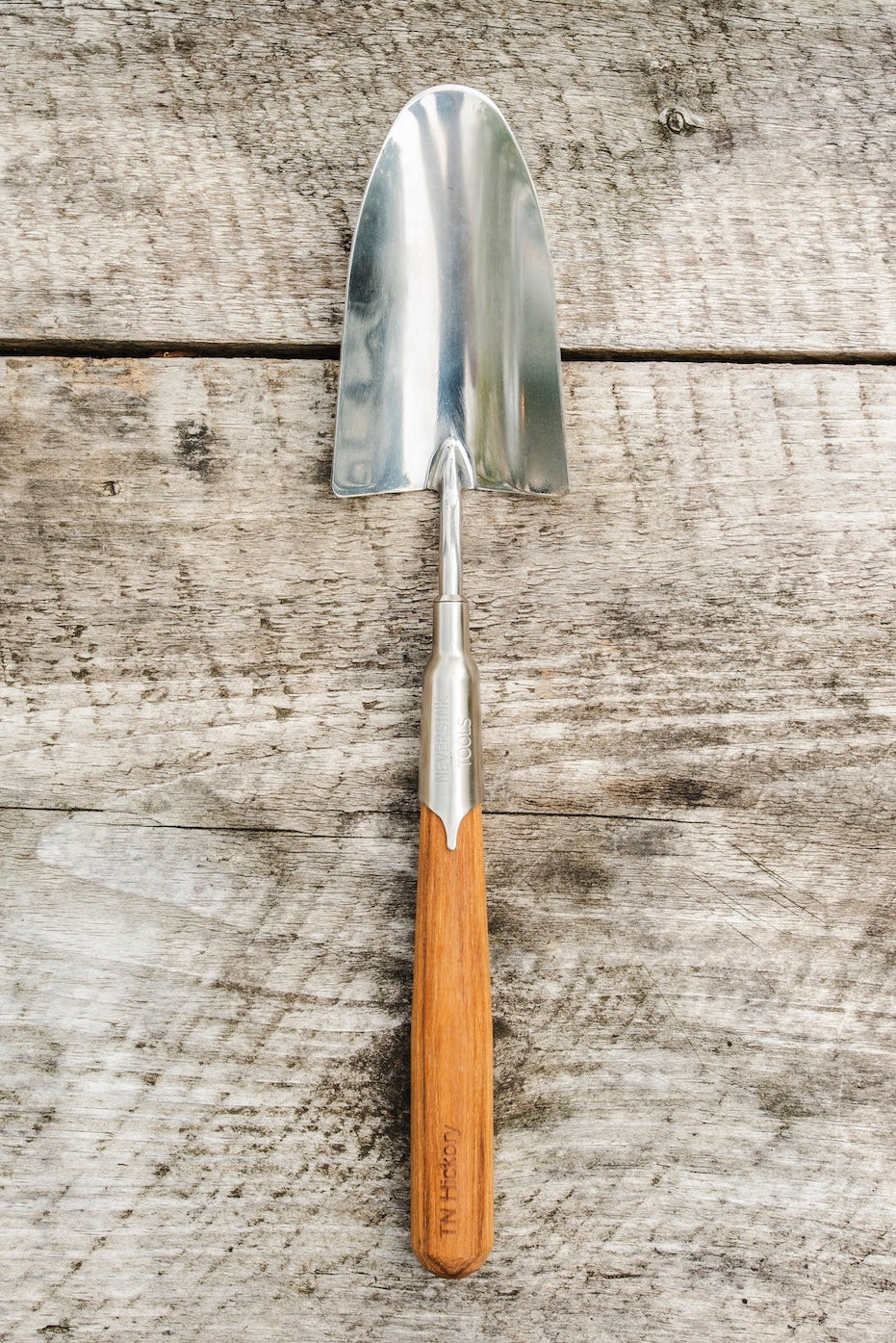
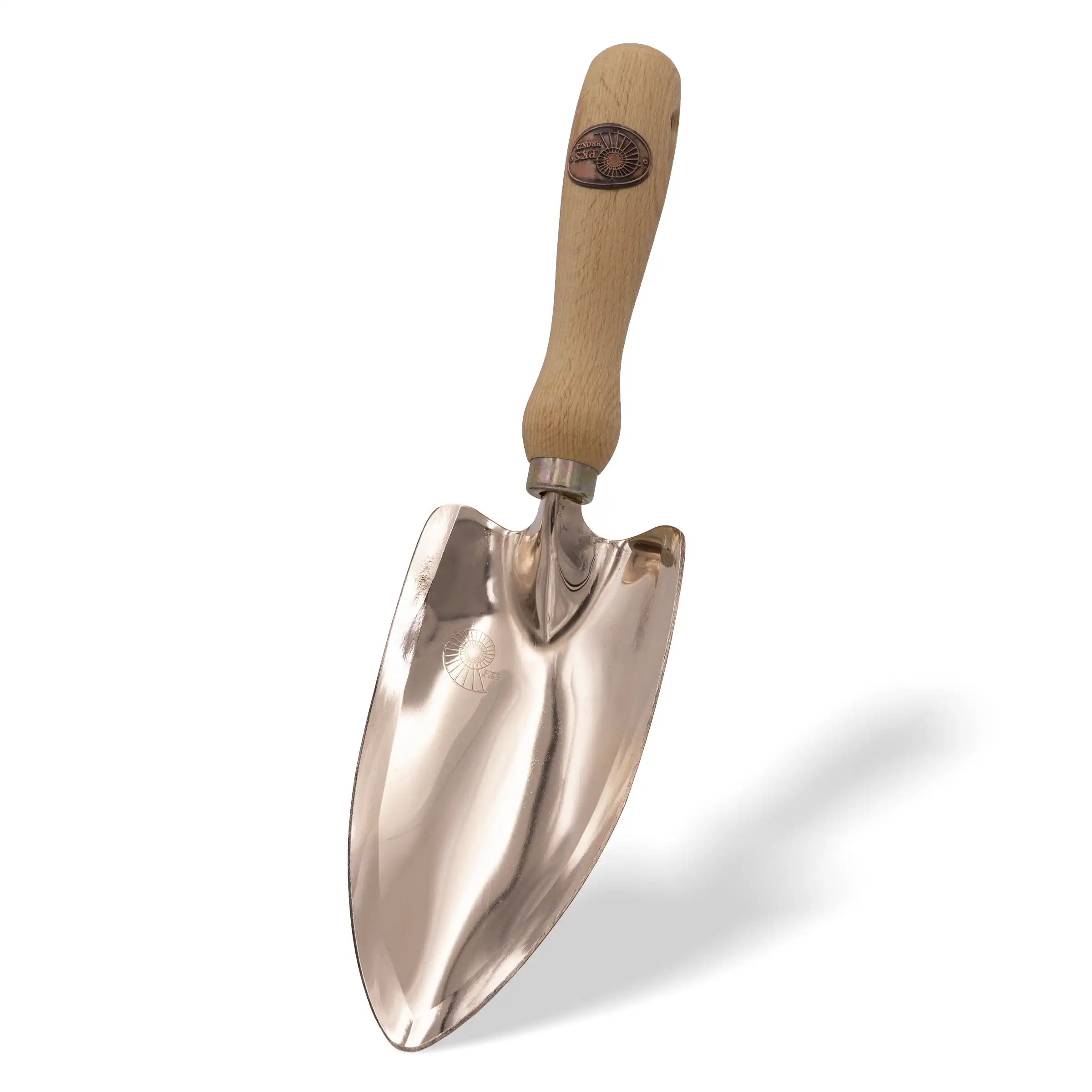
A garden trowel has a pointed or rounded blade. It is used for planting, digging, scooping soil, and moving compost.
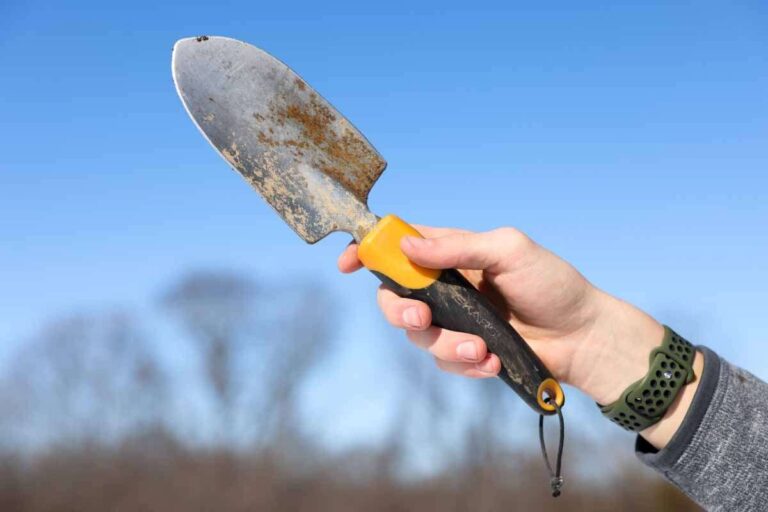
Choose stainless steel or another corrosion-resistant blade if possible. The handle should feel firm, with no loose connection between the handle and blade.
Margin trowel
A margin trowel has a narrow, flat blade. It is useful for mixing mortar, applying patching compound, cleaning corners, and reaching tight spaces.
It is one of the most useful general repair tools because it offers control in places where a wide tool cannot fit.
Notched trowel
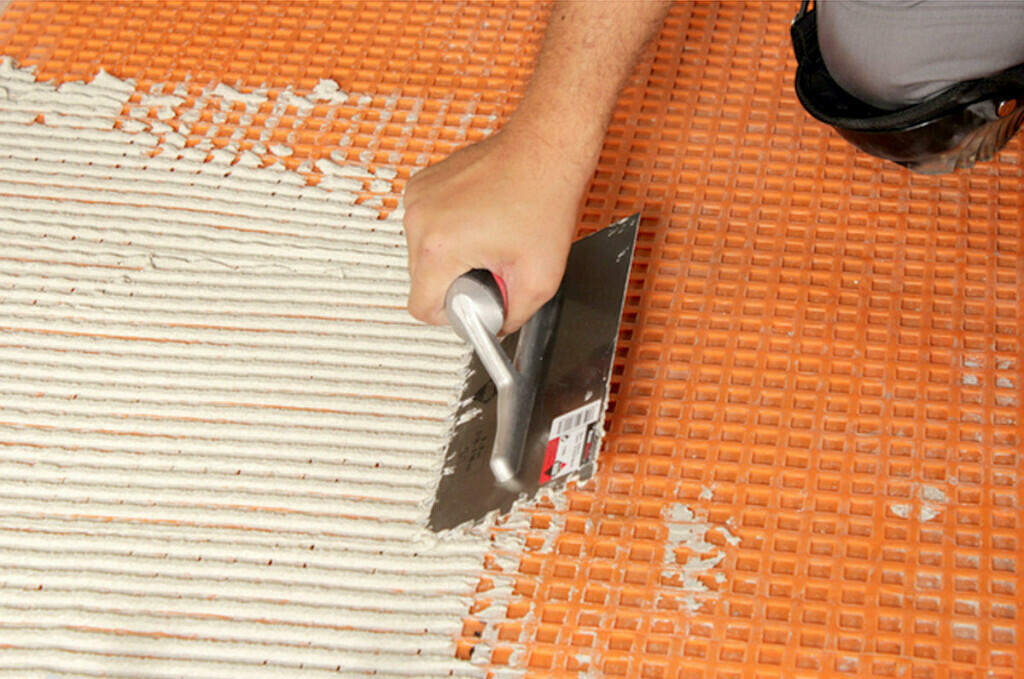
A notched trowel has teeth along one or both edges. It spreads tile adhesive or thin-set mortar in even ridges.
Notch shape and size matter. Square, U-shaped, and V-shaped notches create different mortar patterns. Use the size recommended for your tile and installation method.
Brick trowel
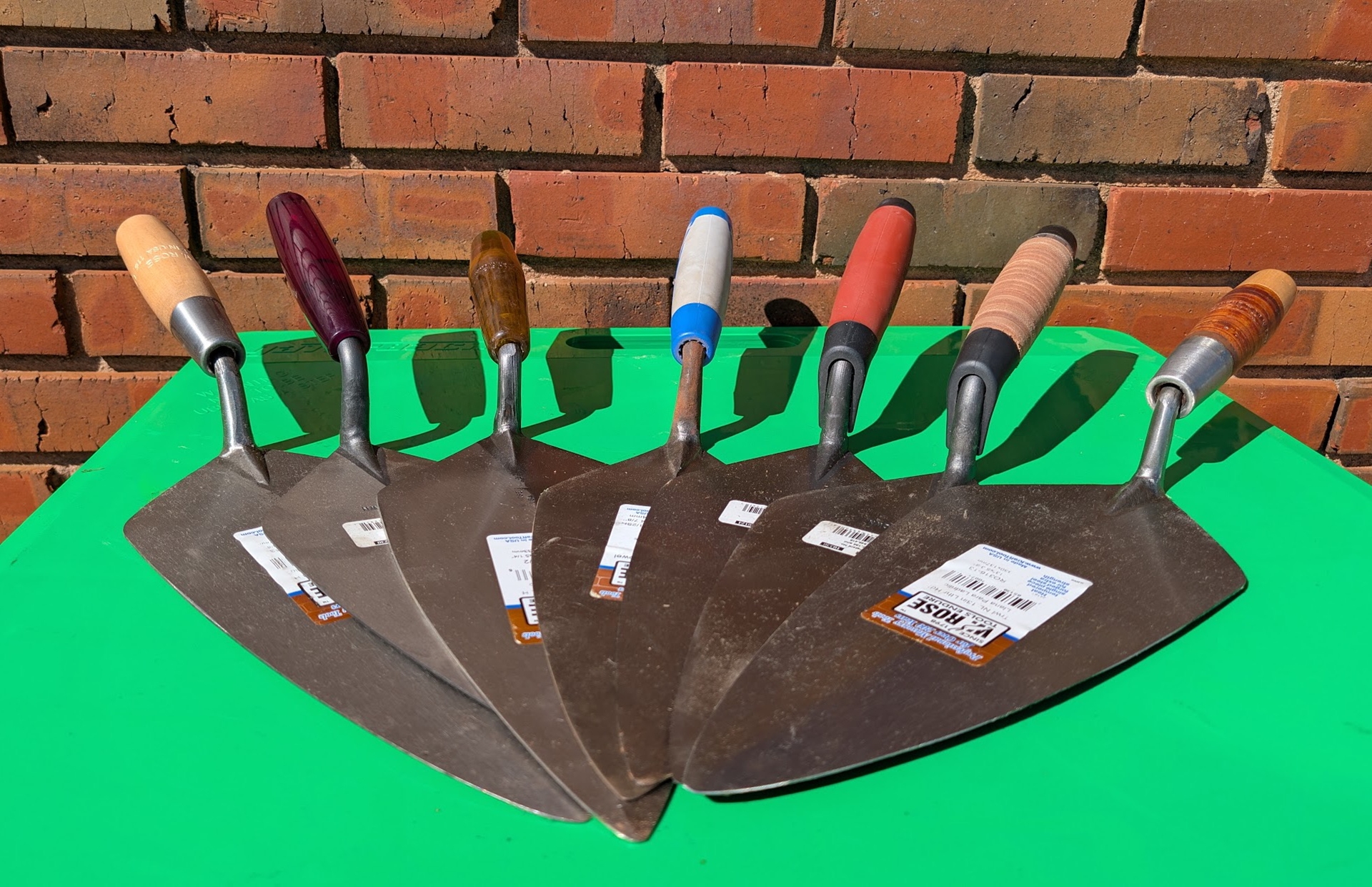
A brick trowel has a pointed blade made for lifting, spreading, and shaping mortar. It is larger and stronger than a typical garden trowel.
If you plan to build a wall, repair brick steps, or set concrete blocks, this is the correct tool for the job.
Pointing trowel
A pointing trowel is smaller than a brick trowel. It helps fill mortar joints and repair small areas between bricks or stones.
Different blade widths provide different levels of control. A narrow pointing trowel is useful for tight joints, while a wider one covers more space.
Finishing trowel
A finishing trowel has a broad, flat blade. It smooths concrete, plaster, joint compound, and some repair materials.
Buy one only if your project requires surface finishing. It is not a substitute for a notched trowel or garden trowel.
Factors that affect how many trowels you need
The type of project is important, but several other factors change the right number.
Project size
A small flower bed may need one trowel. A full landscaping project may need several tools so you do not stop to clean or change tools every few minutes.
For tile, calculate the work area first. A large room may justify a spare notched trowel, especially if the first tool becomes damaged or coated with dried mortar.
Number of workers
One person can often manage with one or two trowels. If two people are working at the same time, each person may need a separate tool.
Sharing one trowel creates delays and can cause rushed work. For a group project, buy one suitable trowel per active worker, plus one spare for the most important task.
Material type
Mortar, thin-set, soil, plaster, and concrete place different demands on a blade. A tool that works well with soil may bend when used to pry hardened mortar.
Never use a garden trowel as a masonry tool. It may fail under pressure and can cause hand injuries or damage the work surface.
Cleaning and drying time
Some materials must be cleaned before they harden. If you are working alone, a second trowel can let you continue while the first tool is being washed.
This is especially useful with tile adhesive, cement-based mortar, and joint compound. Dried material can ruin the blade and make future work harder.
Storage and transport
If you keep tools in a small apartment, shed, or vehicle, buying fewer high-quality trowels may be smarter. If you maintain a large garden or workshop, having dedicated tools saves setup time.
Think of your tool collection like a small kitchen. You need the right utensils, not every utensil in the store.
A practical buying plan for different users
If you are still unsure how many trowels do you need to buy, use the plan that matches your situation.
Occasional homeowner
Buy one durable general-purpose garden trowel and one margin trowel. This pair covers planting, small repairs, patching, and many basic household tasks.
Regular gardener
Buy two garden trowels with different blade widths. Add a narrow transplanting trowel if you grow seedlings, bulbs, herbs, or plants in small containers.
DIY tile installer
Start with one correctly sized notched trowel and one margin trowel. Add a second notched trowel only if the room is large or the project involves more than one tile system.
Masonry DIY user
Buy one brick trowel, one pointing trowel, and one margin trowel. This small set handles most repair work around brick, block, stone, and mortar joints.
Professional or high-volume user
Buy a primary tool, a backup, and any specialty tool required for the material. Professionals often need several trowels because time lost to cleaning, damage, or tool changes costs more than the extra purchase.
How to choose quality over quantity
When deciding how many trowels do you need to buy, inspect each tool before paying. A cheap trowel may look fine but fail after a few uses.
Look for these features:
• A blade that feels rigid and does not twist easily
• A strong connection between the blade and handle
• A comfortable grip that does not slip when wet
• Stainless steel or coated steel for better rust resistance
• Smooth edges without sharp burrs
• A balanced shape that feels natural in your hand
• Clear product details about the intended material and task
For tile work, the blade should be flat and the notches should be even. Uneven teeth create uneven mortar coverage, which may weaken the installation.
For gardening, choose a blade that matches your soil. Heavy clay needs a stronger blade than loose potting mix. A narrow, sharp blade is often easier to control in hard ground.

Common mistakes to avoid
Many buyers ask how many trowels do you need to buy because they want to avoid buying too much or too little. These mistakes can help you make a better choice.
Buying a set without checking the sizes
A multi-piece set may include several tools you never use. Check the blade width, notch size, handle design, and material before choosing a set.
Using one trowel for every material
Soil, mortar, and thin-set are not interchangeable tasks. Using the wrong tool can bend the blade, damage the surface, or create poor coverage.
Buying only one tool for a large job
A single trowel may work at first, but long projects often need a spare. If the handle breaks or mortar dries on the blade, work can stop at the worst time.
Ignoring comfort
Hand fatigue can affect accuracy. Hold the trowel before buying if possible, and choose a grip that feels secure without forcing your wrist into an awkward angle.
Failing to clean tools
Rinse cement-based products before they harden. Use the correct cleaning method for the material, then dry the tool to reduce rust and extend its life.
How to save money when buying trowels
The best way to save money is to match each purchase to a real task. Do not buy four specialized trowels for a job that only needs one general-purpose tool.
Consider these strategies:
• Buy one quality tool first and add tools as your projects grow
• Purchase a two-piece set only when both tools have clear uses
• Compare blade material and handle strength, not just price
• Buy a spare only for tools that are critical to the project
• Clean and store tools properly so they last longer
• Check local hardware stores for replacement handles or individual tools
A durable trowel can serve you for years with basic care. The cheapest option may cost more if it bends, rusts, or needs replacement after one project.
Safety and maintenance tips
A trowel is simple, but it can still cause cuts, blisters, and strain. Wear gloves when handling rough soil, mortar, or sharp-edged tools.
Use eye protection when chipping dried material from a blade. Keep the handle dry when possible, and do not leave tools where children or pets can reach them.
After each use:
- Remove soil, mortar, or adhesive from the blade.
- Rinse the tool with clean water when appropriate.
- Dry the blade and handle.
- Inspect the handle, joint, and blade for damage.
- Store the tool in a dry place.
If a blade bends or the handle becomes loose, replace the tool. A damaged trowel is harder to control and may produce poor results.
Frequently Asked Questions About How Many Trowels Do You Need to Buy
Is one trowel enough for basic gardening?
Yes, one medium garden trowel is enough for most small planting and potting tasks. Choose a strong blade and comfortable handle so it can handle repeated use.
How many trowels do I need for tile installation?
Most small tile projects need one notched trowel and one margin trowel. Larger jobs may need a spare notched trowel or a second size for different tile and mortar requirements.
Should I buy a trowel set or individual tools?
Buy a set when every included tool has a clear purpose and the quality is reliable. Individual tools are often better when you know the exact blade size and shape your project requires.
Do I need separate trowels for gardening and masonry?
Yes, separate tools are the safer and more practical choice. Masonry materials can damage a garden trowel, while soil and plant residue can contaminate tools used for mortar or tile work.
How many trowels should a beginner buy?
A beginner can start with one garden trowel for outdoor work or one margin and one notched trowel for small tile repairs. Add specialty tools only when a specific project calls for them.
Is a spare trowel necessary?
A spare is helpful for long jobs, multiple workers, or materials that dry quickly. For a short home project, you can usually manage without one if you clean the tool promptly.
What is the most useful all-purpose trowel?
A medium garden trowel is the most useful all-purpose choice for basic outdoor tasks. For home repairs, a margin trowel offers better versatility in corners, gaps, and small patches.
Conclusion
For most people, one trowel is enough for simple work, while two tools cover regular gardening and small repairs. Tile and masonry projects often need two to four trowels because each tool has a specific shape and purpose.
The best answer to how many trowels do you need to buy is to match the number to your project, material, work size, and skill level. Start with durable tools, add specialty pieces only when needed, and clean every trowel after use. Choose your tools with care, then share your project plans or questions in the comments.

Laura Bennett is a gardening writer at MyGardenLabs who creates beginner-friendly guides focused on solving common plant care and gardening problems.