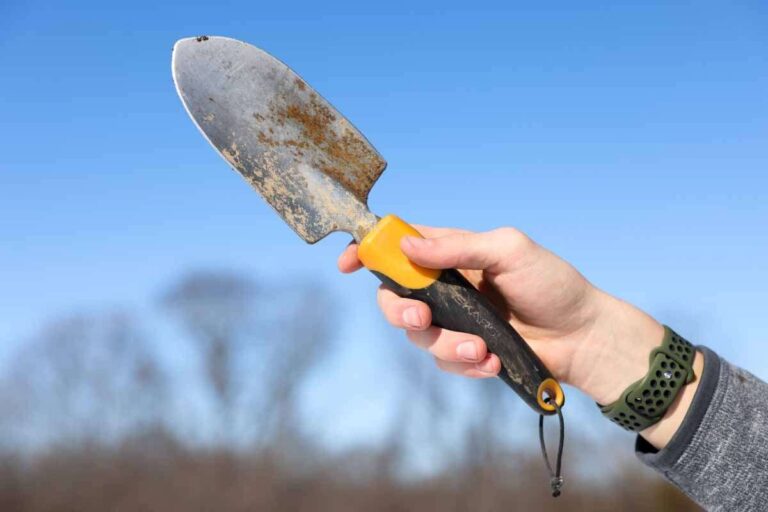
Can Trowels Be Used To Dig Up Weeds: Best Tips
Yes, trowels can dig up most weeds, especially small weeds with shallow or compact root systems.
Knowing can trowels be used to dig up weeds helps you choose the right tool, protect nearby plants, and remove weeds more completely. A hand trowel is simple, but using the right blade, depth, and method makes a big difference in the garden.
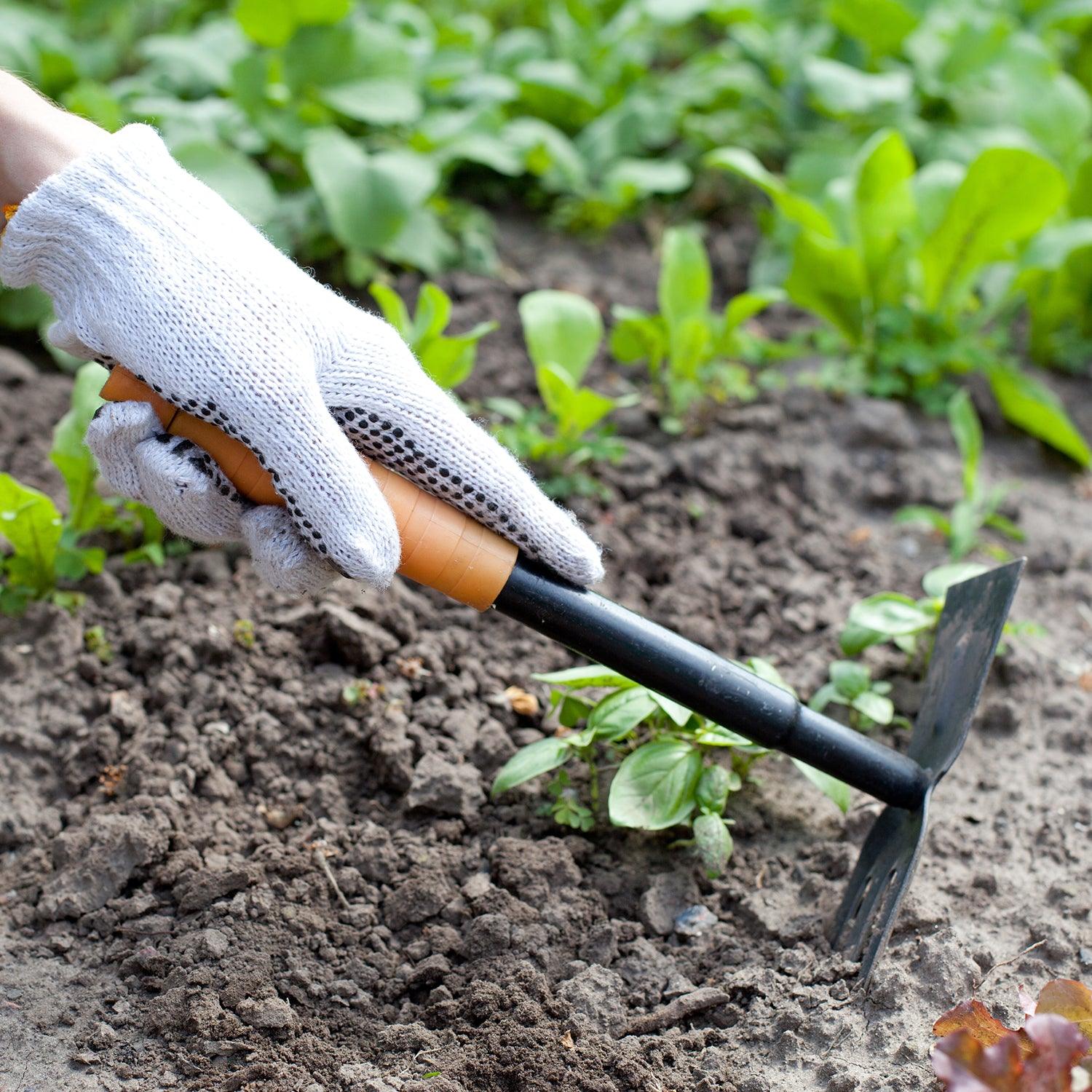
Can trowels be used to dig up weeds?
Yes, trowels are one of the most useful tools for removing weeds by hand. Their narrow, pointed blades can enter small spaces and loosen soil around unwanted plants.
A trowel works best when the weed is:
• Small or medium-sized
• Growing in loose or moist soil
• Close to flowers or vegetables
• Rooted only a few inches deep
• Growing in a pot, raised bed, or narrow garden row
The goal is not only to remove the leaves. You also want to lift the crown and as much of the root as possible. If even a small piece of root remains, some weeds can grow back.
Can trowels be used to dig up weeds in hard soil? They can, but the job may take more effort. Water the area first, wait for the soil to soften, and then work the blade around the root instead of forcing it straight down.
A trowel is best thought of as a small digging tool. It is not always the fastest option, but it gives you excellent control.

Why a hand trowel works well for weed removal
A garden trowel has a short handle and a small blade. This design lets you work close to plants without disturbing a wide area of soil.
Can trowels be used to dig up weeds without harming flowers? Often, yes. You can place the blade between the weed and the plant you want to keep. This is much safer than using a large hoe in a crowded bed.
Trowels also help with weeds that grow in places where larger tools cannot fit. These areas include:
• Container gardens
• Window boxes
• Raised beds
• Rock gardens
• Tight spaces between paving stones
• Around young vegetable plants
• Along the edges of established flower beds
The blade cuts through loose soil and creates space around the weed’s root ball. Once the soil is loose, you can pull the weed out with less force.
A trowel also creates less soil disturbance than a shovel. That matters because turning large amounts of soil can bring buried weed seeds to the surface. Many weed seeds can remain dormant in soil for years, so avoiding needless disturbance is a useful long-term habit.

Which trowel is best for digging weeds?
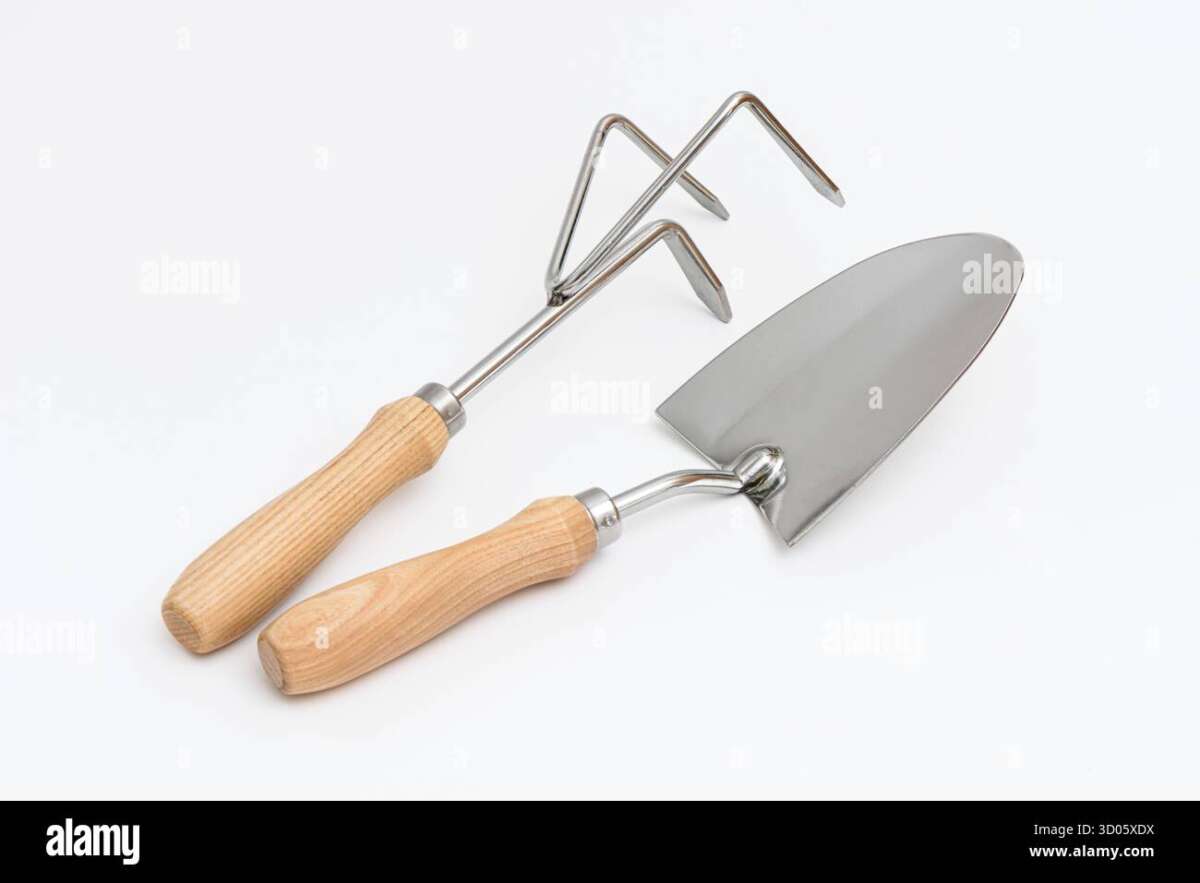
Not all trowels have the same shape. The best choice depends on the weed, soil, and location.
Pointed trowels
A pointed trowel has a sharp tip that enters firm soil more easily. It is a strong choice for weeds with long roots or soil that has dried on top.
Can trowels be used to dig up weeds in clay soil? A sturdy pointed trowel can help, but very hard clay may need a narrow weeder or larger digging tool. Do not bend a thin blade by using it as a pry bar.
Narrow-blade trowels
A narrow trowel fits well between plants. It is useful for dandelions, chickweed, young thistles, and weeds growing in narrow rows.
The small blade reduces the chance of cutting nearby roots. It also makes it easier to target one weed at a time.
Broad-blade trowels
A broad trowel moves more soil with each scoop. It works well for loose soil and weeds with larger root balls.
However, a wide blade can disturb nearby plants. Use it in open spaces rather than crowded beds.
Stainless steel trowels
Stainless steel resists rust and cleans easily. This is helpful when working in wet soil or dealing with sticky roots.
Carbon steel trowels
Carbon steel is often very strong and holds a sharp edge. It may need more care, such as drying and occasional oiling, to prevent rust.
Ergonomic trowels
An ergonomic handle can reduce hand strain during long weeding sessions. This matters for gardeners with arthritis, weak grip, or wrist pain.
The best trowel is not always the most expensive one. Look for a firm blade, a comfortable grip, and a handle that does not wobble.
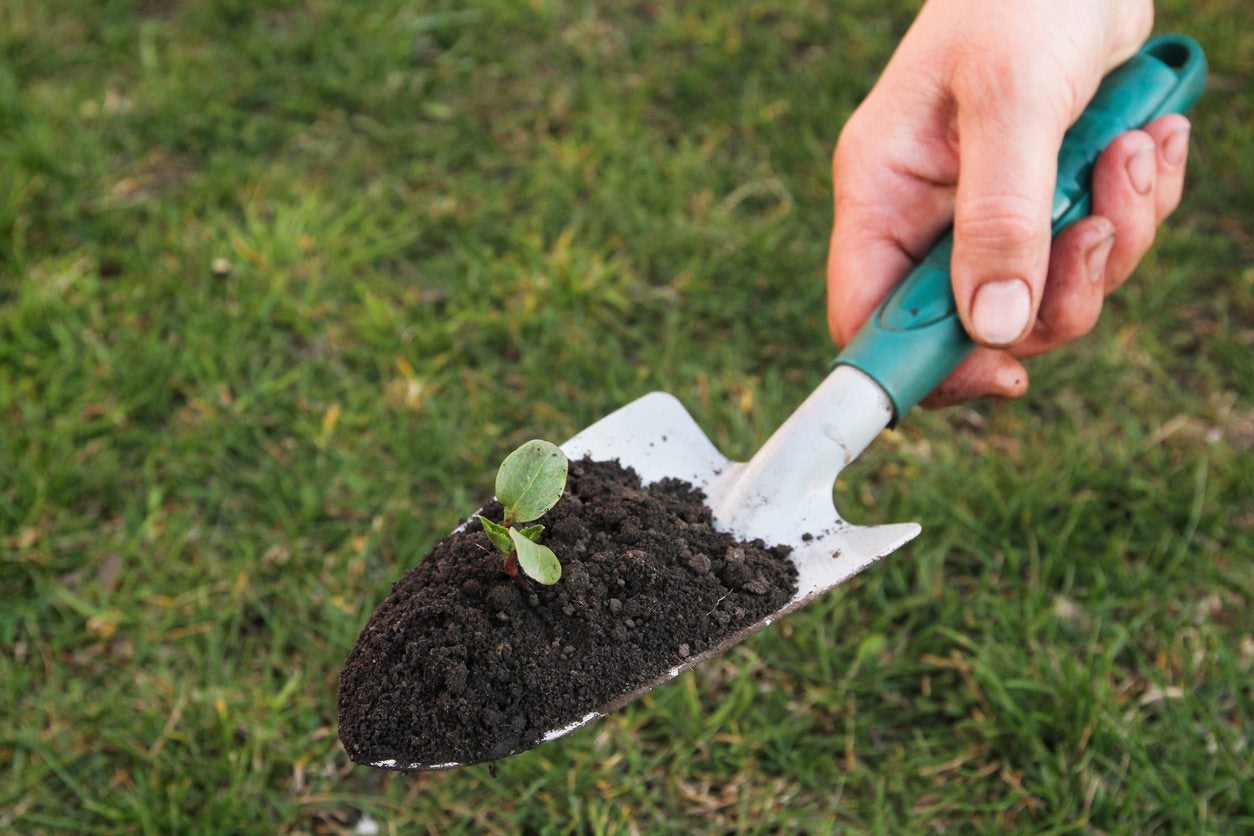
How to use a trowel to remove weeds
Good technique helps you remove the whole plant instead of only the top growth.
1. Identify the weed
First, check that the plant is truly a weed. Some young plants look alike, especially in spring. If you are unsure, wait until the leaves develop or use a local plant guide.
2. Water dry soil
Moist soil is easier to dig than dry soil. Water the area several hours before weeding, or work after light rain.
Do not make the soil muddy. Very wet soil can smear, compact, and stick to roots.
3. Place the blade beside the weed
Push the trowel into the soil a short distance from the stem. Avoid cutting directly through the crown or root.
For a shallow weed, two to three inches may be enough. For a taproot weed, you may need to go deeper.
4. Loosen the soil
Move the trowel gently back and forth. Work around the plant until the root system starts to lift.
Can trowels be used to dig up weeds with deep roots? Yes, but you must follow the root downward. A shallow cut may remove the leaves while leaving the taproot alive.
5. Lift the weed
Use the trowel to lift the soil, then pull the weed slowly. Pulling too fast can break the root.
If the root snaps, dig again and remove the remaining section.
6. Shake off soil
Gently shake loose soil from the roots. This helps you see whether the root is complete.
7. Check the hole
Look for broken roots, runners, or small pieces of crown. Remove these before filling the hole.
8. Dispose of the weed
Do not add weeds with mature seed heads or living roots to a cool home compost pile. Some weeds can survive basic composting.
Place troublesome weeds in a sealed yard-waste bag, or follow your local composting rules.
9. Fill the soil
Press the loosened soil back into the hole. This protects nearby roots and leaves the bed level.
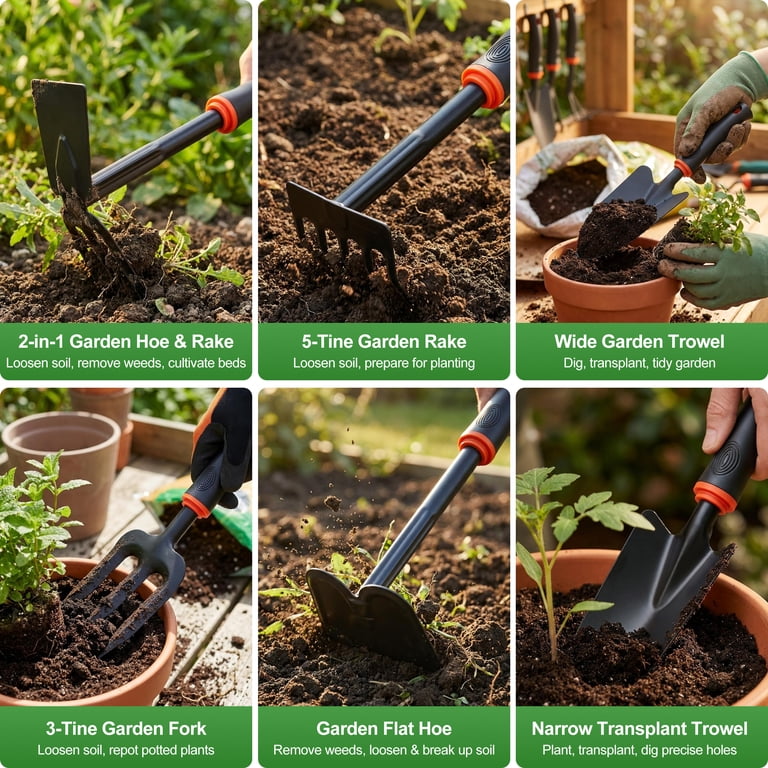
Removing different types of weeds with a trowel
The root type often determines how well a trowel will work.
Taproot weeds
Dandelions, dock, and some thistles form a central root that grows downward. A pointed trowel can follow this root into the soil.
Insert the blade beside the root, loosen the soil, and lift from below. Try not to cut the taproot.
Fibrous-root weeds
Many grasses and young broadleaf weeds have dense, spreading roots. A trowel can lift them as a clump when the soil is moist.
Remove as much of the root mass as possible. Small pieces left in the soil may regrow.
Creeping weeds
Creeping weeds spread through runners or underground stems. A trowel can remove a small patch, but you must trace and remove the runners.
Can trowels be used to dig up weeds that spread underground? Yes, for small patches. For a large patch, screening the soil or using a specialized weeding tool may be more effective.
Weeds with shallow roots
Chickweed, purslane, and young annual weeds are usually easy to lift. A shallow pass with the trowel may be enough.
Remove these weeds before they flower and produce seeds. One mature plant can spread many new seeds across a garden.
Weeds in cracks
A narrow trowel may work in wide cracks, but a crack weeder is often better. Take care around masonry and avoid damaging sealants or delicate paving.

When a trowel is not the best tool
Can trowels be used to dig up weeds in every situation? No. A trowel has limits.
A different tool may be better when:
• The weed has a very deep taproot
• The soil is heavily compacted
• The area is large
• The roots spread across a wide bed
• The weed grows through dense turf
• The ground contains many stones
• Your hand or wrist becomes painful
For large areas, use a hoe, digging fork, grubber, or long-handled weeder. A hori hori knife is useful for cutting roots and digging narrow channels. A dandelion weeder can reach deeper roots with less bending.
Do not use a trowel to forcefully pry out large roots, rocks, or buried objects. This can bend the blade or damage the handle. If the tool starts to flex, stop and choose a stronger tool.
A trowel also cannot replace weed prevention. It removes weeds that are already present, but mulch, healthy plant spacing, and regular inspection reduce future work.
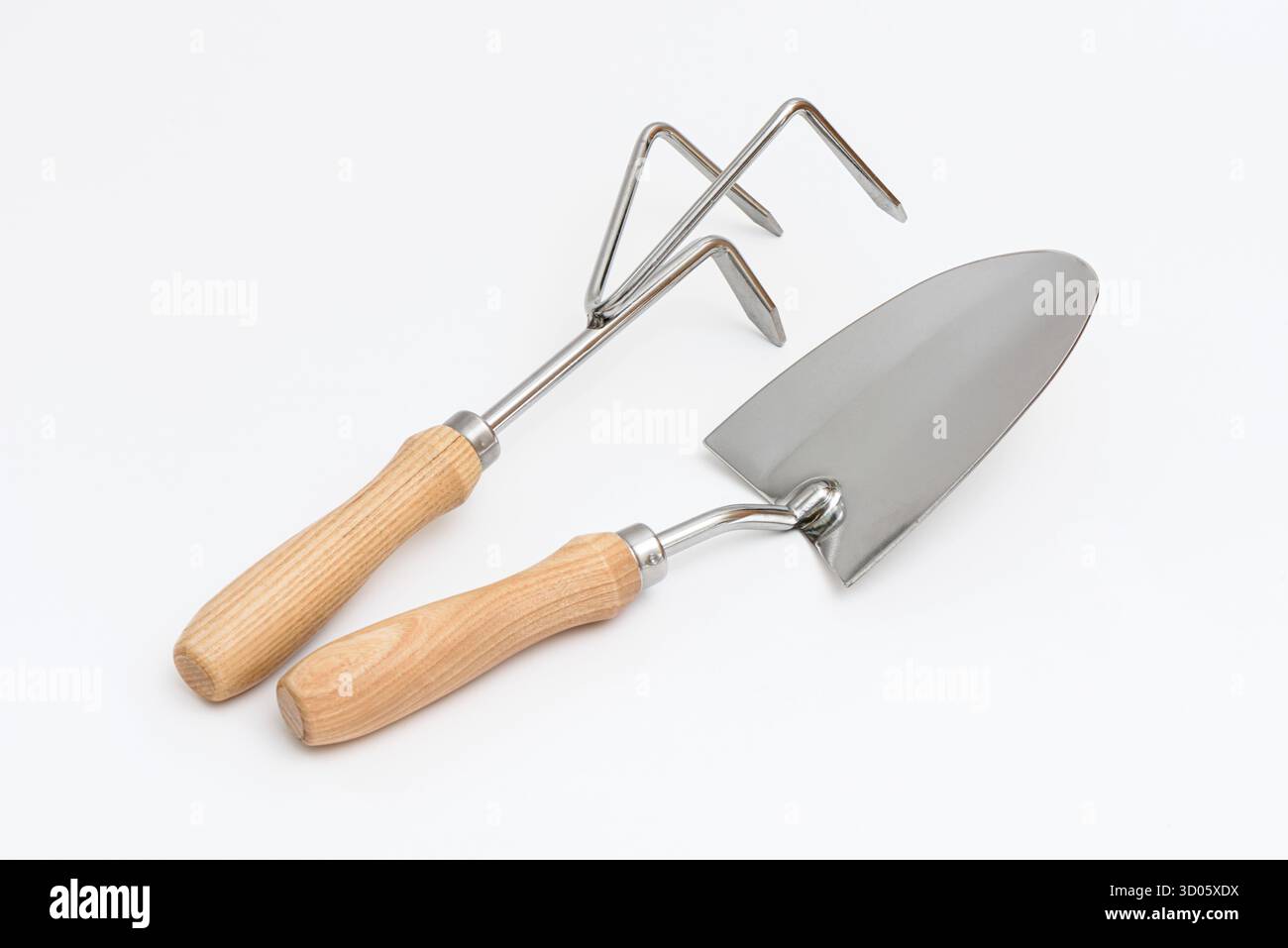
Benefits and drawbacks of using a trowel for weeds
Can trowels be used to dig up weeds as part of regular garden care? Yes, and they offer several clear benefits.
Main benefits
• Precise control near valued plants
• Low cost compared with powered tools
• No fuel, battery, or noise
• Easy to carry and store
• Useful in containers and raised beds
• Effective for small weed patches
• Minimal disturbance when used carefully
A trowel also lets you inspect the soil and roots closely. That can reveal dry soil, root damage, grubs, or poor drainage.
Main drawbacks
• Slow for large areas
• Harder on the hands and wrists
• Limited reach
• Less effective in hard, rocky soil
• Can leave root pieces behind
• May disturb nearby roots if used carelessly
The biggest mistake is rushing. When gardeners hurry, they often pull off the leaves and leave the root. Slow, steady digging usually saves time later.

Tips for safer and more effective hand weeding
A few simple habits make trowel weeding easier.
• Wear gloves to protect your skin from thorns, rough stems, and irritants.
• Use a kneeling pad if you work near the ground for long periods.
• Keep the blade clean to reduce the spread of soil-borne problems.
• Dry the trowel after use, especially if it is carbon steel.
• Sharpen a dull edge according to the maker’s instructions.
• Take short breaks to reduce hand and back strain.
• Pull weeds before they flower or set seed.
• Avoid disturbing soil more than needed.
• Check the forecast and weed after light rain when possible.
• Keep children and pets away from plants that may be toxic.
Gardeners should also watch for poison ivy, stinging nettle, and other plants that can cause skin reactions. Wear long sleeves and wash gloves after contact.
In areas treated with herbicides, follow the product label. Do not assume that a plant is safe to handle just because it looks dry or dead.
Trowel weeding and long-term weed control
Removing a weed is only one part of good weed management. The best results come from combining hand removal with prevention.
Mulch can block light and reduce new weed growth. Organic mulch, such as shredded bark or straw, should be applied evenly and kept a few inches away from plant stems.
Healthy plants also compete with weeds for light, water, and nutrients. Use suitable spacing so garden plants cover the soil without becoming crowded.
Regular checks are more effective than occasional battles. Spend a few minutes each week looking for small weeds. Young weeds have smaller roots and are much easier to remove.
Can trowels be used to dig up weeds and prevent them from returning? They can help, but complete root removal and follow-up care matter most. Watch the area for several weeks and remove new growth early.
Avoid relying on one method for every weed. Hand digging, mulch, careful watering, dense planting, and mowing can work together as part of integrated weed management.
Frequently Asked Questions
Can trowels be used to dig up weeds with deep roots?
Yes, a pointed trowel can remove many deep-rooted weeds if you follow the root downward. Work slowly and loosen the soil around the root to avoid breaking it.
Can a trowel remove weeds without harming nearby plants?
Usually, yes. Use a narrow blade and place it between the weed and the plant you want to keep. Dig away from the desired plant and avoid cutting through its roots.
Should the soil be wet before using a trowel?
Slightly moist soil is ideal because it is easier to loosen. Avoid digging in very wet soil, which can compact and smear.
What is the best trowel for dandelions?
A strong, pointed trowel is a good choice for dandelions. It can reach below the taproot and lift more of the root than a flat, blunt blade.
Can a trowel remove weeds from a lawn?
A trowel can remove a few lawn weeds, but a long-handled dandelion weeder is often more comfortable. For many weeds, improving turf health may be more effective than digging each plant.
Can weeds go into a compost pile after removal?
Some young, non-seeding weeds may compost safely in a well-managed hot pile. Avoid composting weeds with mature seeds, persistent roots, or runners unless your local compost system reaches suitable temperatures.
Conclusion
A trowel is an effective tool for removing many garden weeds, especially small weeds in loose soil and weeds growing close to valued plants. Use a pointed or narrow blade, soften dry soil, loosen the root system, and remove as much of the root as possible.
The tool works best when paired with early action, mulch, healthy plant growth, and regular garden checks. Choose a stronger or longer tool when the soil is hard, the area is large, or the weed has deep or spreading roots.
Try these steps during your next short weeding session, and share your favorite trowel or weed-removal tip in the comments.

Laura Bennett is a gardening writer at MyGardenLabs who creates beginner-friendly guides focused on solving common plant care and gardening problems.