What Is A Bypass Hand Pruner: Uses And Benefits
A bypass hand pruner is a handheld garden tool with curved blades that make clean cuts on live, flexible plant stems.
If you care for roses, shrubs, fruit trees, or houseplants, learning what is a bypass hand pruner can improve every cut you make. Its blade action is simple but precise: one sharp blade moves past a thicker supporting blade, much like scissors. This guide explains how it works, where to use it, how to choose one, and how to keep it safe and sharp.
What Is a Bypass Hand Pruner?
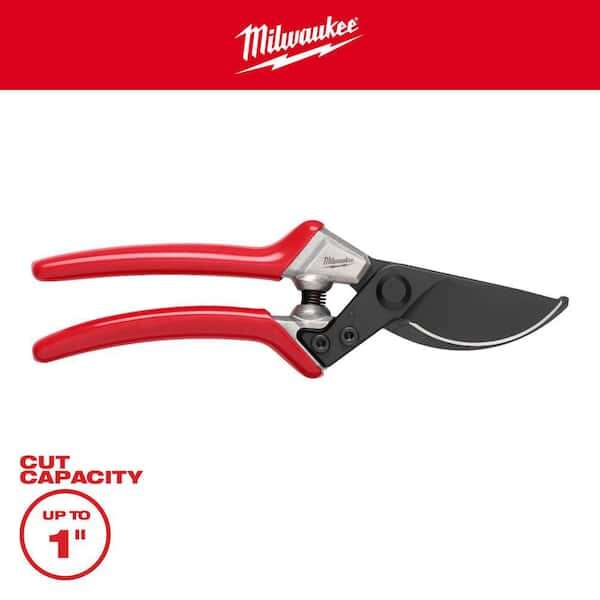
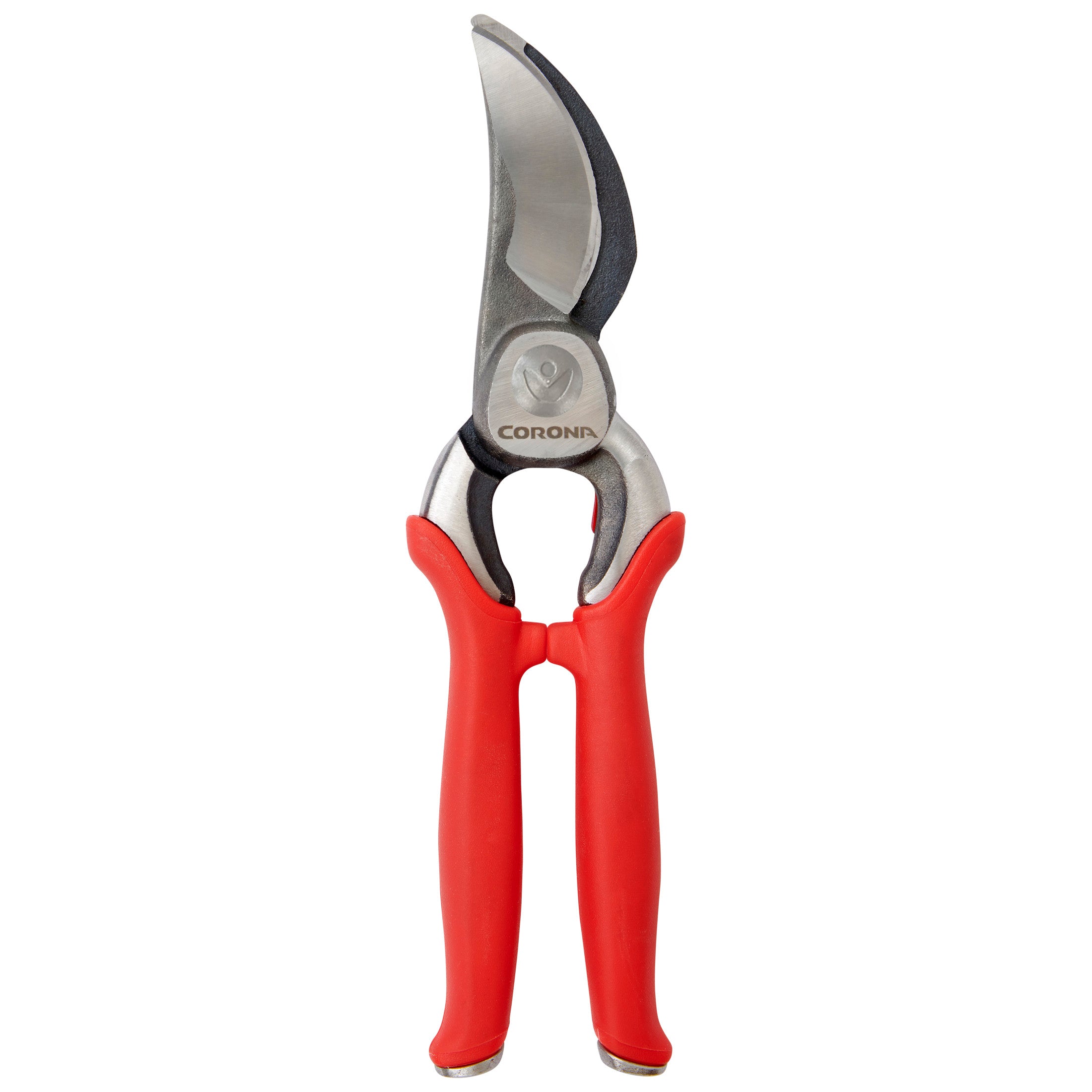
A bypass hand pruner is a small cutting tool made for trimming live branches, stems, and twigs. It has two curved blades that pass each other during the cut. The top blade is usually sharp, while the lower blade supports the branch and helps guide it through the cutting area.
The word “bypass” describes the blade action. Instead of pressing two flat blades together, the cutting blade slides past the counter blade. This action creates a clean cut with less crushing than many other types of pruners.
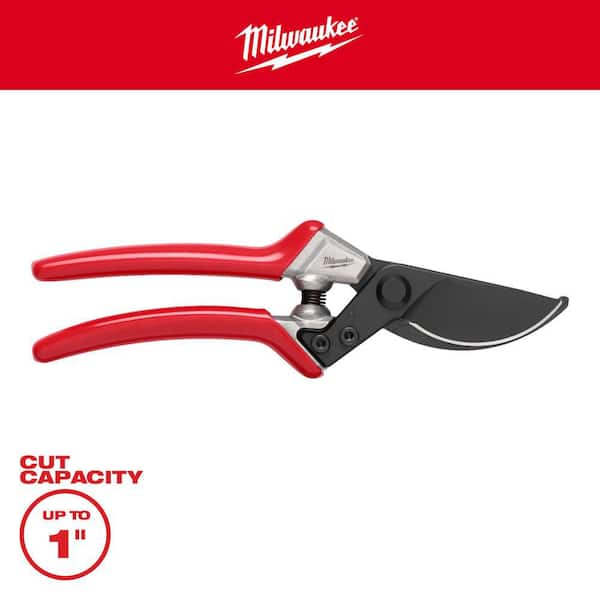
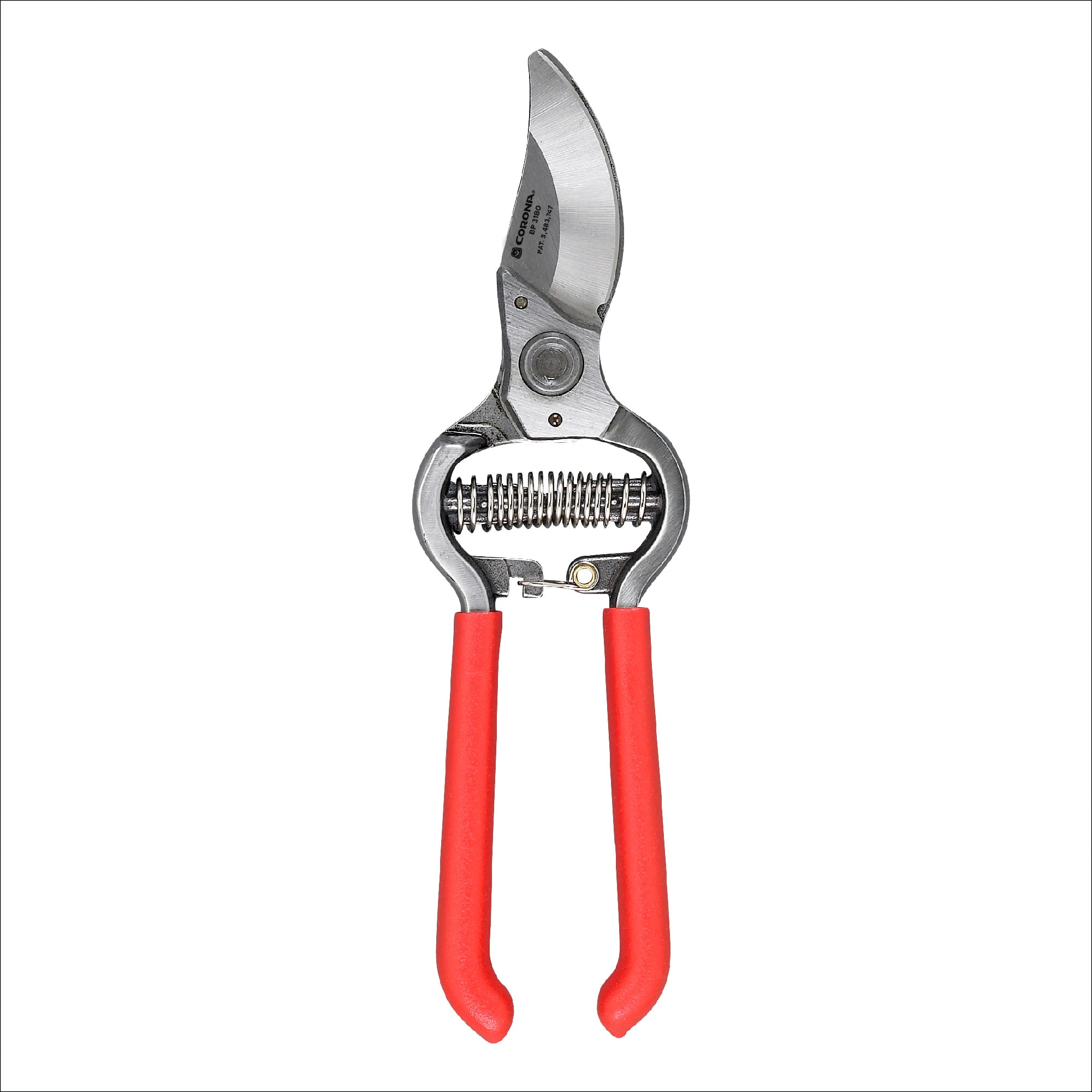
A bypass hand pruner usually includes:
• A sharp, curved cutting blade
• A thicker lower blade or hook
• Handles made from metal, plastic, or rubber
• A spring that opens the handles after each cut
• A lock that keeps the tool closed during storage
• A grip designed to reduce hand strain
The tool is often called bypass pruning shears, bypass secateurs, or hand pruners. These names can describe the same basic design, although features and quality vary by brand.
How Does a Bypass Hand Pruner Work?
A bypass hand pruner works through a sliding cut. As you squeeze the handles, the sharp blade moves across the supporting blade. The branch stays in place while the sharp edge slices through its fibers.
This design is similar to using a pair of scissors. The blade does not simply crush the stem between two hard surfaces. Instead, it cuts from one side and moves past the other blade.
For the cleanest result:
-
Open the handles fully.
-
Place the branch deep inside the cutting area.
-
Position the sharp blade on the side of the branch that will remain attached.
-
Squeeze the handles in one smooth motion.
-
Release the handles and check the cut.
Cutting near the base of the blades gives you more power. Cutting near the tips may require more effort and can damage the tool if the branch is too thick.
A clean cut helps the plant seal the wound more easily. It also reduces torn bark and ragged edges, which can hold moisture and create a better place for pests or disease.

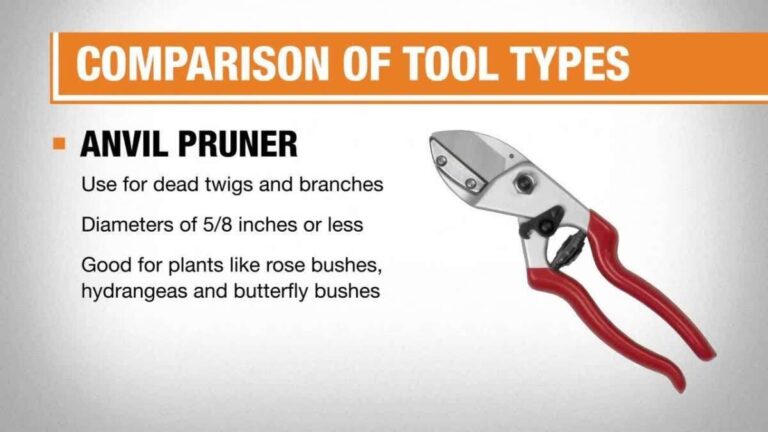
Bypass Pruner vs. Anvil Pruner
The main difference between a bypass hand pruner and an anvil pruner is how the blades meet. A bypass model uses a sliding cut. An anvil model has one sharp blade that presses a stem against a flat surface.
Anvil pruners can work well for dry, hard, or dead wood. However, they may crush soft or live stems. Bypass pruners are usually the better choice for green branches and living plants.
| Feature | Bypass hand pruner | Anvil pruner |
|---|---|---|
| Cutting action | Sliding blade passes a support blade | Sharp blade presses against a flat anvil |
| Best use | Live, green stems | Dry or dead branches |
| Cut quality | Usually clean and precise | May crush soft stems |
| Common garden use | Roses, shrubs, herbs, fruit trees | Dead wood and tough dry stems |
| Main risk | Blade damage from thick wood | Crushing live plant tissue |
A good rule is simple: use a bypass hand pruner for living growth and anvil pruners for dead wood. The right tool protects both the plant and your hands.
What Can You Cut With a Bypass Hand Pruner?
A bypass hand pruner is best for small, flexible branches and stems. The exact capacity depends on the tool, but many household models handle branches about one-half inch thick. Some heavy-duty models can cut slightly larger branches.
Use a bypass hand pruner for:
• Rose canes
• Young fruit tree branches
• Small shrub stems
• Grape vines
• Perennial flowers
• Fresh herb stems
• Indoor plant growth
• Small suckers and water sprouts
• Soft green shoots
Avoid using it on thick, dry branches. Do not force the handles around wood that does not fit easily. For larger branches, use loppers or a pruning saw.
When I review a pruning job, one of the most common mistakes is tool mismatch. People often keep squeezing a hand pruner long after the branch has become too thick. This can bend the blade, damage the cutting edge, and cause hand pain. If the cut feels like a fight, stop and choose a larger tool.
Benefits of Using a Bypass Hand Pruner
A bypass hand pruner offers several benefits for home gardeners and professional plant workers.
Clean Cuts
The sliding blade can make a smooth cut through live stems. A clean cut leaves less torn tissue and helps the plant recover.
Better Control
The narrow, curved blades fit into tight spaces. You can remove one small branch without damaging nearby buds or stems.
Easy Handling
A hand pruner is light and simple to carry. It can handle many daily garden tasks without the weight of loppers or powered tools.
Good for Precise Pruning
You can use it to shape shrubs, remove faded flowers, thin crowded growth, and cut stems above healthy buds.
Less Damage to Living Tissue
When the blade is sharp and the tool is used within its rated capacity, it causes less crushing than an anvil design.
Useful for Many Plants
One quality bypass hand pruner can serve roses, vines, fruit trees, shrubs, vegetables, and houseplants.
The tool does not replace good pruning knowledge. You still need to choose the right branch, angle, and timing. But a reliable bypass hand pruner makes those choices easier to carry out.
Limitations of a Bypass Hand Pruner
A bypass hand pruner is useful, but it is not a universal cutting tool. Knowing its limits can prevent injuries and plant damage.
The main limitations include:
• It cannot safely cut very thick branches.
• A dull blade may crush stems instead of slicing them.
• Hard, dry wood can nick or bend the blade.
• Small handles may be uncomfortable for large hands.
• Strong spring tension can bother people with weak grips or arthritis.
• Poor-quality locks may open during storage.
• Sap and rust can make the tool difficult to operate.
Do not extend the handles with a pipe or another object to gain more force. This trick can break the tool or cause the blade to slip. Use loppers or a saw when the branch exceeds the pruner’s safe capacity.
It is also wise to avoid cutting wire, plastic, or metal with garden pruners. Those materials can damage the edge quickly.
How to Choose the Best Bypass Hand Pruner
Choosing the right bypass hand pruner depends on your plants, hand size, and pruning habits. A more expensive tool is not always better, but very cheap models often lose their edge quickly.
Look for these features:
Sharp, Replaceable Blades
A high-carbon steel blade can hold an edge well. Replaceable blades may extend the useful life of the tool.
Comfortable Handles
Choose handles that fit your hand without forcing your fingers to stretch. Soft grips may reduce pressure during long pruning sessions.
Strong Spring
The spring should open the handles smoothly. It should not pop out or feel weak.
Secure Lock
The lock should keep the blades closed when the pruner is in a pocket, tool bag, or drawer.
Adjustable Blade Tension
Some models allow you to adjust the space between the blades. Correct tension helps the tool cut smoothly without wobbling.
Corrosion Resistance
Stainless steel or a protective coating can help the blades resist rust. Even rust-resistant tools still need to be dried after use.
Right-Hand or Left-Hand Design
Many bypass hand pruners are made for right-handed users. Left-handed gardeners should seek a tool designed for their cutting hand.
Before buying, open and close the tool several times. The blades should meet evenly. They should not rub hard, twist, or leave a wide gap.
How to Use a Bypass Hand Pruner Correctly
Good technique protects your plant and your hands. Start by checking the branch and deciding where the new growth should go.
Follow these steps:
-
Clean the blades before pruning, especially if you worked on a diseased plant.
-
Find a healthy bud that faces outward from the center of the plant.
-
Place the blade slightly above the bud.
-
Angle the cut so water can run away from the bud.
-
Keep the supporting blade on the part of the branch you plan to remove.
-
Squeeze once with steady pressure.
-
Check that the cut is smooth and not crushed.
Do not leave a long stub above the bud. Do not cut directly into the bud either. A short space above the bud gives the plant room to heal without leaving excess dead wood.
For rose pruning, many gardeners cut above an outward-facing bud. This can encourage growth away from the center and improve air movement. Plant needs differ, so always consider the species before making major cuts.
A practical lesson from routine pruning is to pause before every cut. Rushing often leads to removing the wrong branch. Ten seconds of thought can save a season of growth.
How to Clean and Maintain a Bypass Hand Pruner
A clean bypass hand pruner cuts better and helps reduce the spread of plant diseases. Cleaning is especially important when moving from one plant to another.
Use this basic maintenance routine:
-
Brush away dirt and plant bits.
-
Wipe the blades with a clean cloth.
-
Use rubbing alcohol to disinfect the cutting surfaces.
-
Dry the tool fully.
-
Add a small amount of tool oil to the pivot and blade surfaces.
-
Check the spring, lock, and handle screws.
-
Store the pruner in a dry place with the blades locked.
Do not soak the entire tool unless the manufacturer allows it. Water can enter the spring or pivot and cause rust.
A bypass hand pruner should also be sharpened when it starts tearing stems or requires unusual force. Use a sharpening stone or a tool made for pruning blades. Follow the original bevel rather than changing the blade angle.
Wear gloves when cleaning and sharpening. The blade may still cut skin even when it feels dull on plant material.
Common Mistakes to Avoid
Even experienced gardeners can misuse a bypass hand pruner. These mistakes are easy to prevent.
• Using a hand pruner on branches that need loppers
• Cutting dead wood with a tool meant for live stems
• Leaving the blade dirty after cutting diseased growth
• Using a dull blade for too long
• Cutting above a weak or inward-facing bud
• Holding the branch in the cutting path with your fingers
• Carrying the tool open in a pocket
• Storing it while wet
• Twisting the handles instead of making a straight cut
Never place a finger behind the branch near the blade. If a branch needs support, hold it well away from the cutting area. Keep children away from open pruners, even when the tool seems small.
If your hand becomes tired, take a break. Fatigue reduces control and increases the chance of a slip.

Is a Bypass Hand Pruner Worth Buying?
For most home gardeners, a bypass hand pruner is worth buying. It handles many common tasks and offers better control than kitchen scissors, utility knives, or poorly matched tools.
A quality model may last for many years if you clean, oil, and sharpen it. The cost is also modest compared with the value of healthy shrubs, roses, vines, and fruit trees.
A bypass hand pruner may not be the best choice if:
• You mainly cut thick dead branches.
• You have very limited hand strength.
• You need to prune large trees.
• You prefer powered tools for frequent work.
In those cases, consider anvil pruners, ratchet pruners, loppers, or a pruning saw. Many gardeners keep more than one cutting tool because different branches need different solutions.
Frequently Asked Questions About What Is a Bypass Hand Pruner
What is a bypass hand pruner used for?
A bypass hand pruner is used to cut small, live stems and branches. It works well for roses, shrubs, vines, herbs, flowers, and young fruit tree growth.
What is the difference between bypass and anvil pruners?
A bypass pruner has a sharp blade that passes a lower blade. An anvil pruner presses a sharp blade against a flat surface, which can crush soft, living stems.
How thick a branch can a bypass hand pruner cut?
Many home models cut branches up to about one-half inch thick. Check the manufacturer’s limit and use loppers or a saw for anything larger or harder.
Can I use a bypass hand pruner on dead wood?
You can use it on small dead twigs, but frequent cutting of hard, dry wood may dull or damage the blade. Anvil pruners or a pruning saw are usually better for larger dead branches.
How do I sharpen a bypass hand pruner?
Clean the blade first, then use a sharpening stone or pruning tool sharpener along the original bevel. Make a few controlled passes and avoid removing more metal than needed.
Should I disinfect my bypass hand pruner?
Yes. Disinfect the blades when moving between plants, especially after cutting material that may carry disease. Rubbing alcohol is a practical option for cleaning the cutting surfaces.
Why does my bypass hand pruner crush stems?
The blade may be dull, the blade tension may be wrong, or the branch may be too thick. Clean and sharpen the tool, check its adjustment, and switch to loppers if the branch exceeds its capacity.
Conclusion
A bypass hand pruner uses a sharp blade that slides past a supporting blade to make clean cuts on live, flexible plant growth. It is a useful choice for roses, shrubs, vines, flowers, herbs, and young branches.
Use the tool within its size limit, place cuts near healthy buds, and keep the blades clean and sharp. With the right technique, a bypass hand pruner can make routine garden care faster, safer, and more precise.
Choose a comfortable model, test its blade action before buying, and care for it after every use. Explore more pruning guides or share your favorite hand pruner and garden tips in the comments.

Laura Bennett is a gardening writer at MyGardenLabs who creates beginner-friendly guides focused on solving common plant care and gardening problems.