
What Is The Purpose Of Pruning Shears: A Gardener’s Guide
Pruning shears are hand tools used to cut small branches, shape plants, and remove dead or damaged growth.
Understanding what is the purpose of pruning shears helps you make cleaner cuts, protect plant health, and work with less effort. Whether you grow roses, fruit trees, herbs, or houseplants, the right shears can turn a rough pruning job into a careful act of plant care.
What Is the Purpose of Pruning Shears?
The main purpose of pruning shears is to cut small stems, twigs, and branches with control and accuracy. They are also called hand pruners, pruning scissors, or secateurs. Most models work best on live growth that is about ¾ inch thick or less, though cutting limits vary by tool.
Pruning shears create a cleaner cut than kitchen scissors, a knife, or your bare hands. A clean cut helps the plant seal the wound and lowers the risk of crushed tissue. This is why what is the purpose of pruning shears matters so much in routine garden care.
Gardeners use pruning shears to:
• Remove dead, diseased, or broken growth
• Cut back long or unwanted stems
• Shape shrubs, vines, and ornamental plants
• Thin crowded growth
• Harvest herbs, flowers, and some fruits
• Encourage fresh growth and better airflow
• Prepare cuttings for plant propagation
Think of pruning shears as a plant’s pair of scissors. They do not simply remove growth. They help you decide where the plant spends its energy.

Why Do Plants Need Pruning?
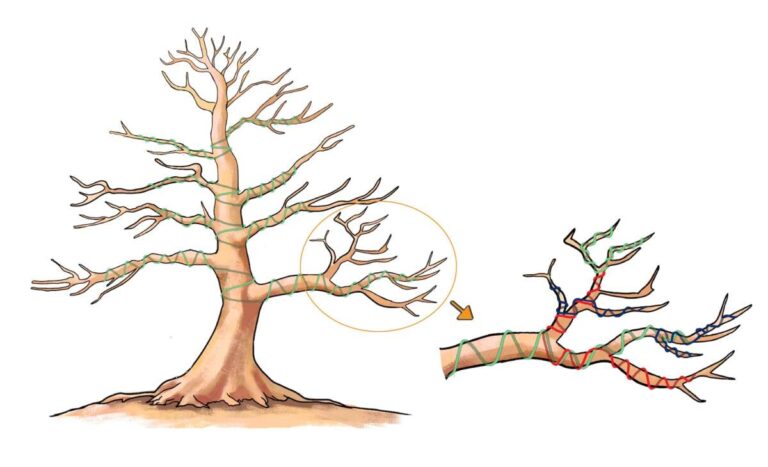
Plants do not always grow in a balanced way. Some stems become weak, crowded, damaged, or poorly placed. Pruning helps guide that growth and keeps the plant safer and easier to manage.
Removing dead wood can stop a damaged area from becoming a home for pests or disease. Cutting away crowded stems can improve light and air movement inside the plant. Better airflow is especially helpful for reducing damp conditions that support fungal problems.
Pruning can also improve the plant’s shape. For example, trimming a rose bush can open the center and direct growth outward. Cutting basil just above a leaf pair can encourage a fuller plant instead of a tall, thin stem.
Still, pruning is not a cure for every plant problem. Weak light, poor soil, drought, insects, and root damage may be the real cause of poor growth. Knowing what is the purpose of pruning shears means understanding when to cut and when to correct another problem first.
What Are the Main Uses of Pruning Shears?
Pruning shears serve several practical purposes in home gardens, farms, landscapes, and indoor plant collections. Each use requires a slightly different approach.
Removing dead and damaged branches
Dead branches often look gray, dry, cracked, or brittle. Broken stems may hang from the plant after wind, heavy snow, pets, or accidental damage. Removing them directs the plant’s energy toward healthy tissue.
Cut back to healthy wood when possible. Healthy tissue is often green or moist beneath the bark, but do not rely on color alone. If a branch is large, hard to reach, or near a power line, use a different tool or call a trained professional.
Controlling plant size
Many shrubs and houseplants grow beyond their space. Pruning shears can shorten long stems and help the plant fit its location. Make each cut just above a healthy bud or leaf node that faces the direction you want new growth to take.
Avoid removing too much at once. A common guideline is to remove no more than about one-quarter of a healthy plant’s canopy in one pruning session, although the safe amount depends on the species and season.
Improving plant shape
Pruning shears help create a balanced form. You can remove stems that cross, rub against each other, or grow toward the center of a shrub.
Good shaping should look natural. Avoid turning every shrub into a tight ball unless the plant and your landscape style call for it. Hard, repeated shearing can create dense outer growth and weak inner branches.
Harvesting flowers, herbs, and fruit
Pruning shears are useful for harvesting without tearing plant tissue. Cut flowers in the morning when stems are well hydrated. For herbs, trim just above a leaf pair to encourage new shoots.
Fruit growers also use hand pruners to remove small shoots and cut grapes, berries, and other crops. Clean cuts help reduce unnecessary injury during harvest.
Supporting fruit production
Some fruit trees benefit from selective pruning. Removing weak, crowded, or poorly placed branches can help light reach fruiting areas. It may also reduce competition between branches.
However, pruning needs vary by species. Apple, peach, citrus, grape, and fig plants do not all respond in the same way. Local university extension guidance is a useful source for timing and technique.

What Are the Benefits of Using Pruning Shears?
The purpose of pruning shears is not only to cut. Their design gives you control, speed, and better plant protection.
Key benefits include:
• Precise cuts: Small blades let you cut near a bud or branch collar.
• Less plant damage: Sharp blades reduce crushing and tearing.
• Better access: Compact handles fit into dense plant growth.
• Faster work: One-handed operation makes repeated cuts easier.
• Improved safety: A proper tool is safer than using a knife or pulling by hand.
• Easier harvesting: You can cut flowers, herbs, and stems without bruising them.
• Cleaner plant shape: Targeted cuts create more natural results.
In my experience with pruning tasks, the biggest improvement comes from using less force. A sharp, well-sized pair of shears should cut a suitable stem with a smooth squeeze. If you must twist, crush, or strain, the branch may be too thick or the tool may need maintenance.
Pruning shears also reduce fatigue during long garden sessions. Comfortable handles matter more than many people expect. A tool that causes hand pain can lead to rushed cuts and poor technique.
Types of Pruning Shears
Knowing the main types helps you choose the right tool for the job. The wrong blade design can crush stems or make simple work unnecessarily hard.
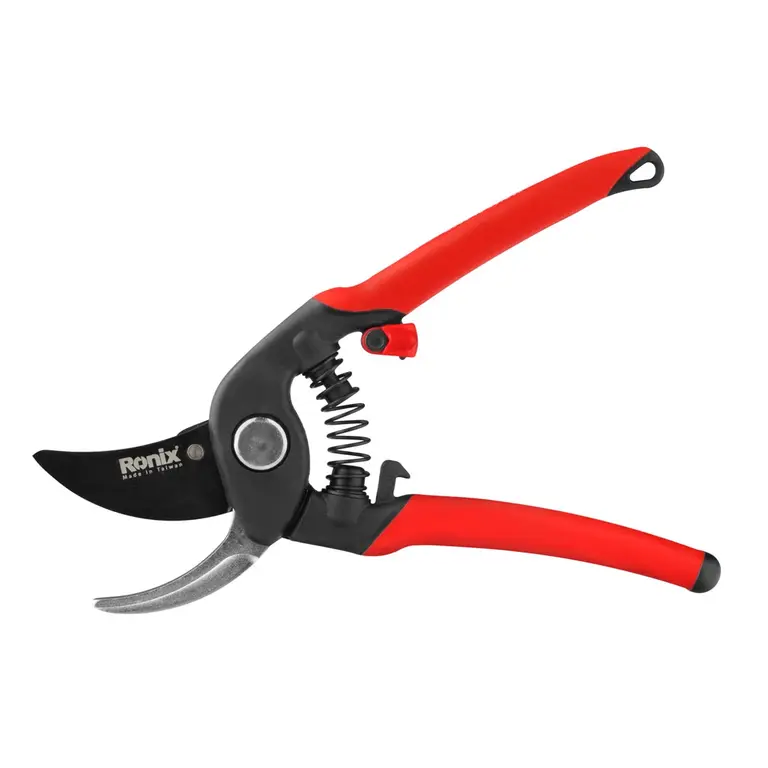
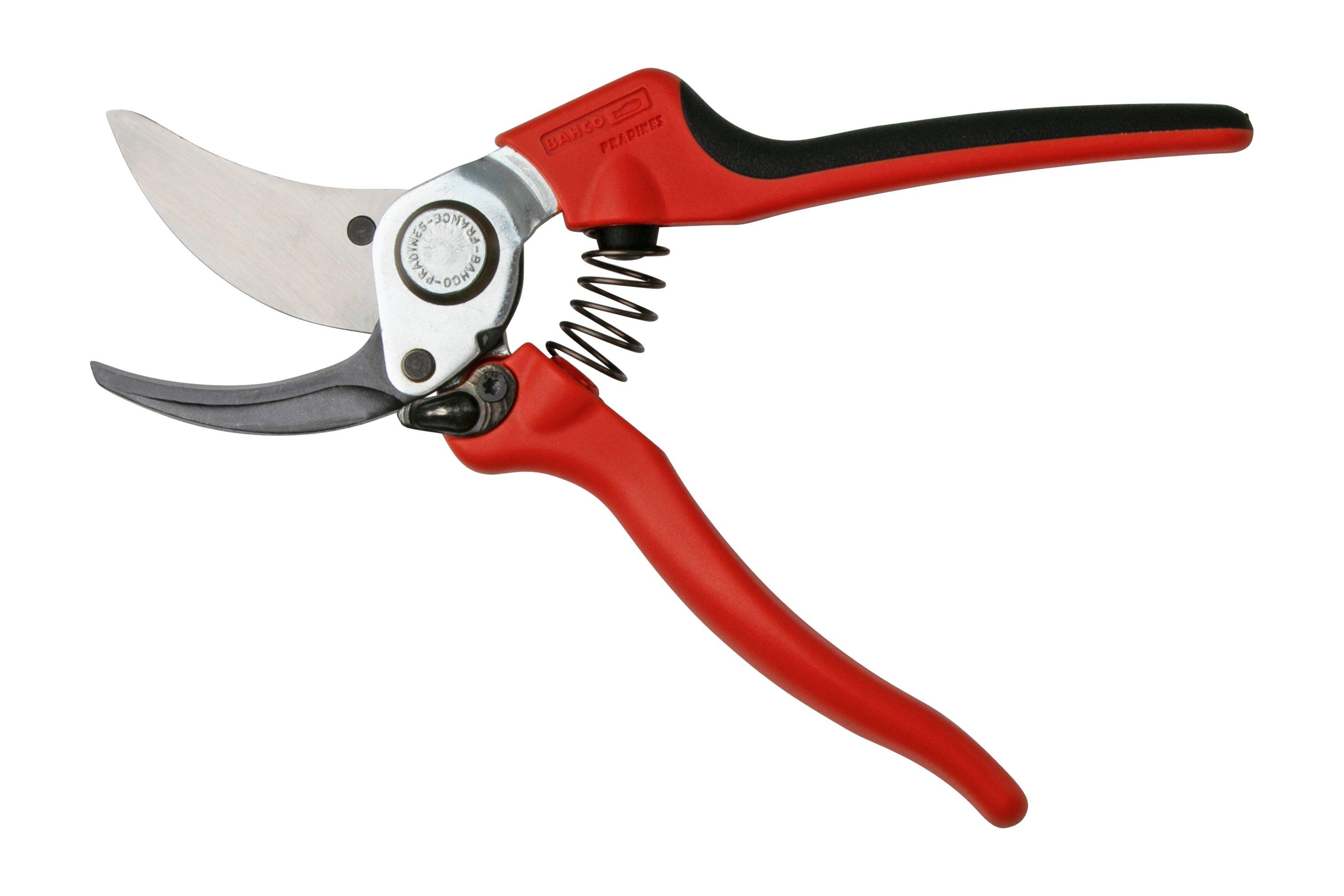
Bypass pruning shears
Bypass shears have one curved cutting blade that passes beside a thicker support blade. They work much like scissors. This design makes clean cuts on live, green stems.
Bypass pruners are usually the best choice for roses, shrubs, herbs, fruit trees, and houseplants. They are the most common type for general garden work.
Anvil pruning shears
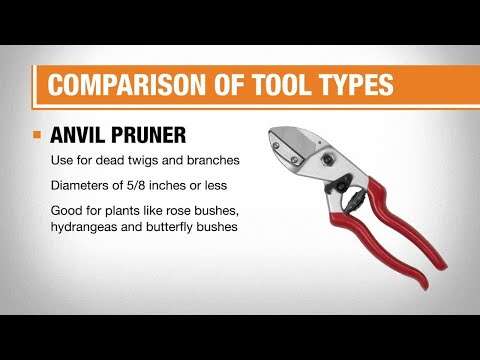
Anvil shears have one sharp blade that closes against a flat surface. They can provide strong cutting power, but they may crush soft or green stems.
Use anvil shears mainly for dry, hard, or dead wood within the tool’s rated capacity. They are not always the best answer to what is the purpose of pruning shears when the goal is a clean cut on live tissue.
Ratchet pruning shears
Ratchet shears cut in several short steps. Each squeeze advances the blade, which can help people with limited hand strength or arthritis.
They are useful for thicker stems, but they may feel slower for light work. Keep the tool clean and inspect the locking action often.
Long-handle pruners
Long-handle pruners, also called loppers, provide more reach and leverage. They are better for branches that are too thick for hand shears.
Do not force ordinary pruning shears to cut a branch that needs loppers. Doing so can damage the blade, bend the handles, or injure your hand.
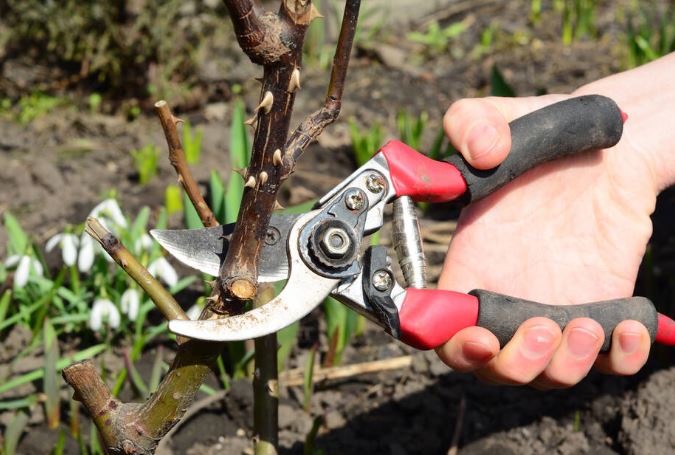
How to Use Pruning Shears Correctly
Using pruning shears well is simple once you follow a few basic steps. Good technique protects both the plant and your hands.
-
Inspect the plant. Look for dead, broken, crossing, diseased, or unwanted growth.
-
Check the branch size. Use hand pruners only for stems within their safe cutting range.
-
Clean the blades. Wipe away soil and plant sap before you begin.
-
Find the best cut point. Cut just above a healthy bud, leaf node, or branch collar.
-
Hold the tool correctly. Place the cutting blade on the side of the branch you plan to keep.
-
Make one smooth cut. Avoid twisting the handles or rocking the blade.
-
Remove waste. Collect diseased or infested material and dispose of it properly.
-
Clean the tool again. This prevents sap and plant debris from hardening on the blades.
When cutting a branch, place the sharp blade closest to the part of the plant that stays. This reduces crushing on the remaining stem. The cut should be slightly angled when needed, so water does not sit on the wound.
Do not leave a long stub unless the plant’s pruning method calls for it. At the same time, avoid cutting flush against the trunk or main stem. The branch collar contains tissue that helps the plant close the wound.

Common Pruning Mistakes to Avoid
Learning what is the purpose of pruning shears also means learning what they cannot do. A good tool cannot fix poor timing, blunt blades, or careless cuts.
• Using dull blades: Dull blades crush stems and require more hand pressure.
• Cutting branches that are too thick: Use loppers or a pruning saw when needed.
• Making random cuts: Always identify the reason for each cut.
• Removing too much growth: Severe pruning can stress some plants.
• Cutting at the wrong season: Flowering plants may lose buds if pruned at the wrong time.
• Ignoring disease: Infected debris should not be left under the plant.
• Failing to clean tools: Sap and pathogens can move from one plant to another.
• Using damaged shears: Loose parts and bent blades can make cuts unsafe.
One mistake I often see in new gardeners is cutting the outer tips again and again. This creates a neat surface but may leave the inside of the plant dark and crowded. Selective thinning is often better than constant surface trimming.
Another common mistake is pruning because a plant looks untidy, even when it is in flower or preparing to bloom. Before cutting, learn whether the plant flowers on old wood or new wood. That small detail can prevent a season without blooms.
When Is the Best Time to Prune?
The best pruning time depends on the plant, your goal, and your local climate. There is no single month that works for every garden.
Many deciduous trees and shrubs are pruned during dormancy. This often means late winter, before strong spring growth begins. Some spring-flowering shrubs should be pruned after they bloom because they set flower buds on older branches.
Summer pruning can help control vigorous growth or remove damaged limbs. Dead, broken, or diseased branches may need removal at any time. Yet storm damage near electrical wires should be handled by a qualified professional.
Avoid pruning drought-stressed plants unless you are removing a safety hazard or clearly dead material. Water stress can slow recovery. Also avoid cutting during extreme heat when fresh wounds may dry too quickly.
Local climate and plant type matter. Regional horticulture services, professional arborists, and plant care manuals can provide more accurate timing than a general calendar.
How to Clean and Maintain Pruning Shears
Clean, sharp pruning shears make better cuts and last longer. Maintenance also helps reduce the spread of plant diseases.
Follow this simple routine:
• Brush off soil and bark after each use.
• Wipe blades with a clean cloth.
• Use a suitable disinfectant between plants when disease is a concern.
• Dry the metal parts to help prevent rust.
• Apply a small amount of tool oil to the hinge and moving parts.
• Sharpen the cutting blade according to the manufacturer’s instructions.
• Store the shears closed and in a dry place.
Do not soak the entire tool unless the manufacturer allows it. Water can enter the spring or locking mechanism. If the spring is weak, the blade is chipped, or the handles are cracked, repair or replace the tool.
Disinfectants can damage metal if left on the blade for too long. Follow the product label and allow the tool to dry fully. Clean tools are helpful, but they do not replace good plant spacing, proper watering, and pest control.
How to Choose the Right Pruning Shears
Choose pruning shears based on the plants you grow and the way the tool feels in your hand. A high price does not guarantee a good fit.
Look for:
• A sharp, replaceable blade
• A comfortable handle size
• A secure locking mechanism
• A strong return spring
• A blade that can be cleaned easily
• A design suited to right-handed or left-handed use
• A cutting capacity that matches your plants
If you have small hands, avoid oversized handles. If hand strength is limited, ratchet shears may be more comfortable. For frequent work, a bypass model with replaceable parts can offer better long-term value.
Wear gloves when working with thorny plants, but do not let gloves reduce your grip. Eye protection is wise when cutting stiff branches that may spring back. Keep children away from open blades and store shears safely after use.
Frequently Asked Questions About What Is the Purpose of Pruning Shears
What is the purpose of pruning shears in gardening?
The purpose of pruning shears is to make controlled cuts on small stems and branches. Gardeners use them to remove dead growth, shape plants, improve airflow, and harvest flowers or herbs.
Can pruning shears cut thick branches?
Most hand pruning shears are designed for small branches, often up to about ¾ inch thick. Thick or hard branches may require loppers or a pruning saw to prevent tool damage and crushed wood.
Are bypass or anvil pruning shears better?
Bypass shears are usually better for live green stems because they make cleaner cuts. Anvil shears can work well for dry or dead wood, but they may crush soft tissue.
Should pruning shears be disinfected between plants?
Yes, disinfecting pruning shears between plants can reduce the spread of some plant diseases. Clean visible sap and debris first, then use a suitable disinfectant according to its label.
Can pruning shears be used to harvest herbs?
Yes, pruning shears are useful for harvesting herbs, flowers, and small fruit stems. Make clean cuts above a leaf pair or at the correct harvest point to encourage continued growth.
When should pruning shears not be used?
Do not use hand pruning shears on branches that exceed their rated capacity. Avoid pruning severely stressed plants unless you must remove dead, broken, or dangerous growth.
Conclusion
Pruning shears are made for precise cuts on small stems and branches. Their main roles include removing dead growth, shaping plants, improving airflow, supporting healthy growth, and harvesting garden crops.
The best results come from matching the tool to the branch, keeping the blade sharp, cutting at the right place, and pruning at the right time. Start with one clear goal before each cut, then care for your shears after the job.
Use these tips in your garden this season, and explore trusted local plant guides for species-specific pruning advice. Share your pruning questions or favorite hand pruner tips in the comments.

Laura Bennett is a gardening writer at MyGardenLabs who creates beginner-friendly guides focused on solving common plant care and gardening problems.