
Why Is My Bonsai Dying: Fast Fixes And Care Tips
Most bonsai die from improper watering, wrong light, or poor soil and root issues.
I’ve worked with bonsai for years and taught new growers how to keep small trees healthy. This guide explains why is my bonsai dying, how to diagnose the cause, and clear steps to save or prevent loss. Read on for practical checks, simple fixes, and real-life tips that I’ve used when a treasured bonsai looked beyond help.

Common causes: why is my bonsai dying
Bonsai are small trees in small pots. That makes them very sensitive. When you ask why is my bonsai dying, look first at the main stress points: water, light, soil, roots, pests, and heat. Each can cause slow decline or quick collapse.
Main causes to check
- Watering errors. Overwatering causes root rot. Underwatering dries roots and leaves.
- Wrong light. Too little sun leads to weak growth. Too much direct heat can scorch leaves.
- Poor soil or compaction. Bad soil holds water or drains too fast, starving roots.
- Root problems. Bound, damaged, or rotted roots cannot feed the tree.
- Pests and disease. Mites, scale, fungus, and bacteria weaken bonsai fast.
- Temperature and humidity stress. Indoor trees often suffer low humidity or drafts.
- Improper pruning or wiring. Cuts, deep wounds, or tight wire can kill branches.
- Fertilizer misuse. Too much salt or wrong feed burns roots; too little starves growth.
- Pot size and drainage. Small pots force roots to crowd and dry quickly.
When you wonder why is my bonsai dying, treat the plant like a small ecosystem. Each part affects the rest. A leaf problem can point to water or light issues, while soil or root signs point to more serious problems.
How to diagnose the problem step by step
Diagnosing why is my bonsai dying is a simple detective process. Use your eyes, touch, and a few quick tests. Work methodically to find the root cause.
Step-by-step checklist
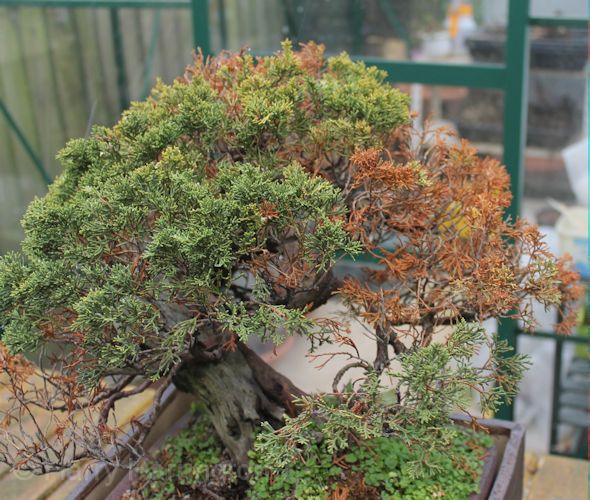
- Inspect the leaves. Look for yellowing, brown edges, spots, or dropped leaves. Patterns tell you if it’s water, nutrient, or pest related.
- Check the soil moisture. Stick your finger one inch into the soil. Very wet soil after days of no water hints at poor drainage or overwatering.
- Lift the pot. Is it very light? That suggests it’s dry. Heavy and soggy points to too much water.
- Examine the trunk and branches. Soft, dark wood or peeling bark means rot or disease. Firm wood is good.
- Pull the tree gently from the pot if needed. Healthy roots are white or light tan and smell fresh. Dark, mushy roots smell sour and indicate root rot.
- Look for pests. Small insects, webbing, or sticky residue are common signs. Check under leaves and near the soil line.
Short tests you can do at home
- Water test. If roots are mushy, stop watering and repot. If soil is bone dry, water deeply and monitor.
- Tilt test. If the tree leans and the root ball moves, roots may be damaged or loose.
- Leaf response test. Give the tree proper light and water for a few days. If leaves firm up, it may recover.
Diagnosis is half science and half observation. Keep notes on changes. When asking why is my bonsai dying, detail and patience often reveal the problem.
How to fix a dying bonsai: practical steps that work
Once you know why is my bonsai dying, act fast but calmly. Here are clear steps I use when I try to save a tree.
Immediate triage
- Stop watering if roots are rotten. Let soil dry a bit and prepare to repot.
- Move the tree to stable light. Avoid sudden shifts from dark to harsh sun.
- Remove dead leaves and twigs. That reduces stress and helps you see new growth.
Repot and root care
- Gently remove the tree from the pot. Brush away old soil to expose the roots.
- Prune only rotten roots. Cut back mushy, dark pieces to healthy tissue.
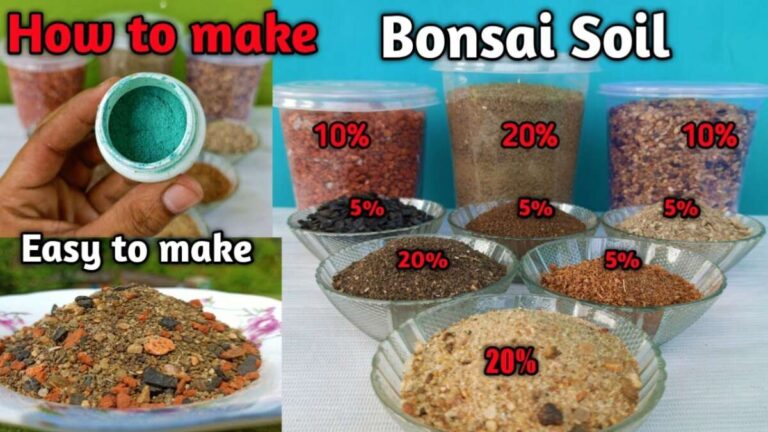
- Use a well-draining bonsai mix. Fast drainage helps prevent repeat rot.
- Repot into a slightly larger pot if roots are badly bound. Otherwise refresh soil in the same pot.
Watering and feeding
- Water deeply until excess drains. Then allow the top soil to dry slightly before the next soak.
- Use a watering schedule based on the tree type, pot size, and season. Check moisture daily in hot weather.
- Hold off on heavy fertilizing for several weeks after repotting. Use a gentle feed once the tree shows recovery.
Pest and disease control
- Isolate the sick tree from others. This prevents spread.
- Use targeted treatments: insecticidal soap for soft pests, neem oil for many insects, and fungicides for true fungal infections.
- Follow doses and repeat treatments as recommended for bonsai.
Pruning and shaping
- Remove only dead or weak branches. Cut back to healthy tissue.
- Avoid aggressive styling or wiring until the tree regains vigor.
What I’ve learned from experience
- One of my junipers looked done after a summer of overwatering. I removed it, cut away rot, and repotted in gritty soil. It leafed out within weeks and now grows stronger each year.
- I learned not to keep a sick tree under bright indoor lamps right away. Slow acclimation works better.
When you fix the core problem that answers why is my bonsai dying, recovery is often steady and visible in a few weeks.
.jpg)
Long-term care and prevention tips
Preventing why is my bonsai dying is easier than rescuing a sick tree. Set routines and make small habits part of care.
Daily and weekly habits
- Check soil moisture with your finger each morning in hot months. Adjust water as needed.
- Rotate the tree to promote even light on all sides.
- Sweep fallen leaves and clean the pot rim. Small hygiene tasks reduce pests.
Seasonal care
- Reduce water and feeding in winter for temperate species. Many go semi-dormant and need less food.
- Increase watering and occasional feed in spring and summer when growth is active.
- Move tropical bonsai indoors before frost, but avoid long periods in low light.
Soil and pot choices
- Use a mix that drains and holds some moisture. Components like akadama, pumice, or grit work well.
- Choose pots with good drainage holes. Elevate pots on small feet or trays so water runs away.
Choosing the right species
- If you keep asking why is my bonsai dying, pick a species that matches your environment. Some trees need full sun; others tolerate indoor light.
- Beginner-friendly species include certain ficus, jade, and Chinese elm.
Record keeping
- Keep a simple care log. Note watering, repotting, and pest treatments. This helps track what works and stops repeated mistakes.
Prevention is about steady, small actions. When you avoid extremes, you reduce the chances of asking why is my bonsai dying again.

Salvage, propagation, and acceptance
Sometimes a bonsai is too far gone. That does not mean all is lost. You can salvage pieces or learn from the loss.
How to tell if it’s salvageable
- If any green tissue or flexible branches remain, recovery is possible.
- If the trunk is hollow or the main roots are gone, recovery is unlikely.
Ways to save value from a lost bonsai
- Take cuttings from healthy shoots and root them in damp mix.
- Air-layer a healthy branch to create a new plant.
- Use healthy foliage for grafting or experimentation.
Accepting loss and learning
- A lost bonsai teaches timing and limits. I lost one young maple to root rot and learned to change the soil mix and check drainage every repot.
- Treat failure as data. Note what went wrong and adjust care for the next tree.
If you keep asking why is my bonsai dying, remember that each failure builds skill. Growing bonsai is part craft, part science.

PAA-style quick questions
Why did my bonsai suddenly lose leaves?
- Sudden leaf drop often comes from shock due to watering change, light shift, or pests. Check moisture and pests, and stabilize conditions.
Can overwatering kill a bonsai fast?
- Yes. Overwatering can cause root rot that spreads quickly, especially in warm, stagnant conditions. Repot and trim rotten roots to stop it.
How long does a sick bonsai take to recover?
- Recovery can take weeks to months depending on the issue and tree species. Mild problems show improvement in days; root recovery may take a full growing season.
Is indoor bonsai care harder than outdoor?
- Indoor bonsai need steady light and humidity control, which can be harder to provide. Outdoor species often recover better with natural cycles.
Should I keep my bonsai in direct sun?
- That depends on species. Many bonsai thrive in bright indirect light, while some need morning sun and afternoon shade. Match light to the tree type.
Frequently Asked Questions of why is my bonsai dying
Why is my bonsai's soil always wet?
Wet soil usually means poor drainage or overwatering. Repot into a grittier mix and check that drainage holes are clear.
Why are the tips of my bonsai leaves turning brown?
Brown tips often point to inconsistent water, low humidity, or salt buildup from fertilizer. Flush the soil and adjust watering and feeding.
Why is my bonsai losing leaves in winter?
Many bonsai slow growth and shed leaves in winter due to lower light and dormancy. Ensure the tree has proper cool rest or stable indoor light based on species.
Why does my bonsai have sticky residue on leaves?
Sticky residue usually comes from sap-sucking pests like scale or aphids. Wipe leaves and treat with insecticidal soap or neem oil.
Why is my bonsai trunk soft or discolored?
A soft or dark trunk can mean rot or fungal infection. Inspect roots and wood, and prepare to remove rotten parts or replace the tree if damage is severe.
Conclusion
When you wonder why is my bonsai dying, the key is calm observation and targeted action. Check water, light, soil, roots, and pests in that order. Small, steady changes often revive a tree, and preventive care stops most problems. Take one step today: inspect your bonsai, note one change to make, and act. Share your progress or questions in the comments, subscribe for more practical bonsai tips, and keep learning—each tree teaches something new.

Laura Bennett is a gardening writer at MyGardenLabs who creates beginner-friendly guides focused on solving common plant care and gardening problems.