Are Trowel And Spade The Same Thing: Key Differences
No, a trowel and a spade are not the same tool; they differ in size, shape, and purpose.
If you have ever wondered, “Are trowel and spade the same thing?” you are not alone. Both tools move soil, but their designs serve very different garden jobs. This guide explains the key differences, shows when to use each one, and shares practical tips from real gardening experience.
Trowel vs. spade: the basic difference
The simple answer to “are trowel and spade the same thing” is no. A garden trowel is a small, handheld tool. A spade is a larger, long-handled tool made for digging, cutting, lifting, and turning soil.
Think of a trowel as a small spoon for the garden. It gives you control in tight spaces. A spade is more like a strong, flat shovel. It uses your arms and legs to move more soil with each push.
Here are the main differences:
| Feature | Garden trowel | Spade |
|---|---|---|
| Size | Small and handheld | Large with a long handle |
| Blade | Narrow or rounded | Broad and usually flat |
| Main use | Planting and small tasks | Digging and moving soil |
| Force | Mostly hand and wrist power | Arm, leg, and body power |
| Best for | Pots, seedlings, bulbs, and weeds | Beds, edging, sod, roots, and hard soil |
So, are trowel and spade the same thing? They may both enter the soil, but they are not interchangeable for most tasks.
What is a garden trowel?
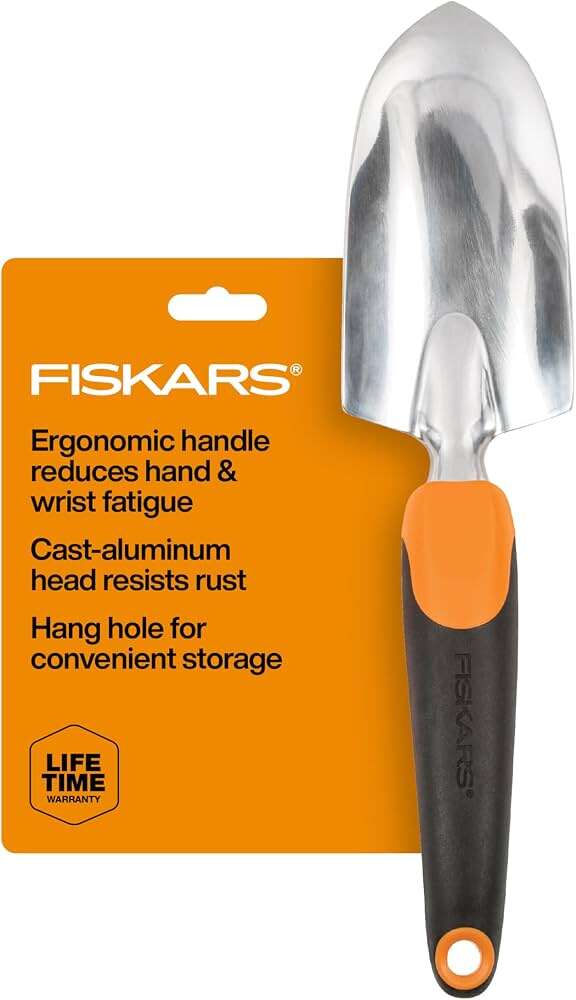
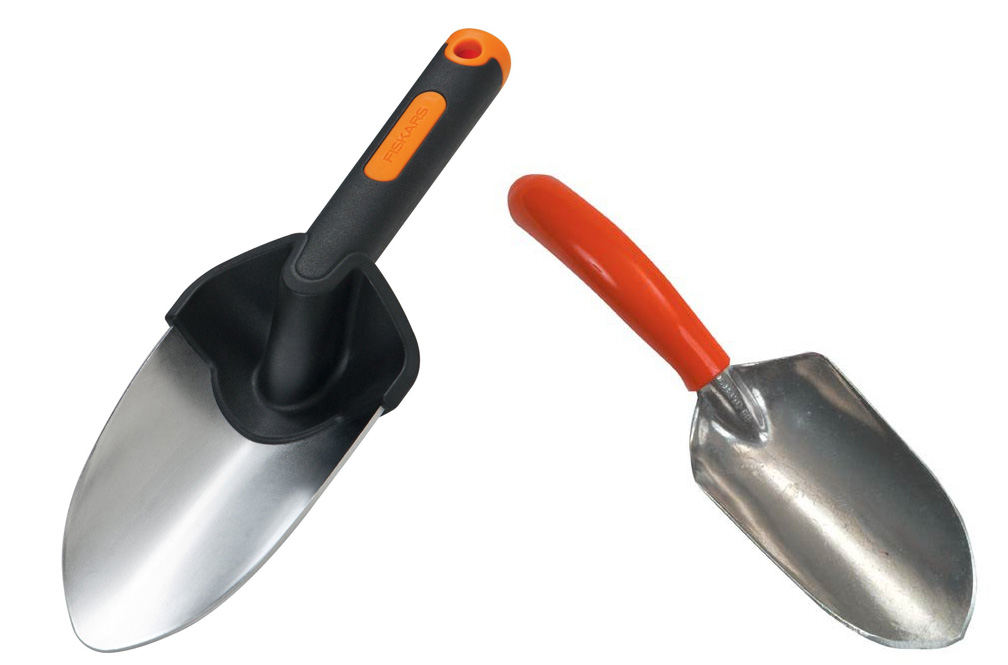
A garden trowel has a short handle and a small metal blade. Most blades are pointed, scoop-shaped, or slightly curved. The blade may be made from stainless steel, carbon steel, or aluminum.
Gardeners use a trowel for precise work. It is ideal when you need to dig a small hole without disturbing nearby plants.
Common uses include:
• Planting annual flowers and small seedlings
• Setting bulbs at the right depth
• Transplanting herbs and vegetables
• Mixing potting soil in a container
• Removing small weeds
• Adding compost around a plant
• Filling window boxes and raised planters
A trowel can also have a narrow blade for planting bulbs or a wider blade for moving loose soil. Some models include depth marks. These marks help you plant bulbs and seedlings at a more even depth.
When someone asks, “Are trowel and spade the same thing?” the trowel’s size offers the clearest answer. You can hold a trowel in one hand. A spade usually needs both hands for safe and effective use.
Garden trowel shapes
Trowel blades vary based on the job.
• Pointed blades work well in firm soil.
• Wide blades move more potting mix.
• Narrow blades fit between crowded plants.
• Scoop-shaped blades help lift loose soil.
• Serrated edges can cut through small roots or dense soil.
A good trowel should feel balanced in your hand. The handle should not twist when you press the blade into the ground. A soft grip can also reduce hand strain during long planting sessions.

What is a spade?
A spade is a long-handled digging tool with a broad, flat, or slightly curved blade. It is built for force. The blade often has a sharp edge that cuts into soil, roots, turf, and compost.
A spade is useful for larger garden tasks, such as:
• Digging new planting beds
• Cutting through lawn edges
• Dividing perennials
• Moving soil or compost
• Digging trenches
• Removing shallow roots
• Turning compacted soil
• Lifting sections of sod
Many digging spades have a foot step, also called a tread. You place your boot on this upper edge and push down. This lets your body weight help the blade enter hard ground.
A spade usually has a straighter blade than a digging shovel. That flat edge makes it useful for clean cuts and neat borders. A shovel often has a deeper, curved blade that carries loose material. The terms can vary by region, but this difference is common in American garden tools.
So, are trowel and spade the same thing? A spade is far larger, stronger, and better suited to heavy soil work.

Key differences between a trowel and a spade
The answer to “are trowel and spade the same thing” becomes clearer when you compare their design and use.
Size and handling
A trowel is compact and light. You use it with one hand and guide it close to the plant. A spade has a long shaft, so it gives you more reach and leverage.
This difference matters in practice. A trowel lets you work carefully around roots. A spade lets you break soil and move a larger amount at once.
Blade shape
A garden trowel often has a small pointed or scoop-shaped blade. Its shape helps it open small planting holes.
A spade often has a flat blade with a sharp lower edge. This design helps it slice through soil and make straight cuts.
Work capacity
A trowel moves a small amount of soil. That is helpful when planting one flower or filling a small pot.
A spade moves much more soil. It saves time when you prepare a garden bed or remove a section of turf.
Physical effort
A trowel depends on hand and wrist movement. A spade uses your legs, arms, back, and body weight.
Good technique matters with both tools. Keep your back as straight as possible, bend your knees, and avoid twisting while lifting. If the soil is very hard, water it lightly and let it soften before digging.
Precision
A trowel offers excellent control. You can place it exactly where you want it.
A spade offers power but less precision. It can damage nearby roots if you use it too close to an established plant.

When should you use a trowel?
Use a trowel when the task is small, precise, or close to other plants. It is the best choice for containers, vegetable starts, herbs, and small flower beds.
For example, use a trowel to plant a tomato seedling in a raised bed. Dig a hole slightly wider than the root ball, place the plant at the correct depth, and firm the soil around it.
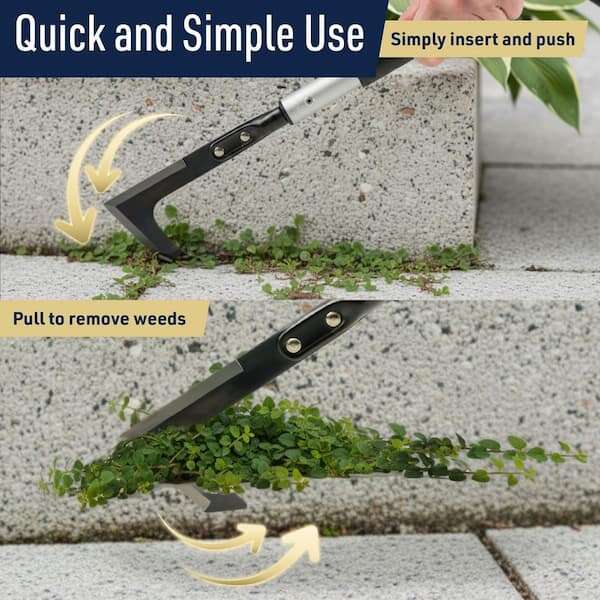
A trowel is also useful for removing weeds. Slide the blade below the weed’s crown and lift the roots. This works best when the soil is moist but not muddy.
A common mistake is using a trowel for every digging job. I once tried to use one to break a new bed in dry clay soil. The small blade slipped, my wrist became sore, and the job took far too long. A spade would have done the heavy work first, while the trowel could finish the planting.

When should you use a spade?
Use a spade when you need strength, depth, or a clean cut. It is the better tool for opening a new bed, edging a lawn, dividing large plants, or digging in firm ground.
A spade also works well for moving established plants. Cut a circle around the plant, push the blade beneath the root ball, and lift with care. Keep as much soil around the roots as possible.
For clean edging, place the spade vertically along the border. Push it down, lift it out, and repeat in a straight line. This creates a crisp edge between lawn and bed.
Do not use a spade to scoop large piles of loose mulch if you have a shovel available. The flat blade may carry less material and make the work slower. Tool choice should match the material, not just the size of the job.

Can a trowel replace a spade?
A trowel can replace a spade for very small jobs, but it cannot replace a spade for heavy digging. It lacks the long handle and leverage needed to cut through compact soil.
A spade can sometimes replace a trowel, but it is often too large for delicate work. You may damage roots, disturb nearby seedlings, or make a hole that is much larger than needed.
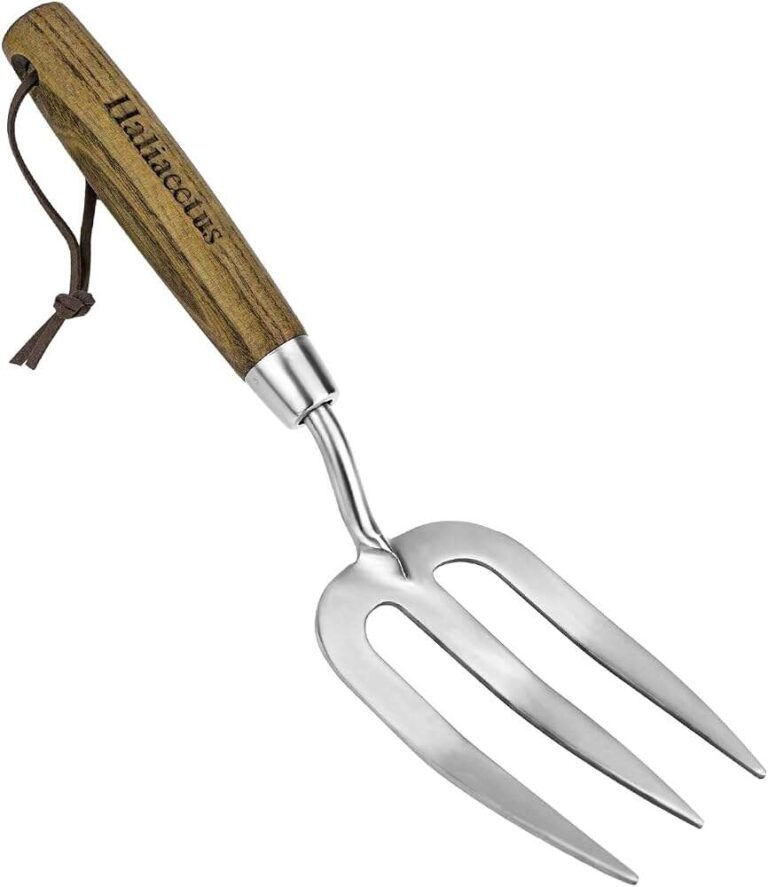
The best approach is to keep both tools available:
• Use the spade to prepare or reshape the soil.
• Use the trowel to plant, transplant, and finish small areas.
• Use a shovel to move loose soil, compost, or mulch.
• Use a hand fork when roots or stones make digging difficult.
This answers “are trowel and spade the same thing” in a practical way. They work as a team, but each tool has a distinct role.

Trowel and spade meanings in different regions
Tool names can change by country and even by store. In the United States, “garden trowel” usually means a small hand tool. “Spade” usually means a long-handled tool with a flat blade.
In British usage, the word “spade” also commonly describes a long-handled digging tool. The word “trowel” may refer to a small gardening tool or a masonry tool, depending on the context.
A masonry trowel is not the same as a garden trowel. It has a flat, pointed blade designed to spread mortar or cement. A garden trowel has a deeper blade designed to move soil.
This is one reason product labels can cause confusion. Always check the tool’s blade shape, handle length, and intended use before buying it.

How to choose the right tool
When deciding whether you need a trowel or spade, start with the size and condition of the job.
Choose a trowel if:
• You are working in a pot or planter.
• You need to plant small seedlings.
• You are working between close plants.
• You need careful control.
• You are removing small weeds.